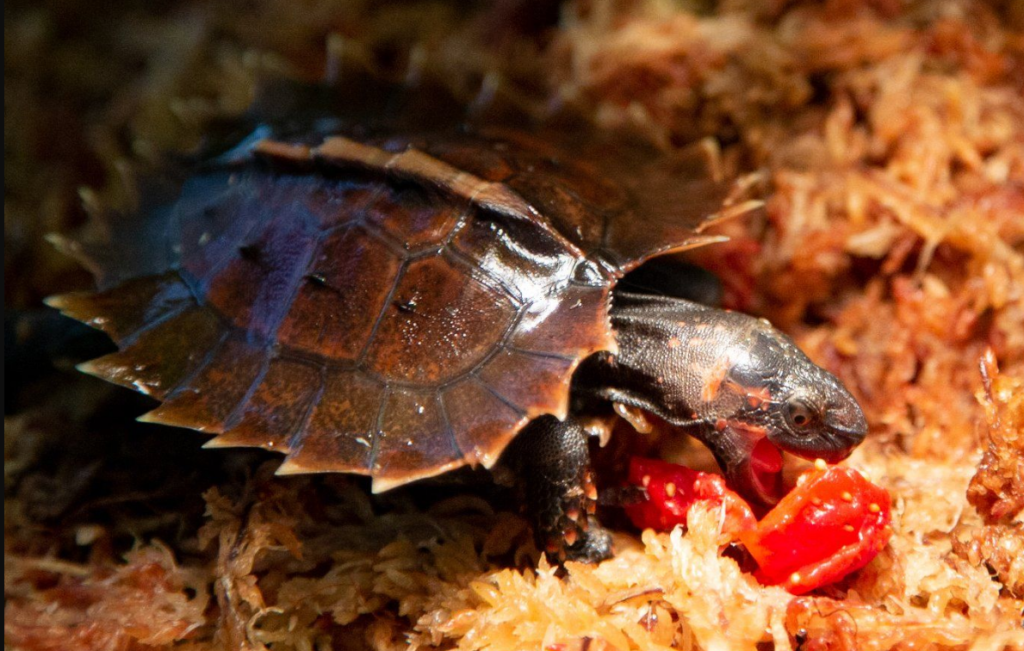
The Spiny Hill Turtle is a unique species native to Southeast Asia, particularly found in the mountainous regions of Malaysia and Thailand. Known for its distinctive spiny carapace, this turtle is highly adapted to its rocky and hilly environment. The spines on its shell provide protection from predators, and the turtle uses its natural camouflage to remain hidden. Spiny Hill Turtles are typically herbivores, feeding on plants, fruits, and leaves. They are also known for their relatively small size compared to other turtle species and their ability to live in both terrestrial and aquatic environments.
Quick Top 10 Facts about Spiny Hill Turtle
| SCIENTIFIC NAME | Heosemys spinosa |
| CLASSIFICATION | KINGDOM: Animalia PHYLUM: Chordata CLASS: Reptilia ORDER: Testudines FAMILY: Geoemydidae |
| SIZE | Length: 20–30 cm (8–12 inches) |
| SPECIES | Spiny Hill Turtle (Heosemys spinosa) |
| APPEARANCE | Spiny, triangular-shaped carapace with sharp spines on the edges, brownish or olive-green body, and a distinct head with a slightly raised nose. |
| LIFE SPAN | Typically 30–40 years in the wild |
| HABITAT | Mountainous areas, rocky hillsides, and slow-moving streams in Southeast Asia, particularly Malaysia and Thailand |
| DIET | Herbivorous diet including plants, fruits, leaves, and aquatic vegetation |
| NATURAL PREDATORS | Birds of prey and large mammals are natural threats to juvenile turtles |
| COUNTRY | Found in Malaysia, Thailand, and other parts of Southeast Asia |
| GESTATION PERIOD | Egg-laying species; eggs incubate for about 2–3 months before hatching |
| CONSERVATION STATUS | Endangered (IUCN Red List) due to habitat loss and illegal pet trade |
Amazing Facts About Spiny Hill Turtle
1. Unique Spiny Shell
The Spiny Hill Turtle is well-known for its unique spiny shell, which serves as a defense mechanism against predators, making it difficult for animals to attack.
2. Camouflage Experts
The color and texture of the turtle’s shell help it blend into its rocky, forested environment, providing it with camouflage from predators.
3. Slow and Steady
Like most turtles, Spiny Hill Turtles are slow-moving and rely on their hard, spiny shells for protection rather than speed to escape threats.
4. Herbivorous Diet
These turtles primarily feed on a variety of plants, fruits, and aquatic vegetation, helping to maintain the balance of their local ecosystem.
5. Nocturnal Behavior
The Spiny Hill Turtle is typically more active at night, foraging for food under the cover of darkness.
6. Vulnerable to Habitat Loss
The species is facing increasing threats due to habitat destruction caused by human activity, including deforestation and urban development.
7. Limited Distribution
This species is found in very specific areas of Southeast Asia, making its habitat crucial to its survival.
8. Nesting Behavior
Spiny Hill Turtles lay their eggs in small, hidden nests, which are often located in sandy or soil-rich areas of their habitat.
9. Endangered Species
Due to habitat loss, the illegal pet trade, and collection for food, the Spiny Hill Turtle is considered an endangered species.
10. Long Lifespan
Spiny Hill Turtles have a long lifespan, often living between 30 and 40 years in the wild, provided they are not threatened by humans or predators.
Introduction to the Spiny Hill Turtle (Heosemys spinosa)
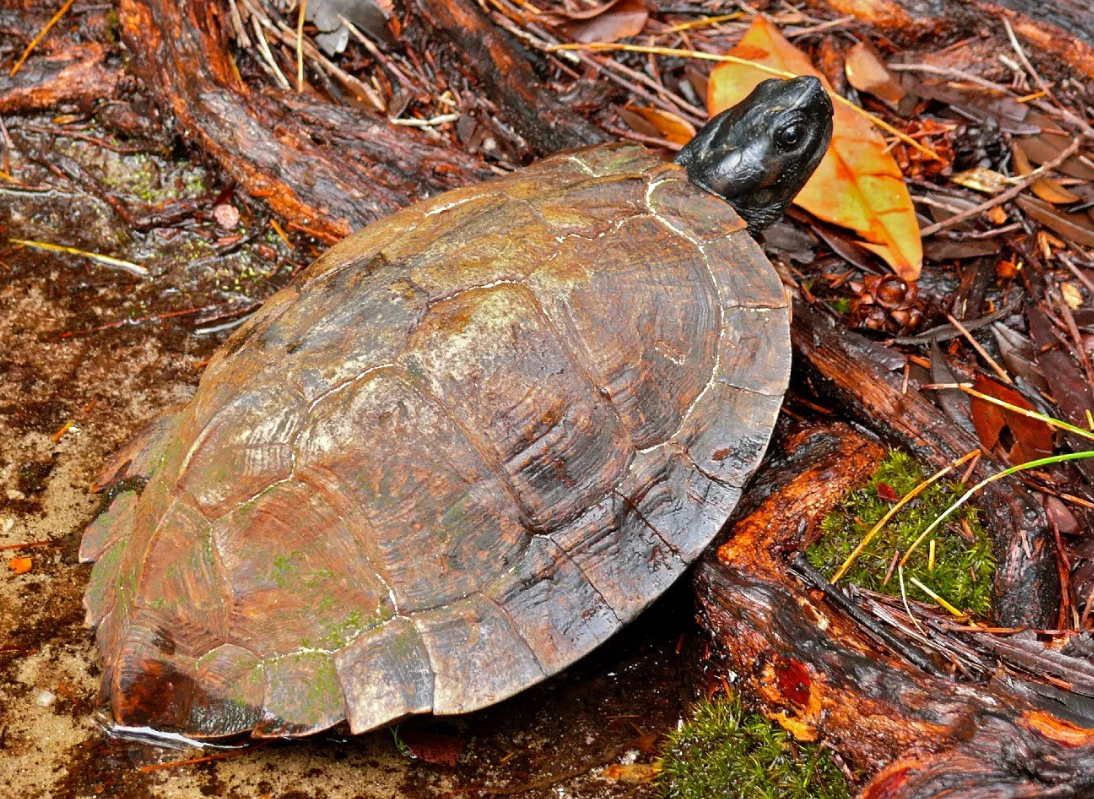
The Spiny Hill Turtle, officially named *Heosemys spinosa*, represents a unique species that conservationists have widely observed. This turtle inhabits the lush jungles of southern Thailand, Malaysia, and parts of Indonesia in Southeast Asia. It prefers mountainous and hilly regions and thrives in habitats rich in freshwater sources. Such areas are vital for its survival and its ability to reproduce effectively in the wild. The turtle features an unusual, ridged carapace adorned with large spines, which stand out as a defining trait.
These spines help deter predators and allow easy identification of the species in its natural setting. Its typical colouration—dark brown or olive—allows it to blend with the forest floor. This natural camouflage helps it avoid detection by predators in its dense habitat. These physical features play a critical role in the turtle’s adaptation to challenging environmental conditions. They enable it to survive and thrive within a specialised and often threatened ecosystem.
Ecological Importance and Environmental Indicators
We must understand the Spiny Hill Turtle to address broader ecological concerns effectively. Its presence signals the overall health of specific ecosystems within Southeast Asia. This turtle thrives only in particular conditions, which makes it an important environmental indicator. The species depends heavily on clean, freshwater environments to flourish and reproduce. Pollution and habitat degradation pose serious threats to its survival. These challenges highlight the urgent need to maintain the integrity of its habitats.
A decline in the turtle population reflects wider issues facing the region’s biodiversity. Numerous species now face threats due to climate change and growing human interference. To protect this turtle and the ecosystems it represents, conservation efforts must recognise its role. Only by understanding this species’ ecological significance can we safeguard biodiversity effectively.
Physical Characteristics and Behavioural Adaptations
Key Morphological Traits of the Spiny Hill Turtle
The Spiny Hill Turtle, besides being visually striking, has evolved several features essential to its survival. Its most prominent trait is a spiky carapace that effectively deters predators. This carapace, combined with earthy tones, helps the turtle blend into the forest floor. The camouflage offers protection in its native habitat, where it usually remains hidden. Larger animals and birds of prey often pose threats, making concealment crucial. These features significantly reduce predation risks and enhance the turtle’s ability to survive. This camouflage strategy proves especially useful in dense, foliage-covered areas.
Functional Role of Carapace and Colouration
Its spiny carapace serves more than one function in its survival strategy. The colours—shades of brown, green, and soft yellow—aid in concealment. These hues also regulate the turtle’s temperature by reflecting sunlight. As an ectothermic animal, the turtle relies on external warmth to stay active. Maintaining body heat is vital for its physiological processes. This natural heat regulation allows it to thrive in variable forest climates. Its design reflects a remarkable adaptation to its semi-aquatic lifestyle.
Diet and Feeding Habits
The Spiny Hill Turtle has adapted its behaviour to suit a semi-aquatic lifestyle. It primarily consumes aquatic plants, fruits, and leafy vegetation found in swamps and rivers. These areas form its natural feeding grounds and supply most of its nutrition. The turtle shows opportunistic tendencies by occasionally eating insects for added protein. Although mostly herbivorous, it adjusts its diet depending on availability. This flexibility helps it survive seasonal changes in food supply. Its foraging habits reflect its ecological role as both grazer and seed disperser.
Mating Behaviour and Reproduction Patterns
During warmer months, male turtles initiate mating by performing gentle courtship rituals. These behaviours include pacing and softly nudging females to initiate bonding. Such interactions help form stable mating pairs during the breeding season. Social cues and behaviours significantly influence the turtle’s reproductive success. This turtle demonstrates both aesthetic appeal and ecological value in its adaptations. Its combination of unique physical and behavioural traits contributes to its survival. These qualities also highlight the turtle’s broader importance in ecosystem dynamics.
Threats to Survival and Conservation Status
IUCN Classification and Decline Factors
The International Union for Conservation of Nature (IUCN) currently classifies the Spiny Hill Turtle as vulnerable. This listing reflects growing concern over its declining population across its native range. Human activities such as deforestation and agricultural expansion have destroyed its habitat. These changes drastically reduce suitable areas necessary for its survival. Habitat fragmentation limits its movement, breeding, and access to food. The turtle’s dependence on undisturbed land makes it especially vulnerable. Conservationists consider habitat loss a primary driver of population decline.
Climate Change and Environmental Shifts
Climate change has also threatened the turtle’s environment and food resources. Rising temperatures and altered rainfall patterns disrupt the delicate balance of its ecosystem. These environmental shifts particularly affect young turtles during their early life stages. Floods and extreme weather events often destroy nesting sites and habitats. Such disruptions increase mortality rates and limit juvenile survival. Climate pressures now join human activities as major risk factors. They compound the already fragile situation facing this rare species.
Poaching and Illegal Wildlife Trade
Illegal poaching poses an additional and growing threat to the Spiny Hill Turtle. The fascinating pet trade has increased demand for this distinctive species. Poachers capture many turtles and sell them through illegal wildlife markets. This practice severely reduces the wild population and threatens genetic diversity. Despite protective laws, enforcement remains a significant challenge in many areas. Turtles removed from their natural settings struggle to adapt in captivity. This illegal trade endangers the species and violates international conservation efforts.
Conservation Responses and Collaborative Action
Conservation organisations have responded by launching initiatives to protect this species. These include habitat restoration, awareness campaigns, and tighter law enforcement. They aim to reverse population decline and protect natural ecosystems. Governments and local communities must collaborate to implement conservation strategies. Effective programmes require grassroots support and scientific research. Protecting the Spiny Hill Turtle demands coordinated and sustained effort. Future studies will also provide guidance for long-term conservation plans. Such efforts aim to secure this species’ future in the wild.
Current Conservation Efforts and Community Involvement
Strategic Protection and Awareness Campaigns
Several conservation projects now prioritise the Spiny Hill Turtle to ensure its survival. These initiatives involve collaboration among non-profits, local people, and government bodies. They focus on raising awareness and involving communities in protection efforts. Public education campaigns highlight the turtle’s ecological significance. They encourage sustainable practices to reduce human impact on its habitat. Community engagement forms the foundation of successful conservation projects. By spreading knowledge, these campaigns strengthen protective measures and local support.
Establishment of Protected Areas
Conservationists and local governments have designated protected zones to shield the turtles. These areas help prevent habitat destruction and human interference. Protected regions act as sanctuaries for both the turtles and their ecosystems. They also ensure the preservation of regional biodiversity. Such measures improve breeding conditions and reduce environmental stress. The creation of these zones reflects a proactive approach to species protection. They provide hope for stabilising populations and preserving natural balance.
Partnerships with Local Communities
Conservation efforts have also focused on partnerships with nearby communities. These alliances promote eco-friendly behaviours that reduce pressure on turtle habitats. Locals take part in managing resources and protecting the environment. Their involvement fosters a culture of stewardship and shared responsibility. These partnerships help balance human needs with wildlife conservation. Through education and cooperation, communities become guardians of biodiversity. Their role is vital in sustaining long-term conservation initiatives.
Captive Breeding and Population Management
Captive breeding plays a key role in the conservation strategy for this species. Scientists create safe, controlled environments to support reproduction and raise juveniles. These programmes aim to boost numbers and strengthen wild populations. Some initiatives have already recorded significant improvements in juvenile survival rates. They demonstrate the potential for population recovery through strategic reintroductions. Careful management ensures genetic diversity and adaptation readiness. Such efforts represent a lifeline for species nearing extinction.
Public Participation and Advocacy
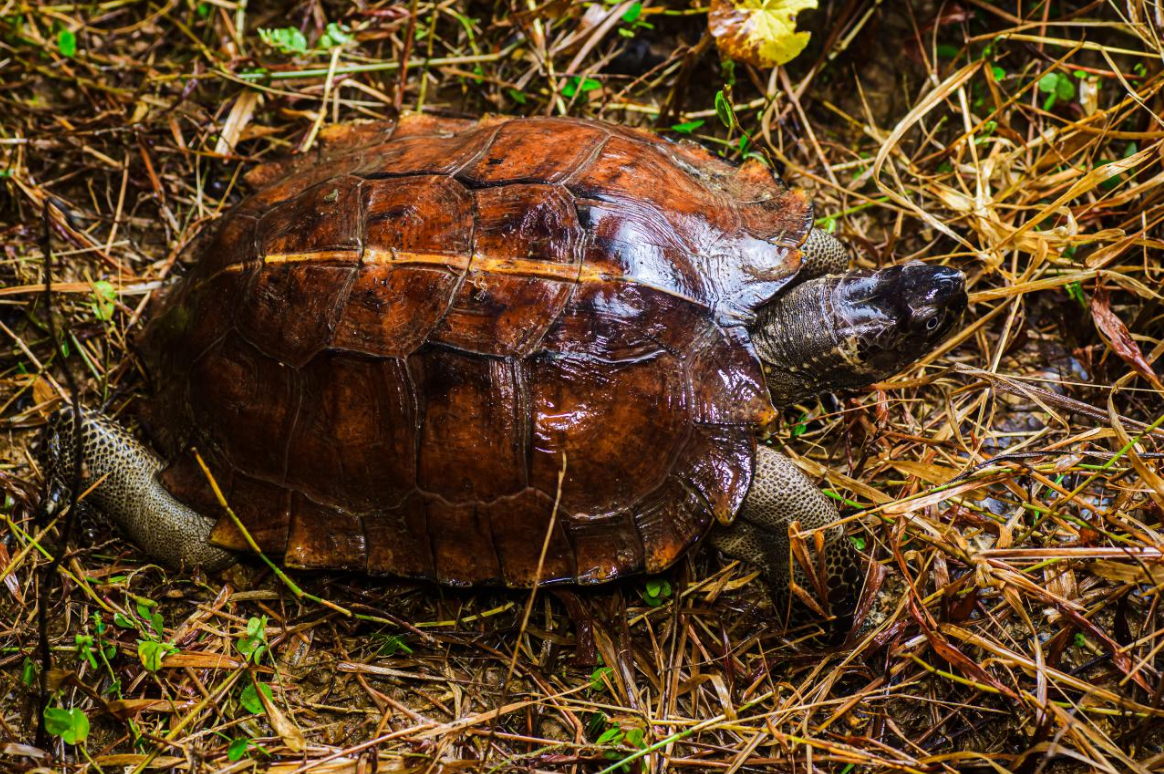
Individuals can make a meaningful impact on the conservation of the Spiny Hill Turtle. People support these efforts by donating, joining clean-up drives, or spreading awareness. Community action promotes sustainable habits and protects vital habitats. By participating in these movements, citizens reinforce environmental priorities. Widespread involvement strengthens global efforts to preserve this rare species. Together, we can ensure future generations witness its ecological legacy. Our combined efforts can restore balance and safeguard its natural home.
FAQ (Frequently Asked Questions) about Spiny Hill Turtle
Q: What is a Spiny Hill Turtle?
Ans: The Spiny Hill Turtle is a species of turtle native to Southeast Asia, known for its spiny carapace that offers protection against predators.
Q: Where do Spiny Hill Turtles live?
Ans: They are found in mountainous and rocky regions of Malaysia, Thailand, and other parts of Southeast Asia, particularly near streams.
Q: What do Spiny Hill Turtles eat?
Ans: Spiny Hill Turtles are herbivores and feed on a variety of plants, fruits, leaves, and aquatic vegetation.
Q: How long do Spiny Hill Turtles live?
Ans: In the wild, Spiny Hill Turtles can live up to 30–40 years.
Q: Are Spiny Hill Turtles endangered?
Ans: Yes, they are classified as endangered due to habitat loss, the illegal pet trade, and over-collection.
Q: Can Spiny Hill Turtles be kept as pets?
Ans: While they can be kept as pets, their conservation status and specialized care needs mean they should only be kept by experienced caretakers.
Q: What makes the Spiny Hill Turtle different from other turtles?
Ans: The distinctive spiny structure on its shell is a key feature that sets the Spiny Hill Turtle apart from other turtle species.
Q: What is the habitat of Spiny Hill Turtles like?
Ans: They live in rocky hillsides, forests, and slow-moving streams, often in areas with plenty of vegetation for feeding and nesting.
Q: What threats do Spiny Hill Turtles face?
Ans: The biggest threats include habitat destruction, illegal collection for the pet trade, and human encroachment into their natural habitats.
Q: How do Spiny Hill Turtles protect themselves?
Ans: They use their sharp, spiny shells for defense against predators, making them difficult to attack.
#SpinyHillTurtle #EndangeredSpecies #Turtles #SoutheastAsia #WildlifeConservation #Reptiles #HerbivorousTurtles #TurtleFacts
Our sources and references about Spiny Hill Turtle
1: Wikipedia – Spiny Hill Turtle
2: IUCN Red List – Spiny Hill Turtle
3: Reptile Forums – Spiny Hill Turtle Care
4: National Geographic – Spiny Hill Turtle


