Discover fascinating facts, listings, helpful resources, pictures, and definitions about animals through our comprehensive encyclopedia. We provide intriguing facts on a wide variety of animals, their habitats, behaviours, and more. Explore the fascinating and diverse world of animals by reading our in-depth explanations and viewing breathtaking pictures. Learn the mysteries of the animal kingdom while discovering captivating facts about both large and small species.
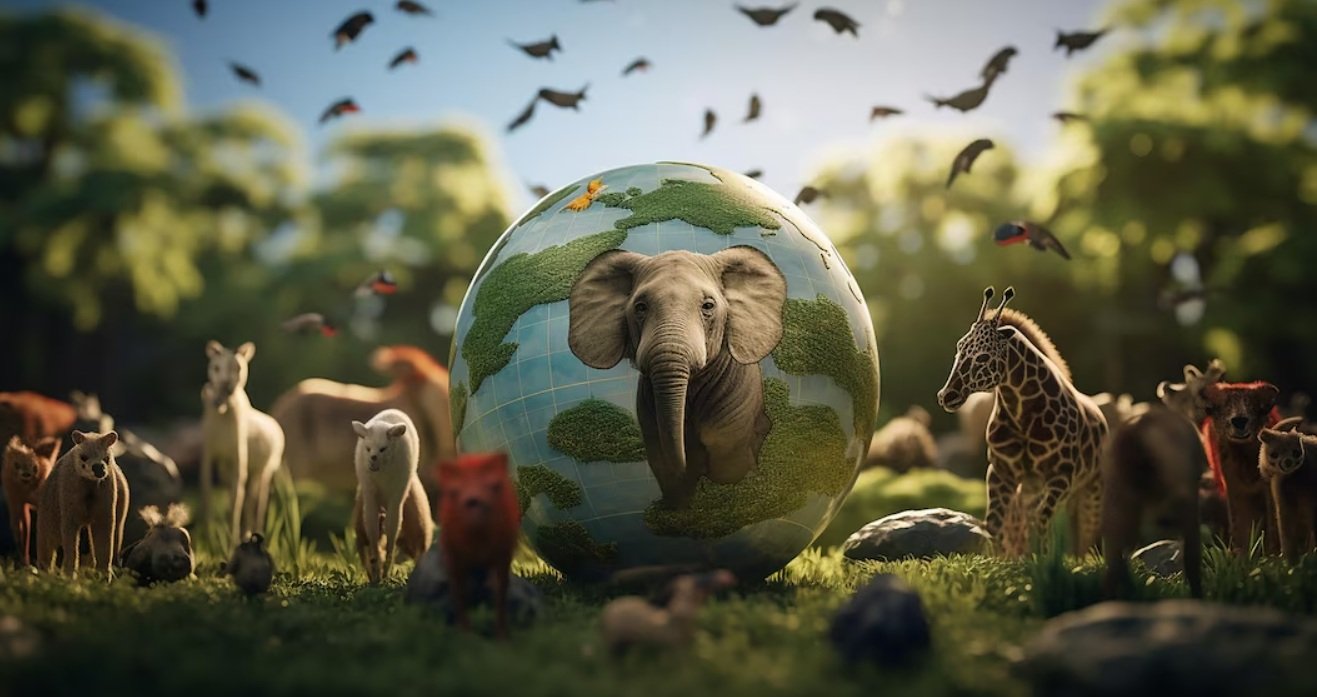
Our encyclopedia features a broad range of creatures from across the globe, from the heights of the sky to the depths of the ocean. By using this educational guide, you can enhance your understanding of and appreciation for the natural world. Through our facts and encyclopedia, you can fully grasp the complexity and beauty of animal life. Our resource provides the perfect opportunity for study and exploration, whether you are a wildlife enthusiast or simply curious about the animals that share our planet.
Animal Names With Alphabets A-Z
The animal kingdom is vast and diverse, comprising countless species that we can categorise alphabetically from A to Z. Each animal not only represents a letter but also embodies the rich tapestry of life on Earth. They demonstrate the incredible range of adaptations and behaviours that species have developed over time. We can categorise animal names according to the letters of the alphabet, providing a structured way to explore Earth’s diverse wildlife. Each letter opens the door to a variety of animals, from the familiar to the extraordinary. This alphabetical method aids memorisation while highlighting the vast array of life forms, each with unique traits and ecological roles. It enhances our understanding of biodiversity and the natural world.
 Animals By A
 Animals By B
 Animals By C
 Animals By D
 Animals By E
 Animals By F
 Animals By G
 Animals By H
 Animals By I
 Animals By J
 Animals By K
 Animals By L
 Animals By M
 Animals By N
 Animals By O
 Animals By P
 Animals By Q
 Animals By R
 Animals By S
 Animals By T
 Animals By U
 Animals By V
 Animals By W
 Animals By X
 Animals By Y
 Animals By Z
Discover Dog Breeds
Explore dog breeds that are widely recognised for their popularity among pet owners. These breeds often exhibit distinct characteristics, making them appealing choices for families and individuals alike. Factors such as temperament, size, and adaptability to different living environments contribute to their widespread appeal. As a result, certain breeds consistently rank high in terms of registrations and ownership, reflecting their enduring status in the canine community.









Discover Cat Breeds
Discover the various breeds of cats, each with its unique characteristics and traits. From the playful Siamese to the regal Maine Coon, the diversity among cat breeds offers a wide range of personalities and appearances. Understanding these differences can help potential cat owners choose a breed that aligns with their lifestyle and preferences.




Biodiversity of animals across various parts of the world
Different animal species inhabit different regions of the planet. Each country hosts a unique variety of wildlife, from beautiful birds to fascinating reptiles and rare creatures. The range of animals found in nations, from the expansive savannas of Africa to the dense rainforests of Brazil, demonstrates the complexity and beauty of nature.
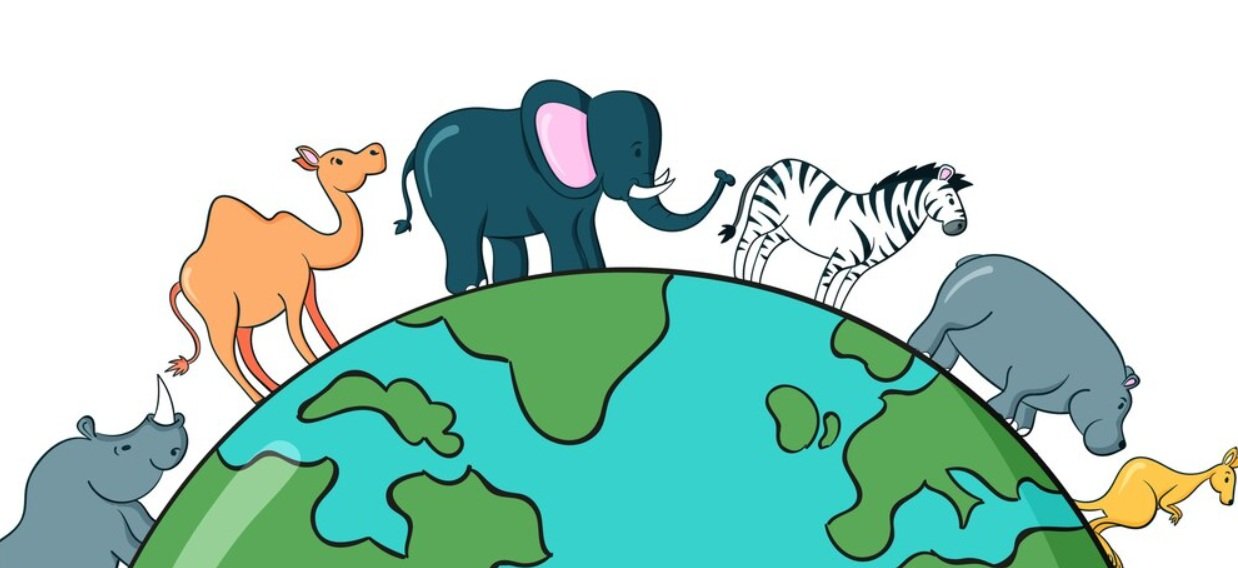
For example, Australia hosts iconic marsupials such as kangaroos and koalas, alongside poisonous reptiles like crocodiles and snakes.
Meanwhile, polar bears and seals roam Canada’s Arctic regions, adapting to survive in some of the harshest environments on Earth.
The diversity of animals in various countries highlights the resilience of species and underlines the importance of conservation efforts to preserve these unique habitats.
Conservation efforts for endangered species and initiatives to educate about extinct animals
Endangered and extinct animals present a critical challenge that demands urgent action. Human activities such as poaching, habitat destruction, and climate change continue to reduce many species’ populations. We must raise public awareness and take proactive steps to prevent further decline. Conservation programmes, including establishing protected areas, enforcing anti-poaching laws, and promoting sustainable practices, play a vital role in protecting endangered species.
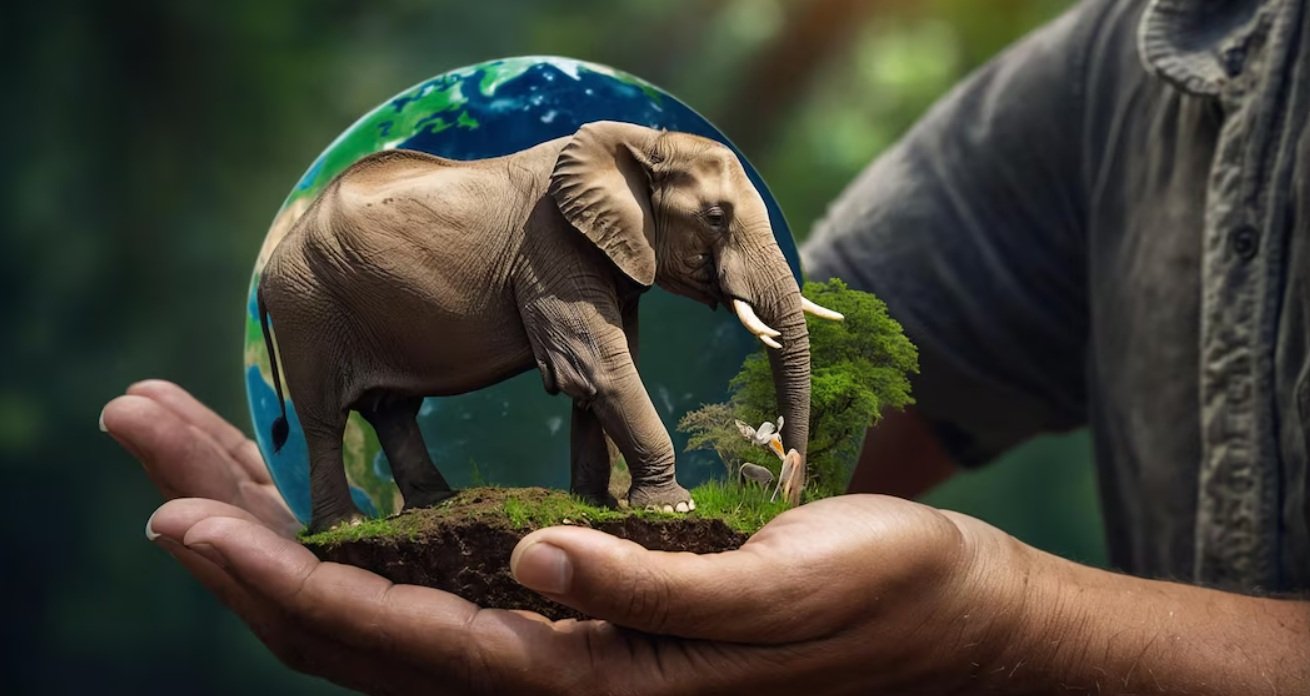
Biodiversity loss caused by extinction significantly impacts ecosystems and the environment. Each species plays a vital role in maintaining ecological balance, and losing even one species can disrupt this harmony. Understanding the interdependence of living organisms and recognising how human activities affect their survival are crucial. By protecting endangered species and their habitats, we also safeguard our planet’s stability and overall health.
Preserving animal diversity and addressing animal protection concerns
We must preserve animal diversity to maintain the vast range of species inhabiting our planet. By focusing on protection and management of wildlife, we ensure the continued survival of extraordinary species and the ecosystems they support. This includes implementing habitat protection plans, promoting sustainable lifestyles, and spreading awareness of biodiversity conservation.
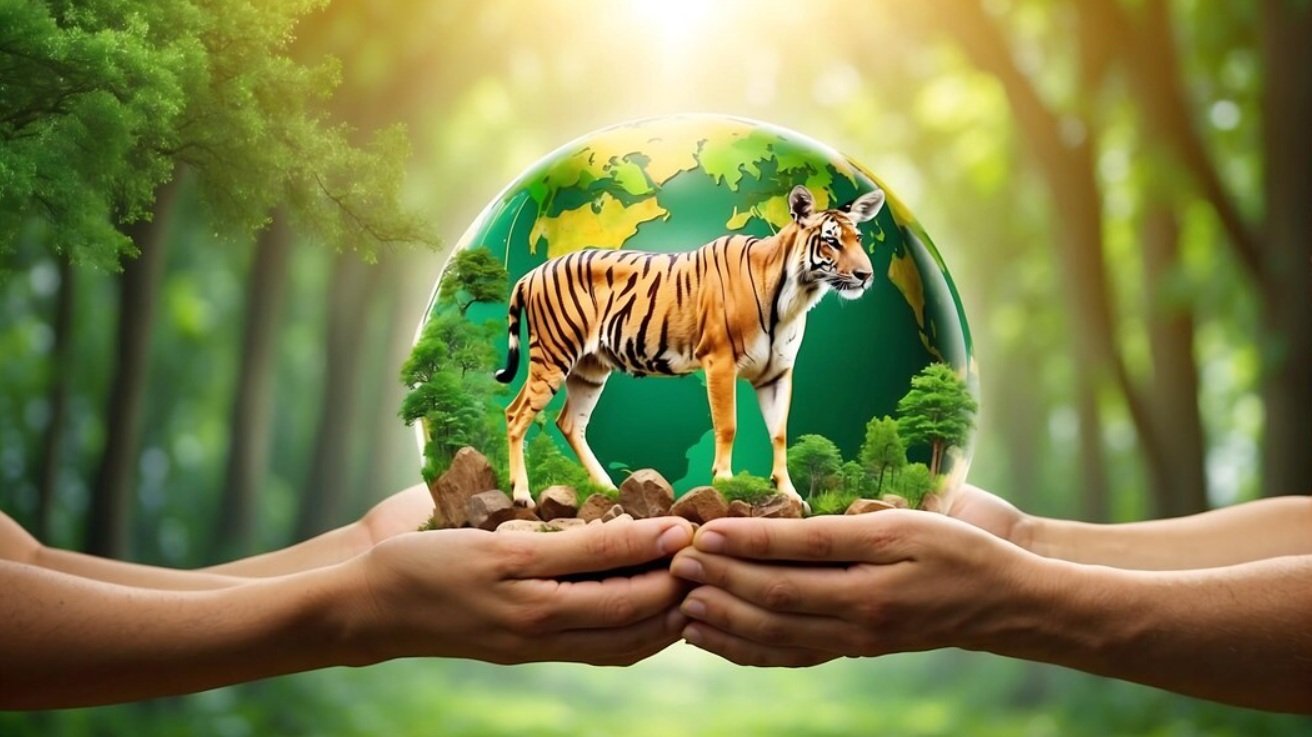
Maintaining Earth’s rich web of life requires prioritising animal diversity conservation. Protecting different species helps preserve their genetic, ecological, and cultural significance. This involves creating safe habitats such as national parks and wildlife reserves.
We must also implement policies to counter threats like pollution, habitat loss, and climate change.
Recommendations for pet owners and beloved pets
Advice for animal companions and pet owners: Proper care requires meeting your pet’s nutritional needs through a balanced diet. Provide wholesome food, clean water, and monitor their weight to maintain a healthy size. Regular exercise supports both the physical and mental wellbeing of your pet. Encourage activity through interactive play, fetch, or daily walks.
Routine veterinary visits remain essential for good pet health. Pets require periodic check-ups, vaccinations, and parasite protection such as flea and tick treatment. Prioritising mental health is equally important for a happy, well-adjusted pet.
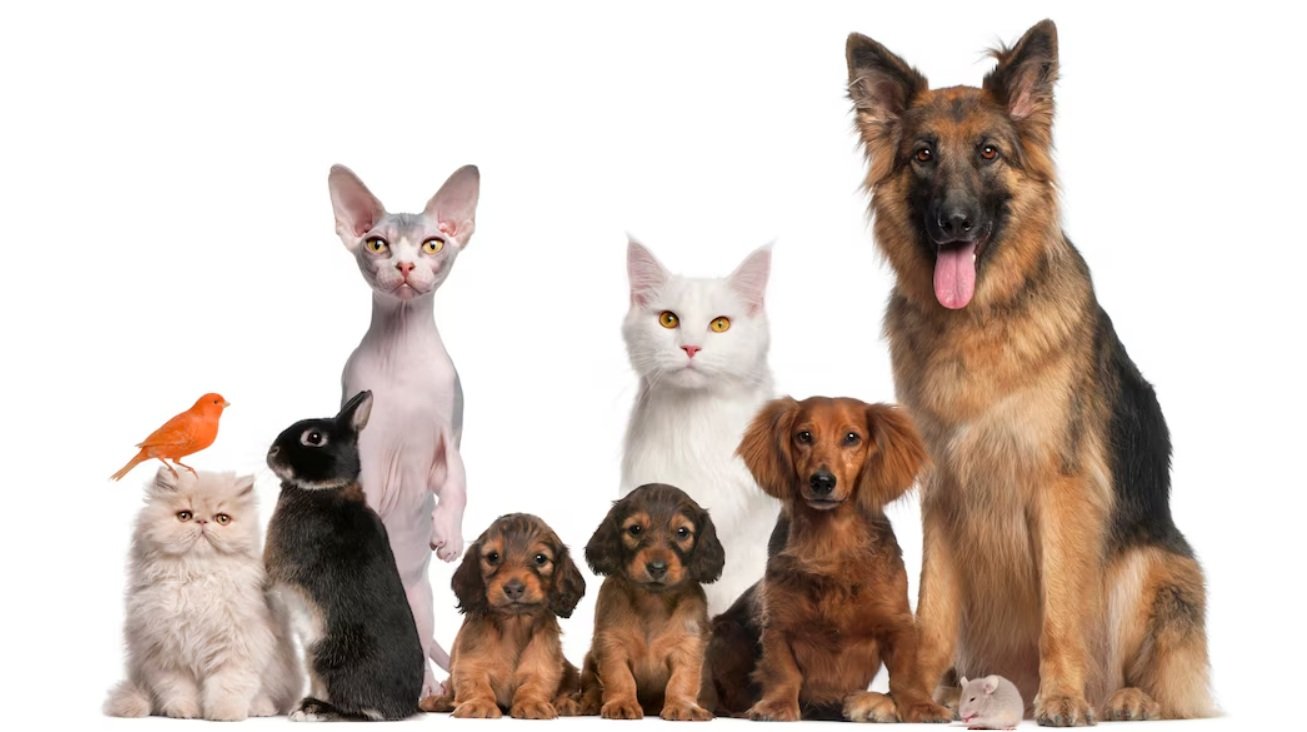
Maintaining your pet’s overall health requires regular exercise, a balanced diet, and grooming. Socialisation and proper training also remain vital aspects of responsible pet ownership. A happy and healthy pet depends on a secure, comfortable home and attentive care to meet all their needs.