Comprehending the complexities of the animal world is an advantageous skill that includes a broad spectrum of knowledge about different species. This includes an understanding of animals’ behavior, habitats, and distinctive features, in addition to fundamental information about them. People who are well-versed in animal facts are better able to recognize the variety of life on Earth and the significance of conservation initiatives. When examining and safeguarding various species, it also helps scientists and researchers to make well-informed judgments.
Discovering the intriguing field of zoology—which studies animals and their interactions with their surroundings—entails learning about interesting animal facts. Animal anatomy, physiology, and taxonomy are just a few of the many subjects covered in this area of study. Through investigating these regions, people may learn more about how creatures have changed throughout time and adapted to their environments. For conservationists to identify dangers to various species and create plans to conserve them, this information is essential.
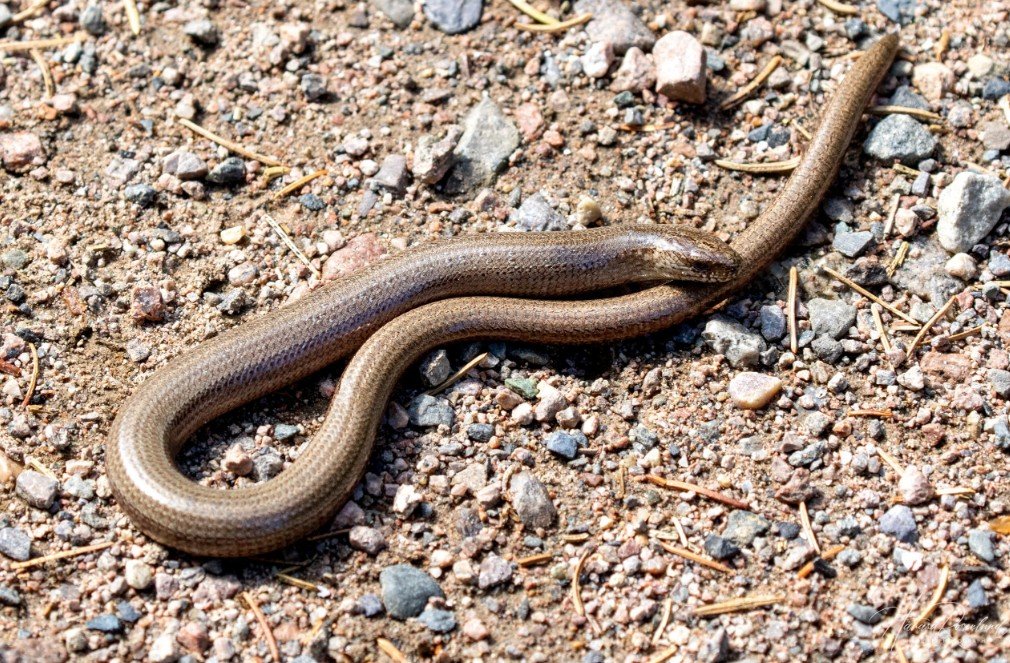
The slow worm, also known as the blind worm or legless lizard, is a species of reptile found in Europe and parts of Asia. Despite its snake-like appearance, the slow…
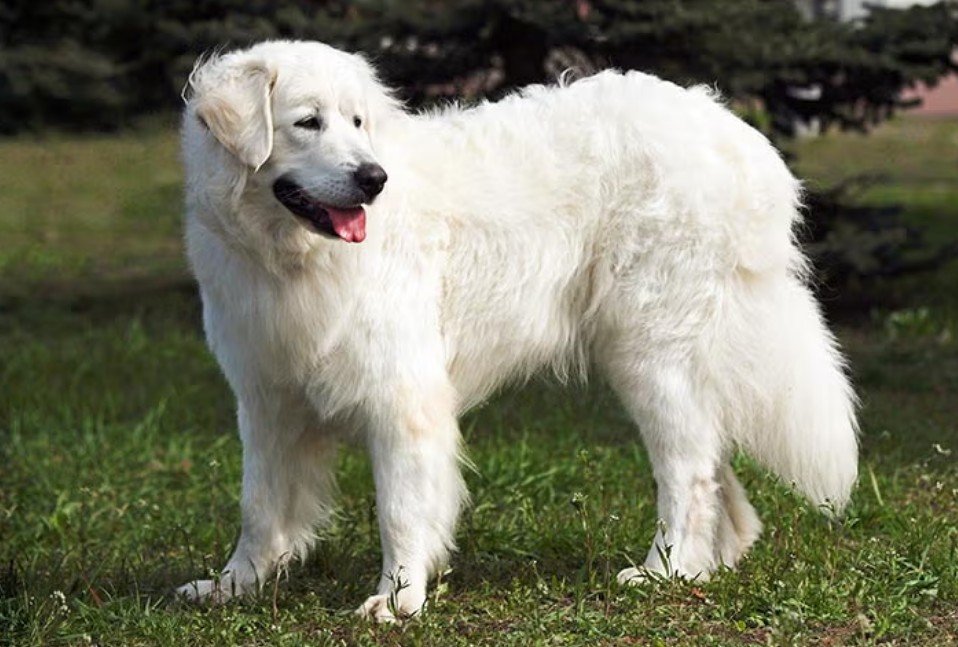
The Slovak Cuvac is a large, strong, and intelligent breed of livestock guardian dog originally from Slovakia. Known for its loyalty and protective instincts, the Slovak Cuvac has been traditionally…
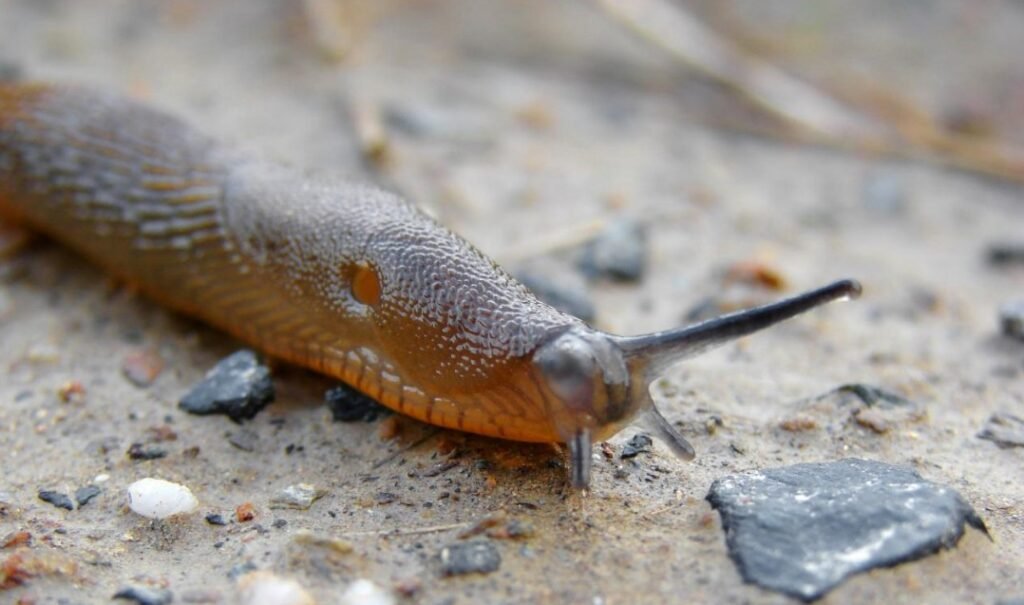
Slugs are a group of soft-bodied, gastropod mollusks that are closely related to snails, but lack the characteristic hard shell. They are commonly found in moist environments, such as gardens,…
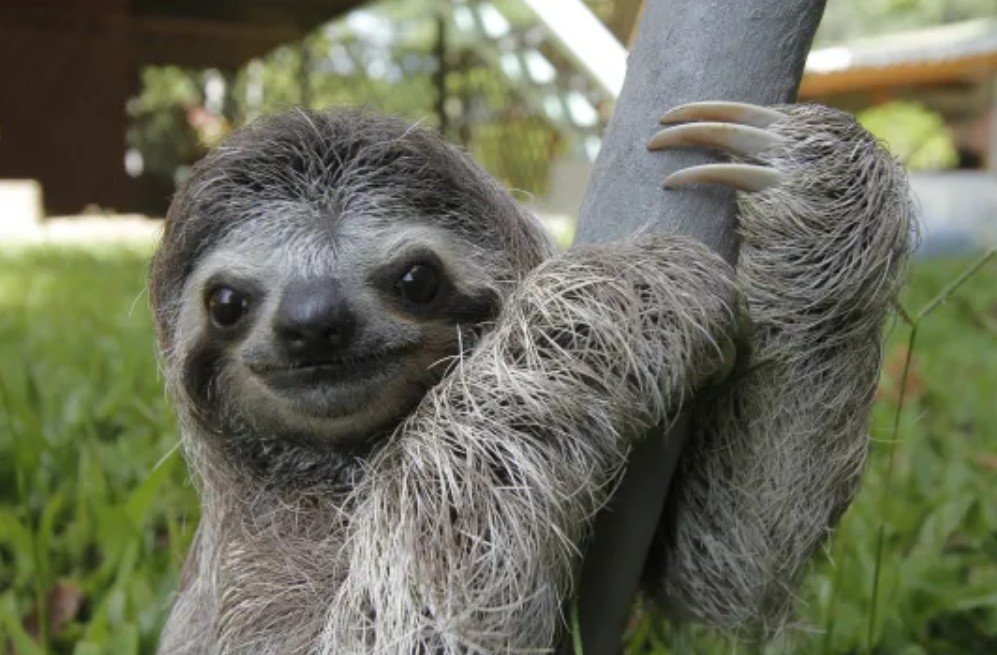
Sloths are slow-moving, tree-dwelling mammals known for their relaxed lifestyle and distinct appearance. Found in the rainforests of Central and South America, sloths spend most of their lives hanging upside…
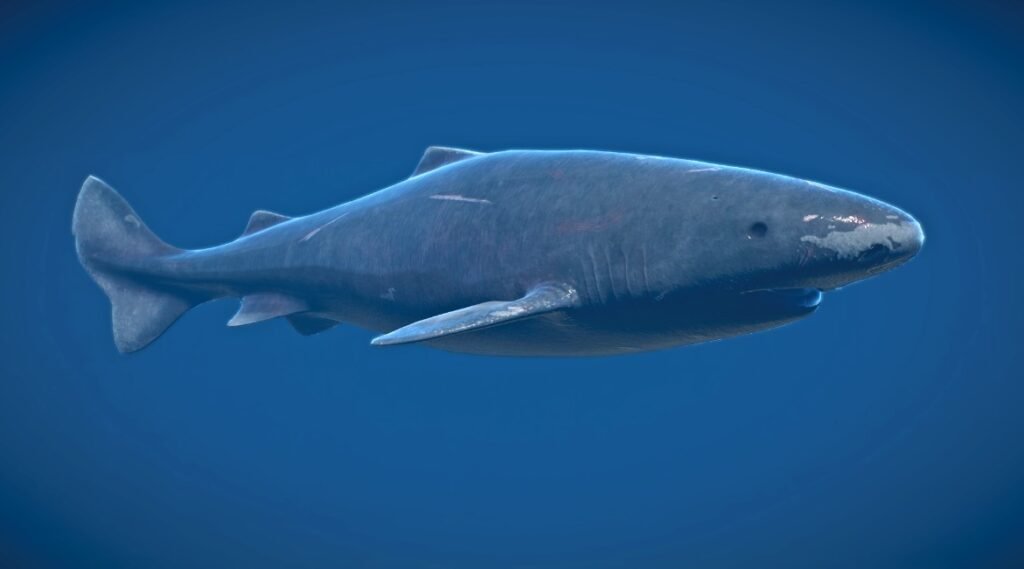
The sleeper shark is a deep-sea shark known for its slow-moving nature and elusive behavior. Found in cold waters, primarily in the North Pacific and Arctic Oceans, sleeper sharks are…
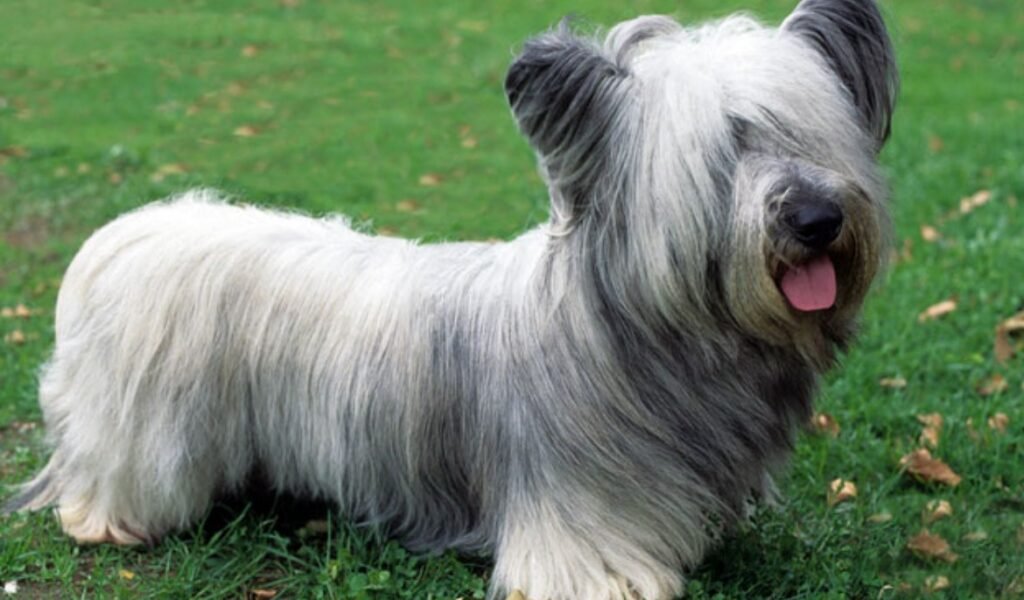
The Skye Terrier is a distinctive breed known for its long, flowing coat and bold, courageous personality. Originating from the Isle of Skye in Scotland, this breed was traditionally used…
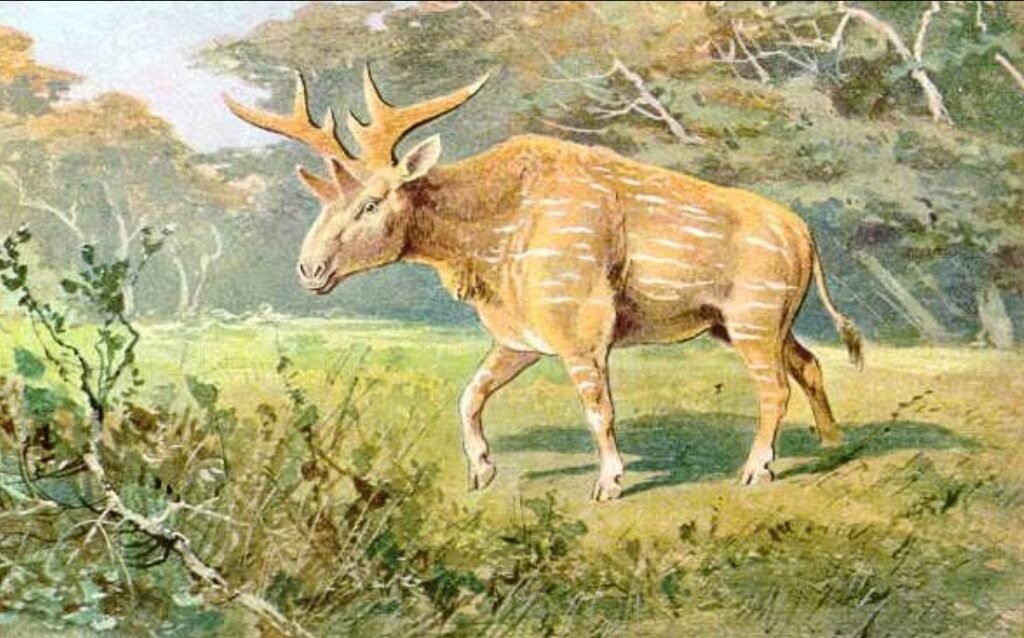
Sivatherium is an extinct genus of giraffid that lived during the Pleistocene and Pliocene epochs. Known for its impressive size, Sivatherium resembled a giant giraffe with antler-like horns on its…
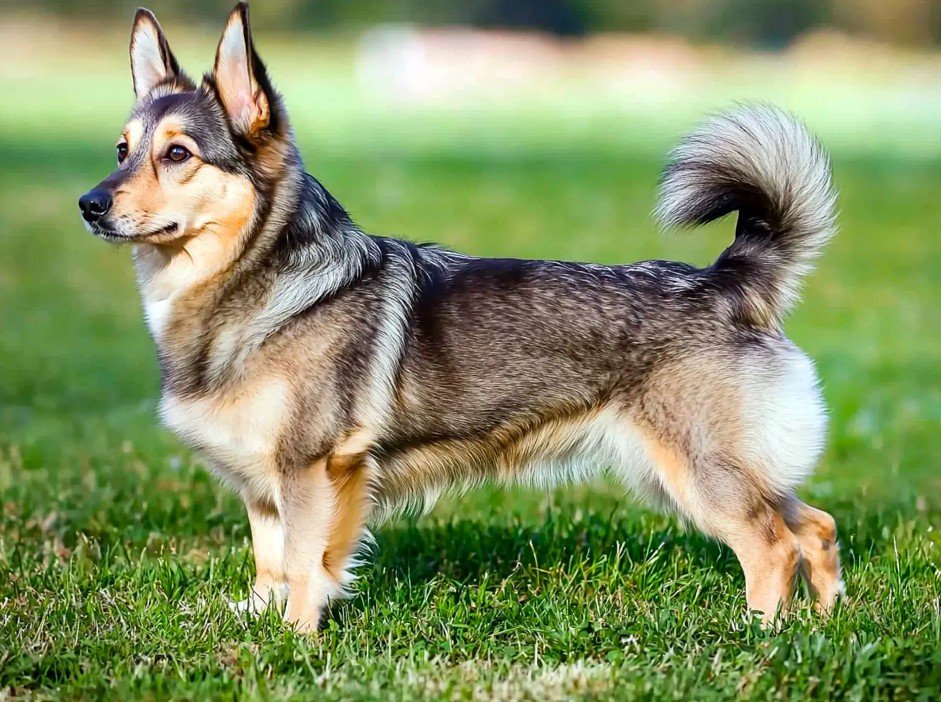
The Swedish Vallhund is a small, energetic dog breed with a strong herding instinct. Known for its wolf-like appearance, the Vallhund has a long history dating back to the Viking…
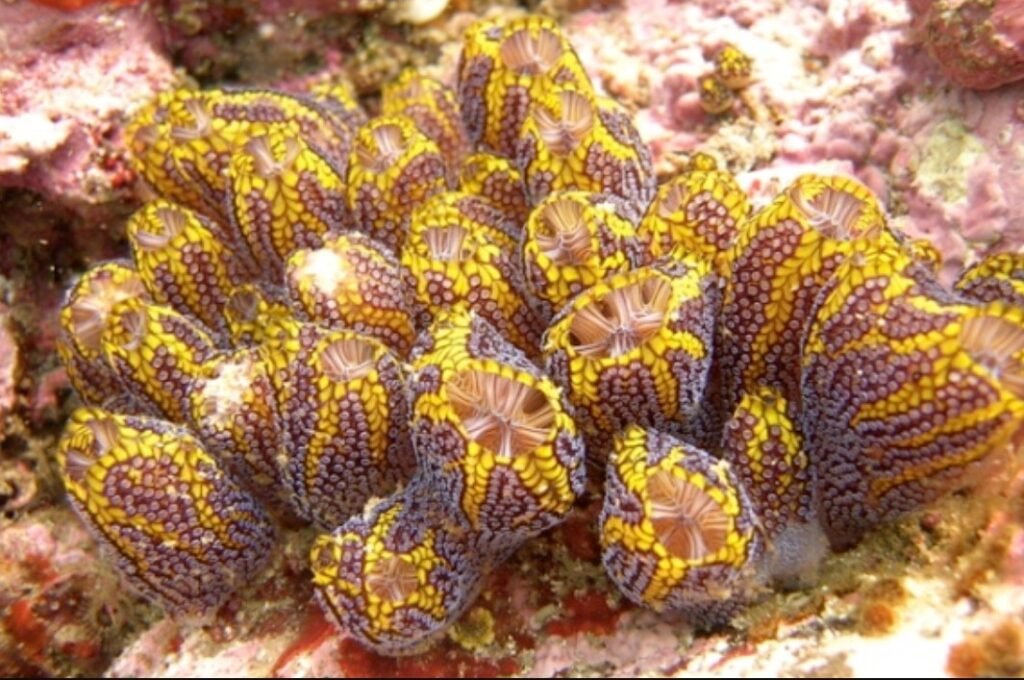
Sea squirts, also known as tunicates, are marine invertebrates that belong to the phylum Chordata, the same phylum that includes vertebrates. They are named for their ability to squirt water…
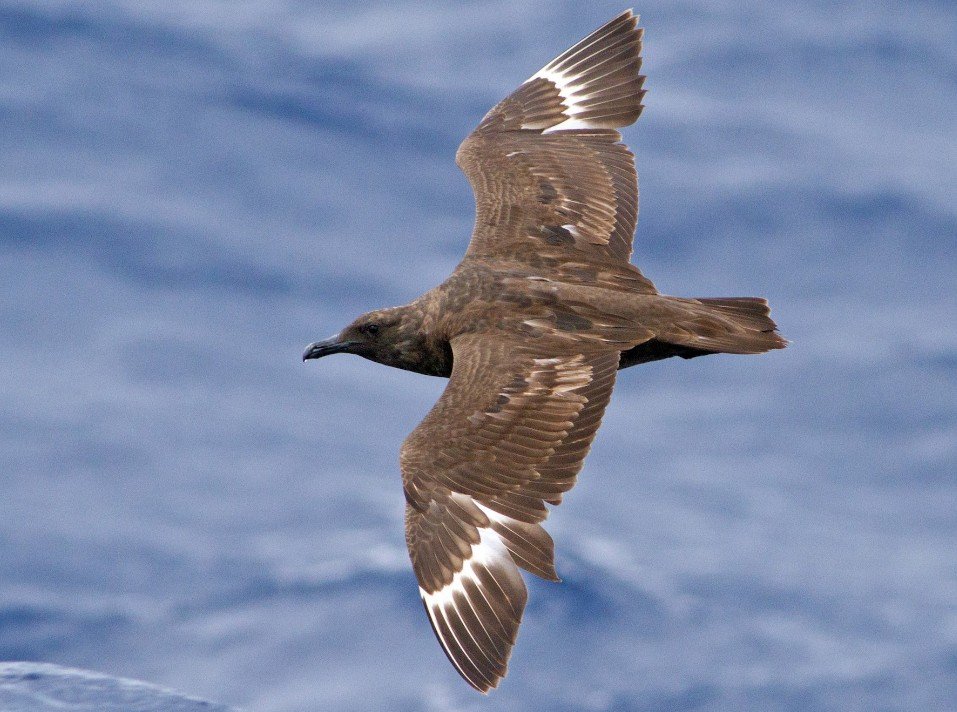
Skuas are large seabirds found in the northern and southern hemispheres. Known for their aggressive behavior, skuas are often referred to as the "pirates of the seabird world" due to…
Simbakubwa is an extinct genus of giant carnivorous mammal that lived during the Miocene epoch, around 23 to 5 million years ago. This creature, which resembled a large cat or…
The Silky Terrier is a small, energetic dog breed that originates from Australia. Known for their beautiful, silky coat and lively personality, these dogs are often confused with the Yorkshire…