1. Endangered Species: Many animal species are in danger of becoming extinct, which is a serious problem that the world is now dealing with. In order to save these delicate species and maintain biodiversity, this worrying scenario demands quick attention and intervention. Any species’ extinction has the potential to seriously upset the fragile environmental balance and upend the complex web of life on Earth.
Around the world, initiatives are being undertaken to adopt conservation strategies and increase public awareness of endangered species. Governments, people, and conservation groups are collaborating to identify and safeguard ecosystems, impose stringent laws against poaching and the illicit wildlife trade, and advance sustainable practices. In addition, efforts are being made to restore their natural habitats and boost the population of endangered species via breeding programs and reintroductions.
2. Vanished animals: Throughout history, our world has seen a number of amazing animals vanish, leaving only shattered remnants of their former lives. Once abundant and diversified, these extinct creatures are now a part of Earth’s history. Their disappearance may be attributed to a variety of factors, including pollution, overhunting, habitat damage, and human activity.
In addition to losing their distinct features and attractiveness, these extinct creatures also lost the important responsibilities they performed in their particular environments. Every species filled a certain niche and contributed to the natural order. A single species’ demise may have a domino effect on other species, upsetting the complex web of life.
In order to learn from the past and stop more biodiversity loss, it is imperative that we comprehend the causes and effects of these extinctions. Scientists learn about the vulnerability of ecosystems and the significance of conservation efforts by researching extinct creatures. It is our duty to save the remaining threatened species and make sure that future generations may enjoy the astounding variety of life on Earth.
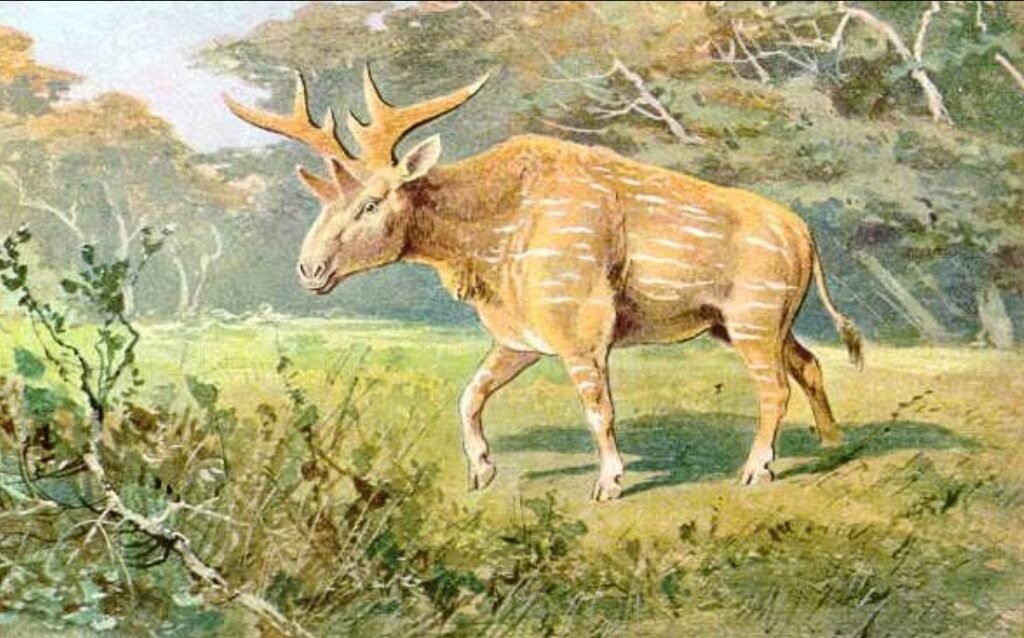
Sivatherium is an extinct genus of giraffid that lived during the Pleistocene and Pliocene epochs. Known for its impressive size, Sivatherium resembled a giant giraffe with antler-like horns on its…
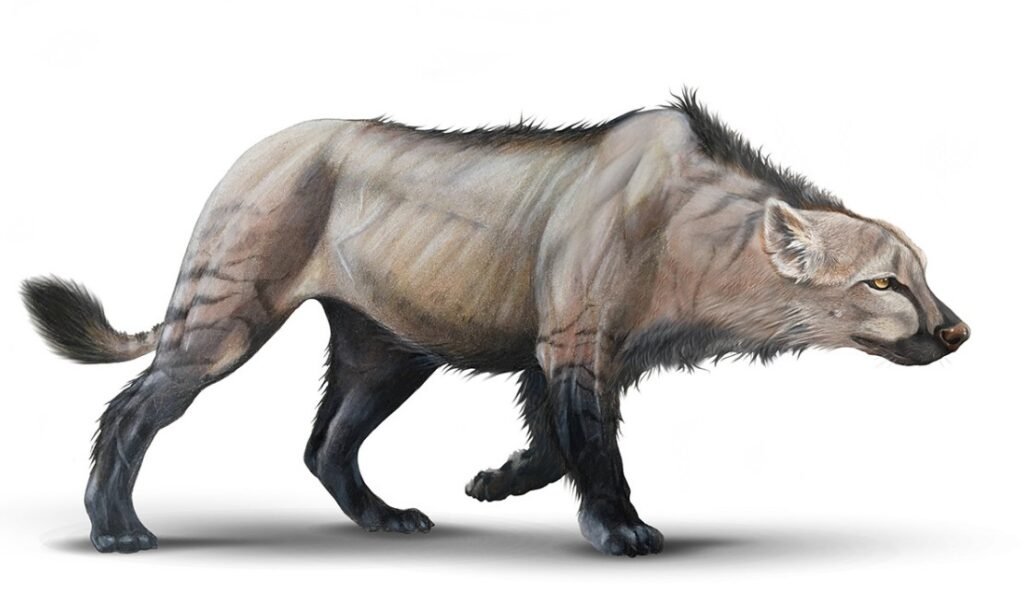
Simbakubwa is an extinct genus of giant carnivorous mammal that lived during the Miocene epoch, around 23 to 5 million years ago. This creature, which resembled a large cat or…
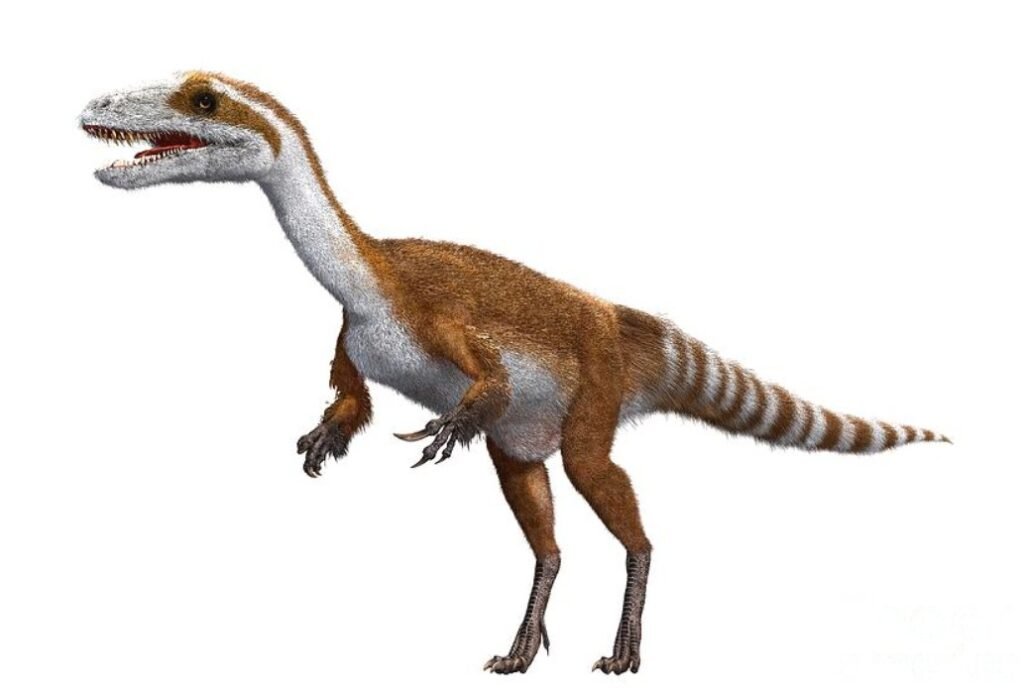
Sinosauropteryx is an extinct genus of small theropod dinosaurs from the Early Cretaceous period. It is notable for being one of the first dinosaurs discovered with evidence of feathers, making…
Shantungosaurus is a species of hadrosaurid dinosaur that lived during the Late Cretaceous period, around 70 million years ago. It is one of the largest known hadrosaurids, growing up to…
The Shastasaurus is an extinct genus of ichthyosaur that lived during the Late Triassic period, approximately 200 million years ago. It was one of the largest marine reptiles of its…
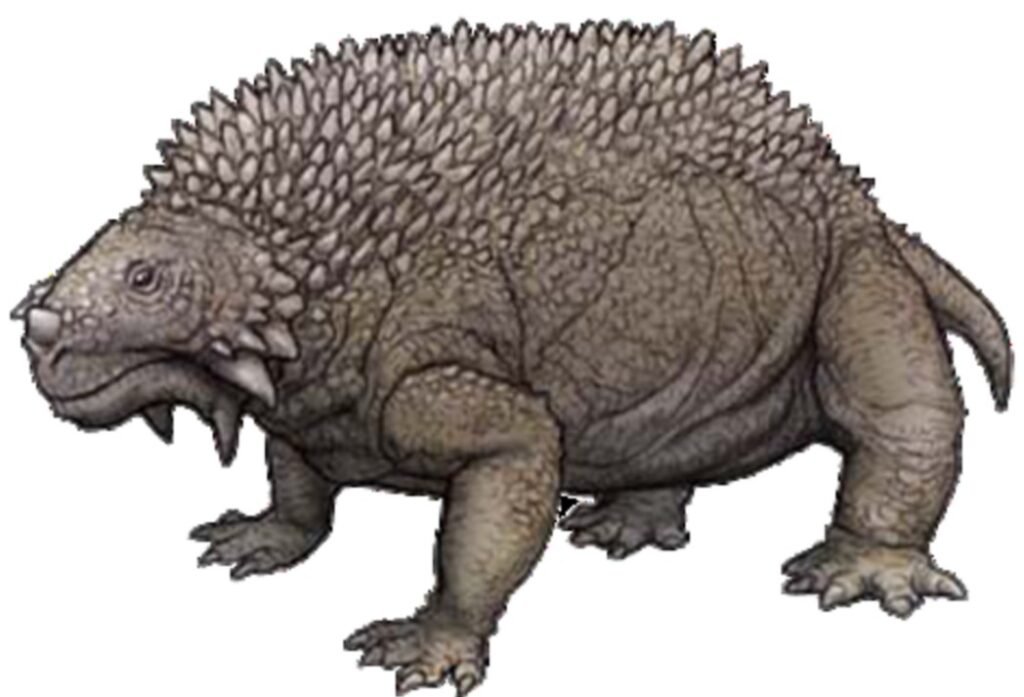
Scutosaurus was a large, herbivorous reptile that lived during the late Permian period, around 260 million years ago. Known for its heavily armored body and massive size, Scutosaurus is one…
Seymouria is an extinct genus of amphibian-like reptiles that lived during the late Carboniferous and early Permian periods, approximately 290 million years ago. Seymouria was one of the first vertebrates…
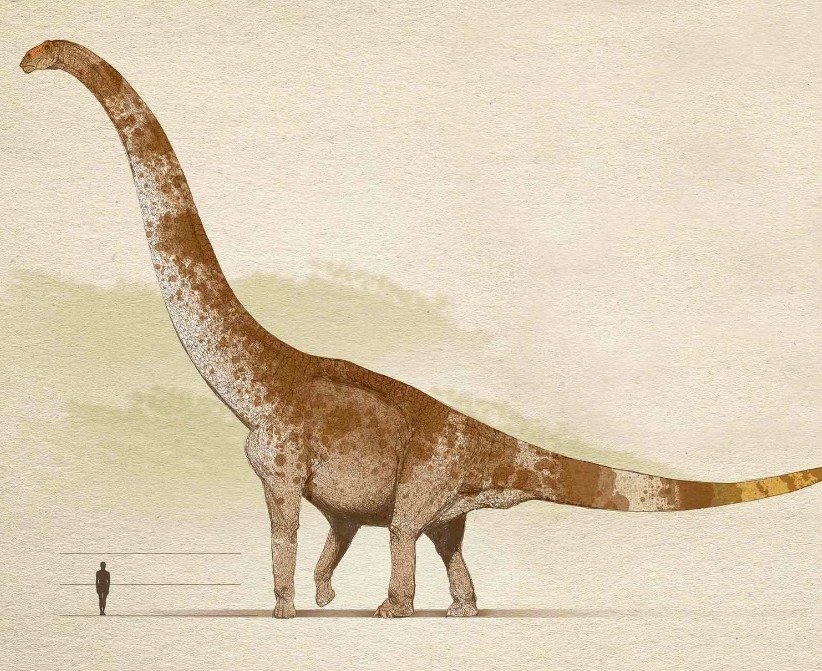
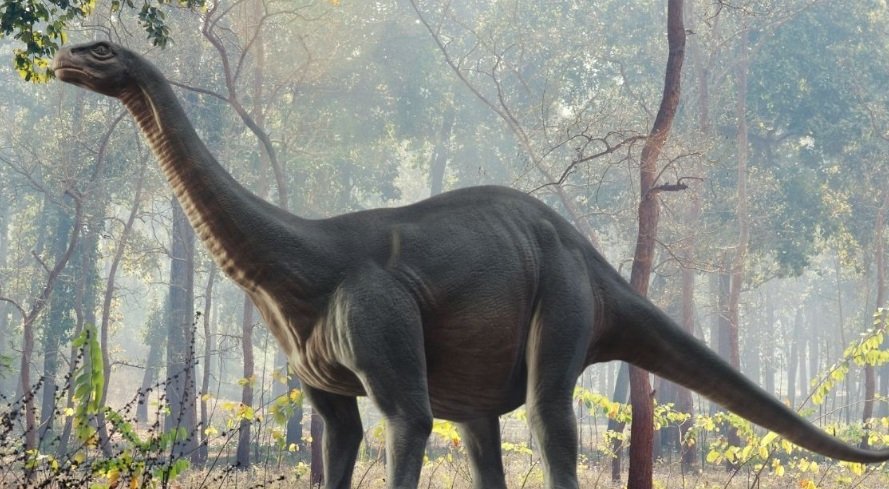
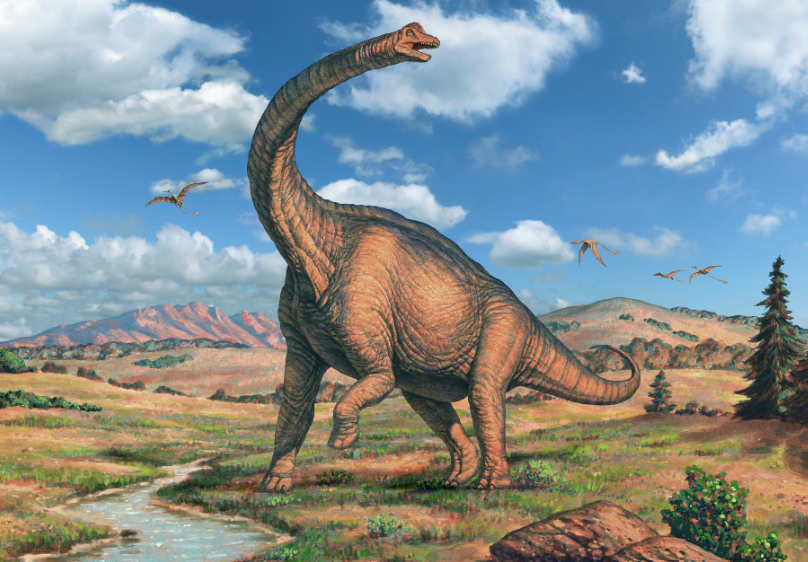
Sauropoda is a group of large, long-necked dinosaurs known for their immense size and herbivorous diet. These dinosaurs roamed the Earth during the Mesozoic Era, with the first species appearing…
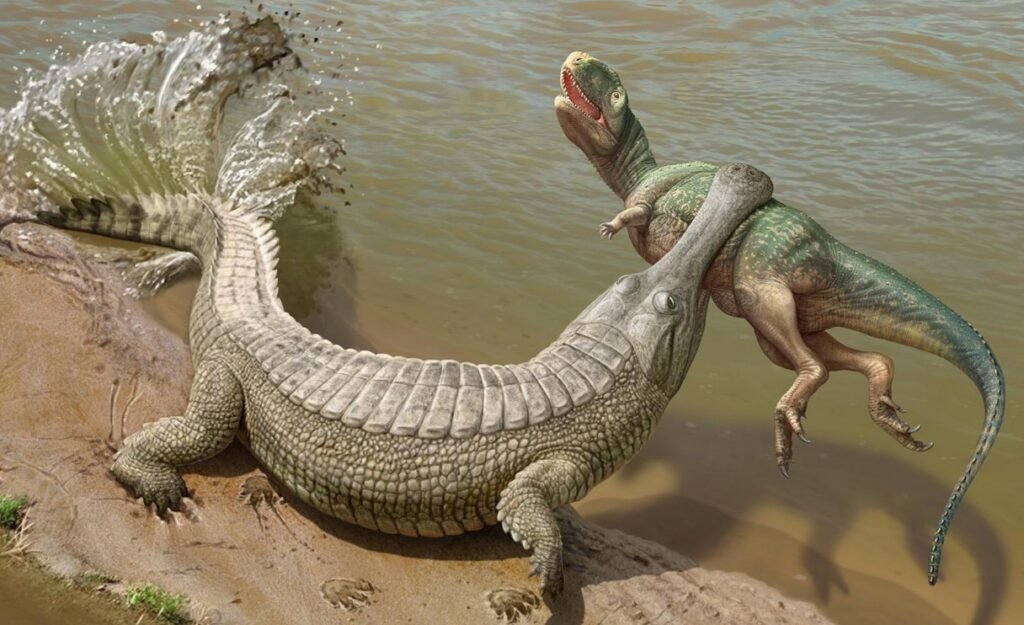
Sarcosuchus, often referred to as the "super croc," was a massive, prehistoric crocodyliform that lived during the Cretaceous period, around 112 million years ago. Known for its enormous size and…
Smilosuchus was a large, predatory reptile from the Late Triassic period. It is considered one of the earliest crocodyliforms and had an elongated body, a large skull, and powerful jaws.…