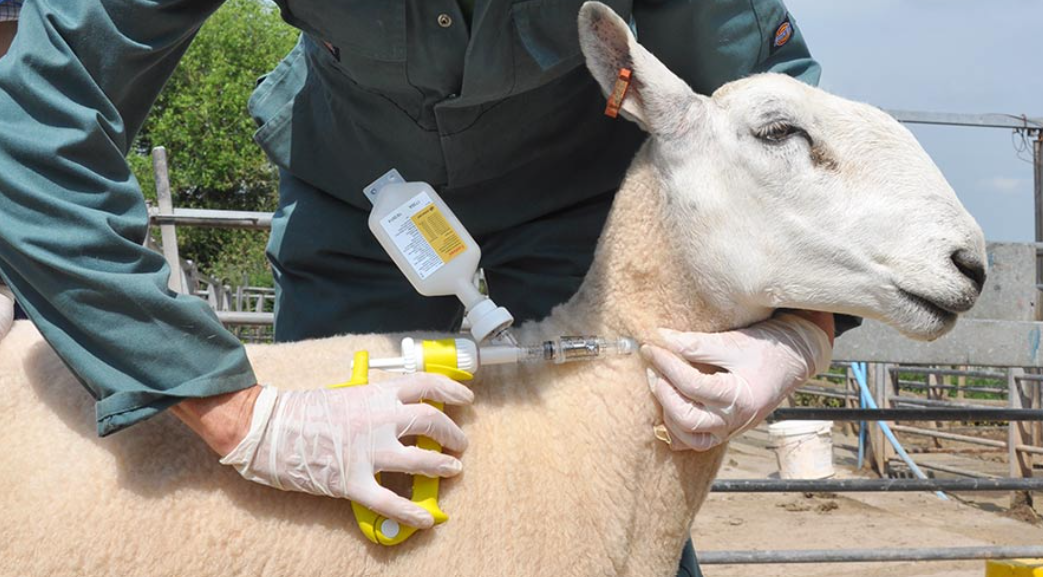
Wildlife Vaccination Conservation
Vaccinating wildlife plays an essential role in maintaining the health and welfare of diverse animal species. This conservation practice involves carefully planned vaccine delivery to wild animals in order to protect them from infectious diseases and prevent outbreaks from spreading through ecosystems. Wildlife vaccination requires specialised training, scientific expertise, and ethical field practices to ensure vaccines remain effective and safe for both animals and their habitats.
Importance of Vaccine Administration
Administering vaccines to wildlife supports biodiversity and helps maintain the delicate balance of natural ecosystems. By immunising wild animals against diseases that can spread to domestic animals, conservationists reduce the risk of outbreaks with potentially devastating ecological consequences. This preventative approach protects individual animals while strengthening population resilience and supporting long-term wildlife conservation efforts.
Challenges and Considerations
Vaccinating wildlife presents unique challenges due to the diversity of species, habitats, and behavioural patterns involved. Conservation teams must plan carefully to ensure the safe capture, handling, and vaccination of wild animals. In addition, wildlife immune systems often differ from those of domestic animals, making vaccine development and species-specific testing a complex scientific process.
Immunisation Against Diseases
Further challenges arise from reaching remote locations and monitoring vaccinated populations over time. Despite these difficulties, wildlife vaccination remains a vital tool for protecting animal health and preserving natural environments. Vaccines help prevent infectious diseases that could otherwise cause population declines, biodiversity loss, or even extinction in vulnerable species.
Preventing Animal Disease Spread
One of the most important benefits of wildlife vaccination is the prevention of disease transmission between animals. Wild animals often live in close proximity, creating ideal conditions for rapid disease spread. Vaccination builds population-level immunity, reduces transmission risk, and helps safeguard the overall health of ecosystems.
Reducing Zoonotic Transmission
Vaccinating wildlife also plays a critical role in preventing diseases that spread from animals to humans. Many infectious diseases, such as rabies and avian influenza, affect both animals and people. By immunising wildlife populations, conservation programmes reduce the risk of zoonotic disease transmission and contribute directly to public health protection.
Additionally, wildlife vaccination supports the conservation of endangered species. Habitat loss and reduced genetic diversity make threatened animals especially vulnerable to disease. Immunising these populations strengthens their defences and improves their chances of long-term survival in the wild.
Logistical Vaccination Challenges
Unlike domestic animals, vaccinating wildlife involves significant logistical complexity. Successful programmes rely on collaboration between veterinarians, wildlife biologists, conservation organisations, and local authorities. Despite these obstacles, vaccinating wildlife protects not only individual animals but also the integrity of entire ecosystems, making it a cornerstone of modern conservation strategy.
Disease Control Outcomes
Diseases can severely impact wildlife populations, sometimes leading to sharp declines or extinction. Wildlife vaccination acts as a proactive measure to control and prevent disease spread. For example, vaccinating raccoons against rabies has successfully reduced transmission risks to humans, domestic animals, and other wildlife by creating a protective immunity barrier.
Protecting Human Health
Vaccination programmes protect more than wildlife alone. Immunising animals helps prevent the spread of diseases such as rabies, avian influenza, and distemper, which affect multiple species. By vaccinating wild birds against avian influenza, conservationists help protect domestic poultry and reduce risks to human health.
Distemper vaccination offers another example, as this highly contagious viral disease affects species such as foxes, raccoons, and skunks. Immunising wildlife reduces outbreak risks and protects household pets that may come into contact with infected animals.
Immunisation Programme Strategies
Some diseases, including Lyme disease, spread through ticks that rely on wildlife hosts. Vaccinating small mammals such as mice and chipmunks can reduce the prevalence of tick-borne diseases in humans. Overall, wildlife immunisation programmes play a key role in disease prevention, ecosystem stability, and population management.
Conservation Environmental Initiatives
Wildlife vaccination forms a crucial part of environmental conservation initiatives aimed at protecting threatened species and their habitats. Immunisation prevents disease-driven population collapse and improves survival rates, contributing directly to biodiversity preservation.
One successful example involves the California condor, one of the world’s most endangered bird species. Vaccination programmes against West Nile virus have prevented disease spread and helped conserve this critically threatened population.
Ecosystem Balance Protection
Vaccines protect not only individual species but also the balance of entire ecosystems. Disease-related population declines can trigger cascading effects across food chains. For instance, a sharp decline in herbivores reduces food availability for predators, destabilising the wider ecological system.
Zoonotic Disease Prevention
Wildlife vaccination reduces the risk of diseases spreading from animals to humans, particularly in high-biodiversity areas such as national parks. Scientists, conservation organisations, and local communities work together through field research, monitoring, and vaccination programmes to reduce zoonotic risks.
Biodiversity Preservation Support
Overall, wildlife vaccination represents a powerful conservation tool. It supports biodiversity preservation, protects vulnerable species, maintains ecosystem balance, and reduces the spread of zoonotic diseases. These programmes also help prevent animal diseases from evolving into potential human pandemics.
Avian Influenza Control
Immunising wild birds against avian influenza provides a clear example of effective wildlife vaccination. Migratory birds can spread viruses over long distances, increasing risks to farmed poultry and humans. Carefully coordinated vaccination programmes reduce transmission while accounting for species-specific biological needs.
Ecological Equilibrium Protection
Animal immunisation protects ecological equilibrium while indirectly improving public health by reducing disease transmission from animals to humans. Many species play essential ecological roles, such as pollination and insect control. Disease-driven population declines could disrupt agriculture and natural systems alike.
Population Health Benefits
Vaccinating bats against white-nose disease illustrates how immunisation supports population health. This fungal disease has devastated bat populations in North America. As bats help control agricultural pests, protecting them preserves ecological balance and prevents economic harm. Wildlife vaccination therefore benefits ecosystems, agriculture, and human wellbeing alike.