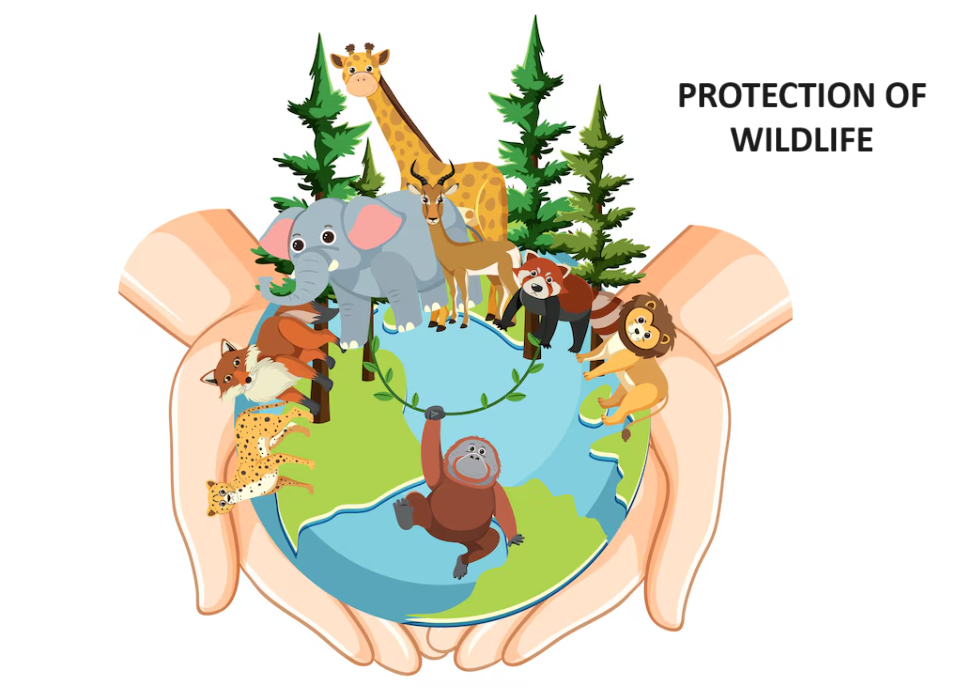
Wildlife Definition and Ecosystem Role
Wildlife plays a vital role in maintaining ecological balance and supporting the overall health of the planet. Wild animals contribute to food chains, nutrient cycling, and ecosystem stability. However, many wildlife species now face a growing risk of extinction due to a range of natural and human-driven threats. These pressures create serious challenges for animal survival across the globe and demand urgent conservation attention.
Global Wildlife Threat Overview
Wildlife around the world faces numerous threats that endanger species survival and disrupt fragile ecosystems. One of the most significant pressures comes from habitat loss caused by deforestation, urban development, and expanding agriculture. When natural habitats shrink or become fragmented, animals struggle to access sufficient food, shelter, and breeding areas, leading to population declines and, in some cases, extinction.
Poaching and Illegal Trade
Poaching and illegal wildlife trade represent severe threats to global biodiversity. Animals such as elephants, rhinos, and tigers are targeted for their valuable body parts, which remain in high demand on illegal markets. This exploitation not only reduces wildlife populations but also destabilises ecosystems. Poachers frequently use snares, poisons, and traps, causing extreme suffering and indiscriminate deaths among wildlife species.
Climate Change Impacts Wildlife
Climate change increasingly threatens wildlife populations worldwide. Rising temperatures, shifting rainfall patterns, and more frequent extreme weather events disrupt ecosystems and alter resource availability. These changes can affect species distribution, migration routes, and the timing of breeding and feeding cycles. As a result, entire ecosystems may suffer knock-on effects, reducing essential services such as pollination and seed dispersal. Immediate climate-focused conservation action is essential to protect vulnerable wildlife species.
Major Wildlife Threats Explained
Habitat Loss Fragmentation
Habitat loss and fragmentation remain among the most serious threats to wildlife. Growing human populations drive land conversion for infrastructure, urban expansion, and agriculture, leaving animals with limited living space. As habitats shrink, wildlife must compete for fewer resources, which disrupts natural ecological balance.
Habitat fragmentation occurs when large, continuous habitats are divided into smaller, isolated patches. This separation restricts animal movement and makes it harder for species to find mates, food, and suitable shelter, increasing the risk of long-term population decline.
Poaching Illegal Wildlife Trade
Poaching and illegal wildlife trade pose severe risks to species with high commercial value. The illegal killing and capture of animals is driven by demand for ivory, rhino horn, fascinating pets, and traditional medicines. This activity accelerates population decline and undermines long-term wildlife conservation efforts.
Human Habitat Encroachment
Human settlement expansion further intensifies wildlife threats. Encroachment into natural habitats increases human-wildlife conflict and disrupts ecosystem processes. For example, elephant poaching for ivory has reduced populations and altered savannah ecosystems, where elephants play a key role in vegetation control and seed dispersal.
Climate Change Effects
Climate change significantly alters wildlife habitats and life cycles. Rising temperatures, unpredictable rainfall, and extreme weather events disrupt breeding patterns and food availability. Some species struggle to adapt quickly enough, leading to declining populations and heightened extinction risk.
Extreme Weather Impacts
Rising sea levels and warming oceans threaten marine wildlife, while coral bleaching damages reef ecosystems that support countless species. Sea turtle nesting beaches, for instance, face increased flooding and temperature changes that affect hatchling survival.
Pollution Impact on Wildlife
Water, air, and land pollution pose serious threats to wildlife health. Industrial waste, agricultural chemicals, and pesticides contaminate habitats and food sources, leading to illness, reduced reproduction, and population decline across many animal species.
Plastic Pollution Marine Life
Plastic pollution severely affects marine ecosystems. Many marine animals mistake plastic debris for food or become entangled in waste, causing injury or death. This long-tail environmental threat continues to grow as plastic waste accumulates in oceans and waterways.
Invasive Species Impact
Invasive species can devastate native wildlife when introduced into new environments. Without natural predators, invasive species often outcompete native animals for resources. A well-known example is the brown tree snake in Guam, which caused drastic declines in native bird populations by preying on eggs and chicks.
Wildlife Conservation Initiatives
Conservation initiatives aim to reduce these threats through habitat protection, wildlife monitoring, and sustainable land-use practices. Governments, organisations, and conservation groups work together to preserve biodiversity and restore damaged ecosystems.
Awareness and Conservation Action
Raising awareness and encouraging action are essential for protecting wildlife. Conservation programmes, anti-poaching measures, and sustainable practices help reduce human impact on nature. By understanding and addressing wildlife threats, societies can promote a more balanced and sustainable coexistence with the natural world.
Types of Wildlife Threats
Deforestation Affects Animals
Ocean Acidification Affects Animals
Overexploitation Affects Animals
Pollution Affects Animals
Illegal Wildlife Trade Affects Animals
Climate Change Affects Animals
Culling Affects Animals
Poaching Affects Animals
Habitat Destruction Affects Animals