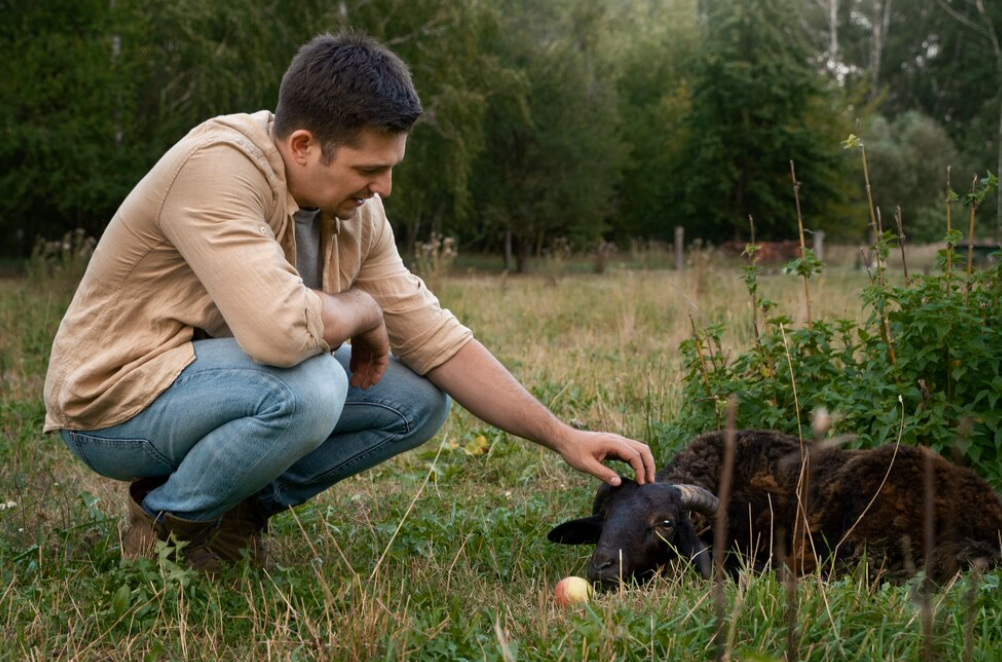
Wildlife Conservation Methods
The term “wildlife conservation” refers to a range of methods and long-term strategies designed to protect animal species and their natural environments, which together form the world’s interconnected ecosystems. One of the most effective wildlife conservation methods involves creating and managing protected areas such as national parks, wildlife sanctuaries, and nature reserves.
Importance of Protected Areas
These protected areas provide a safe refuge where many species can thrive without direct human disturbance or habitat degradation. By enforcing strict regulations and conducting regular monitoring within these regions, conservation authorities help ensure the long-term survival and stability of animal populations and their ecosystems.
Community Involvement in Conservation
Promoting sustainable land and resource management practices represents another essential approach to wildlife conservation. This strategy involves working closely with local communities and stakeholders to develop solutions that balance human needs with the protection of wildlife habitats and ecological integrity.
Benefits of Community Engagement
By encouraging eco-tourism, sustainable agriculture, and responsible forestry practices, conservationists can reduce negative impacts on wildlife while supporting local livelihoods. In addition, implementing policies that reduce pollution and address climate change plays a crucial role in protecting species and preserving their natural habitats.
Public Education and Awareness
Awareness campaigns and educational initiatives form a core component of effective wildlife conservation efforts. By educating the public about biodiversity value, ecosystem services, and threats facing wildlife, conservation organisations inspire individuals to adopt behaviours that support environmental protection.
Educational Outreach Programmes
These initiatives may include public information campaigns across digital and traditional media, community outreach activities, and wildlife education programmes in schools. By fostering a sense of responsibility and environmental stewardship, these efforts help build collective action to protect wildlife for future generations.
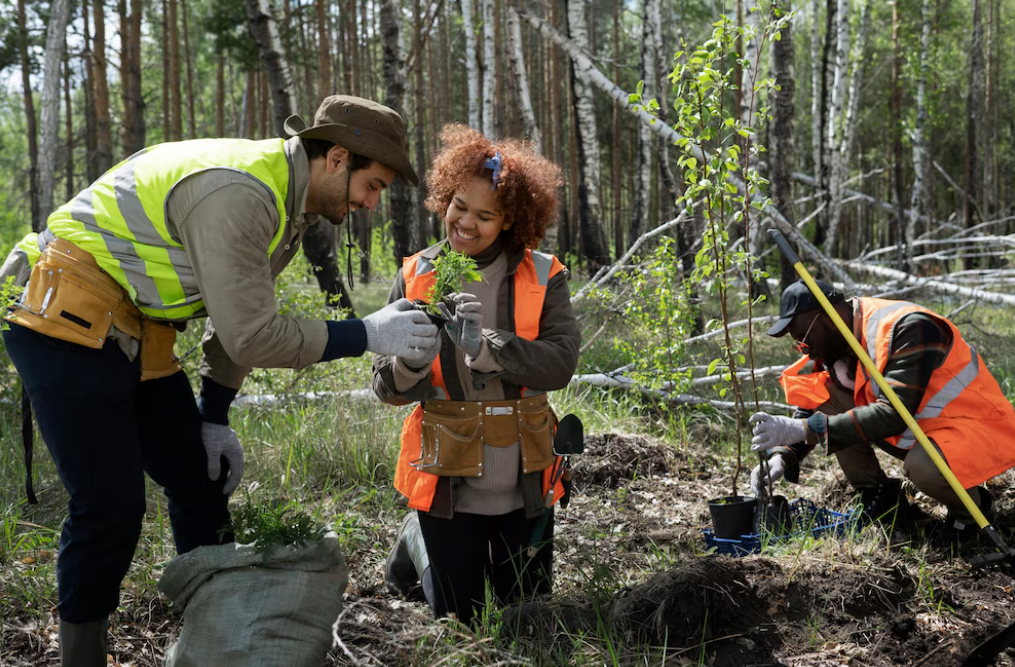
Animal Conservation Strategies
Wildlife conservation focuses on protecting animal species while maintaining habitat diversity and ecological balance. It involves implementing coordinated strategies that support animal survival, genetic diversity, and long-term population stability. This section highlights several widely used global approaches to wildlife conservation.
National Parks and Reserves
The establishment of national parks and protected areas remains one of the most effective wildlife conservation strategies. Authorities designate and manage these areas to preserve natural ecosystems and protect wildlife from excessive human interference, allowing species to flourish in secure environments.
Strengthened Wildlife Protection
Strict regulations within protected zones prevent activities such as illegal logging, hunting, and habitat destruction. These protections support endangered species survival and help maintain ecological balance. National parks also play a key role in scientific research and public education on wildlife conservation.
Habitat Restoration Projects
Habitat restoration represents another vital wildlife conservation strategy. Conservation teams restore degraded or destroyed habitats to their natural condition so animal populations can recover and expand. Restoration methods include erosion control, wetland rehabilitation, and large-scale reforestation.
Importance of Natural Habitats
Restoring ecosystems provides animals with essential resources such as food, shelter, and breeding sites. This approach proves particularly important for specialised species that rely heavily on specific habitats. Habitat restoration also strengthens ecosystem resilience and improves overall environmental health.
Wildlife Corridor Networks
Wildlife corridors are natural or restored landscape strips that connect fragmented habitats. These corridors allow animals to move between environments, supporting genetic diversity and population resilience. They are especially important in regions affected by urban development and intensive agriculture.
Protected Corridor Establishment
By enabling safe movement, wildlife corridors reduce the harmful effects of habitat fragmentation, including isolation and limited resource access. Conservationists establish corridors through habitat restoration, protected land designation, or adaptive landscape planning to support long-term species survival.
Wildlife Monitoring and Research
Effective wildlife conservation depends on detailed knowledge of species behaviour, population trends, and habitat requirements. Ongoing research and monitoring provide essential data that guides conservation planning and adaptive management.
Research and Monitoring Role
Using technologies such as satellite imagery, GPS tracking, and camera traps, researchers gather insights into animal movements, migration routes, and habitat use. This information helps conservationists design effective interventions, assess conservation success, and refine long-term wildlife management strategies.
Community Education Programmes
Community engagement and education form the foundation of sustainable wildlife conservation. Involving local populations in conservation activities builds trust, encourages stewardship, and ensures conservation programmes remain effective over time.
Conservation Education Initiatives
Community-based conservation programmes may include environmental education, skills training, and income-generating initiatives that support sustainable livelihoods. These efforts reduce human–wildlife conflict and promote positive attitudes towards wildlife protection by increasing awareness of ecological value.
Techniques for wildlife protection play a critical role in preserving Earth’s extraordinary animal diversity.
Animal Population Survival
Protected areas, wildlife corridors, habitat restoration, community participation, monitoring, and research collectively strengthen conservation outcomes. By implementing these integrated strategies, societies can ensure the long-term survival and welfare of animal populations for generations to come.