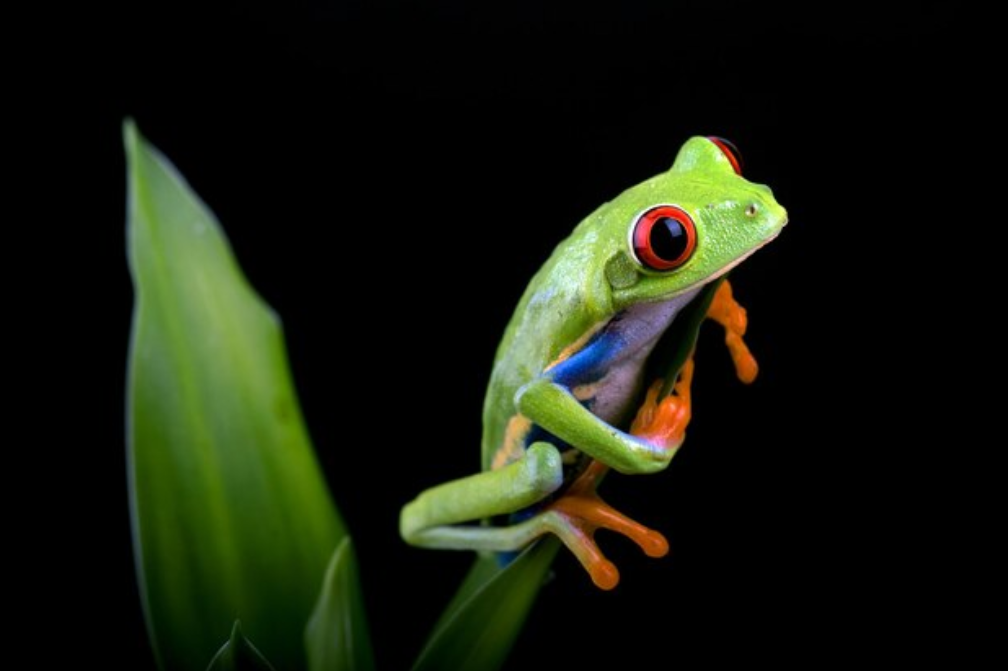
Unique Physical Adaptations in Animals
Animals display a wide range of physical adaptations that help them survive and thrive in their specific environments. These unique characteristics appear in their body structure, movement, and external features. Some species have developed camouflage to blend into their surroundings, giving them an advantage when hunting or avoiding predators. Others possess specialised body parts, such as fins, wings, claws, or shells, that support movement, feeding, or defence within their habitats.
Studying Animal Behaviour and Habitats
Understanding animals requires studying their behaviour, sensory abilities, habitats, and interactions with humans and other species. Many animals have evolved enhanced senses that allow them to perceive the world in ways humans cannot. Some species possess exceptional eyesight or hearing, while others detect vibrations, electrical signals, or chemical cues. Dolphins and bats, for example, use echolocation to navigate, communicate, and locate prey in environments where visibility is limited.
Animal Reproduction and Survival Strategies
Animals also exhibit a remarkable range of reproductive and survival behaviours that support the continuation of their species. These behaviours include complex mating rituals, parental care, social bonding, and cooperative living. While some animals form structured social groups to protect offspring and share resources, others rely on intelligence and problem-solving skills to secure food and overcome environmental challenges. Together, these traits highlight the adaptability and diversity of life on Earth.
Special Characteristics Found in Animals
The animal kingdom contains an extraordinary diversity of species, each shaped by evolution to perform specific roles within their ecosystems. From microscopic insects to large mammals, animals have developed specialised characteristics that allow them to adapt to changing environments, locate food, avoid predators, and reproduce successfully.
Camouflage for Survival Advantage
Camouflage allows animals to blend into their surroundings, making them harder to detect by predators or prey. Chameleons are well known for changing skin colour to match their environment. Other examples include the leafy seadragon, which resembles drifting seaweed, and the snowshoe hare, which changes its fur from brown to white during winter to remain concealed in snowy landscapes.

Echolocation for Navigation and Hunting
Echolocation is a specialised ability used by animals such as bats and dolphins to locate objects, prey, and obstacles. By emitting sound waves and interpreting the returning echoes, these animals create a mental map of their surroundings. This adaptation is especially valuable in dark caves, deep oceans, or murky waters where vision alone is insufficient.
Bioluminescence in Living Organisms
Bioluminescence is the natural ability of certain animals to produce light through chemical reactions within their bodies. This adaptation is common among marine species such as jellyfish, anglerfish, and some plankton. Bioluminescence may be used to attract mates, lure prey, or warn predators. Fireflies, for instance, use flashing light patterns to communicate during mating.
Hibernation as Energy Conservation
Hibernation is a survival strategy that allows animals to conserve energy during periods of cold weather or food scarcity. During hibernation, an animal’s metabolism, heart rate, and body temperature decrease significantly. Bears, bats, hedgehogs, and ground squirrels rely on stored body fat to survive until conditions improve in spring.
Seasonal Migration Across Regions
Migration involves the seasonal movement of animals between regions in search of food, breeding grounds, or favourable climates. Many bird species migrate thousands of kilometres each year. Monarch butterflies travel from North America to Mexico, while salmon migrate from oceans to freshwater rivers to spawn. In Africa, wildebeests undertake large-scale migrations to access fresh grazing land.
Regeneration of Body Parts
Some animals possess the remarkable ability to regenerate lost or damaged body parts. Starfish can regrow missing arms, while certain lizards and geckos can regenerate tails after detachment. Axolotls and other salamanders are especially notable for regenerating entire limbs, including bones, muscles, and nerves, making them of great interest to scientific research.