Animals Grouped by Food
Animals display a wide range of feeding behaviours that reflect their anatomy, digestive systems, and ecological roles. Scientists often classify animals by the primary type of food they consume, which helps explain how species survive, interact with their environment, and maintain ecological balance. Below is a clear overview of animals grouped by their main dietary habits.
Plant Eating Herbivores
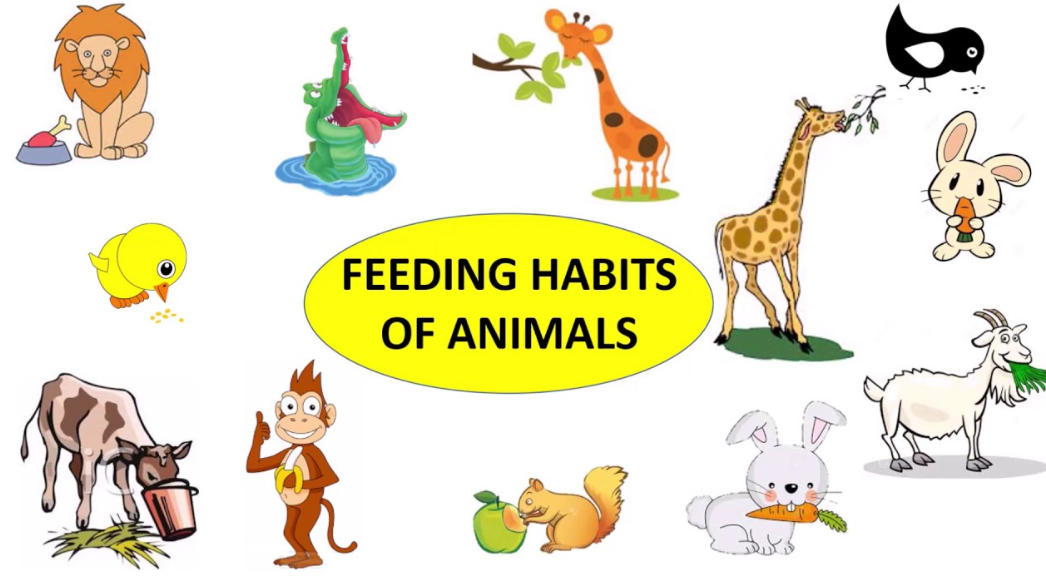
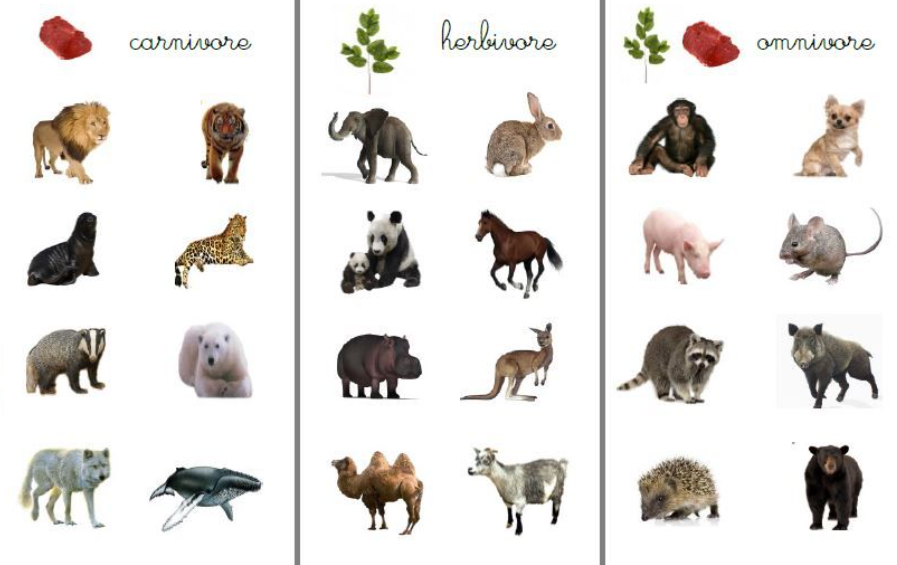
Herbivores are animals that rely mainly on plants, leaves, grasses, fruits, and other vegetation for nutrition. Their specialised teeth and digestive systems allow them to process fibrous plant material efficiently and extract essential nutrients.
Examples of herbivorous animals:
Giraffes: Their long necks enable them to browse leaves from tall trees, particularly acacias.
Cows: As ruminants, cows digest cellulose-rich grasses through a multi-chambered stomach.
Rabbits: Their continuously growing teeth help them chew tough plant fibres effectively.
Meat Eating Carnivores
Carnivores depend entirely on other animals for food. Sharp teeth, strong jaws, and powerful claws help them capture, kill, and consume prey. Many carnivores occupy top positions in food chains.
Examples of carnivorous animals:
Lions: Social predators that hunt large herbivores across African savannahs.
Wolves: Pack hunters that cooperate to bring down deer and other ungulates.
Tigers: Solitary hunters known for strength, stealth, and agility.
Mixed Diet Omnivores
Omnivores consume both plant-based and animal-based foods, allowing them to adapt to diverse environments. Their varied teeth structure supports a flexible and opportunistic diet.
Examples of omnivorous animals:
Bears: Eat fruits, nuts, fish, insects, and small mammals depending on availability.
Pigs: Highly adaptable feeders that consume plants, roots, insects, and small animals.
Raccoons: Opportunistic eaters that forage for fruits, insects, eggs, and small prey.
Insect Eating Insectivores
Insectivores primarily feed on insects and small invertebrates. Many possess elongated snouts, sticky tongues, or specialised teeth designed for catching and consuming prey.
Examples of insectivorous animals:
Hedgehogs: Feed on beetles, worms, and insects using sharp teeth.
Moles: Dig underground tunnels to hunt earthworms and insect larvae.
Anteaters: Use long tongues to consume ants and termites efficiently.
Fish Eating Piscivores
Piscivores are animals whose diet mainly consists of fish. Their streamlined bodies, sharp teeth, and hunting adaptations make them efficient aquatic or aerial predators.
Examples of piscivorous animals:
Ospreys: Birds of prey that dive into water to catch fish with powerful talons.
Seals: Skilled marine hunters that feed on a variety of fish species.
Orcas: Apex marine predators that hunt fish and other marine animals.