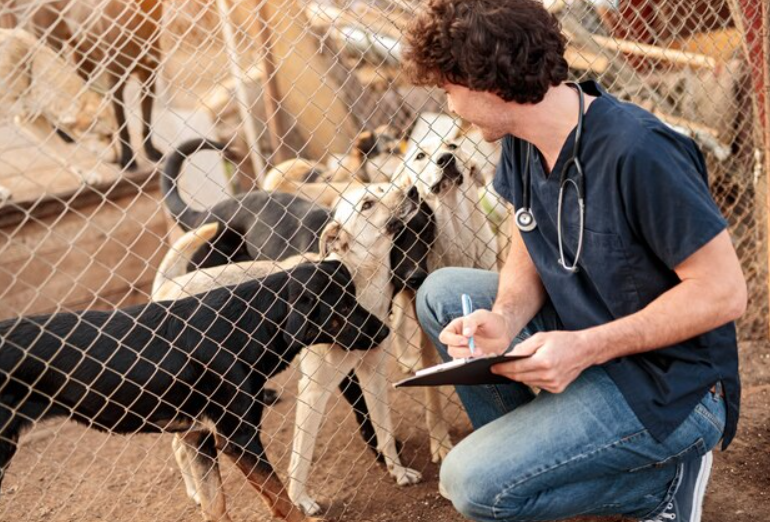
Wildlife monitoring is a widely used practice in animal care institutions to ensure the safety, health, and welfare of animals under their supervision. This process involves closely observing animal health and behaviour both within facilities and in surrounding environments, while also implementing protective measures to reduce risks. Wildlife monitoring plays a vital role in identifying environmental changes, emerging threats, or health concerns that may affect animals, allowing timely intervention and effective mitigation strategies.
Wildlife Monitoring Methods
Animal care facilities rely on direct observation as well as modern monitoring technologies, such as camera systems and tracking devices, to study animal movement and behaviour. These tools provide valuable data that help staff understand behavioural patterns, habitat use, and daily activity. By analysing this information, animal care professionals can make informed, evidence-based decisions that improve wildlife management practices and enhance overall animal welfare outcomes.
Animal Safety Monitoring
Overall, wildlife monitoring remains a cornerstone of responsible animal care, as it helps institutions maintain safe, healthy environments. Through consistent observation and the implementation of appropriate safeguards, animal care facilities can ensure that animals remain protected and thrive. Continuous data collection enables staff to make decisions that benefit both the animals and the long-term stability of the facility.
Monitoring Benefits Overview
In animal care settings, wildlife monitoring plays a crucial role in supporting the health and survival of diverse species. By routinely tracking animal populations, researchers and carers gather essential data that informs decision-making and strengthens conservation-focused animal management strategies.
Importance of Monitoring
Monitoring wildlife serves several important purposes. It helps researchers understand animal behaviour, population dynamics, and habitat requirements across species. Through systematic observation, scientists can identify trends and patterns that contribute to the development of effective conservation plans. Wildlife monitoring also allows carers to assess the health and wellbeing of individual animals and entire populations.
Animal Health Methods
By observing behaviour, reproductive success, and physical condition, carers can quickly detect signs of illness, stress, or injury. Early identification supports prompt veterinary care and appropriate treatment. Wildlife monitoring also provides a reliable way to evaluate the success of conservation programmes and animal care interventions over time.
Research Support Role
Animal care facilities play an important role in supporting scientific research through wildlife monitoring. Researchers assess the progress of endangered species recovery programmes and evaluate habitat restoration outcomes by analysing monitoring data. This knowledge helps refine conservation strategies and supports informed decision-making for long-term wildlife protection.
Monitoring Techniques Used
Wildlife monitoring uses a range of techniques depending on the species involved and the type of data required. Commonly used methods include the following:
Camera Trap Monitoring
Camera traps are widely used to observe animals in their natural habitats. These devices use motion sensors to automatically capture images or videos when animals pass by. Camera traps provide valuable insights into animal distribution, population size, and behaviour while minimising human disturbance.
Radio Telemetry Tracking
Radio telemetry involves attaching transmitters to animals to track movement and behaviour. By following transmitted signals, researchers collect data on migration routes, habitat preferences, and social interactions. This method proves especially useful when studying elusive or wide-ranging species.
Satellite GPS Tracking
Satellite tracking uses GPS devices or satellite transmitters attached to animals to monitor movement across large geographic areas. Conservationists commonly use this technique for large terrestrial animals, marine mammals, and migratory birds. Satellite data reveal migration patterns, breeding sites, and habitat use.
Citizen Science Projects
Public participation plays an important role in wildlife monitoring through citizen science initiatives. Volunteers contribute by reporting sightings, collecting data, or assisting with structured research programmes. These projects generate large datasets while increasing public awareness and engagement in wildlife conservation.
Genetic Analysis Methods
Genetic analysis involves collecting DNA samples to study population structure, genetic diversity, and relatedness among animals. This technique helps track migration, identify individuals, and assess the genetic health of populations, which is critical for long-term conservation planning.
Monitoring Data Collection
Wildlife monitoring forms an essential part of animal care, research, and conservation. By carefully observing and tracking animal populations, researchers and carers gain insights into behaviour, health, and population trends. Techniques such as camera traps, radio telemetry, satellite tracking, citizen science, and genetic analysis make wildlife monitoring a vital tool for safeguarding biodiversity and supporting the long-term survival of animal species.