Wildlife Protection
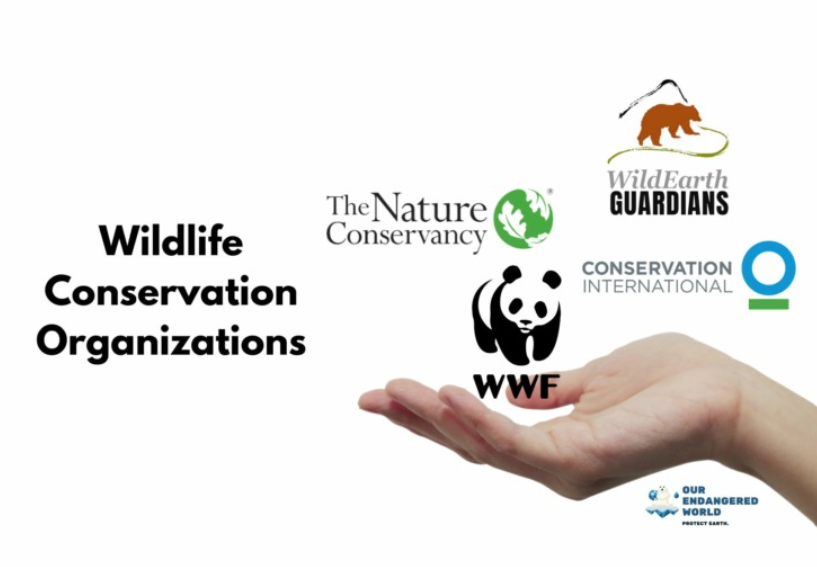
Preserving biodiversity and maintaining a healthy environment depend on effective wildlife protection and care. Alongside government wildlife agencies, non-governmental organisations (NGOs) and individual volunteers play an equally vital role in wildlife conservation, animal rehabilitation, and ecosystem protection. Their involvement strengthens global biodiversity conservation and supports long-term ecological balance in meaningful ways.
Expert Knowledge
NGOs and private volunteers often bring specialised expertise to wildlife care and conservation. Many individuals receive formal training in conservation biology, veterinary science, wildlife rehabilitation, or ecological research. This specialised knowledge allows them to conduct scientific studies, implement targeted conservation programmes, and deliver professional care to injured, orphaned, or displaced wildlife, supporting species recovery and habitat protection.
Flexibility Innovation
Compared with government institutions, NGOs and independent volunteers usually operate with greater flexibility and innovation. They respond rapidly to emerging wildlife conservation challenges, adopt creative approaches to animal care, and implement conservation strategies without the delays associated with complex administrative systems. This adaptability allows them to act swiftly during wildlife emergencies and address urgent conservation gaps effectively.
Community Engagement
Because NGOs and volunteers often work closely within local communities, they understand regional wildlife challenges and ecosystem pressures more deeply. They collaborate with local residents to deliver conservation education programmes, promote community participation, and raise public awareness about biodiversity protection. This local involvement helps build trust, encourages stewardship, and ensures that wildlife conservation initiatives remain sustainable over time.
Government Support
Although government agencies hold primary responsibility for wildlife management, their resources and capacity may be limited. NGOs and volunteers complement these efforts by providing additional funding, trained personnel, and on-the-ground assistance. They support wildlife sanctuaries, participate in scientific monitoring, and assist in rescue and rehabilitation efforts, strengthening the overall effectiveness of national and regional conservation strategies.
Policy Advocacy
NGOs and individual volunteers play an influential role in wildlife advocacy and environmental policy development. Through campaigns, research publications, and public engagement, they promote sustainable resource use, advocate for stronger wildlife protection laws, and raise awareness of conservation challenges. Their advocacy often contributes to improved legislation and policy reforms that enhance long-term wildlife welfare.
Conservation Partnerships
Non-governmental organisations and private volunteers significantly strengthen wildlife protection by complementing government-led conservation efforts. Their expertise, adaptability, community knowledge, and advocacy initiatives enhance wildlife management outcomes and support the preservation of biodiversity. Collaborative conservation ensures the long-term survival of animal populations and safeguards natural heritage for future generations.
Bridging Gaps
NGOs frequently bridge critical gaps left by underfunded or administratively constrained government agencies. By contributing specialised skills, facilities, and financial resources, they expand the reach and effectiveness of wildlife conservation and rehabilitation programmes. In regions with limited public funding, NGOs play a particularly crucial role in protecting endangered species and sensitive ecosystems.
They often organise volunteers, raise conservation funds, and operate specialised facilities such as wildlife rehabilitation centres and sanctuaries. Many organisations focus on specific areas, including marine conservation, bird rehabilitation, or endangered species recovery, allowing them to provide tailored, species-specific care based on scientific best practices.
Beyond hands-on conservation, NGOs actively engage in public outreach, awareness campaigns, and educational initiatives. These efforts foster appreciation for wildlife, encourage responsible environmental behaviour, and promote long-term conservation support within communities.
Shared Responsibilities
While governments provide legal frameworks, policy direction, and enforcement mechanisms, NGOs contribute on-the-ground action, community engagement, and specialised conservation expertise. Together, these partnerships strengthen wildlife protection efforts, broaden conservation scope, and increase the capacity to rescue and rehabilitate diverse species.
Community involvement remains essential to conservation success. NGOs and volunteers possess in-depth knowledge of local ecosystems and species dynamics. By working closely with farmers, landowners, and residents, they gather valuable insights that inform practical, culturally appropriate, and sustainable conservation strategies.
Local collaboration also enables NGOs to draw upon traditional ecological knowledge, empowering communities to take ownership of conservation initiatives. This shared responsibility fosters pride, accountability, and long-term commitment to protecting wildlife and habitats.
Adaptive Approaches
The organisational flexibility of NGOs allows them to respond quickly to emerging conservation challenges. Unlike larger institutions constrained by bureaucracy, NGOs can adapt strategies, form partnerships, and deploy resources efficiently to address urgent wildlife protection needs.
Through collaboration with academic institutions, research bodies, and other conservation organisations, NGOs encourage innovation and knowledge sharing. This collaborative approach supports the development of effective wildlife rehabilitation methods and ecosystem management solutions.
Many NGOs embrace advanced conservation technologies, including GPS tracking, satellite monitoring, and drone-based surveys. These tools provide critical data on animal movements, habitat use, and population trends, helping inform science-based conservation planning.
Additionally, NGO-led advocacy campaigns influence public opinion and policy decisions, encouraging investment in innovative conservation methods and improved animal welfare standards.
Public Awareness
NGOs and volunteers play a vital role in raising public awareness about wildlife care and environmental protection. Through workshops, outreach programmes, and educational initiatives, they increase understanding of biodiversity conservation and encourage responsible behaviour that benefits wildlife and ecosystems.
Education initiatives address root causes of wildlife decline, including habitat destruction, illegal hunting, pollution, and unsustainable resource use. By providing accessible information, NGOs empower individuals to make environmentally responsible choices.
These programmes target diverse audiences, from schoolchildren learning about biodiversity to adults attending sustainability workshops. Community events such as nature walks, wildlife exhibitions, and birdwatching activities help foster direct connections between people and nature, strengthening conservation support.
Public Funding
Public donations represent one of the most common fundraising methods used by NGOs to support wildlife conservation. Awareness campaigns, social media outreach, and community fundraising initiatives encourage individuals to contribute to wildlife protection efforts, regardless of donation size.
Corporate Support
In addition to public contributions, NGOs increasingly seek corporate sponsorships. Many businesses recognise the value of corporate social responsibility and support conservation projects aligned with their environmental goals. These partnerships provide financial assistance, in-kind support, and employee volunteer programmes that benefit both conservation outcomes and corporate reputation.
Grant Funding
NGOs also pursue grants from international organisations, charitable foundations, and government bodies to finance conservation initiatives. Successful grants enable organisations to expand programmes, support additional species, and enhance long-term conservation impact.
Sustainable fundraising remains essential for wildlife protection, particularly where public funding is limited. By diversifying funding sources and maintaining transparency and accountability, NGOs ensure donor trust and long-term programme success while continuing to protect biodiversity and animal welfare.