Importance of Animal Organisation
Organising animals into clearly defined groups is essential for scientific research, wildlife conservation, and biodiversity management. Structured animal classification helps researchers accurately identify species, analyse evolutionary relationships, and understand ecological roles within ecosystems. Well-maintained animal listings also support education, environmental policy planning, and long-term species protection.
Understanding Animal Classification Systems
Animal classification systems organise species based on shared physical traits, genetic relationships, and evolutionary history. Although taxonomy evolves as new discoveries emerge, modern digital databases and international scientific collaboration help ensure that animal classification remains accurate, current, and reliable for research and conservation use.
Purpose of Animal Classification
The primary purpose of animal classification is to provide a standardised framework for identifying and studying species. Accurate classification supports wildlife monitoring, habitat conservation, and endangered species management while allowing scientists to share data consistently across regions and disciplines.
Hierarchical Classification Structure
Animals are classified using a hierarchical system that includes the levels of kingdom, phylum, class, order, family, genus, and species. This structure allows scientists to organise the immense diversity of animal life in a logical and systematic way, making biological relationships easier to understand and study.
Education and Public Awareness
Animal classification plays a key role in education by helping students and the public understand how animals are related and how ecosystems function. Reliable animal listings provide accessible knowledge about species characteristics, habitats, and behaviours, encouraging informed environmental awareness and conservation support.
Key Classification Characteristics
The Linnaean taxonomy system, developed by Carl Linnaeus in the 18th century, classifies animals based on observable anatomical features. This globally accepted framework remains the foundation of modern biological classification, now enhanced by genetic research and molecular analysis.
Evolutionary Relationships Among Animals
The animal kingdom, known as Animalia, includes multicellular organisms capable of movement and complex biological functions. Animals are divided into multiple phyla based on structural similarities, such as Chordata, Arthropoda, and Mollusca, reflecting their evolutionary origins and shared traits.
Major Animal Classification Groups
Classes Within Each Phylum
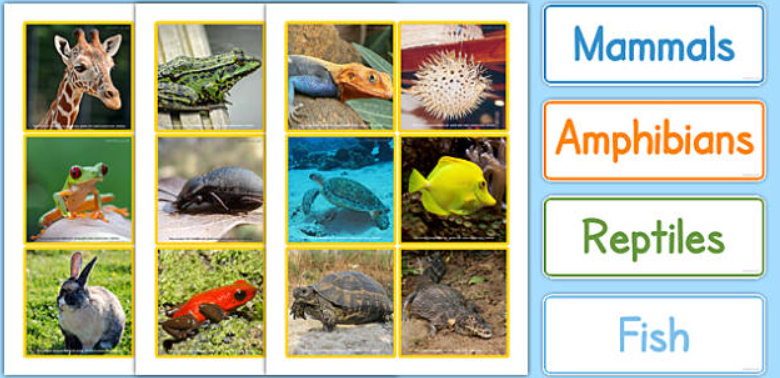
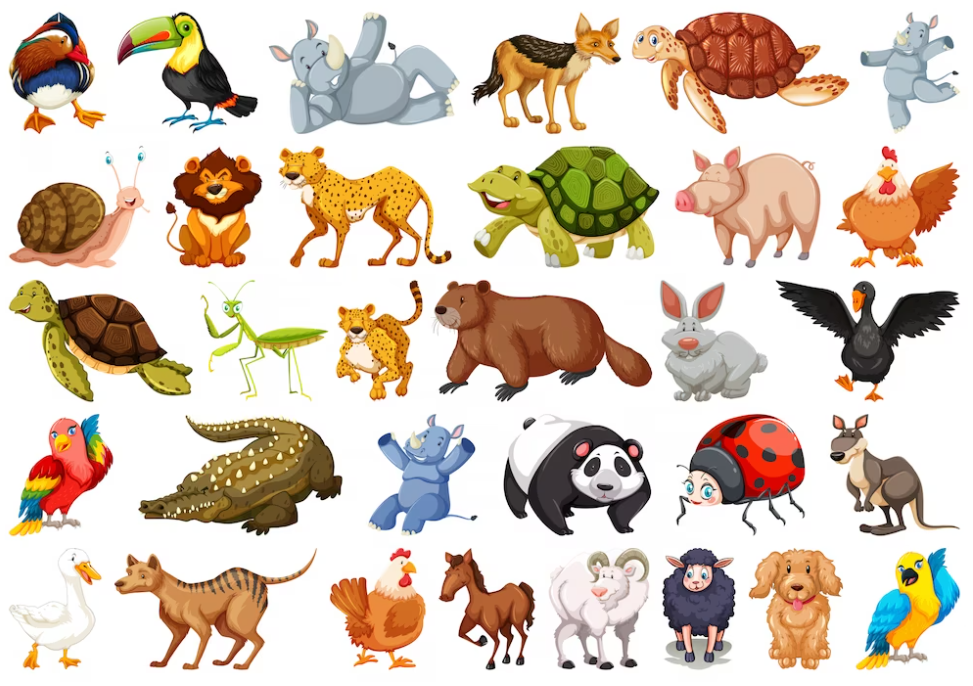
Within each phylum, animals are grouped into classes that share defining biological features. Common classes include mammals, birds, reptiles, amphibians, fish, and insects. Classification becomes increasingly specific at lower levels, ultimately identifying individual species such as the domestic cat, Felis catus.
Classification Based on Diet
Animals may also be grouped according to feeding behaviour. Herbivores consume plant matter, carnivores feed on other animals, omnivores eat both plant and animal sources, and scavengers rely on carrion. Dietary classification helps explain ecological interactions and food chain dynamics.
Habitat and Behaviour Patterns
Animals are further categorised by habitat and behavioural traits. Terrestrial animals live on land, aquatic animals inhabit freshwater or marine environments, and arboreal species live primarily in trees. Social structures also vary, with some animals forming groups and others living independently.
Advances in Modern Taxonomy
Modern animal classification increasingly relies on DNA sequencing, genetic analysis, and behavioural studies. These advancements allow scientists to refine classification systems, discover new species, and better understand evolutionary adaptation across diverse environments.
Scientific Value of Classification
Accurate animal classification supports biodiversity research, population monitoring, and conservation planning. Structured animal listings enable scientists to track species distribution, assess environmental threats, and implement effective wildlife protection strategies.
Taxonomic Lists and Conservation
Taxonomic animal lists provide a standardised naming system that allows scientists and conservationists to communicate clearly. These lists play a crucial role in identifying endangered species, managing habitats, and supporting global conservation initiatives.
Types of Animal Listings
Animal listings can be organised alphabetically, by scientific name, by habitat, or by biological classification. Each listing type serves a specific purpose, from educational reference to scientific research and conservation planning.
Classification Challenges
Animal classification faces challenges such as evolving scientific knowledge, regional naming variations, and newly discovered species. Ongoing research, peer review, and international cooperation help maintain accuracy and consistency in animal taxonomy.
Animal Listing Categories
Animal Names A to Z
Alphabetical animal listings provide a simple and organised way to explore the diversity of the animal kingdom. From familiar species to rare wildlife, this structure helps readers easily locate information while highlighting the ecological importance and unique adaptations of each animal.























Listings By Scientific Names
Listings By Living Habitat
Listings By Extinction Period
Listings By Endangered Species
Listings By Biological Class
Listings By Country Place
Listings By Food Habits
Listings By Special Features
Listings By Life Span