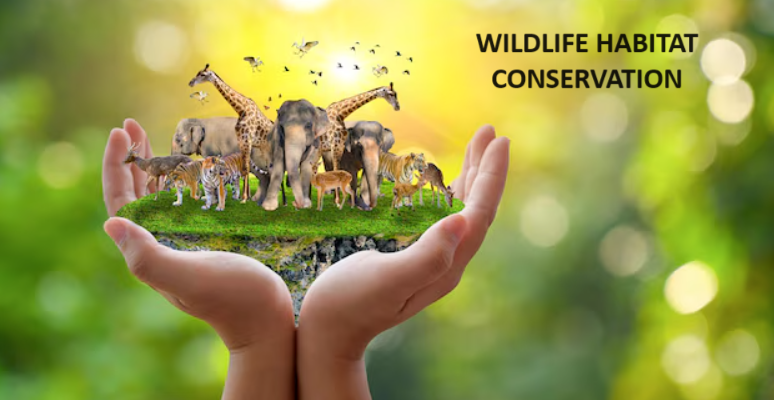
What Is Habitat Conservation?
The vital task of conserving wildlife habitats involves safeguarding and maintaining the natural environments in which plants and animals live. This conservation effort focuses on identifying, protecting, and restoring habitats that are essential for the survival and wellbeing of wildlife populations. By protecting these habitats, conservationists help ensure long-term biodiversity preservation and strengthen overall ecosystem health.
Wildlife Conservation Strategies
Protecting animal habitats requires a multipronged conservation strategy that combines research, planning, and practical management. Conservationists begin by identifying and assessing key habitats that support diverse species. This process includes ecological surveys and scientific studies that clarify the habitat requirements of different wildlife groups. Once experts identify these habitats, managers implement targeted strategies to reduce threats such as habitat loss, fragmentation, and environmental degradation.
Habitat Restoration Efforts
Habitat restoration plays a crucial role in wildlife habitat conservation. Conservation teams restore damaged environments to revive biological functions and create conditions that allow wildlife to thrive. Restoration projects often include reforestation, wetland reconstruction, and the removal of invasive species. These actions rebuild ecological balance and support healthier ecosystems that sustain a wider range of animal species.
Importance of Habitat Protection
Wildlife habitat conservation plays a vital role in protecting biodiversity. Biodiversity refers to the variety of plants, animals, and microorganisms within ecosystems. Each species contributes uniquely to ecological stability, and the loss of even one species can disrupt natural processes and food chains.
Impacts of Habitat Loss
When habitats deteriorate or disappear, species that depend on them for food, shelter, and reproduction face serious risks. Habitat loss can lead to declining populations and, in extreme cases, extinction. Human activities such as deforestation, pollution, and climate change have accelerated extinction rates far beyond natural background levels.
Healthy Ecosystem Functions
Protecting wildlife habitats also preserves essential ecosystem services. These services include clean air and water, agricultural pollination, climate regulation, and soil fertility. Without intact ecosystems, food security, human health, and economic stability would suffer significantly.
Cultural and Recreational Value
Wildlife habitat conservation protects important cultural and recreational benefits. Many Indigenous and local communities share deep cultural and spiritual connections with specific landscapes and animal species. Habitat destruction can permanently damage these cultural assets and traditional knowledge systems.
Protected Areas Importance
Protected natural areas such as national parks and wildlife reserves attract tourism and support local economies. These landscapes provide opportunities for recreation, education, and scientific research while safeguarding wildlife from habitat destruction and exploitation.
Protected Areas Management
Governments and conservation organisations establish protected areas to preserve natural ecosystems and support biodiversity. These areas act as safe havens for threatened species and allow degraded habitats to regenerate naturally under managed protection.
Sustainable Land Practices
Sustainable land-use practices reduce human impacts on wildlife habitats. Methods such as controlled grazing, sustainable agriculture, and responsible forestry allow people to meet resource needs while preserving ecosystem integrity.
Supporting Conservation Action
In conclusion, wildlife habitat conservation remains essential for biodiversity protection, ecosystem services, cultural preservation, and economic sustainability. Through responsible management and sustainable practices, societies can safeguard ecosystems for future generations.
Preserving Biodiversity
Preserving biodiversity remains a primary reason for protecting wildlife habitats. Biodiversity includes species diversity, habitat variety, and genetic variation, all of which maintain ecological balance and resilience.
Protecting Life Systems
By safeguarding habitats, animals retain access to the resources they need to survive and reproduce. Habitat protection prevents biodiversity loss and preserves the interconnected web of life on Earth.
Biodiversity and Ecosystem Balance
Biodiversity strengthens ecosystem resilience by supporting essential ecological processes such as pollination, seed dispersal, and nutrient cycling. These processes sustain plant growth, food availability, and shelter for countless species, ensuring ecosystem stability.
Moreover, biodiversity provides ecosystem services that directly support human wellbeing. These services include clean water, air purification, disease regulation, and resources for medicine and technology development.
Why Biodiversity Matters
Maintaining biodiversity supports long-term survival for all species, including humans. Scientists estimate that millions of species remain undiscovered, and each extinction represents a permanent loss of genetic potential. Because species depend on one another, the disappearance of one species can trigger cascading ecological consequences.
Human Impact on Biodiversity
Human activities such as pollution, invasive species introduction, habitat destruction, deforestation, and climate change pose severe threats to global biodiversity. These pressures reduce available resources, fragment habitats, and disrupt natural ecosystems, placing many species at risk of extinction.
Global Conservation Strategies
To address biodiversity loss, conservation initiatives focus on creating protected areas, restoring habitats, promoting sustainable land management, and expanding environmental education. International agreements such as the Convention on Biological Diversity support coordinated global conservation efforts.
Community and Policy Roles
Effective biodiversity conservation requires collaboration among governments, organisations, local communities, and individuals. Shared responsibility and informed action ensure the long-term protection of Earth’s diverse life forms.
Protecting Endangered Species
Protected areas serve as critical refuges for endangered species. Marine sanctuaries, national parks, forest reserves, and wildlife sanctuaries provide secure environments where vulnerable species can recover and reproduce.
Conservationist Goals
Conservationists also promote sustainable land-use practices such as responsible forestry and eco-friendly agriculture. These methods reduce habitat damage while supporting coexistence between human activities and wildlife conservation.
Education and Awareness
Public education plays a vital role in habitat protection. Outreach programmes inform communities about ecosystem value and encourage sustainable alternatives that protect wildlife habitats.
International Cooperation
International partnerships strengthen conservation outcomes by addressing cross-border wildlife protection, sharing scientific knowledge, and combating illegal wildlife trade.
Community and Ecosystem Benefits
Protecting endangered species requires an integrated approach that includes habitat conservation, sustainable practices, education, and global cooperation. Healthy ecosystems provide vital services that benefit both wildlife and human communities.
Ecosystem Services Value
Ecosystem services such as clean water, air purification, pollination, and soil fertility underpin human survival and environmental stability.
Long-Term Sustainability
Preserving wildlife habitats stabilises freshwater systems, prevents soil erosion, and mitigates climate change impacts, ensuring ecosystem services remain available for future generations.
Climate Regulation Role
Forests act as carbon sinks by absorbing atmospheric carbon dioxide and regulating climate patterns. Protecting forests reduces greenhouse gases and supports climate stability.
Wetland Ecological Services
Wetlands filter pollutants, regulate water flow, reduce flood risk, and support aquatic biodiversity, making them essential for ecological balance.
Preventing Soil Erosion
Natural ecosystems stabilise soil through root systems and organic matter accumulation, supporting agricultural productivity and preventing land degradation.
Supporting Pollination
Maintaining animal habitats sustains pollinator populations that support food production and global food security.
Human Benefits Overview
Wildlife habitat conservation preserves ecosystem services, supports agriculture, mitigates climate change, and promotes biodiversity, benefiting both humans and wildlife.
Organic Farming Development
Organic farming emphasises natural crop and livestock production methods without synthetic chemicals or genetically modified organisms. Techniques such as crop rotation and composting support soil health and biodiversity.
Agroforestry Systems
Agroforestry integrates trees with agriculture to enhance soil quality, reduce erosion, conserve water, and provide wildlife habitat.
Responsible Forestry Practices
Sustainable forestry protects forest ecosystems through selective logging and habitat preservation, ensuring long-term forest health.
Sustainable Land Strategies
These balance human needs with wildlife conservation, promoting ecosystem resilience amid population growth and climate challenges.
Collaborative Conservation Efforts
Governments, NGOs, and local communities collaborate to establish protected areas and implement conservation initiatives.
Protected Areas Benefits
Protected areas safeguard wildlife, support tourism, and enable scientific research while strengthening local economies.
Habitat Conservation Approaches
Wildlife corridors connect fragmented habitats, allowing animals to move safely and maintain genetic diversity.
Balancing Development
Monitoring and research guide effective conservation planning and sustainable development decisions.
Raising Public Awareness
Education initiatives encourage environmental responsibility and motivate habitat protection efforts.
Individual Conservation Actions
By working together, governments, organisations, communities, and individuals can protect wildlife habitats and preserve global biodiversity for future generations.