
Animals are a vital part of Earth’s biodiversity, with every species playing a unique role in maintaining ecological stability. Each animal has its own habitat, behaviour patterns, and social structure, allowing it to survive in specific environmental conditions. From dense tropical forests and arid deserts to vast oceans and urban landscapes, animals inhabit nearly every corner of the planet. Their remarkable adaptations and behaviours have fascinated humans for centuries and continue to shape scientific understanding of animal life and ecosystems.
Ethical Regulations in Animal Research
Our platform is dedicated to providing accurate, responsible, and in-depth information about animals across the globe. Strict regulations and ethical guidelines are followed to protect animals involved in scientific research. We cover a wide range of topics, including animal habitats, behavioural patterns, physical adaptations, and wildlife conservation initiatives, ensuring that all information is evidence-based and ethically sourced.
Importance of Studying Animal Behaviour
Understanding animal behaviour is essential for learning how species interact with their environments and with one another. By studying feeding habits, communication methods, and survival strategies, researchers gain valuable insights into animal psychology and ecosystem dynamics. Our content goes beyond basic facts, offering detailed explanations that help readers understand why animals behave the way they do in both wild and captive settings.
Ongoing Scientific Research and Conservation
All information shared on our website is based on current scientific studies and trusted research sources. Our team of wildlife experts and animal enthusiasts works diligently to present content that is both reliable and engaging. Whether you are a student, educator, or wildlife enthusiast, our resources aim to deepen your understanding of animal biology, conservation science, and environmental responsibility.
Observing Animal Behaviour in Nature
Over millions of years, animals have evolved extraordinary physical and behavioural traits that allow them to thrive in specific habitats. Dolphins possess streamlined bodies for efficient swimming, while predators such as lions and tigers have sharp claws and heightened senses for hunting. These adaptations demonstrate how animals develop specialised survival strategies suited to their environments.
Methods Used in Animal Research
Scientists use a variety of research techniques to study animals, including field observations, controlled experiments, and modern tracking technologies. Migratory animals, particularly birds, travel thousands of kilometres using natural navigation cues such as the sun, stars, and Earth’s magnetic field. These journeys highlight the resilience, endurance, and intelligence of migratory species.
Animal Habitats and Ecosystem Balance
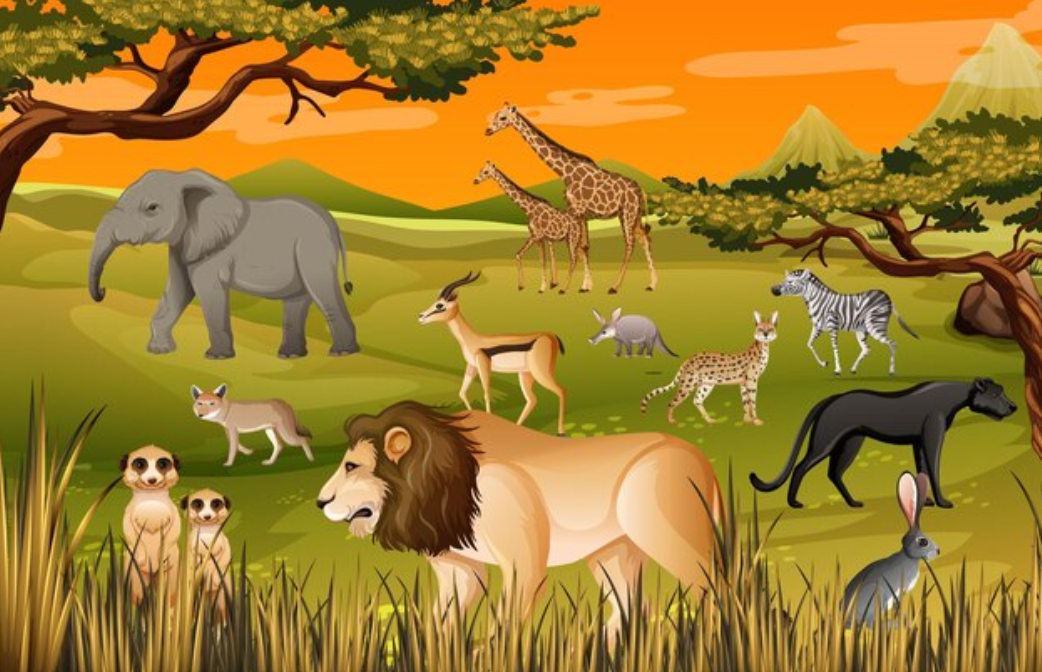
Animals live in a wide variety of habitats, each offering distinct environmental conditions and resources. Forests, deserts, grasslands, wetlands, and oceans support diverse ecosystems that are essential for maintaining biodiversity. Every habitat plays a crucial role in sustaining animal populations and ecological balance.
Forests provide shelter, food, and breeding grounds for countless species, ranging from insects to large mammals. Deserts, despite extreme temperatures and limited water, are home to animals such as camels and desert foxes that have evolved specialised adaptations. These examples highlight the importance of habitat diversity in supporting animal life.
Ethical Considerations in Wildlife Studies
Oceans cover more than seventy percent of Earth’s surface and contain an immense range of marine species. From microscopic plankton to the largest whales, marine ecosystems are vital to global biodiversity. Coral reefs, often described as the rainforests of the sea, support thousands of species and emphasise the importance of ethical marine research and conservation practices.
Animal Classification and Social Systems
Animals exhibit a wide range of social structures and family relationships. Some species, such as elephants and wolves, live in cooperative groups that work together to protect and raise their young. Others, including leopards and tigers, are solitary animals that prefer to hunt and live alone. These differences reflect the diversity of animal social behaviour.
Parental care is another defining trait among many species. From nurturing lionesses to devoted penguin parents, animals often invest significant time and energy in raising their offspring. These behaviours improve survival rates and strengthen family bonds within species.
Different Animal Reproductive Strategies
Animals reproduce using various methods, including sexual and asexual reproduction. Many species engage in complex courtship behaviours to attract mates. Birds use elaborate songs and colourful displays, while animals such as peacocks perform striking visual displays during mating season. These rituals play a key role in successful reproduction.
Role of Animals in Ecosystems
Animals play a crucial role in maintaining ecological balance by controlling populations, dispersing seeds, and supporting food chains. As human activities increasingly affect natural environments, understanding animal life becomes essential for effective conservation. Protecting wildlife helps preserve ecosystem health and long-term environmental stability.
Impact of Conservation Research Efforts
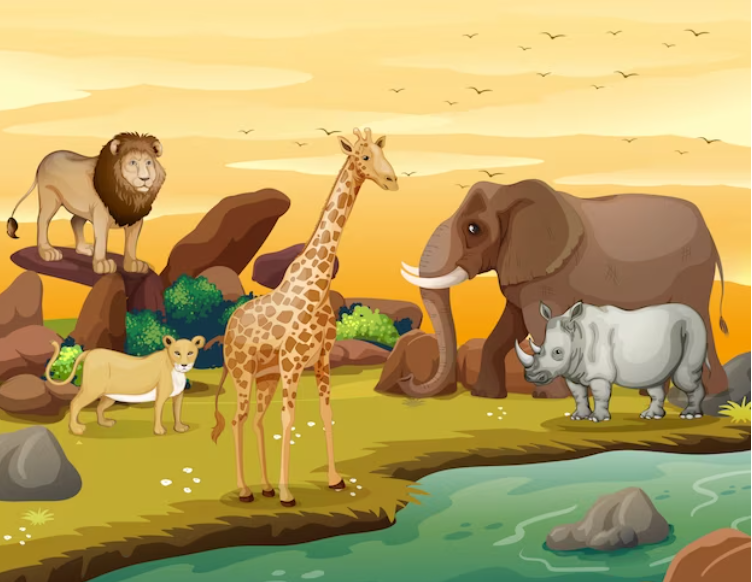
Scientific research has contributed significantly to the protection of endangered species and the restoration of damaged habitats. Conservation programmes aim to safeguard wildlife, promote sustainable practices, and reduce human impact on natural ecosystems. Increased awareness of biodiversity encourages responsible coexistence between humans and animals.
Future Challenges and Conservation Solutions
In conclusion, animals display extraordinary lifestyles shaped by their habitats, behaviours, and social systems. By respecting wildlife, supporting ethical research, and strengthening conservation efforts, humans can help protect animal life for future generations. Preserving biodiversity is essential for maintaining a healthy and balanced planet.