List of animals whose names start with the letter Y
There are many species in the animal realm, each having distinct qualities and attributes of its own. We’ll look at a list of animals whose names start with the letter “Y” in this article. These animals, which range from birds and reptiles to mammals, highlight the variety and wonder of the natural world.
1. Yak
The yak is large, long-haired, and indigenous to Central Asia’s hilly areas. Yaks are recognizable by their shaggy coats and bent horns, which help them to live in hostile habitats. They mostly eat grasses and other plants since they are herbivores. Yaks provide the local inhabitants with milk, meat, and fibre, in addition to being often used as pack animals.
2. Yellowhammer
Throughout Europe and certain regions of Asia, the Yellowhammer, also called the Emberiza citrinella, is a tiny passerine bird. In broad fields and farmlands, one may often see the yellowhammer with its bright yellow plumage and characteristic singing. During the mating season, they are renowned for their intricate courting displays and mostly consume seeds and insects.
3. Yellow-bellied marmot
Known by its scientific name, Marmota flaviventris, the yellow-bellied marmot is a species of ground-dwelling squirrel that inhabits the mountainous parts of North America. These gregarious mammals hibernate in the winter and reside in burrows. They get their name from their yellowish bellies, and when they perceive danger, they are well-known for making loud warning sounds.
4. Yellow tang
Zebrasoma flavescens, often known as the yellow tang, is a well-known marine fish species that inhabits the tropical seas of the Pacific Ocean. Aquarium lovers often choose the Yellow Tang because of its vivid yellow colour and oval body form. Because they regulate the development of algae, they are herbivorous and contribute significantly to the ecosystems of coral reefs.
5. Yellow anaconda
Eunectes notaeus, the scientific name for the yellow anaconda, is a huge, non-venomous snake that lives in South America. At up to 13 feet in length, it is one of the biggest species of anacondas. The yellow anaconda is not seen as a danger to people despite its massive size, and its main food sources include fish, birds, and small animals.

6. Yellow-eyed penguin
Originally from New Zealand, the yellow-eyed penguin, also called Megadyptes antipodes, is a species of penguin. With its unique yellow eyes and a yellow stripe across its head, this penguin species is among the rarest on the whole globe. These penguins are renowned for their unusual nest-building practices and their capacity to descend quite far in pursuit of prey.
7. Yellow-billed hornbill
Known by its scientific name, Tockus leucomelas, the yellow-billed hornbill is a species of bird found in southern Africa’s savannahs and forests. The yellow-billed hornbill, with its distinctive black-and-white plumage and bright yellow beak, is an impressive sight. Being omnivores, they consume a wide range of fruits, insects, and small vertebrates.
A Complete List of animals starting with letter Y
Facts about Facts about Yabby Crab

The name “yabby” describes a kind of freshwater crayfish that is mostly found in Australia and has drawn interest due to its distinctive characteristics, ecological significance, and culinary applications. The yabby, formally known as Cherax destructor, is a common species among aquarium owners, amateur fishers, and even chefs who want to add a unique touch to their dishes.
Facts about Facts about Yak
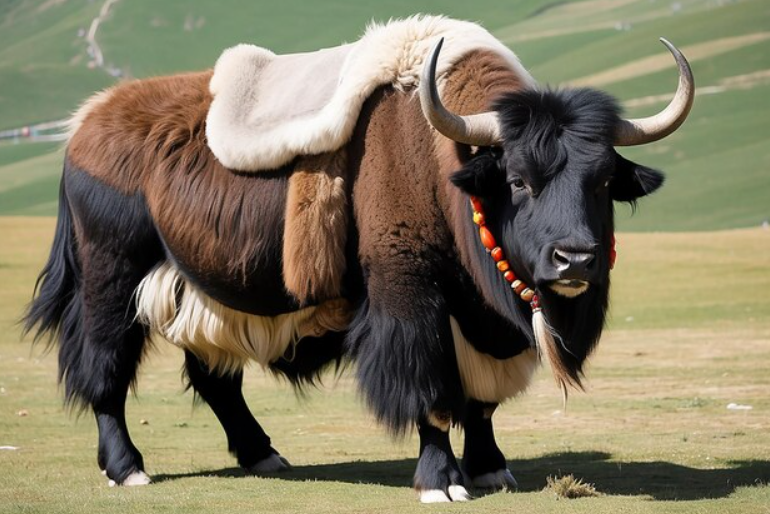
Yaks are renowned for their resilience and have evolved to survive in some of the harshest habitats on Earth. More than just an animal, the yak represents the tenacity and resourcefulness of the mountain peoples of the Himalayas. This is due to its thick fur, strong physique, and significant cultural and economic importance.
Facts about Yakutian Laika Dog

The Yakutian Laika is a dog breed from Siberia, Russia. It is known for its stamina and resilience in harsh cold climates. This breed was originally used for herding reindeer and hunting large game, such as bears and moose. The Yakutian Laika is an intelligent and active dog, suited for working in extreme temperature.
Facts about Yarara Snake
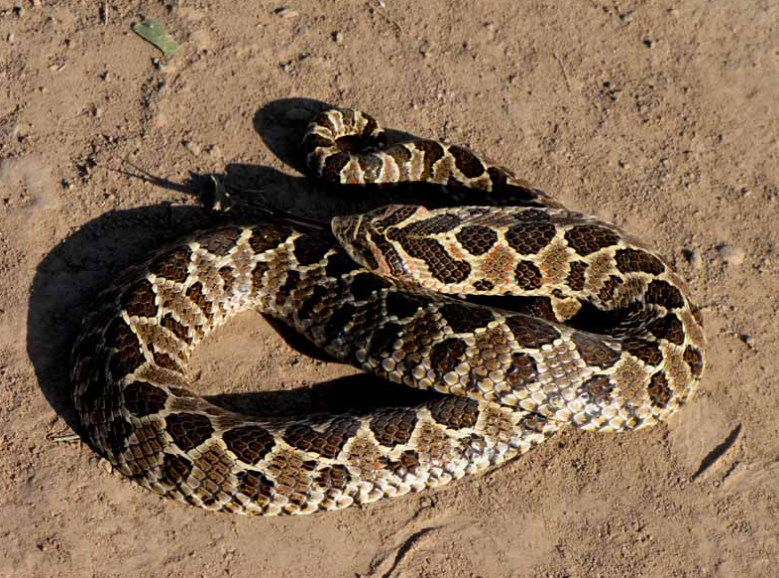
The South American yarará, technically known as Bothrops alternatus, is a highly poisonous pit viper. Also called the Southern crotaline or the Argentine pit viper, the yarará uses its strong venom mainly for defence and hunting.
Facts about Yellow Anaconda Snake
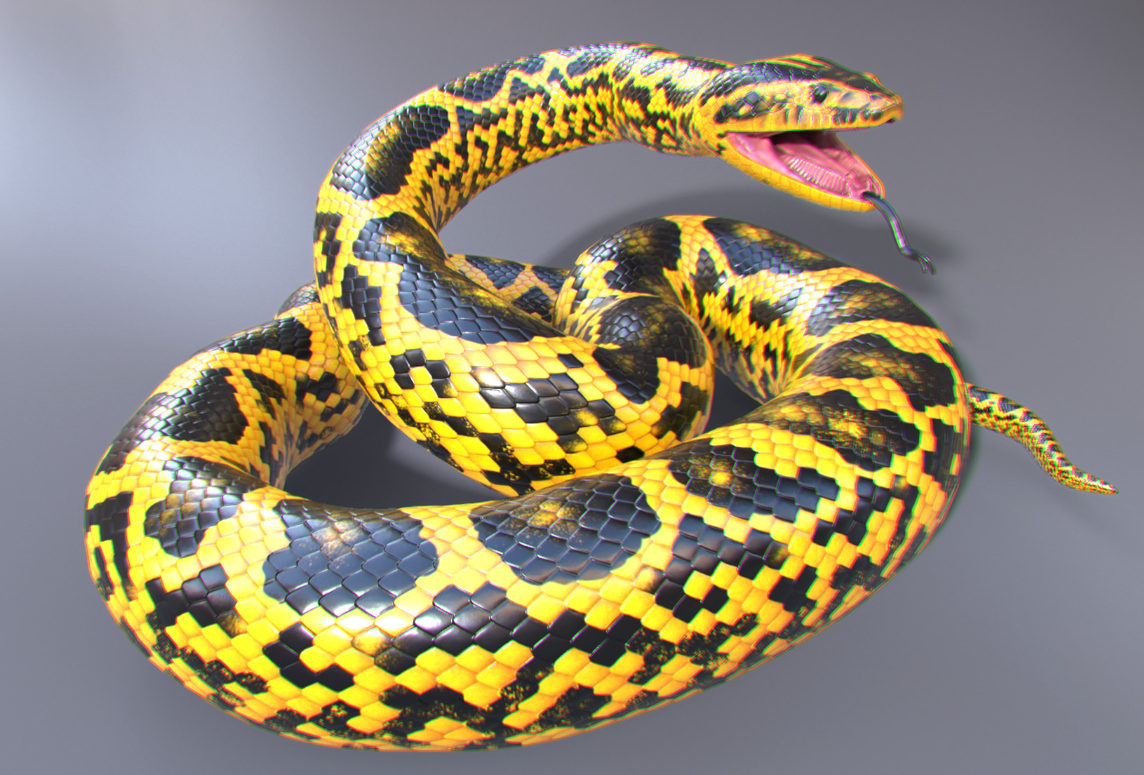
The yellow anaconda (Eunectes notaeus) is a non-venomous, semi-aquatic snake native to South America, particularly found in Paraguay, Bolivia, northern Argentina, and southern Brazil. It is the smaller cousin of the green anaconda but still ranks among the largest snakes in the world, growing up to 10–13 feet in length.
Facts about Yellow Aphid Insect

Yellow aphids are small, sap-sucking insects that are typically yellow in color. They are found on a variety of plants and can reproduce quickly, forming large colonies. While aphids are not generally harmful to humans, they can damage plants by draining nutrients, leading to stunted growth and weakened health.
Facts about Yellow Bass Fish
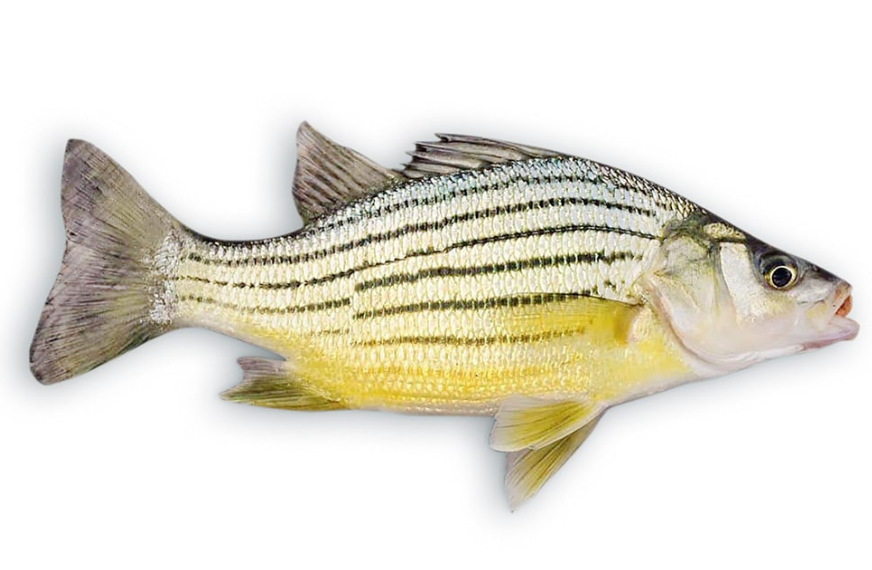
The Moronidae family of freshwater fish, which includes well-known species like the white bass and striped bass, also contains the yellow bass (Morone mississippiensis). Fishermen across the United States highly regard the yellow bass because of its unique appearance, aggressive nature, and mouth-watering flavour.
Facts about Yellow Bellied Sapsucker Bird
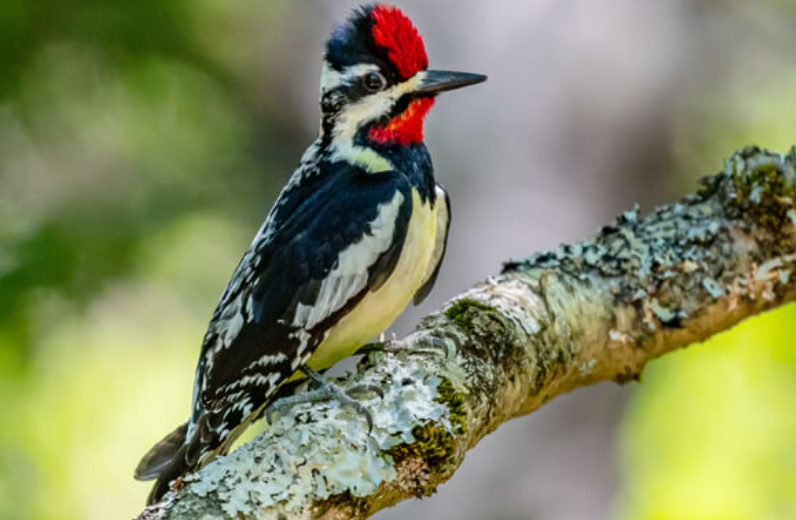
The Yellow-bellied Sapsucker is a species of woodpecker found in North America. It is named for its characteristic yellow belly and its feeding behavior, where it drills rows of holes into trees to extract sap. This species plays an important role in the forest ecosystem by helping to control insect populations.
Facts about Yellow Belly Ball Python
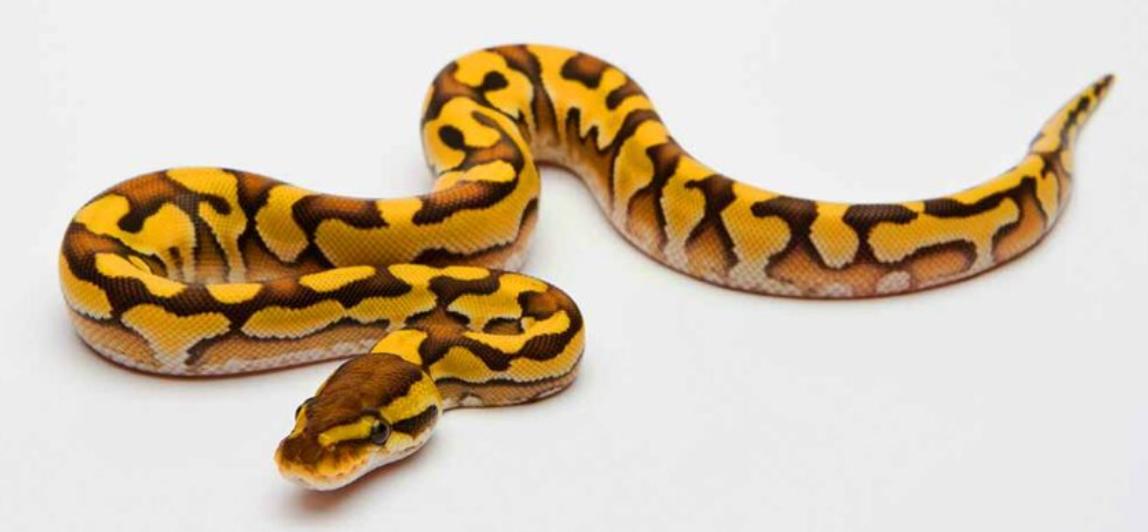
The Yellow Belly Ball Python is a color morph of the popular Ball Python species. This variety features a yellowish belly pattern, which makes it a highly sought-after pet in the reptile community. These pythons are non-venomous constrictors and are known for their docile nature, making them a popular choice for first-time snake owners.
Facts about Yellow Bullhead Catfish
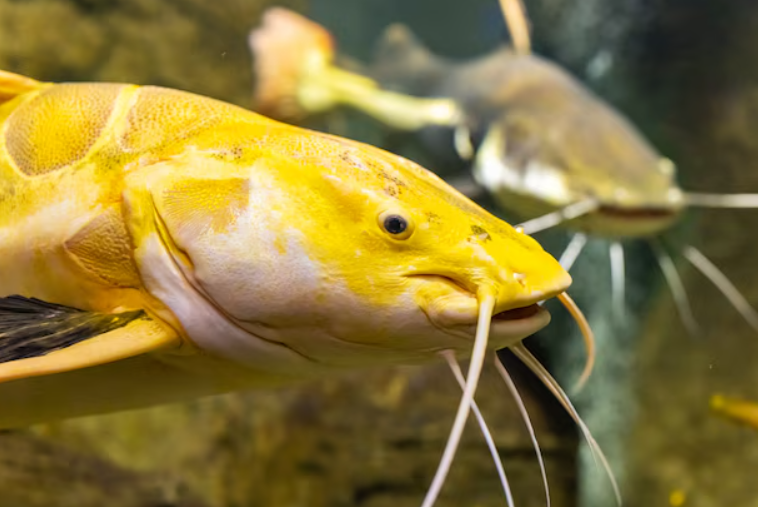
Throughout North America, freshwater rivers, lakes, and ponds are home to the fascinating Yellow Bullhead Catfish (Ameiurus natalis). Anglers often pursue this species because of its worth and difficulty in sport fishing, as well as its remarkable look and persistent behaviour.
Facts about Yellow Cobra Snake
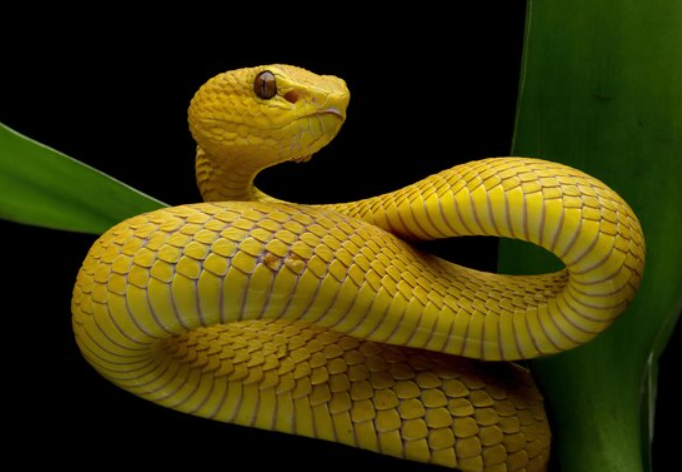
The Yellow Cobra is a color variation of the Cobra, a venomous snake found in parts of Asia and Africa. The yellow coloration is typically seen in the King Cobra species, which is the longest venomous snake in the world. Cobras are known for their iconic hood, which they expand when threatened.
Facts about Yellow Crazy Ant
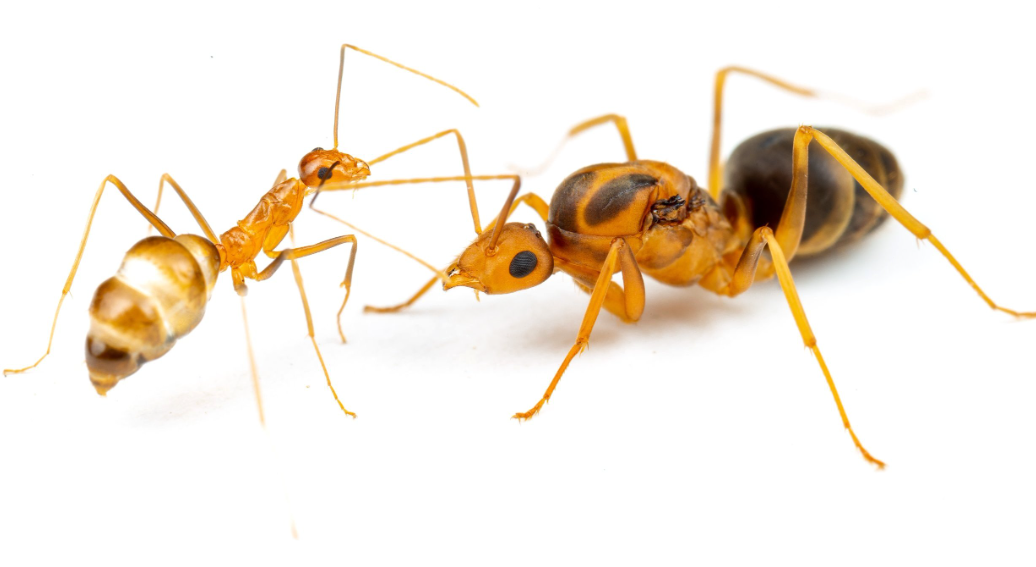
Yellow Crazy Ants are a species of invasive ants known for their erratic and unpredictable movement patterns. These ants are often found in tropical regions and have been known to disrupt local ecosystems. They are called “crazy” due to their unusual, fast, and erratic movements when searching for food.
Facts about Yellow Perch Fish
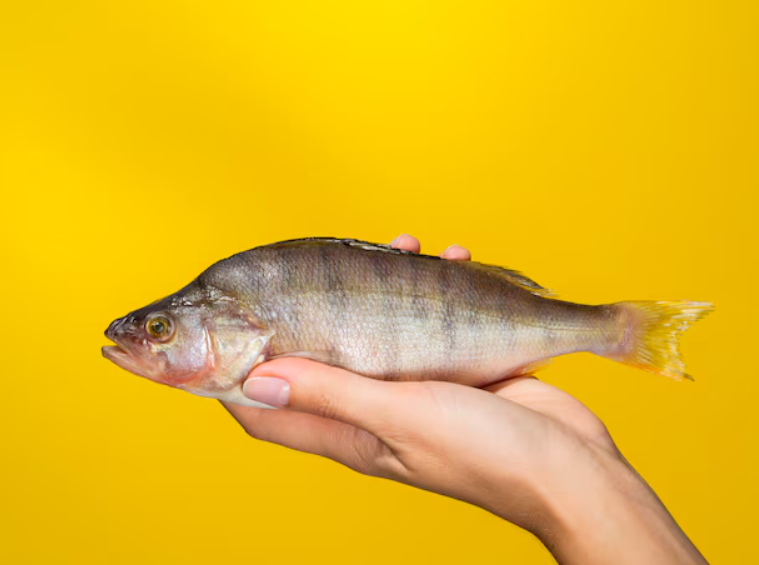
The Yellow Perch is a freshwater fish species native to North America. It is easily recognizable due to its yellow body with dark vertical stripes. Yellow Perch are popular among anglers and are often found in lakes and rivers. They are omnivorous, feeding on smaller fish, insects, and vegetation.
Facts about Yellow Sac Spider
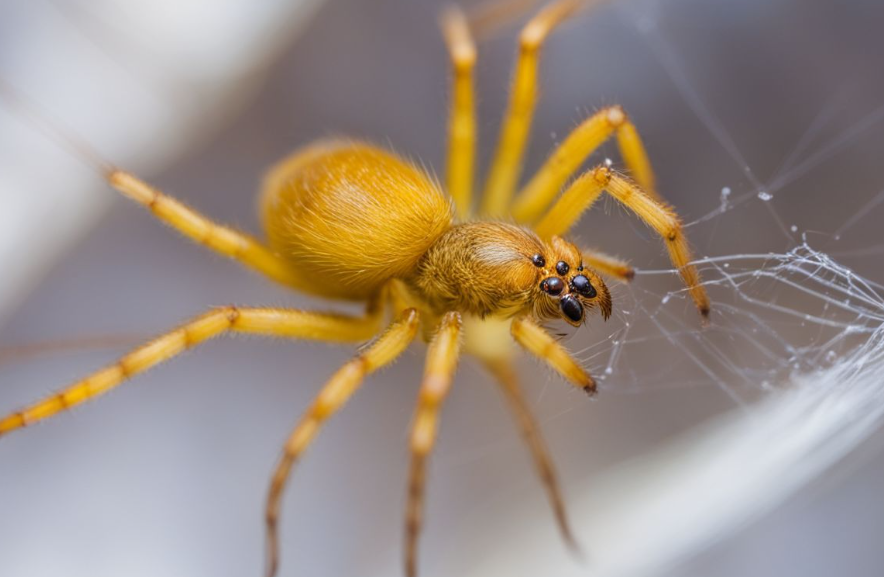
The Yellow Sac Spider is a venomous species of spider found in North America. It is named for the sac-like web it constructs, which it uses to hide during the day. While not aggressive, it will bite in self-defense, and its venom can cause mild irritation or swelling in humans.
Facts about Yellow Spotted Lizard

The yellow-spotted lizard is a fascinating and beautiful creature, renowned for its unique appearance and connection to numerous stories, especially in literature. It plays a significant role in both natural ecosystems and popular culture, characterised by its yellow-spotted patterns and formidable reputation.
Facts about Yellow Tanager Bird
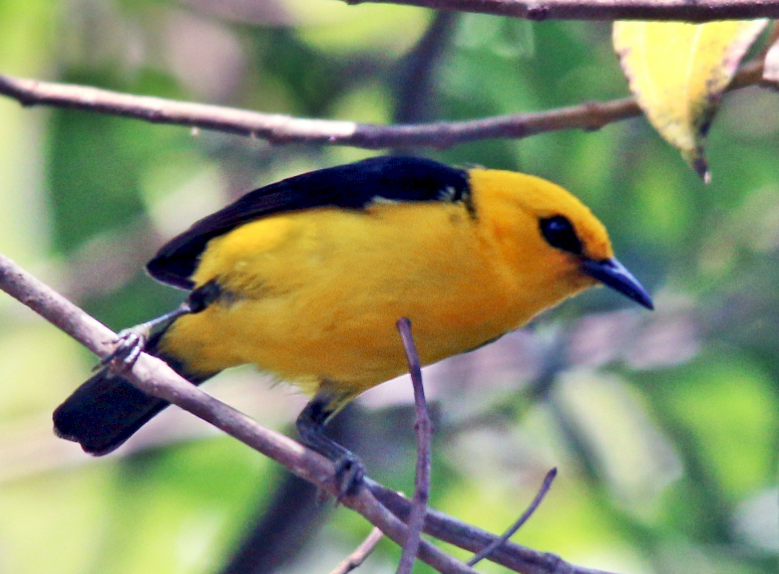
The Yellow Tanager, also known as the Black-and-Yellow Tanager, is a brightly colored bird found in Central and South America. Known for its vibrant yellow and black plumage, this bird is commonly seen in tropical forests. Yellow Tanagers are often found feeding on fruits and insects in the canopy.
Facts about Yellow Tang Fish
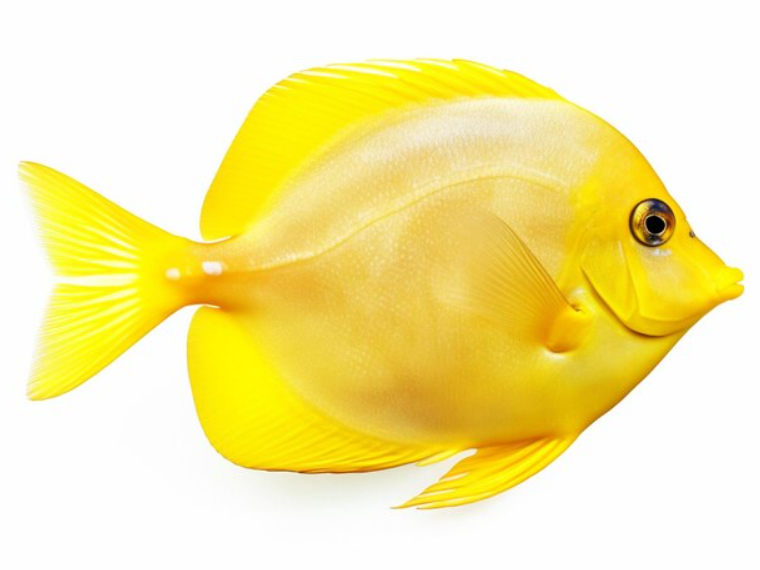
The Yellow Tang (Zebrasoma flavescens) is a popular and eye-catching fish species. This species is currently one of the most well-known and frequently kept fish in both home aquariums and public displays due to its vibrant yellow colouring and unique body shape.
Facts about Yellow-Bellied Sea Snake
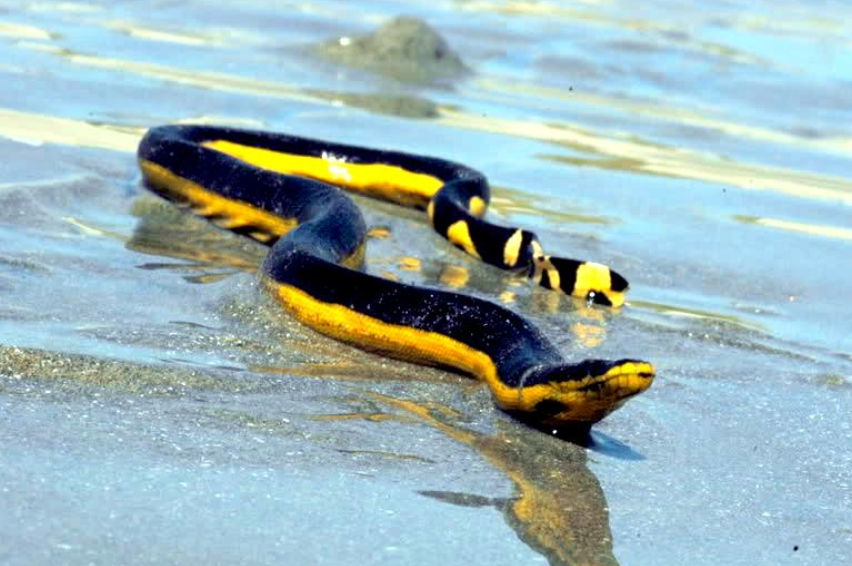
The Yellow-Bellied Sea Snake is a highly venomous species of sea snake found in the Indian and Pacific Oceans. It is named for its bright yellow belly and dark upper body. This snake is highly adapted to marine life and is known for its strong swimming ability and venomous bite, which it uses to catch fish and small marine creatures.
Facts about Yellow-Eyed Penguin
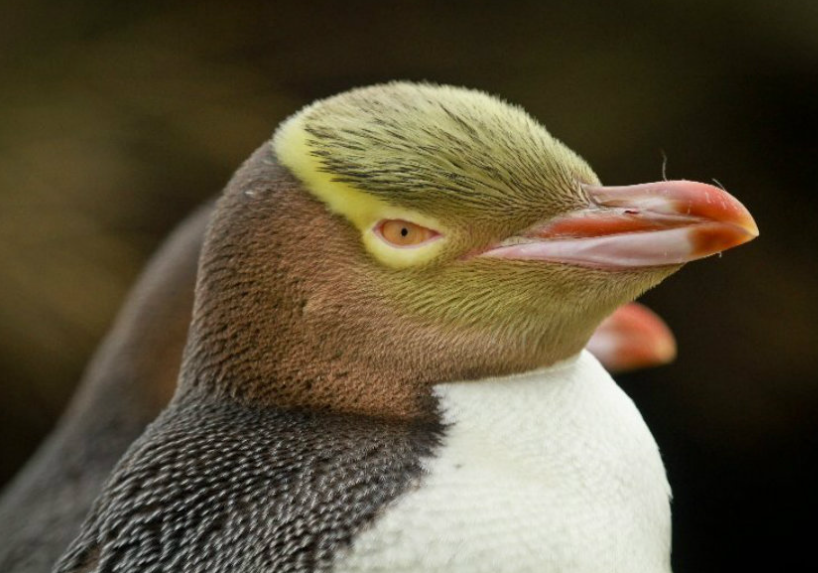
The Yellow-Eyed Penguin is one of the rarest and most endangered species of penguin in the world. Native to New Zealand, it has a distinctive yellow ring around its eyes, which gives it its name. The Yellow-Eyed Penguin prefers forested and coastal environments and is known for its solitary nature, often staying away from other penguin colonies.
Facts about Yellow-faced Bee
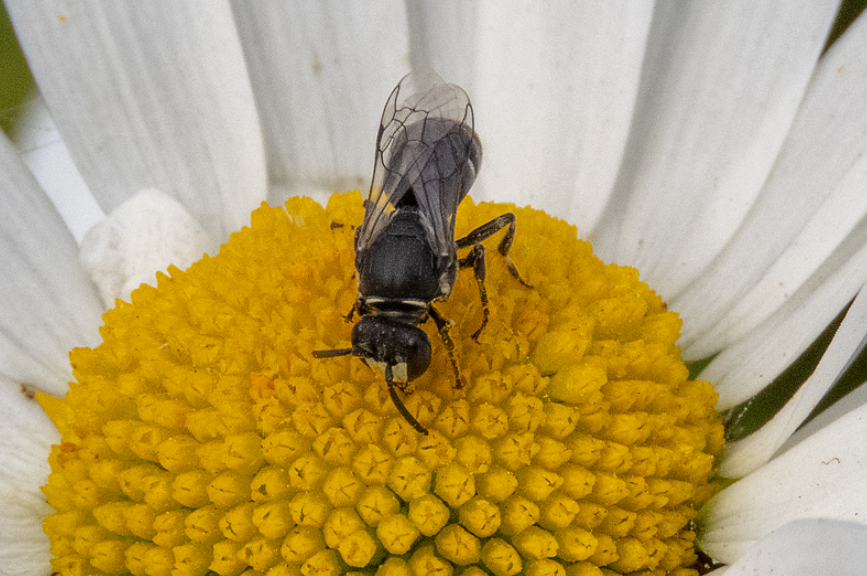
The Yellow-faced Bee is a small, solitary bee belonging to the genus Hylaeus. These bees get their name from the distinct yellow or white markings on their faces, which give them a wasp-like appearance.
Facts about Yellowfin Tuna Fish
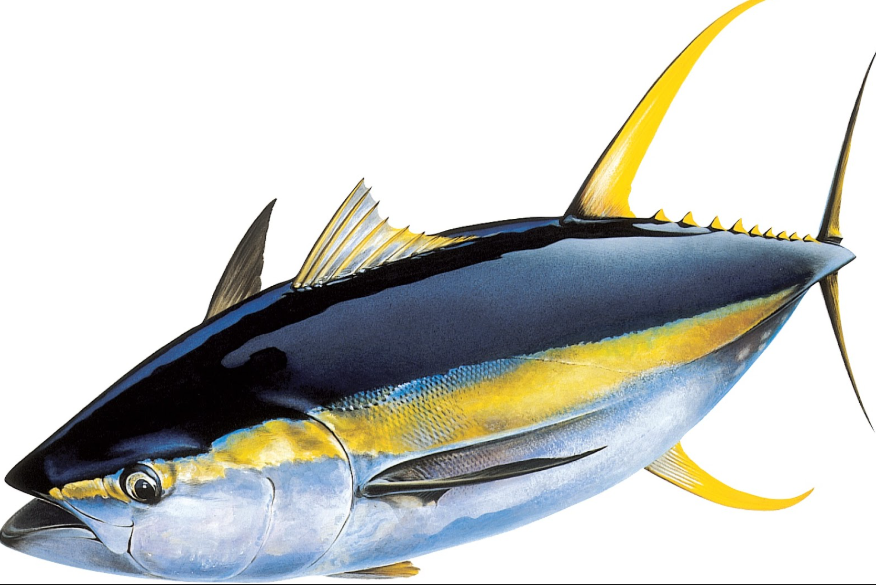
Yellowfin tuna (Thunnus albacares) is one of the world’s most popular and valuable fish species. This vibrant, fast-swimming fish has become a prized catch for both commercial and recreational fishermen. Its exceptional size, strength, and culinary versatility contribute to its high demand.
Facts about Yellowhammer Bird
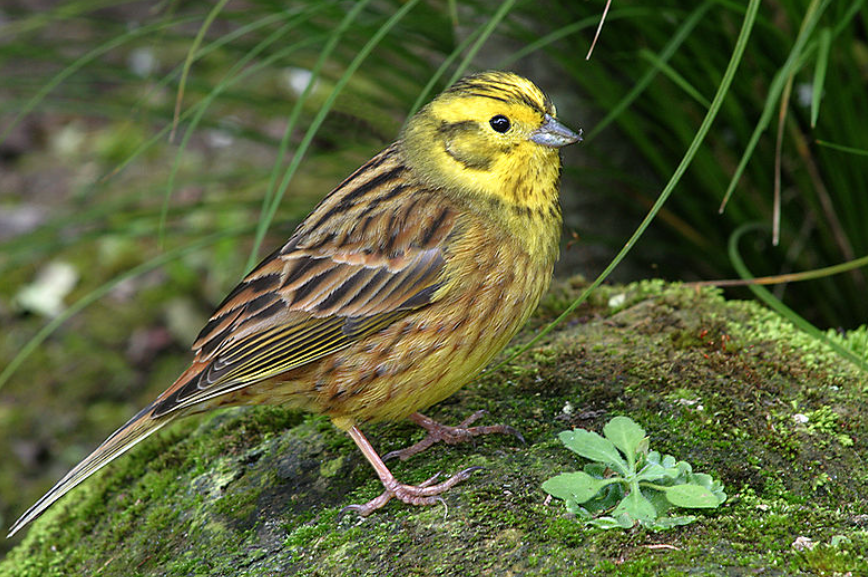
The Yellowhammer is a small bird found across Europe and Asia. It is easily identifiable by its bright yellow plumage, particularly on the head and underparts. Yellowhammers are primarily insectivorous but also feed on seeds. They are commonly found in open habitats such as farmland and grasslands.
Facts about Yellowish Cuckoo Bumblebee
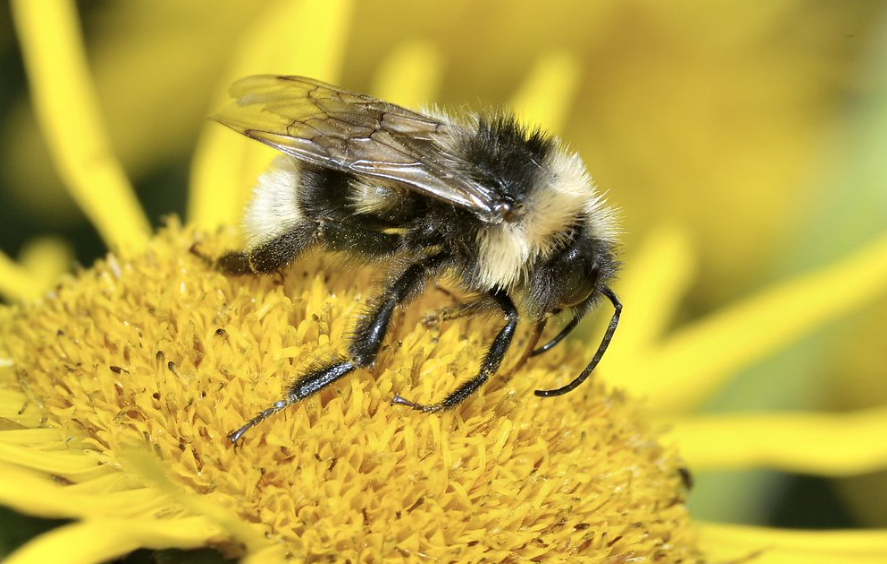
One interesting bumblebee species with a distinctive and captivating behaviour is the Yellowish Cuckoo Bumblebee (Bombus cullumanus). Cuckoo bumblebees, such as the Yellowish Cuckoo Bumblebee, live parasitic lives in contrast to normal bumblebees, which establish their own hives and colonies.
Facts about Yellowjacket Insect

The Yellowjacket is a type of wasp known for its yellow and black striped body. It is highly aggressive and will defend its nest vigorously. Yellowjackets are common in North America, and their stings can be painful and, in rare cases, allergic reactions can be fatal. They are also scavengers, feeding on insects, meat, and sugary foods.
Facts about Yellowtail Snapper Fish
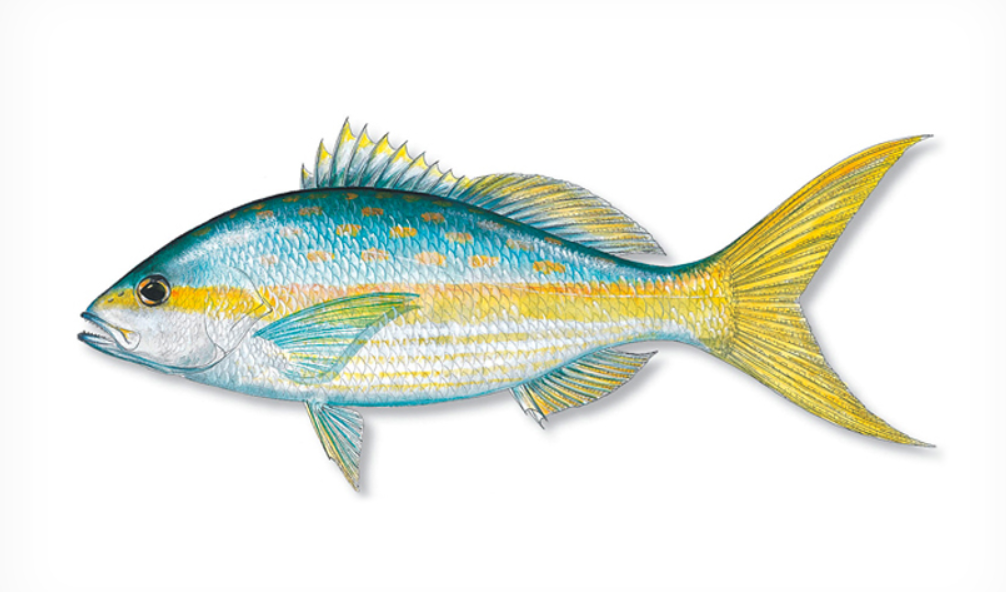
The Yellowtail Snapper is a species of fish found in the western Atlantic Ocean, including the Caribbean Sea and Gulf of Mexico. It is easily recognized by its yellow tail and has a popular status in both commercial and recreational fishing. Yellowtail Snapper is prized for its mild, sweet flavor.
Facts about Yellowthroat Bird
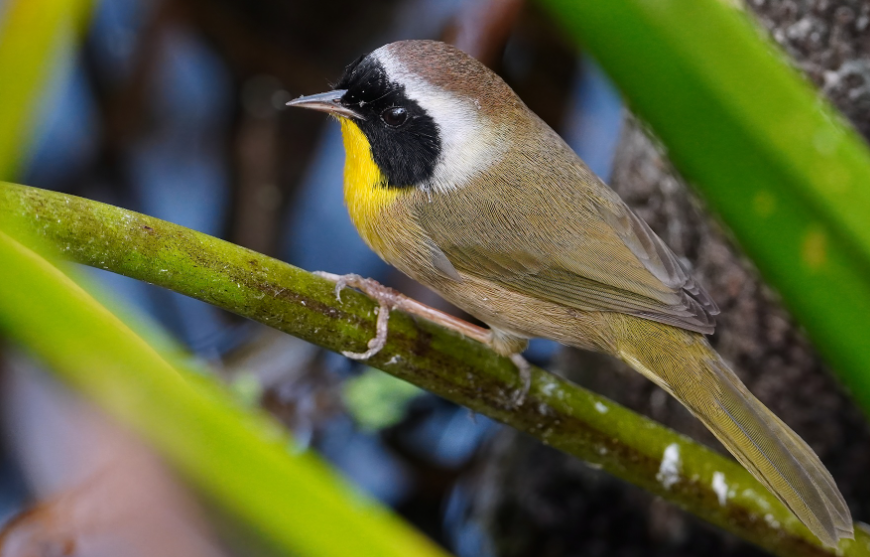
The Yellowthroat is a small, migratory songbird found in North America. It is known for its vibrant yellow throat, which contrasts with its olive-green body. Yellowthroats are often found in marshes and wetlands and are known for their distinctive “wichity-wichity” call.
Facts about Yeti Crab
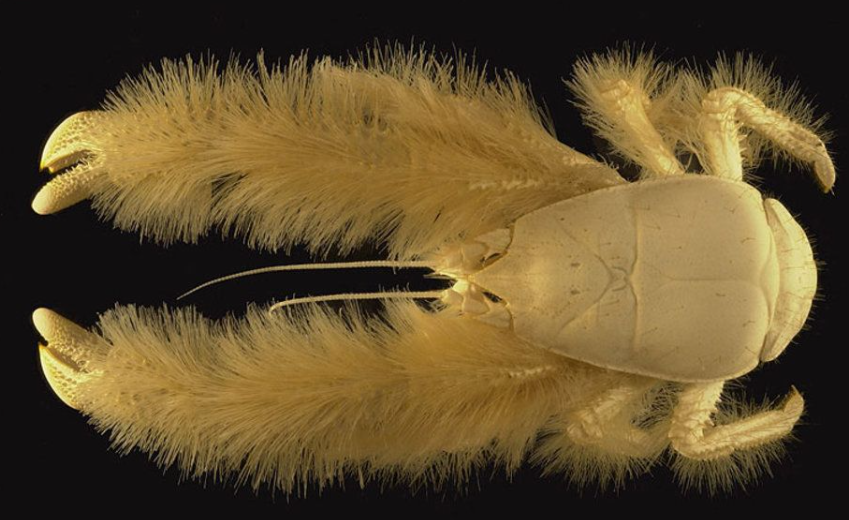
The Yeti Crab is a species of deep-sea crab discovered in 2005 near hydrothermal vent ecosystems off the coast of Antarctica. It is named for its furry claws, which are covered in bacteria that help detoxify the metals from the water. This species thrives in the extreme conditions of the deep ocean.
Facts about Yokohama Chicken
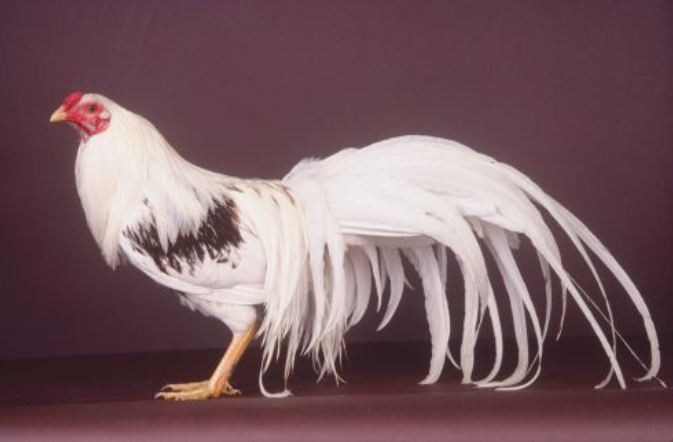
The Yokohama chicken is a distinctive and exquisite breed that is prized for its graceful look and long, flowing feathers. This breed, which originated in Japan, is popular among poultry aficionados and those wishing to add a special bird to their flock because of its remarkable, elegant posture and unique appearance.
Facts about Yoranian Dog

The Yoranian is a hybrid breed that results from crossing a Yorkshire Terrier with a Pomeranian. This small-sized dog inherits traits from both breeds, including a fluffy coat and a playful, affectionate personality. Yorianians are often kept as companion animals due to their loving nature and manageable size.
Facts about Yorkie Bichon Dog

The Yorkie Bichon is a small hybrid dog breed created by crossing a Yorkshire Terrier with a Bichon Frisé. This breed combines the Yorkie’s spunky personality with the Bichon’s friendly and social demeanor. They are playful, intelligent, and make excellent companions, especially for people with limited space.
Facts about Yorkiepoo Dog
The Yorkiepoo is a beloved hybrid dog that combines the best qualities of the Yorkshire Terrier (Yorkie) and the Poodle. This small and affectionate dog has become a favorite for families, singles, and apartment dwellers around the world.
Facts about Yorkshire Terrier Dog

The Yorkshire Terrier, often called a Yorkie, is a small and energetic breed of dog originally from England. Known for its silky, long coat, the Yorkshire Terrier is a popular companion dog. Despite their small size, Yorkies are known for their big personalities and can be quite feisty.
Animal Names With Alphabets A-Z
The animal kingdom is vast and diverse, encompassing a wide array of species that can be categorized alphabetically from A to Z. Each of these animals not only represents a letter but also embodies the rich tapestry of life on Earth, showcasing the incredible variety of adaptations and behaviors that have evolved over time. Animal names can be categorized according to the letters of the alphabet, providing a structured way to explore the diverse species that inhabit our planet. Each letter serves as a gateway to a variety of animals, ranging from the common to the exotic. This alphabetical approach not only aids in memorization but also highlights the rich tapestry of life forms, each with unique characteristics and ecological roles, thereby enhancing our understanding of biodiversity.