Horses are large mammals that have been domesticated by humans for various purposes, including riding, farming, and sport. They are known for their strength, speed, and loyalty.
Quick Top 10 Facts About Horses
| SCIENTIFIC NAME | Equus ferus caballus (Horse) |
| CLASSIFICATION | KINGDOM: Animalia CLASS: Mammalia ORDER: Perissodactyla FAMILY: Equidae PHYLUM: Chordata GENUS: Equus |
| SIZE | Height: 1.4 to 1.8 meters (4.6 to 5.9 ft) at the shoulder Weight: 380 to 1,000 kg (840 to 2,200 lbs), depending on breed |
| HABITAT | Domesticated worldwide; natural habitat includes grasslands and plains |
| DIET | Herbivorous—Feeds on grasses, hay, grains, and other plant material |
| SPECIES | Horse (*Equus ferus caballus*) |
| COUNTRY | Domesticated globally; originally native to Central Asia and Eastern Europe |
| GESTATION PERIOD | Approximately 11 months (330–345 days) |
| LIFE SPAN | 25 to 30 years on average; some horses live into their 40s |
| CONSERVATION STATUS | Domesticated horses are not threatened. Some wild relatives, like the Przewalski’s horse, are endangered |
Various roles horses play, from transportation and agriculture to sports and recreation
Horses are amazing animals with a long history and a close connection with people. They are really amazing in their strength, intellect, and beauty. We can continue to love and care for these amazing creatures if we have a better knowledge of horses and their requirements.
Different horse breeds, highlighting their distinct characteristics and purposes
Horses are amazing animals that have enthralled people for ages. These magnificent creatures are renowned for their beauty, elegance, and power. Humans have tamed them for a variety of uses, including sport, agriculture, and transportation. There are several breeds of horses, and each has special traits and skills of its own. There is a horse for every need and taste, from the strong and bulky draft horses to the graceful and quick thoroughbreds.
Domestication of horses by ancient civilizations and their role in transportation, agriculture, and warfare
Horses and human civilisation have a long and rich history together. They have been very important to the growth of civilisations all across the globe. Horses were necessary for combat in the past, allowing armies to conquer large areas of land. Because they offered a method of long-distance transportation, they were also crucial to the discovery and growth of civilisations. Numerous civilisations have cherished horses, which have come to represent strength, liberty, and grandeur.
Social behaviour of horses, emphasising their herd mentality and hierarchical structure
In addition to their historical importance, horses are amazing animals in terms of their morphology and temperament. Their robust, muscular frame is built for quickness and dexterity. To sustain their weight and provide grip on a variety of surfaces, their hooves have undergone a unique adaptation. Horses are gregarious creatures that develop close relationships with other horses in their herd
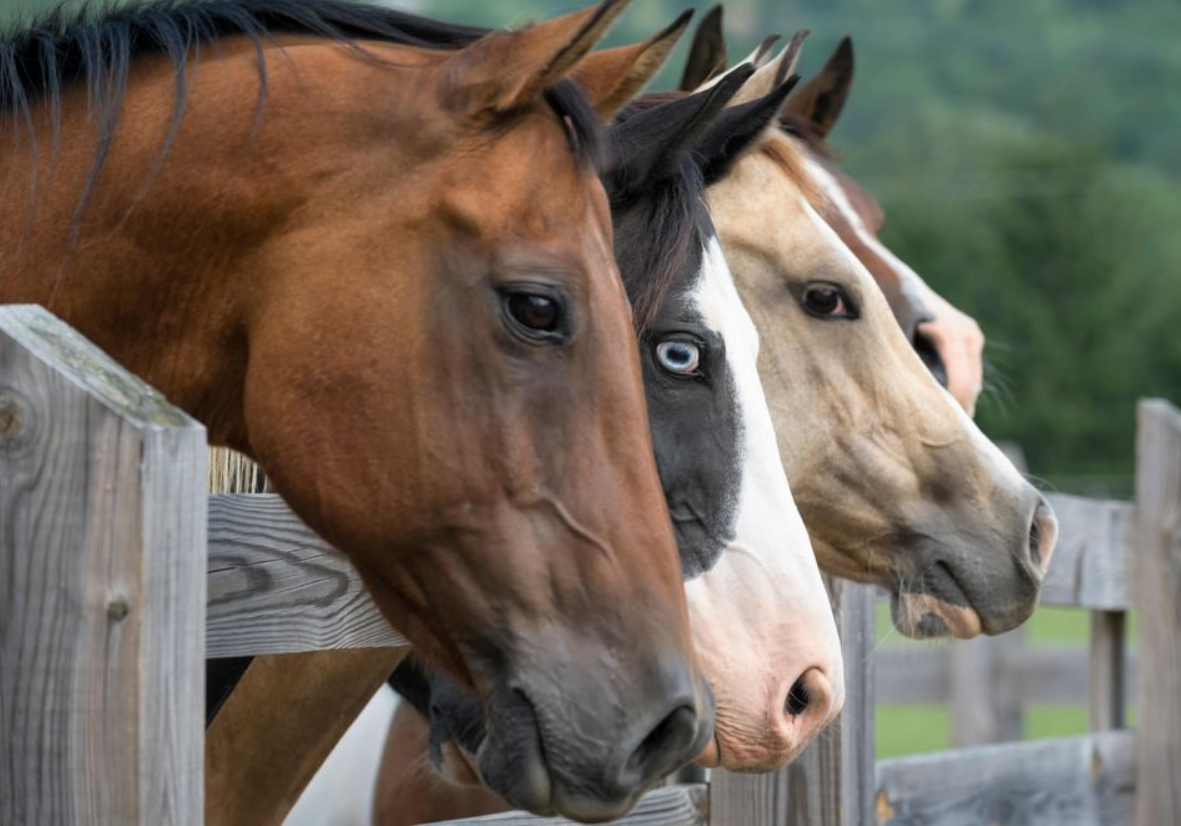
How horses communicate with each other through body language, vocalisations, and facial expressions
They use a sophisticated system of vocalisations and body language to communicate. Horses are also intelligent and have a great capacity for learning, which makes them trainable for a variety of jobs. People all throughout the globe are still enthralled and inspired by horses, whether they are riding, jumping, or just having a leisurely ride.
Fascinating facts about Horses
For thousands of years, horses have been a part of human history. Horses have shaped our civilisations in many ways, from their domestication to their use in transportation. We’ll look at some fascinating horse facts in this blog article that you may not know.
Anatomy and Physical Characteristics of Horses
Horses are powerful, huge creatures with a distinct body type. Their mane and tail are unique, and they have a strong physique and lengthy legs. Each foot of a horse has a single toe that is protected by a strong hoof. They have excellent hearing and eyesight, and their teeth erupt and develop throughout their lifetimes.
Breeds and colours of Horses
Worldwide, there are more than 300 distinct horse breeds. Every breed is different in the qualities and traits that make it up. The Arabian, Thoroughbred, and Quarter Horse are a few of the most well-liked horse breeds. These breeds are renowned for their quickness, stamina, and adaptability.
Behaviour and Communication of Horses
Horses use a variety of vocalisations, body language, and facial expressions to interact with one another. To express their feelings and intents, they utilise their noses, ears, and eyes. Horses and people communicate in a special manner, and horses and their owners often develop close relationships.
The Intelligence of Horses
Horses are very smart creatures. They are very good at solving problems and picking up new abilities quickly. Horses have an amazing recall; they can recall individuals and locations for a very long time. They can also recognise and react to signals and orders from humans.
The well-being of Horses
It is vital to maintain the health and welfare of horses. Horses need a healthy diet, frequent exercise, and regular veterinarian attention. They are prone to colic, lameness, and tooth disorders, among other health concerns. To keep them healthy generally, regular foot care and grooming are also crucial.
Various roles horses have played
Throughout history, horses have been used for a variety of reasons. They have been used in sports, agriculture, transportation, and combat. Nowadays, the main uses of horses are for leisure pursuits, including show jumping, racing, and horseback riding. They participate in treatment and rehabilitation initiatives for those with impairments as well.
Longevity and Lifespan of Horses
A horse may live for 25 to 30 years on average. Nonetheless, there are horses who have lived far into their 40s. A horse’s longevity may be impacted by hereditary, dietary, and general care. A horse may have a long and healthy life provided they get the right nourishment, exercise, and veterinary care on a regular basis.
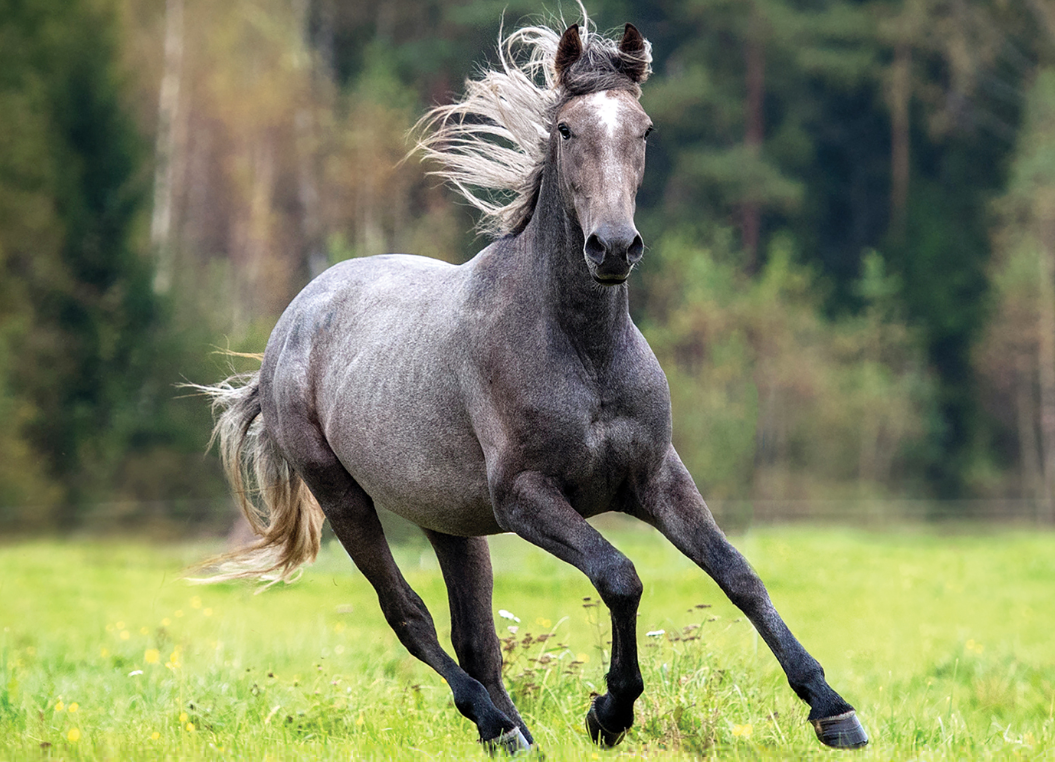
Interesting facts about Horses
For thousands of years, the horse has been an iconic animal that has greatly benefitted humanity. Here are some fascinating facts about horses, ranging from their use as a mode of transportation to their use in sports and combat.
1. Although they were not the first to utilise them, the Chinese were the ones who tamed horses some 4,000 years ago.
2. Horses can go across a wide range of terrain and have an incredible sense of balance.
3. Horses are gregarious creatures that may establish close relationships with people.
4. Horses depend on their keen sense of smell, hearing, and eyesight to detect danger.
5. Emotions like fear and anxiety are better understood by horses.
6. Horses may consume up to 10 gallons of water each day and consume hay, grass, and grains.
7. Horses can go 20 miles a day on average without stopping, and they can achieve speeds of up to 40 mph.
8. A horse may live for 25 to 30 years on average.
9. Horses may be utilised for racing, carrying loads, and other activities.
10. In an effort to understand more about horses’ social habits and feelings, researchers are examining the animals.
For millennia, horses have been a vital asset to humanity and remain so in the modern day. We can learn a lot about them since they are distinct species.
FAQ (frequently asked questions) about Horses
Q: What is a horse?
Ans: A horse is a large, domesticated mammal known for its strength, speed, and ability to be ridden or used for work and transportation. Horses have been companions to humans for thousands of years.
Q: Where do horses live?
Ans: Domesticated horses live in stables, pastures, or barns, typically under human care. Wild horses can still be found in some regions, living in open plains, deserts, and grasslands.
Q: What do horses eat?
Ans: Horses are herbivores that primarily eat grasses, hay, grains, and specialised horse feed. They also need constant access to clean, fresh water.
Q: How do horses defend themselves?
Ans: Horses defend themselves by kicking with their hind legs, biting, or running away at high speeds. Their strong flight instinct makes escape their first line of defence.
Q: How do horses reproduce?
Ans: Horses reproduce sexually, with a mare (female) giving birth to a foal after a gestation period of about 11 months. Foals are typically able to stand and walk shortly after birth.
Q: Are horses good for riding?
Ans: Yes, horses are commonly used for riding in sports, recreation, and work because they are trained for disciplines such as dressage, jumping, racing, and trail riding.
Q: How long do horses live?
Ans: Horses typically live between 25 and 30 years, although some can live longer with proper care, nutrition, and regular veterinary attention.
Q: What are the characteristics of horses?
Ans: Horses have strong, muscular bodies, long legs, flowing manes and tails, and hooves. They are social animals with keen senses and a high level of intelligence.
Q: Are horses social animals?
Ans: Yes, horses are highly social and prefer to live in groups or herds. They communicate using body language, vocalisations, and facial expressions.
Q: Can horses be trained?
Ans: Yes, horses are intelligent and responsive animals that can be trained for a wide range of tasks and behaviours through consistent, positive reinforcement and proper handling.
#Horse, #HorsesOfInstagram, #Equestrian, #HorseLovers, #HorseLife, #ShowJumping, #RidingLife, #HorsePhotography, #EquineLove, #StableLife, #Dressage, #HorseRiding, #PonyLove, #HorseAddict, #MajesticHorse
Our sources and references about Horse
1: Wikipedia
2: Encyclopaedia Britannica
3: National Geographic
4: American Quarter Horse Association (AQHA)