Quick Top 10 Facts about Spider Ball Python Morph
| SCIENTIFIC NAME | Python regius |
| CLASSIFICATION | KINGDOM: Animalia PHYLUM: Chordata CLASS: Reptilia ORDER: Squamata FAMILY: Pythonidae GENUS: Python SPECIES: P. regius |
| SIZE | Length: 3–5 feet (0.9–1.5 meters) |
| HABITAT | Captive-bred morph; wild Ball Pythons originate from grasslands and forests of West and Central Africa |
| DIET | Carnivorous; primarily feeds on small mammals and birds like mice and rats |
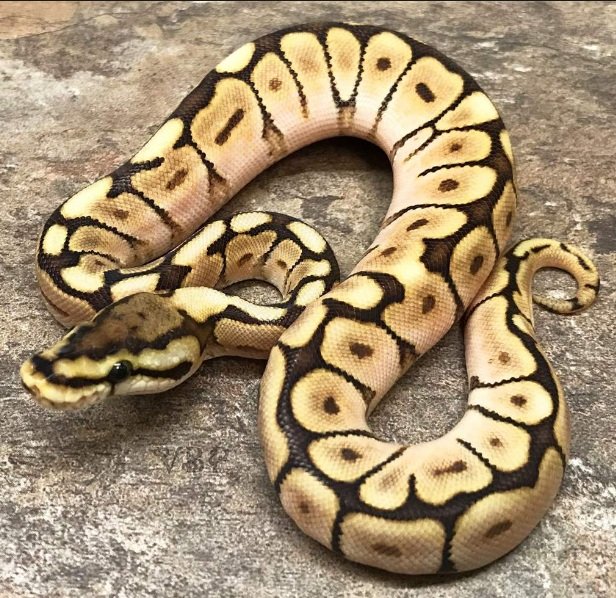
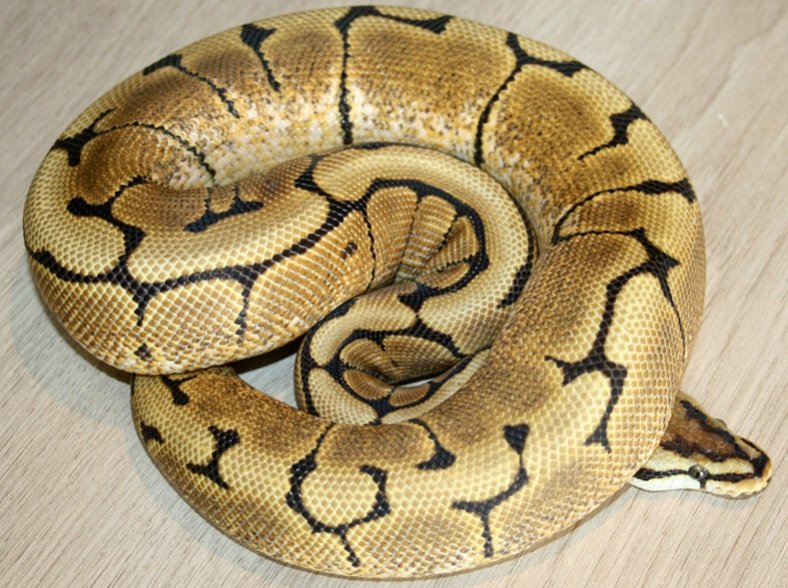
| MORPH TYPE | Spider morph — characterized by a unique, web-like pattern and light coloring |
| COUNTRY | Not found in the wild; selectively bred in captivity, mainly in the United States and Europe |
| REPRODUCTION | Oviparous; lays 4–10 eggs per clutch |
| LIFE SPAN | 20–30 years in captivity with proper care |
| CONSERVATION STATUS | Not evaluated separately; Ball Python species is listed as Least Concern in the wild |
Amazing Facts About Spider Ball Python Morphs
1. They are selectively bred
The Spider morph is not found in nature but is a result of selective breeding in captivity.
2. Known for their unique pattern
Spider Ball Pythons have a distinct web-like or “spiderweb” pattern, making them highly sought-after in the pet trade.
3. They often have a head wobble
A neurological condition called “wobble syndrome” is common in this morph, which can cause head tilting or corkscrewing motions.
4. They are calm and docile
Like other Ball Pythons, Spider morphs are gentle and make great pets for beginners.
5. Easy to care for
They require a controlled environment, regular feeding, and appropriate humidity, making them relatively low maintenance.
6. They curl into a ball when threatened
True to their name, Ball Pythons (including morphs) protect themselves by curling into a tight ball.
7. No two patterns are alike
Each Spider Ball Python has a slightly different pattern, making every individual unique.
8. Popular in herpetoculture
The Spider morph is one of the most iconic and controversial morphs due to its pattern and associated health issues.
9. Can be bred with other morphs
Breeders often cross Spider morphs with others to produce new and visually striking combinations.
10. Require ethical breeding
Due to the presence of wobble syndrome, responsible breeders emphasize the importance of ethical practices and transparency when selling Spider morphs.
Intriguing Spider-Ball Pythons: Characteristics and Care
Spider-ball pythons, with their unusual appearance and calm nature, are intriguing reptiles. For them to flourish in captivity, the right husbandry and care are needed. If you’re thinking about obtaining a spider ball python as a pet, be sure to do your homework and speak with knowledgeable breeders or reptile owners to ensure you can provide these incredible animals with the best care possible.
Understanding Spider-Ball Pythons
Spider Ball Pythons, a popular morph of the Ball Python species, stand out for their unusual appearance. These snakes feature a remarkable design with a mix of bright and dark hues that mimics a spider’s web. These pythons have wobble, a neurological disorder caused by the spider gene that impairs coordination. Despite this, the Spider-Ball Python’s alluring appearance appeals to many snake lovers.
Size and Lifespan of Spider-Ball Pythons
Spider-ball pythons, in comparison to other python species, are quite small. They are a reasonable size for most reptile keepers, growing to reach between three and five feet in length on average. These pythons are a well-liked option for novice snake owners because of their calm disposition. Spider-Ball Pythons may survive up to 20–30 years in captivity with the right treatment and care.
Essential Care Tips of Spider-Ball Pythons
It’s crucial to supply a Spider-Ball Python with an appropriate cage that has hiding places, a water dish, and the right amount of warmth and lighting. Since these snakes are carnivores and mostly consume rodents, it is critical to their health that they follow a regular feeding schedule. Frequent handling and interaction with people may help them feel less stressed and at ease. All things considered, Spider-Ball Pythons are amazing reptiles that could be a great addition to any enthusiast’s collection.
Exploring the Fascinating World of Spider-Ball Pythons: Facts and Insights
Unique Appearance of Spider-Ball Pythons
Spider-Ball Pythons, also known as Python regius, are a popular choice among reptile enthusiasts. They are a variation of the ball python species with an unusual and captivating appearance. We’ll look at some fascinating Spider-Ball Python facts below:
Size and Longevity of Spider-Ball Pythons
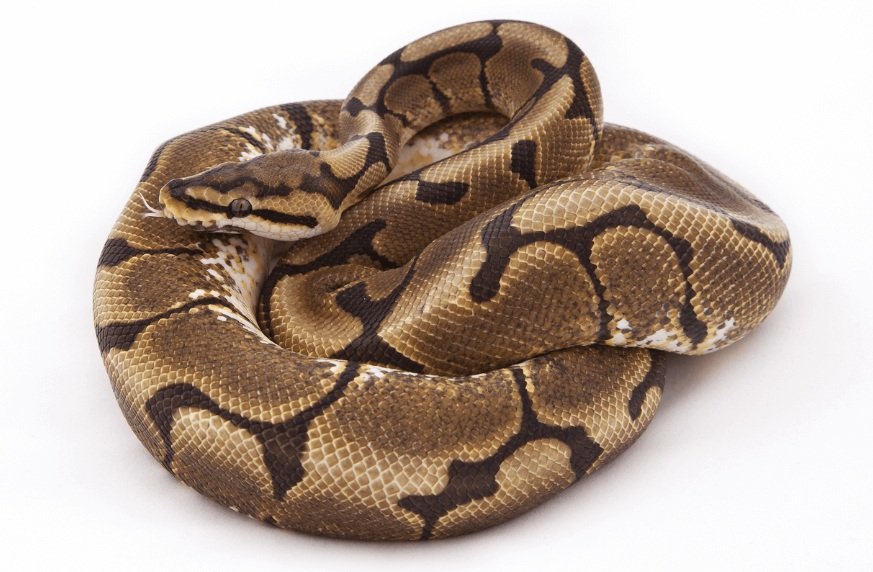
Spider ball pythons are distinguished from other ball python morphs by their unique pattern. Their name is derived from their intricate pattern of thin, elongated patterns that resemble a spider’s web. Against a lighter backdrop color, which might be white, yellow, or brown, the marks are often black or dark brown. In addition, spider ball pythons seem smoother and more streamlined due to the decreased number of scales on their abdomen. In addition, their heads are smaller than those of other ball pythons.
Temperament and Behavior of Spider-Ball Pythons
Because of their placid demeanor and overall docility, spider ball pythons are a popular option among pet owners. They are often characterized as being easy to handle, and they are well known for their kind disposition. It’s crucial to remember that every snake has a unique personality; therefore, some could be more reserved or protective than others. Spider-ball pythons are renowned for their balling activity, much like all other ball pythons. If they feel threatened or anxious, they will wrap themselves into a tight ball and put their heads in the middle for safety. This activity inspired their moniker, “ball python.”
Husbandry and Care Guidelines of Spider-Ball Pythons
A spider ball python’s health and well-being depend on proper husbandry and care. Here are some crucial things to remember:
Cage Setup for Spider-Ball Pythons
Spider-ball pythons need a large cage that is designed to resemble their natural surroundings. You may use a plastic container with tight-fitting covers or a glass terrarium. For the snake to feel comfortable, the cage has to include enough ventilation, temperature gradients, and hiding places.
Temperature and Humidity of Spider-Ball Pythons
Because they are endemic to West African tropical areas, spider ball pythons need a warm, humid habitat. The enclosure’s temperature gradient should be between 75°F and 90°F (24°C and 32°C), with a basking area at around 88°F (31°C). It’s important to keep the humidity between 50% and 60%.
Feeding Regimen of Spider-Ball Pythons
Spider-ball pythons are carnivorous and mostly consume small rodents, such as mice and rats. Adult snakes may be fed every seven to ten days, while juvenile snakes should only be given adequately sized prey every five to seven days. To avoid obesity or malnourishment, it’s important to feed the snake a balanced diet and keep an eye on its weight.
Handling and Interaction of Spider-Ball Pythons
It’s crucial to approach spider ball pythons with confidence and composure. Maintain correct body alignment and refrain from making abrupt movements that might shock them. Frequent handling may foster trust and socialization between the owner and the snake.
FAQ (Frequently Asked Questions) about Spider Ball Python Morph
Q: What is a Spider Ball Python Morph?
Ans: The Spider Ball Python Morph is a genetically altered version of the standard Ball Python (Python regius), known for its unique web-like pattern and light coloration. The “Spider” name refers to the intricate markings on its scales that resemble a spider web. It’s one of the most popular and visually striking morphs in the pet trade.
Q: Where does the Spider Ball Python come from?
Ans: Spider Ball Pythons are not a naturally occurring subspecies but are selectively bred in captivity from the standard Ball Python. The base species, Ball Pythons, are native to sub-Saharan Africa, where they inhabit savannas and grasslands.
Q: What does the Spider Ball Python look like?
Ans: Spider morphs are known for their reduced pattern and high-contrast coloration. They typically have a light brown or gold background with thin, dark brown or black lines creating a web-like or speckled pattern. Their eyes are usually a bright green or gold color, and their bellies are light and mostly patternless.
Q: How big does a Spider Ball Python get?
Ans: Adult Spider Ball Pythons usually grow to be 3 to 5 feet (0.9 to 1.5 meters) in length. Females are generally larger than males. They are relatively small and manageable compared to other python species, making them suitable for reptile keepers of all levels.
Q: Are Spider Ball Pythons venomous or dangerous?
Ans: No, Ball Pythons—including the Spider morph—are non-venomous constrictors. They subdue their prey by wrapping around and gently constricting it. They are known for their calm temperament and are one of the safest and most docile pet snake species.
Q: What do Spider Ball Pythons eat?
Ans: In captivity, Spider Ball Pythons primarily eat appropriately-sized rodents such as mice and rats. They are carnivorous and require a steady feeding schedule, usually once every 7–14 days depending on their age and size.
Q: What is the “wobble” issue with Spider morphs?
Ans: A notable concern with Spider Ball Pythons is the neurological condition known as “wobble.” This condition affects their balance and coordination, leading to head tremors, corkscrewing, or difficulty striking prey. The severity varies between individuals. Despite this, many Spider morphs live healthy lives with proper care.
Q: Can you keep a Spider Ball Python as a pet?
Ans: Yes, Spider Ball Pythons are popular pets due to their unique appearance and manageable size. They require a properly heated and humid enclosure, regular feeding, and gentle handling. Due to the potential for wobble, it’s important to buy from reputable breeders who monitor and disclose such issues.
Q: How long do Spider Ball Pythons live?
Ans: With proper care, Spider Ball Pythons can live for 20 to 30 years in captivity. Some individuals may live even longer, making them a long-term commitment for reptile keepers.
Q: Are Spider Ball Pythons good for beginners?
Ans: Yes, they are considered beginner-friendly snakes due to their calm nature and simple care requirements. However, new keepers should be aware of the wobble issue and ensure they are prepared to handle any support needs related to it.
#SpiderBallPython, #BallPythonMorph, #PetSnake, #ReptileCare, #SnakeLovers, #PythonRegius, #WobbleMorph, #ExoticPets, #SnakeFacts, #ReptileEnthusiasts
Our sources and references about Spider Ball Python Morph
1: Wikipedia – Ball Python Morphs
2: Reptifiles – Spider Ball Python
3: MorphMarket – Ball Python Morphs
4: Animal Spot – Spider Ball Python