Creatures of the night, or nocturnal animals, are an interesting class of species that have evolved to live in the dark. These creatures are different from their daytime counterparts because of their special traits and ways of behaving that allow them to hunt and travel at night. The realm of nocturnal creatures is fascinating and varied, ranging from the little and nimble bats to the elusive and cunning giant cats.
The extraordinary senses of nocturnal animals are among their most amazing characteristics. Their ears and nostrils are often more developed than those of diurnal animals because they depend more heavily on their senses of smell and hearing. For example, owls may surprise their prey by flying quietly, thanks to the unique feathers on their wings.
In contrast, bats utilize echolocation to find their way around and find food in the dark. These adaptations demonstrate the amazing ways that nocturnal creatures have developed throughout time to live long and prosper in their distinctive environments.
Discovering the mysterious and fascinating world of nocturnal creatures is fascinating. A fresh cast of characters appears as the sun sets and the surroundings get dark. These animals, which range from the elegant and elusive foxes to the agile and clever raccoons, have evolved to make the most of the darkness.
Animals that live at night have developed a variety of coping mechanisms to deal with the difficulties of their nocturnal existence. Certain animals, such as the leisurely-moving sloths, save energy throughout the day and become active at night when it’s colder. Some, like the nimble and acrobatic lemurs, have evolved excellent night vision to help them find their way through the deep woods they live in.
They have a competitive advantage in their habitats thanks to these adaptations, which let them make use of food sources that are inaccessible or unavailable during the day.
Studying nocturnal creatures illuminates the delicate balance of ecosystems and offers insights into their special adaptations. Scientists may get a better grasp of the complex web of life that occurs in the dark by studying the behaviours and ecological functions of these organisms. The world of nocturnal creatures, which includes everything from tiny insects to massive carnivores, is proof of the amazing variety of nature and the amazing ways in which life has adapted to various settings.
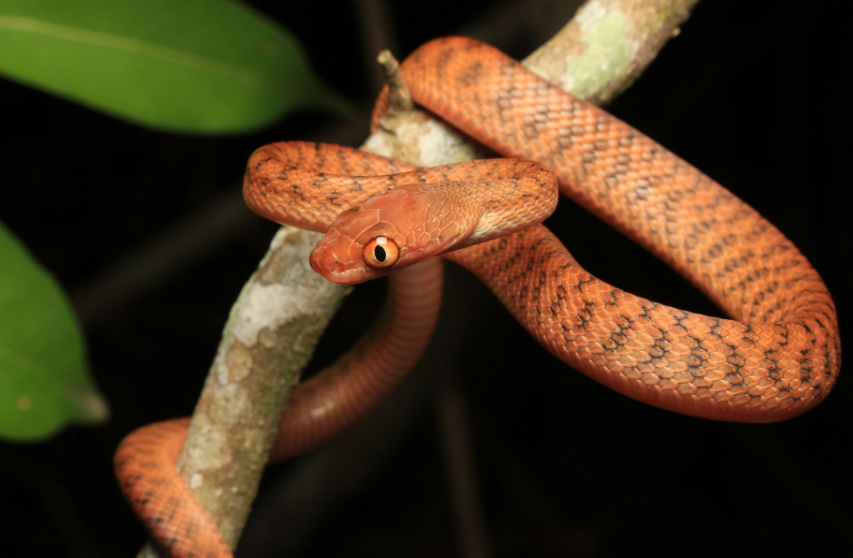
Quick Top 10 Facts about Brown Tree Snake SCIENTIFIC NAME Boiga irregularis CLASSIFICATION KINGDOM: Animalia PHYLUM: Chordata CLASS: Reptilia ORDER: Squamata FAMILY: Colubridae GENUS: Boiga SPECIES: B. irregularis SIZE Length:…
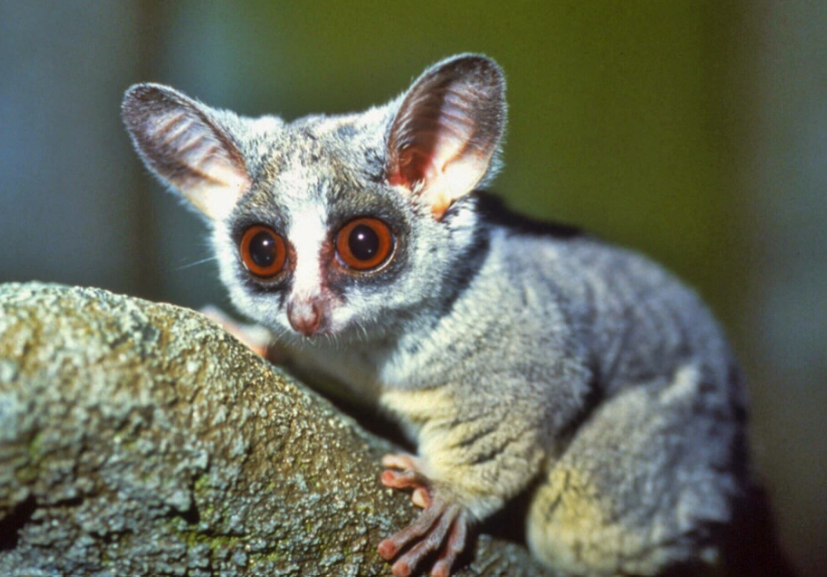
Quick Top 10 Facts about Bush Baby (Galago) SCIENTIFIC NAME Galago spp. CLASSIFICATION KINGDOM: Animalia PHYLUM: Chordata CLASS: Mammalia ORDER: Primates FAMILY: Galagidae GENUS: Galago and others SIZE Length: 5–18…
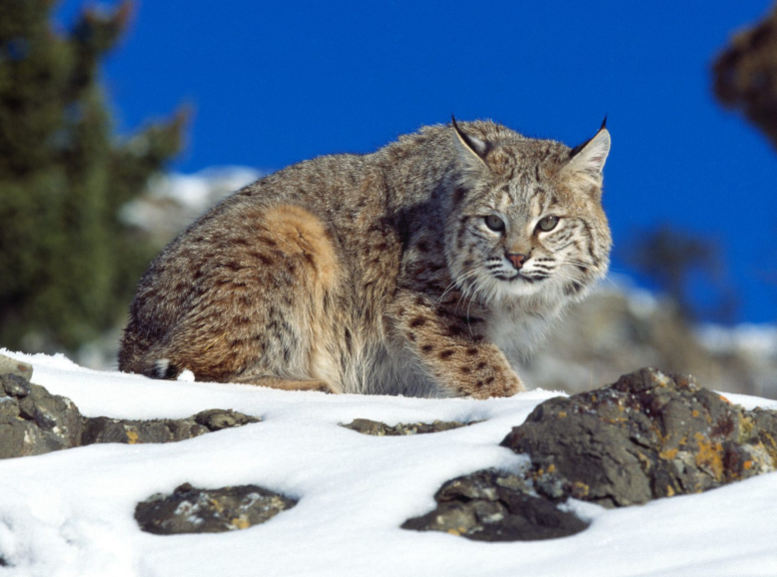
A wild cat native to North America, recognizable by its short tail and tufted ears. Bobcats are solitary hunters, preying on small mammals, birds, and reptiles. They are highly adaptable…
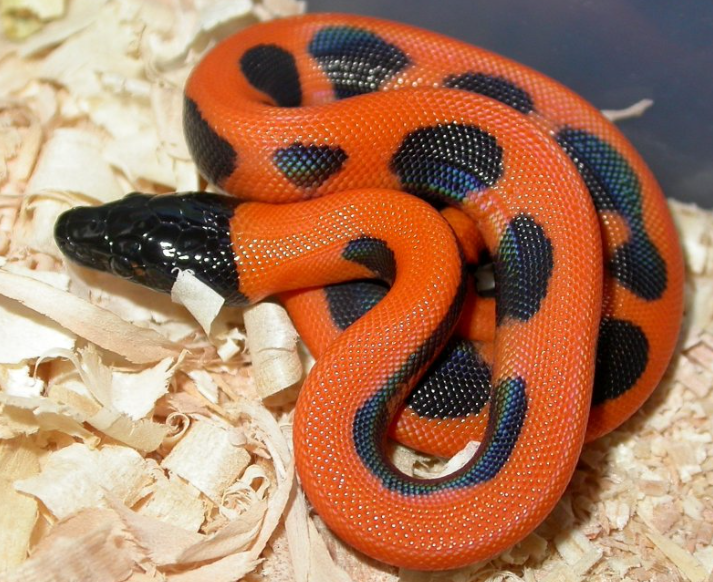
Quick Top 10 Facts about Bismarck Ringed Python SCIENTIFIC NAME Bothrochilus boa CLASSIFICATION KINGDOM: Animalia PHYLUM: Chordata CLASS: Reptilia ORDER: Squamata FAMILY: Pythonidae GENUS: Bothrochilus SPECIES: B. boa SIZE Length:…
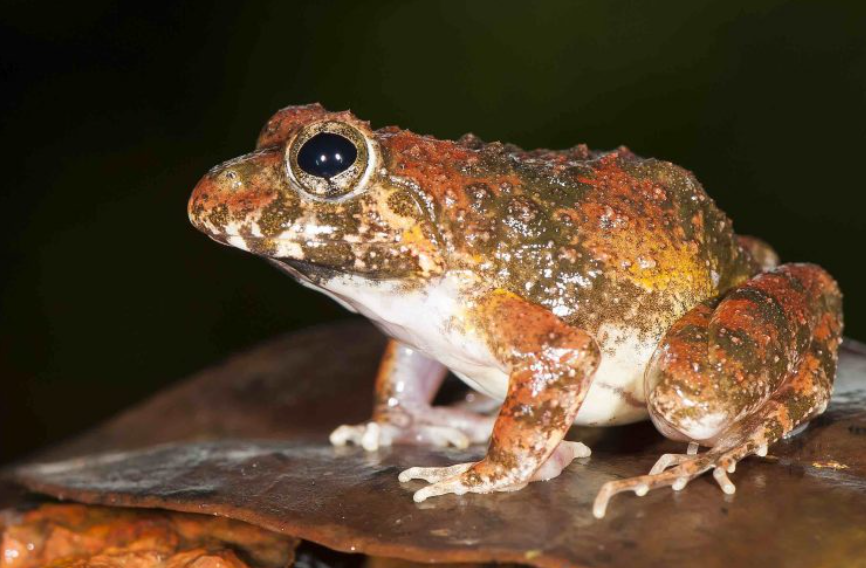
Quick Top 10 Facts about Burrowing Frog SCIENTIFIC NAME Various species (e.g., Heleioporus spp., Cyclorana spp., Glyphoglossus spp.) CLASSIFICATION KINGDOM: Animalia PHYLUM: Chordata CLASS: Amphibia ORDER: Anura FAMILY: Myobatrachidae, Hylidae,…
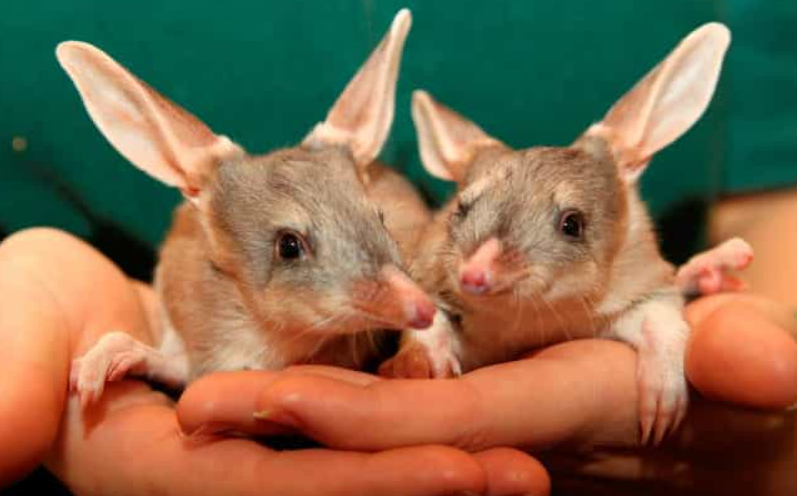
A nocturnal marsupial native to Australia, known for its long ears and burrowing habits. Bilbies are omnivores, feeding on a variety of plants and insects, and are an endangered species…
The Wolf Spider is a species of spider known for its large size and aggressive behavior. Unlike most spiders, wolf spiders do not spin webs to catch prey. Instead, they…