Quick Top 10 Facts about Blood Python Snake
| SCIENTIFIC NAME | Python brongersmai |
| CLASSIFICATION | KINGDOM: Animalia PHYLUM: Chordata CLASS: Reptilia ORDER: Squamata FAMILY: Pythonidae GENUS: Python |
| SIZE | Typically 4–6 feet (1.2–1.8 meters), but can grow up to 8 feet |
| HABITAT | Rainforests, swamps, marshes, and tropical lowlands of Southeast Asia |
| DIET | Carnivorous – feeds on small mammals, birds, and reptiles |
| SPECIES | One distinct species: Python brongersmai |
| COUNTRY | Native to Malaysia, Thailand, Indonesia, and surrounding regions |
| GESTATION PERIOD | Lays eggs – incubation lasts around 2–3 months |
| LIFE SPAN | Average of 20–25 years in captivity; slightly less in the wild |
| CONSERVATION STATUS | Not currently endangered, but threatened by habitat destruction and pet trade |
Amazing Facts About Blood Python Snake
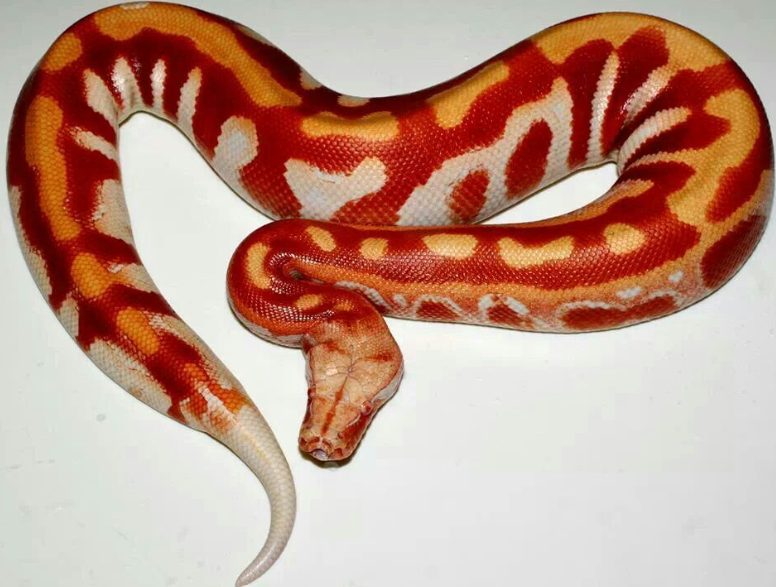
1. Named for their reddish color
Despite the ominous name, “Blood Python” refers to the deep, reddish-brown coloration often found on these snakes.
2. Known for their girthy bodies
Blood Pythons are relatively short for pythons but are extremely thick-bodied and muscular.
3. Non-venomous constrictors
They kill prey by wrapping around it and squeezing until the animal suffocates.
4. Can be defensive when young
Juvenile Blood Pythons can be snappy, but with proper handling and care, they become quite docile.
5. Popular in the fascinating pet trade
Due to their stunning colors and manageable size, Blood Pythons are increasingly bred in captivity.
6. Heat-sensing pits for hunting
Like other pythons, they have heat-sensing pits on their face to detect warm-blooded prey.
7. Females are usually larger
Female Blood Pythons tend to grow bigger and heavier than males, especially during breeding seasons.
8. Excellent swimmers
They are semi-aquatic and comfortable in swampy environments where they can swim well.
9. They’re ambush predators
Blood Pythons prefer to lie in wait for unsuspecting prey rather than actively chase it.
10. They play a role in rodent control
In the wild, these snakes help control small mammal populations, contributing to ecosystem balance.
Blood Python’s taxonomic classification within the Pythonidae family
Native to Southeast Asia, blood pythons, also known by their scientific name, Python brongersmai, are a species of non-venomous snake. Their unique red colouring, which resembles blood, gave rise to their name. Males of these python species usually grow larger than females, and they have a strong, muscular physique. While some have been known to grow as long as eight feet, they typically reach an average length of four to six feet.
Native range in Southeast Asia, specifically in countries like Thailand, Malaysia, and Indonesia
The swamps and rainforests of Southeast Asia, which include nations like Thailand, Malaysia, and Indonesia, are home to the majority of the world’s blood python population. These animals are semi-aquatic and are frequently found close to water sources like marshes and rivers. These pythons can submerge themselves for long periods of time and are exceptional swimmers. They can climb trees and other vegetation with skill, thanks to their powerful bodies and keen claws.
Feeding habits, including the ability to consume prey larger than its own head through jaw flexibility
Blood pythons eat a wide range of prey because they are carnivores. Small to medium-sized mammals, including rats, mice, and birds, make up the majority of their diet. Being ambush predators, they wait patiently for their prey to approach them before making a swift and potent attack. Because of their powerful jaws and sharp teeth, blood pythons can suffocate and constrict their prey before swallowing it whole.
All things considered, blood pythons are amazing animals with distinctive traits. They are a fascinating species to research and watch in the wild because of their vivid red colouring, ability to adapt to various habitats, and hunting strategies.
Traits, environment, maintenance, and fascinating facts about the Blood Python snake
Native to Southeast Asia, the Blood Python, technically known as Python brongersmai, is a species of non-venomous snake. It belongs to the family Pythonidae and is distinguished by its unusual behaviour and remarkable looks.
Visual appeal and qualities:
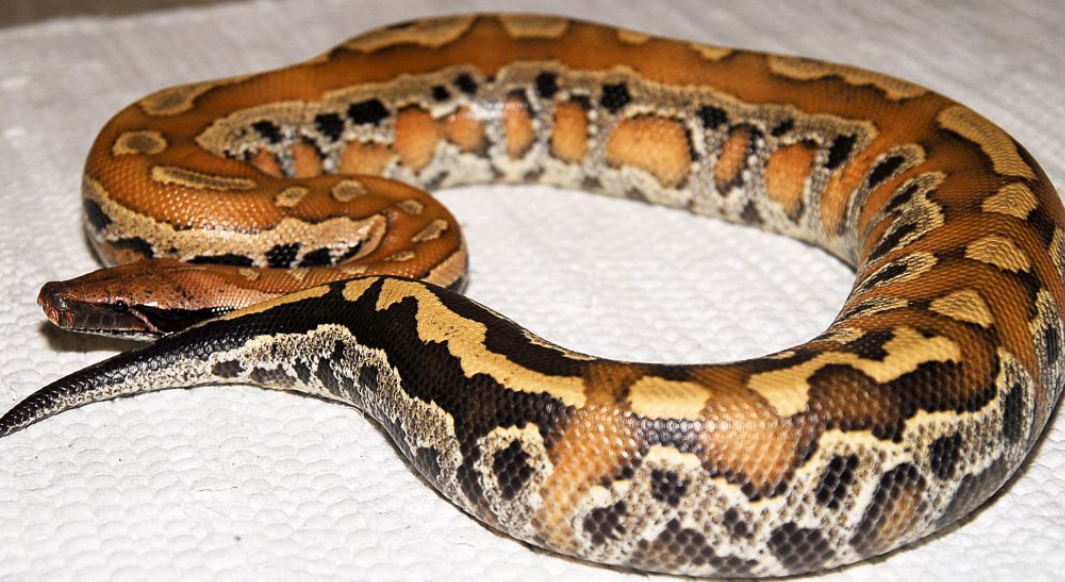
A medium-sized snake, the blood python may reach lengths of five to six feet. Its head is triangular in form, and its body is robust and muscular. The vivid red, orange, or brown colouring of the snake—which resembles blood—gives rise to its name. Still, there are Blood Python varieties that display other colours, including black or yellow.
The smooth scales that give the Blood Python a shiny sheen are one of its most characteristic traits. The snake can navigate through its surroundings more easily because of these scales. Furthermore, blood pygmies can identify warm-blooded prey thanks to heat-sensing pits on their lips.

Distribution and Habitat:
The swamps and jungles of Southeast Asia, which include Malaysia, Indonesia, Thailand, and other nations, are home to blood pythons. They are often found close to water sources and do well in humid situations. Being semi-aquatic, these snakes have powerful bodies and powerful tails that let them swim through the water.
Blood pythons live in the thick undergrowth of the rainforest floor in the wild, where they may find food and refuge. Although they are mostly terrestrial, they have also been seen to climb trees and enjoy the sun. Being solitary animals, blood pythons would rather hide during the day and become more active at night.
Care and maintenance:
Knowing the particular care needs of a blood python is crucial if you’re thinking about keeping one as a pet. These snakes need a large cage that closely resembles their native surroundings. The best kind of enclosure is a glass terrarium or a plastic one with safe locks and enough ventilation.
Provide a moisture-retaining substrate, such as coconut husk or cypress mulch, within the cage. Keep the enclosure’s temperature gradient between 88–92°F (31-33°C) on the warm side and 78–82°F (25–28°C) on the cold side. To reach the appropriate temperatures, use heating pads or lights.
Humidity is essential for blood pythons:
keeping the humidity level between 60 and 70 percent is critical. You may do this by giving the cage a daily mist and giving the snake access to a big dish of water to soak in. Enriching the snake’s surroundings with hiding places and climbing branches is also advised.
Because they are carnivores, blood pythons mostly eat small animals like rats and mice. It’s critical to feed your snake prey items that are the right size—that is, neither too big nor too little. Depending on the size and age of the snake, feeding should occur once every one to two weeks.
Interesting Facts About the Blood Python:
The Blood Python is normally placid and may make an excellent pet for experienced snake owners, despite its frightening look.Blood Pythons may hiss, swell up, and launch defensive strikes when they feel threatened. They don’t have a reputation for being hostile, however.It is well known that female blood pythons make wonderful moms. They will guard their eggs until they hatch by coiling around them.Given their 20–30-year lifetime in captivity, blood pythons need long-term care as pets.With a feeding technique known as “ambush feeding,” these snakes wait for their victim to get close before striking.
A fascinating snake species that exemplifies the variety and beauty of nature is the blood python. This snake has acquired its reputation as an intriguing animal because of its striking colouring and distinctive habits. Make sure you provide a blood python with the right care and surroundings if you’re thinking about keeping one as a pet. These snakes may flourish and grow to be valued members of your reptile family with the right handling and care.
FAQ (Frequently Asked Questions) about Blood Python Snake
Q: What is a Blood Python?
Ans: The Blood Python (Python brongersmai) is a species of non-venomous constrictor snake found primarily in Southeast Asia, particularly in Thailand, Malaysia, Sumatra, and surrounding regions. It is known for its robust body, striking coloration, and relatively short but heavy build compared to other pythons.
Q: Why is it called the Blood Python?
Ans: The Blood Python gets its name from its coloration—many individuals have a deep reddish or rusty hue that resembles the color of dried blood. However, their color can vary widely from yellowish-brown to bright red, depending on the individual and locality.
Q: How big do Blood Pythons get?
Ans: Blood Pythons typically grow to a length of 4 to 6 feet (1.2 to 1.8 meters), though some individuals may exceed this size. Despite their moderate length, they are very thick-bodied and heavy, often weighing more than other snakes of similar length.
Q: Are Blood Pythons aggressive?
Ans: Blood Pythons have a reputation for being defensive, especially in the wild or when stressed. However, captive-bred individuals, when handled regularly and properly socialized, can be calm and tolerant of handling. Proper husbandry, patience, and consistency are key to developing a good relationship with a Blood Python.
Q: What do Blood Pythons eat?
Ans: Blood Pythons are carnivores and feed on small mammals such as rats and mice. In captivity, they are typically fed pre-killed or frozen-thawed rodents. Younger snakes should be fed once a week, while adults may only need feeding every 2–3 weeks depending on their size and activity level.
Q: Are Blood Pythons good for beginners?
Ans: Due to their specific care needs, large size, and sometimes defensive nature, Blood Pythons are generally recommended for intermediate to advanced reptile keepers. They require controlled temperature and humidity levels, a proper enclosure size, and regular handling to remain docile.
Q: What kind of habitat do Blood Pythons need?
Ans: Blood Pythons thrive in warm and humid environments. In captivity, their enclosure should provide a temperature gradient from around 78°F (25°C) to 88°F (31°C) with a humidity level of 60–70%. They also need a secure hide, fresh water, and a substrate that maintains humidity, such as cypress mulch or coconut husk.
Q: How long do Blood Pythons live?
Ans: With proper care, Blood Pythons can live for 20 to 25 years in captivity. Providing a stress-free environment, proper diet, and regular veterinary care will help ensure a long, healthy life.
Q: Do Blood Pythons make good pets?
Ans: For experienced reptile keepers, Blood Pythons can make rewarding pets. They are impressive, beautiful snakes with unique personalities. However, their husbandry needs and potential for defensive behavior mean they are best suited to keepers with some prior experience with large constrictors.
Q: Are Blood Pythons venomous?
Ans: No, Blood Pythons are non-venomous. They are constrictors, meaning they subdue their prey by coiling around it and squeezing until the prey can no longer breathe. They are not dangerous to humans when handled correctly and respectfully.
#BloodPython, #PythonBrongersmai, #SnakeCare, #ReptilePets, #ExoticPets, #Constrictor, #ReptileLovers, #SnakesOfAsia, #CaptiveBred, #SnakeFacts, #SnakeEnthusiasts
Our sources and references about Blood Python Snake
1: Wikipedia – Blood Python (Python brongersmai)
2: ReptiFiles – Blood Python Care
3: Thermo Fisher – Meet the Blood Python
4: A-Z Animals – Blood Python