How Animals Differ From Each Other
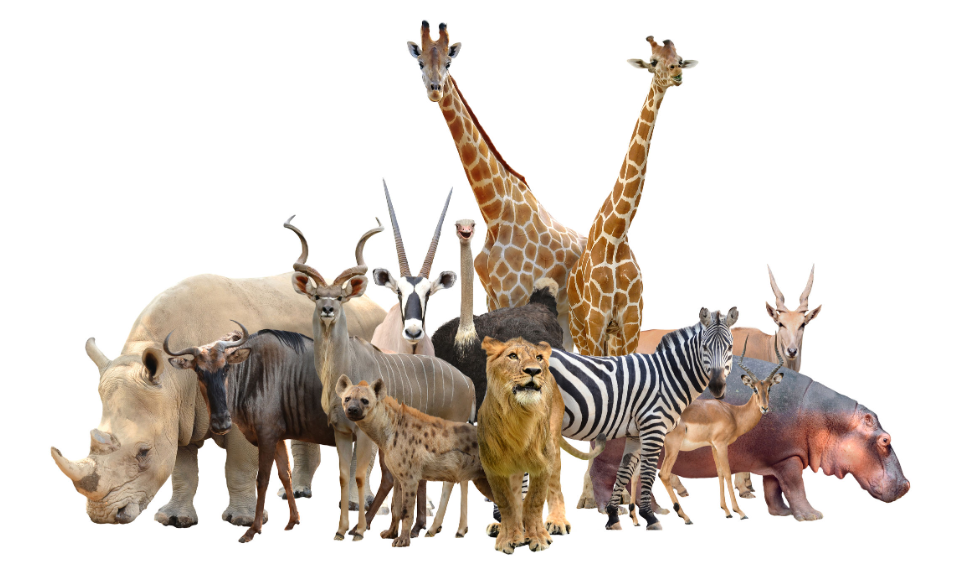
Animals provide a remarkable glimpse into the diversity of nature, as they appear in a wide range of sizes, shapes, and biological forms. Although all animals share certain fundamental characteristics, clear differences exist among species. These differences help scientists classify animals and understand how they adapt to diverse ecosystems and environmental conditions.
Characteristics of Different Animals
The most visible way animals differ lies in their morphological characteristics. Features such as size, colour, body shape, and specialised structures like fins, wings, horns, or shells help identify each species. Physical traits often link closely with behaviour, as body structure influences how animals move, hunt, or survive. Although closely related species may share similarities, each animal species displays its own distinct behavioural patterns.
Environmental Needs of Animals
Animal species differ significantly in their environmental requirements. Each species prefers specific temperatures, habitats, and living conditions that support survival. These preferences often develop through long-term adaptation to climate and available resources. Migration in certain animals highlights this variation, as species travel in search of habitats that best meet their environmental needs.
Dietary Differences Among Animals
The diets of animals vary widely across species. Herbivores, carnivores, and detritivores depend on specific food sources to meet their nutritional requirements. Omnivores, however, consume both plant and animal matter, allowing them to adapt to a broader range of environments. These dietary differences influence animal behaviour, habitat selection, and ecological roles.
Animal Intelligence and Cognition
Another important distinction among animals involves intelligence and cognitive ability. Animals display varying levels of problem-solving skills, learning capacity, and awareness. Even species within the same genus may show noticeable differences in intelligence. These variations often reflect environmental pressures and the complexity of survival challenges faced by each species.
Unique Traits Across Animal Species
The animal kingdom clearly demonstrates how nature promotes diversity and adaptability. Although several species share certain traits, they may still differ greatly in structure, behaviour, and survival strategies. Observing and analysing these differences deepens our understanding of animal diversity and highlights the richness of the natural world.
An animal’s body structure also helps distinguish it from others. Vertebrates possess a backbone, while invertebrates lack one. Behavioural traits, such as whether animals live alone or in groups, further support classification. Animals may also be grouped according to habitat, such as aquatic, terrestrial, or aerial species.
Adaptations for Survival Environments
Understanding differences among animals remains important for many reasons. It helps explain how species evolve and adapt to their environments over time. This knowledge also clarifies each species’ ecological role and interactions within ecosystems. Studying these distinctions allows humans to appreciate Earth’s biodiversity and strengthens the importance of conservation efforts.
Distinct Traits and Animal Facts
Animals represent a diverse collection of living organisms on Earth. From microscopic insects to massive elephants, every species displays unique traits and adaptations that support survival in specific habitats. Exploring these differences reveals how animal diversity contributes to ecological balance and environmental stability.
Animal Size and Body Structure
Size and body structure remain among the most obvious differences between animals. Species range from tiny tardigrades to enormous blue whales. Some animals, such as mammals, possess internal skeletons, while insects and crustaceans have exoskeletons. These structural differences allow animals to occupy different ecological niches and perform specialised roles within ecosystems.
Reproduction in Animal Species
Animals reproduce using a variety of methods. Fish and reptiles often lay eggs and reproduce externally, while mammals give birth to live young. Some animals, such as frogs, undergo metamorphosis, while birds perform complex courtship behaviours. These reproductive strategies support species survival and population stability.
Eating Habits of Animals
Animals display diverse feeding behaviours to obtain energy and nutrients. Carnivores, such as lions and tigers, consume other animals, while herbivores, including cows and rabbits, rely on plant-based diets. Omnivores, such as bears and humans, eat both plants and animals. Some species feed on blood, nectar, or specialised food sources, contributing to ecological balance.
Animal Communication and Social Behaviour
Animals use various communication methods to interact. Birds rely on songs, while bees perform dances to share information about food sources. Social behaviour also differs greatly among species. Some animals live solitary lives, while others form organised colonies or social groups. Communication and social structures play a vital role in species survival.
Environmental Adaptations in Animals
Animals develop specialised adaptations to survive in different environments. Desert animals, such as camels and lizards, conserve water and tolerate heat. Arctic species, including polar bears and penguins, rely on insulation to survive extreme cold. Aquatic animals, such as fish and dolphins, possess streamlined bodies and specialised respiratory systems that support life underwater.
Cognitive Abilities in Animals
Animals display varying levels of intelligence and cognitive ability. Species such as elephants and dolphins show advanced social awareness and problem-solving skills. Birds like crows and parrots demonstrate remarkable learning and tool use. These cognitive abilities enhance survival and adaptability across environments.
Unique Features in Animals
Animal diversity remains vast and fascinating. Each species possesses a unique combination of physical traits, behaviours, diets, reproductive strategies, adaptations, and cognitive abilities. Understanding these differences strengthens appreciation for wildlife and reinforces the importance of conserving animal species and protecting global biodiversity.