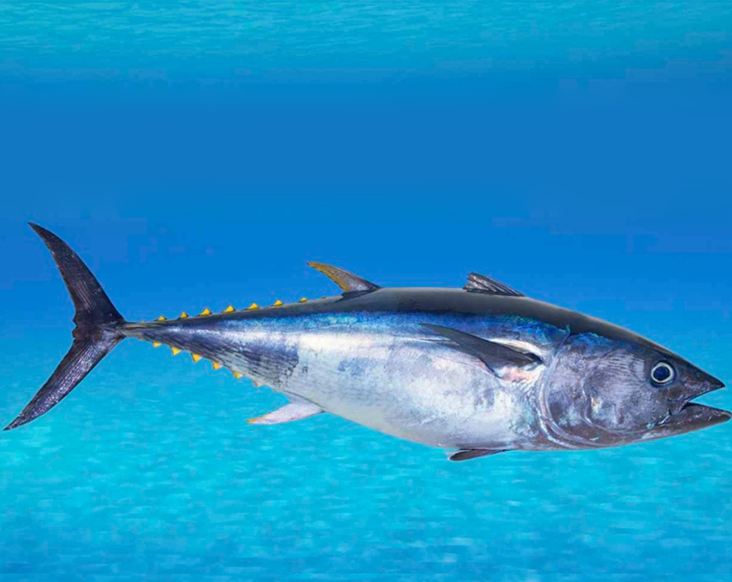
Gaining knowledge of the complexities of aquatic life—particularly the wide variety of fish species—is an important skill. Learning about and understanding fish involves a broad variety of subjects, such as their morphology, physiology, behavior, and ecological responsibilities. People can now comprehend the richness, complexity, and significance of fish species, as well as their role in preserving the delicate equilibrium of aquatic ecosystems, thanks to this thorough knowledge.
There is a lot of information about fish that goes beyond just becoming acquainted with these marine animals. It entails investigating the intricacies of fish biology, learning about how they have adapted to many habitats, and solving the riddles surrounding their life cycles. Studying fish provides insights into their amazing capacity to endure and flourish in a variety of environments, from freshwater lakes and rivers to the wide open sea.
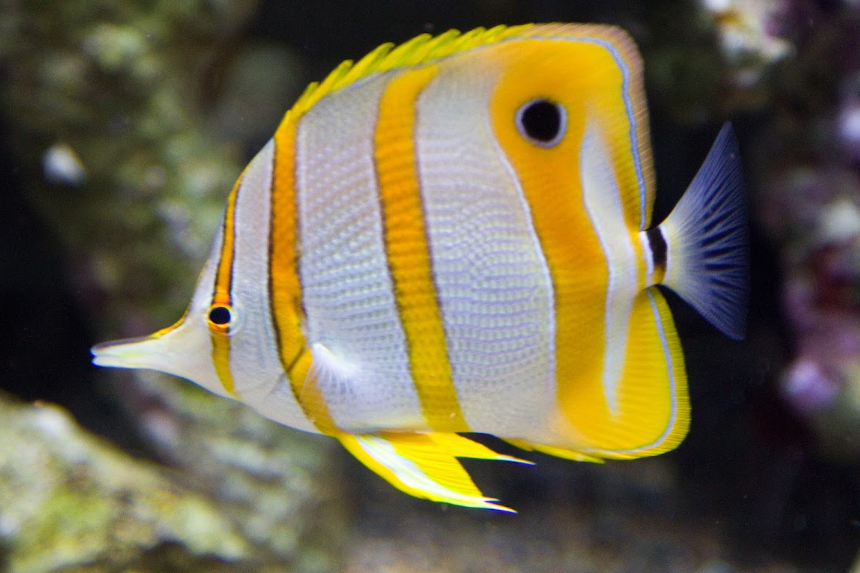
Quick Top 10 Facts about Butterfly Fish SCIENTIFIC NAME Chaetodon (Genus of Butterflyfish) CLASSIFICATION KINGDOM: Animalia PHYLUM: Chordata CLASS: Actinopterygii ORDER: Perciformes FAMILY: Chaetodontidae GENUS: Chaetodon SIZE Typically 3 to…
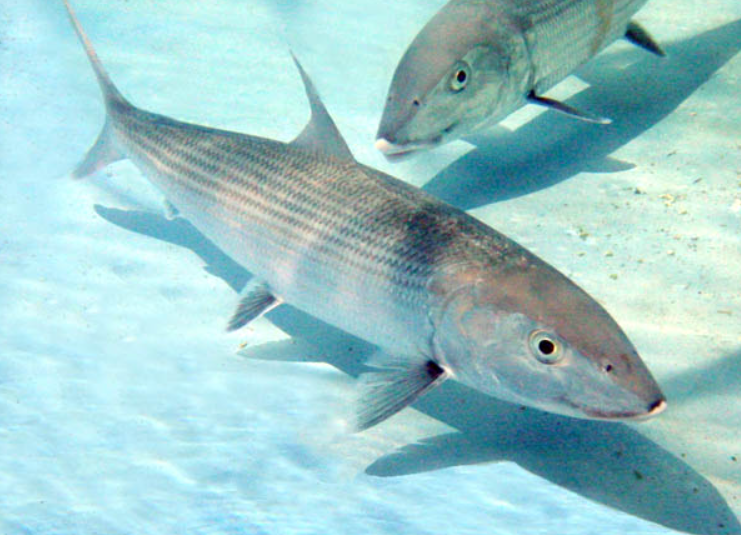
Quick Top 10 Facts about Bonefish SCIENTIFIC NAME Albula vulpes CLASSIFICATION KINGDOM: Animalia PHYLUM: Chordata CLASS: Actinopterygii ORDER: Carangiformes FAMILY: Albulidae GENUS: Albula SPECIES: A. vulpes SIZE Length: Up to…
Quick Top 10 Facts about Bonito Fish SCIENTIFIC NAME Sarda sarda CLASSIFICATION KINGDOM: Animalia PHYLUM: Chordata CLASS: Actinopterygii ORDER: Perciformes FAMILY: Scombridae GENUS: Sarda SPECIES: S. sarda SIZE Length: Up…
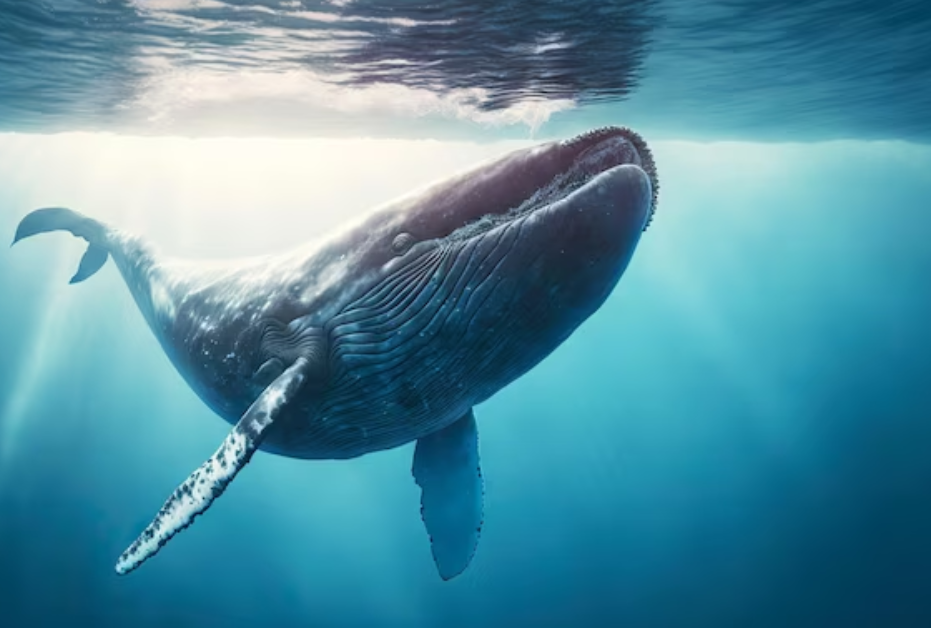
Whales are the largest animals on Earth and are known for their intelligence, complex communication, and breathtaking size. These marine mammals play a vital role in maintaining ocean ecosystems and…