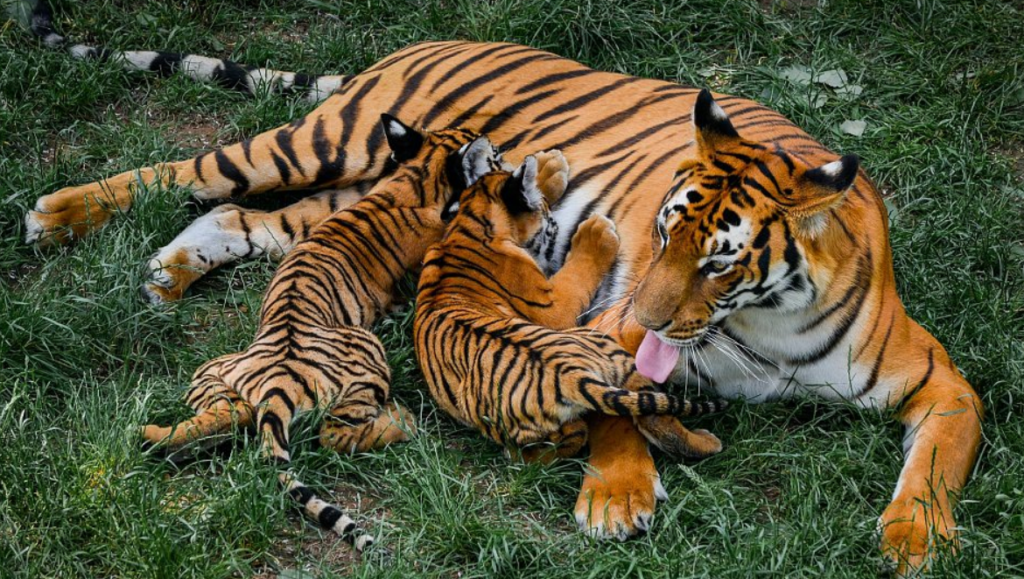
The South China Tiger is a critically endangered subspecies of tiger found in the southern regions of China. It is known for its distinctive coat, with bold orange and black stripes. This tiger is highly endangered, with only a few individuals left in the wild due to habitat loss and poaching.
Quick Top 10 Facts about South China Tiger
| SCIENTIFIC NAME | Panthera tigris amoyensis |
| CLASSIFICATION | KINGDOM: Animalia PHYLUM: Chordata CLASS: Mammalia ORDER: Carnivora FAMILY: Felidae GENUS: Panthera SPECIES: P. tigris SUBSPECIES: P. t. amoyensis |
| SIZE | Length: 7.4–8.5 feet (2.3–2.6 meters) Weight: 220–330 pounds (100–150 kg) |
| HABITAT | Mountainous forests and subtropical evergreen forests in southern China (historically in Fujian, Hunan, and Guangdong provinces) |
| DIET | Carnivorous; feeds on wild boar, deer, and other small to medium-sized mammals |
| SPECIES | South China Tiger, also known as the Amoy Tiger; critically endangered and possibly extinct in the wild |
| COUNTRY | Endemic to China, especially southern regions; currently only found in captivity |
| LIFE SPAN | 15–20 years in captivity; unknown in the wild due to rarity |
| CONSERVATION STATUS | Critically Endangered (IUCN); functionally extinct in the wild |
Amazing Facts About South China Tigers
1. They are among the rarest tigers
The South China Tiger is considered functionally extinct in the wild and is one of the most critically endangered tiger subspecies.
2. They are smaller than other tiger subspecies
Compared to Bengal or Siberian tigers, South China tigers are more compact and lighter in weight.
3. They were once widespread in China
Historically, these tigers roamed throughout southeastern China, but habitat loss and hunting have decimated their numbers.
4. They are extremely elusive
There have been no confirmed sightings of South China Tigers in the wild since the 1990s.
5. They are part of a captive breeding program
Several zoos and conservation centres in China and South Africa are working to preserve the genetic line through breeding.
6. They have a distinctive look
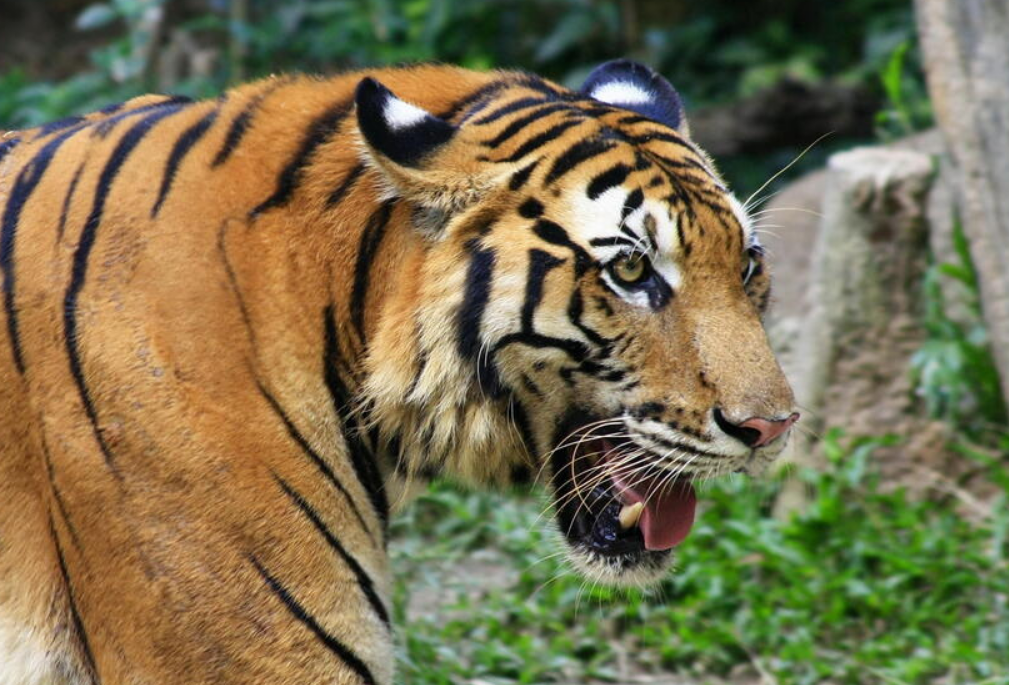
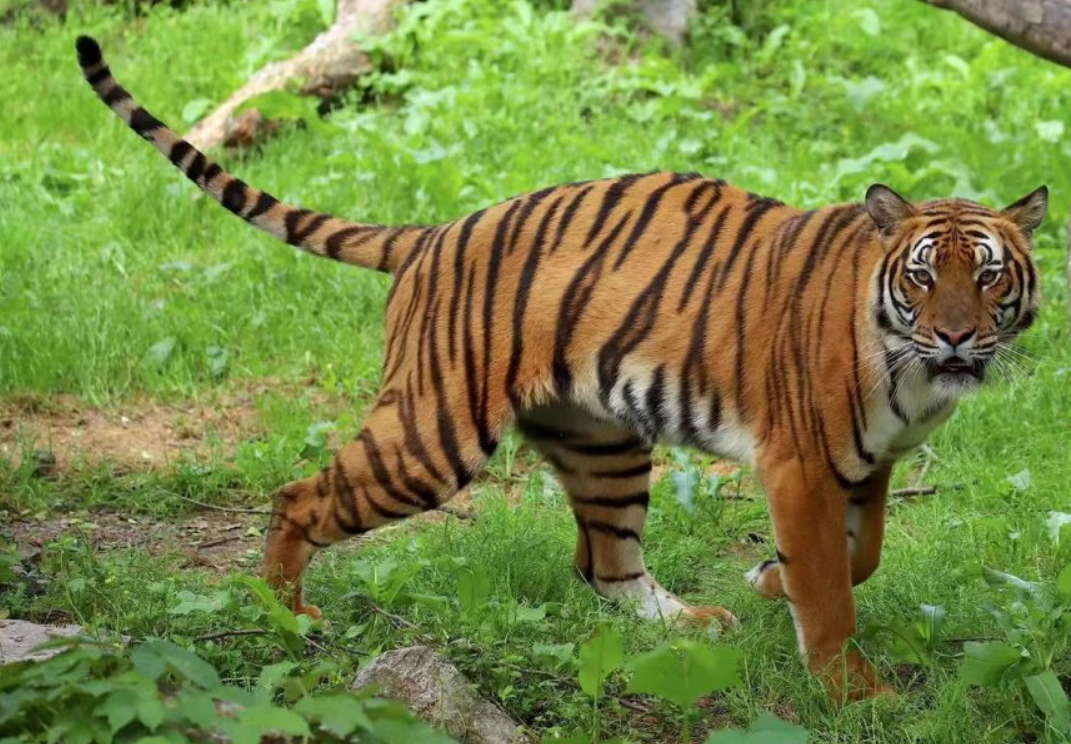
South China Tigers have narrow, closely spaced stripes and a more golden-orange coat compared to other subspecies.
7. They symbolize Chinese heritage
As the most historically significant tiger in China, they feature prominently in Chinese culture and mythology.
8. They are apex predators
In their natural habitat, South China Tigers were top predators, playing a key role in maintaining ecological balance.
9. Rewilding efforts are ongoing
Programs in China and abroad are attempting to reintroduce captive-bred individuals into semi-wild conditions.
10. Their extinction was driven by policy
In the 1950s, South China Tigers were declared pests, and government-sponsored hunts led to rapid population decline.
The Imperiled South China Tiger: Preserving a Magnificent Species
Native to the southern part of China, the South China Tiger, also called the Chinese Tiger or Amoy Tiger, is a critically endangered species. With males averaging around 330 pounds and females weighing about 240 pounds, it is one of the smallest tiger subspecies. These tigers are easily recognised by their thin, tightly spaced stripes and small, wide heads.
Decline and Conservation Efforts
The South China Tiger was formerly widely distributed across southern China, but poaching and habitat destruction have severely reduced the species’ numbers. Currently, the number of individuals in the wild is thought to be fewer than 30, placing it among the most endangered large cat species globally. This species is being protected and conserved through various initiatives, including habitat restoration and captive breeding operations.
Behavior and Habitat
Male South China Tigers have larger territories than females, and their species is solitary and territorial. They hunt mostly at night and consume a range of ungulates, including wild boar and deer. Because of their exceptional adaptability, these tigers can live in a variety of environments, including mountains, grasslands, and forests. But because of human activity, their natural habitat has become more fragmented, resulting in a population decrease. The goal of conservation groups is to unite scattered habitats and preserve this amazing species by establishing protected areas and corridors.
Distinctive Traits and Historical Range
The severely endangered South China tiger, also known as the Chinese tiger or Amoy tiger, is a native of southern China. Here are a few fascinating facts about this magnificent animal:
Defense Mechanisms and Threats
The South China tiger is a lone, territorial species. It uses urine to mark its territory and leaves claw marks on trees. It hunts mostly at night, feeding on a range of ungulates, including wild boar and deer. Because it is the top predator, it is critical to preserving the equilibrium of the ecosystem. Because of their exceptional agility and stealth, these tigers are renowned for their ability to discreetly track their victims before making a sudden assault. With their strong jaws and retractable, sharp claws, they can take down bigger creatures than themselves.
Preservation Efforts and Cultural Significance
One of the world’s most endangered tiger subspecies is the South China tiger. Fewer than thirty specimens are thought to remain in captivity, and none are thought to live in the wild. This species’ demise can be attributed to a variety of factors, including habitat degradation, unlawful killing, and the use of tiger parts in traditional Chinese medicine. To preserve and restore the South China tiger to its native environment, conservation groups like Save China’s Tigers are working nonstop. These initiatives include habitat restoration, breeding initiatives, and public education about the value of tiger protection.
Ecological Impact and Genetic Diversity
In addition to being a representation of China’s cultural past, the South China tiger is essential to preserving the natural equilibrium of its environment. As the area’s top predator, it helps maintain the area’s biodiversity by limiting overgrazing and regulating herbivore populations. Moreover, the preservation of this particular species has wider significance for the protection of tigers as a whole. By preserving the South China tiger, we are preserving the genetic variety of the tiger population and aiding in the whole species’ survival.
FAQs (Frequently Asked Questions) about South China Tiger
Q: What is a South China Tiger?
Ans: The South China Tiger (Panthera tigris amoyensis) is a rare and critically endangered subspecies of tiger, once native to southern China.
Q: Where do South China Tigers live?
Ans: They historically lived in mountainous and forested regions of southern China but are now only found in captivity.
Q: Are South China Tigers extinct?
Ans: They are not officially extinct, but no wild individuals have been confirmed in decades. They are considered functionally extinct in the wild.
Q: How many South China Tigers are left?
Ans: Fewer than 200 individuals remain in captivity, mostly in Chinese breeding centres and a few abroad.
Q: What makes them different from other tigers?
Ans: They are smaller in size, have more compact bodies, and sport narrower stripes with a bright orange coat.
Q: Can South China Tigers be reintroduced to the wild?
Ans: Rewilding efforts are ongoing, but challenges include habitat loss, lack of prey, and the need for survival training.
Q: Why did the South China Tiger become endangered?
Ans: Habitat destruction, poaching, and government campaigns to eliminate them in the mid-20th century led to their decline.
Q: What do South China Tigers eat?
Ans: In the wild, they preyed on deer, wild boar, and smaller mammals. In captivity, they are fed prepared meat diets.
Q: Are South China Tigers protected?
Ans: Yes, they are legally protected in China and globally recognised as critically endangered by the IUCN.
Q: How can people help save South China Tigers?
Ans: Supporting conservation organisations, spreading awareness, and advocating for habitat protection can all contribute to their survival.
#SouthChinaTiger, #PantheraTigrisAmoyensis, #EndangeredSpecies, #TigerConservation, #WildlifeProtection, #ChineseWildlife, #TigersOfChina, #BigCats, #SaveTheTigers, #CaptiveBreeding
Our sources and references about South China Tiger
1: Wikipedia – South China Tiger
2: WWF – South China Tiger
3: Panthera – South China Tiger
4: IUCN Red List – South China Tiger