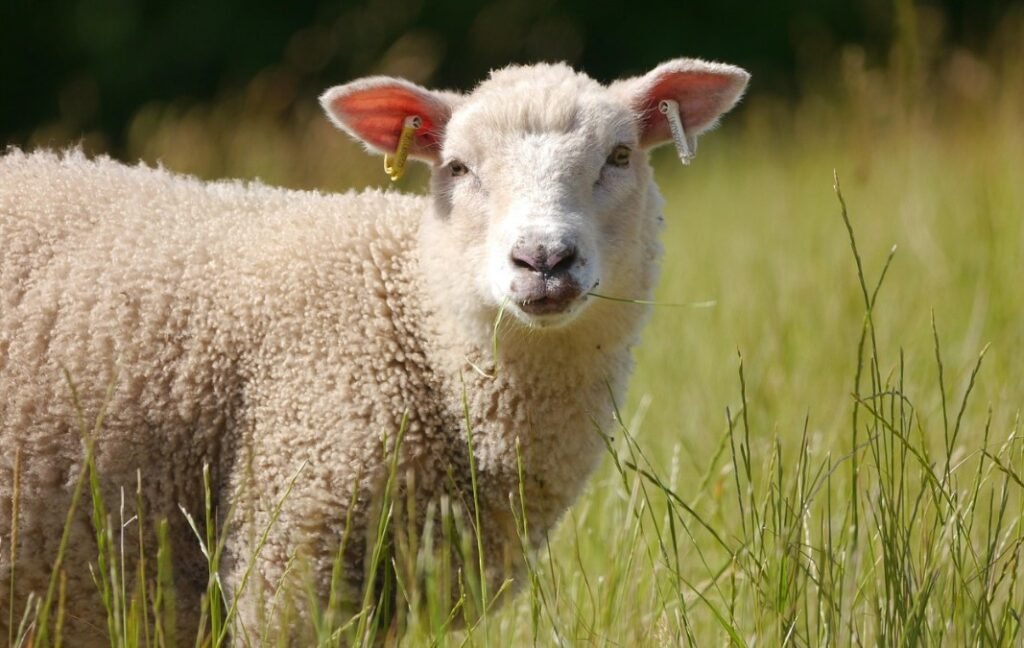
Sheep are domesticated herbivores that are widely raised for their wool, meat (mutton and lamb), and milk. These animals have been an essential part of agriculture for thousands of years. Known for their gentle and social nature, sheep live in herds and communicate using a variety of vocalizations. Their wool, which grows continuously, is often harvested and used for textiles. Sheep are also known for their grazing habits, helping to manage pastureland. They are found in diverse environments across the world, from arid deserts to lush grasslands, and have a natural ability to adapt to different climates.
Quick Top 10 Facts about Sheep
| SCIENTIFIC NAME | Ovis aries |
| CLASSIFICATION | KINGDOM: Animalia PHYLUM: Chordata CLASS: Mammalia ORDER: Artiodactyla FAMILY: Bovidae |
| SIZE | Height: 45–75 cm (18–30 inches) at the shoulder Weight: 45–160 kg (100–350 lbs) depending on the breed |
| SPECIES | Domestic sheep are a subspecies of wild sheep, primarily derived from the European mouflon and the Asiatic wild sheep. |
| APPEARANCE | Sheep are characterized by their thick woolly coats, usually white, although some breeds have black or brown wool. They also have sturdy legs and hooves, adapted for grazing. |
| LIFE SPAN | 10–12 years on average, although some can live longer in protected environments. |
| HABITAT | Sheep are typically raised on farms, but they can be found in a variety of habitats, including grasslands, hills, and mountainous areas. |
| DIET | Grass, shrubs, leaves, and herbs. Sheep are primarily grazers, feeding on vegetation throughout the day. |
| NATURAL PREDATORS | Wolves, coyotes, and large birds of prey such as eagles. Sheep are vulnerable to predation, especially when young. |
| COUNTRY | Sheep are found worldwide, with large populations in countries such as China, Australia, New Zealand, and the United States. |
| GESTATION PERIOD | Approximately 5 months (150 days), with most sheep giving birth to one or two lambs. |
| CONSERVATION STATUS | Domesticated sheep are not considered endangered. However, wild sheep species face varying degrees of conservation concerns due to habitat loss and hunting. |
Amazing Facts About Sheep
1. Ancient Domestication
Sheep were one of the first animals to be domesticated by humans, with evidence of domesticated sheep dating back over 10,000 years.
2. Wide Range of Wool Types
Sheep wool comes in a variety of types and textures. Some breeds are known for producing fine wool, while others have coarser fleece, which is used for different types of textiles.
3. Excellent Grazers
Sheep are excellent grazers, feeding on grasses, shrubs, and other vegetation. Their grazing helps maintain healthy pastures and promotes biodiversity in the environment.
4. Social Creatures
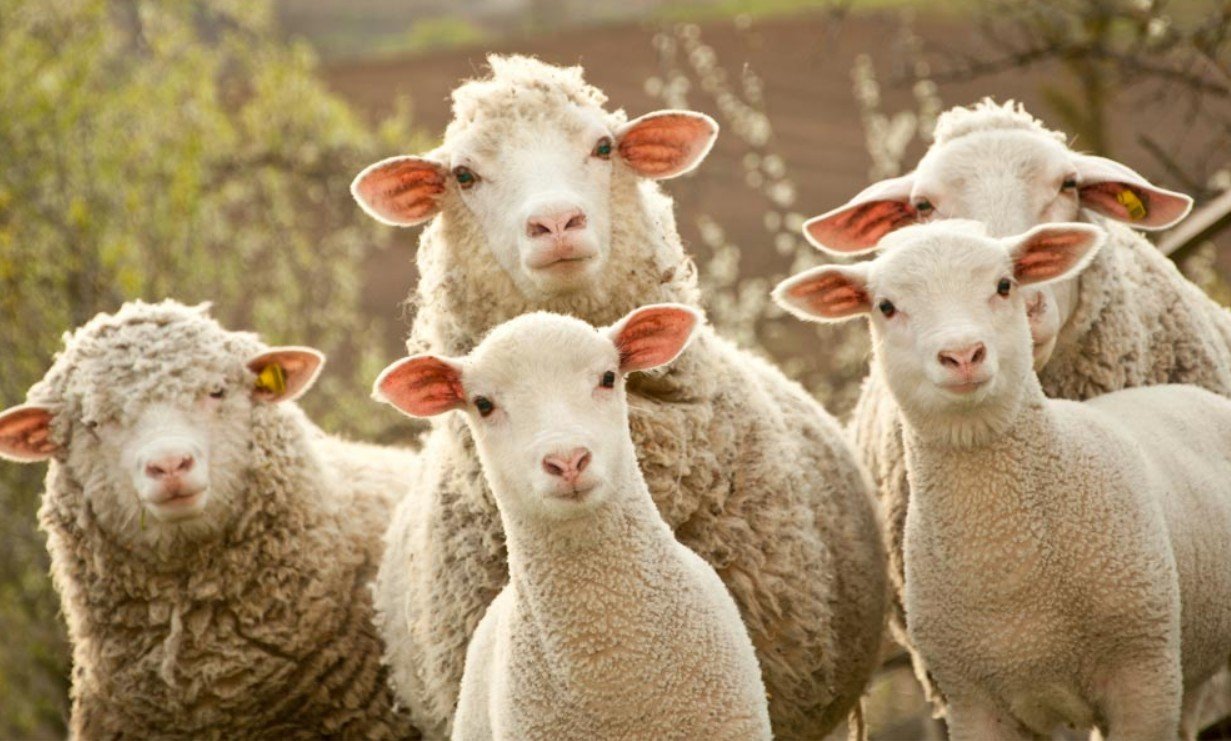
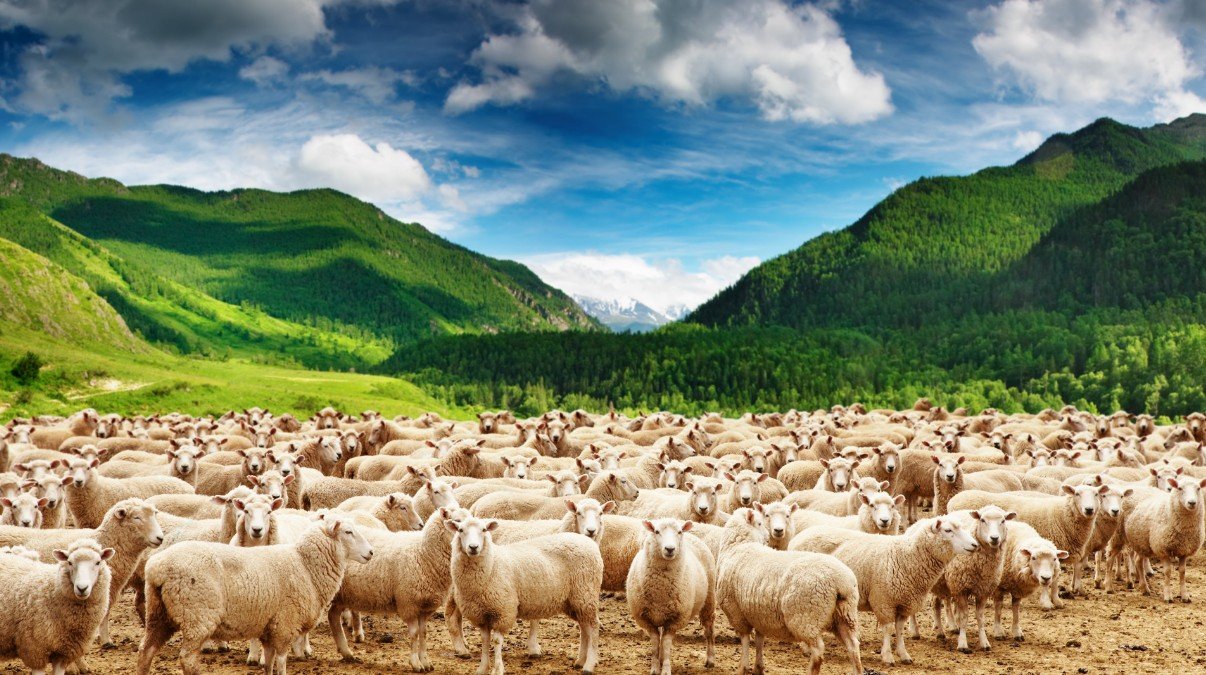
Sheep are highly social animals and prefer to live in herds. They form strong bonds with other sheep and can recognize individual members of their flock.
5. Great Memory
Despite their reputation for being simple, sheep have excellent memory and can remember faces and places for years. They can even recognize up to 50 other sheep.
6. Their Fleece Regrows Every Year
Sheep produce wool that grows back every year. This wool is sheared once a year to provide wool for textiles, making it a renewable resource.
7. Variety of Breeds
There are hundreds of sheep breeds around the world, each adapted to different climates and uses, such as wool production, meat (lamb or mutton), and milk.
8. Intelligent and Trainable
Sheep can be trained to perform various tasks, including following commands or even participating in sheepdog trials, demonstrating their surprising level of intelligence.
9. Use in Agriculture
In addition to wool, meat, and milk, sheep are used to help clear overgrown land, making them an important tool in sustainable land management practices.
10. Symbol of Peace and Calm
Sheep are often associated with calmness and peacefulness. In various cultures, they represent tranquility, and their gentle nature makes them a favorite in pastoral settings.
Sheep: Domestic Animals and Their Significance in Agriculture and Society
For thousands of years, domesticated animals known as sheep (scientific name: Ovis aries) have been an important part of human history. They belong to the Bovidae family and are prized in agricultural communities all over the globe for their milk, meat, and wool. The Argali sheep (Ovis ammon), which once inhabited areas of Asia and Europe, is the main ancestor of domestic sheep. Sheep have played a crucial role in the growth of agriculture and the economy throughout time, especially in rural regions.
Sheep Anatomy, Size, and Wool Characteristics
Dimensions and Form of Domestic Sheep
Depending on their breed, sheep may vary widely in size. Male sheep tend to be bigger than females, and the majority of mature sheep weigh between 45 and 200 pounds (20 and 90 kg). While certain breeds, like the Suffolk, are significantly bigger, others, like the Merino, are renowned for having smaller frames.
Body Structure and Grazing Adaptations
Sheep are ideal for grazing in meadows because of their small, robust bodies. They have four legs and a powerful, barrel-shaped body that helps them stay balanced on uneven ground and maintains their internal organs.
Sheep Head and Vision
Sheep’s heads are wide, and they have two ears on each side of them. They can detect predators from a distance because to the extensive field of vision provided by their huge eyes.
The Fleece: Wool Types, Insulation, and Textile Value
Sheep’s wool, which forms in thick, dense layers for insulation, is one of their most distinctive characteristics. Because of its warmth and softness, wool is highly valued and utilised in a wide range of items, including carpets, blankets, and clothes.
Sheep breeds differ in the quality of their wool. Merino sheep, for instance, are well known for their silky, fine wool, which is highly valued in the textile industry. Coarser wool from other breeds, such the Lincoln or Cotswold, is often used to make yarn or carpets.
Sheep Horns and Colour Patterns
While some sheep are horned, some are not. Although some female sheep of select breeds also develop horns, horned sheep are mostly males. Like human fingernails, the horns are usually composed of keratin and may be curled or spiralled. White, black, brown, grey, and spotted patterns are among the many colours of sheep. White is the most often used colour, especially in the manufacturing of wool, since it is simpler to dye and work with. Some sheep breeds, such as the Jacob sheep, are renowned for their distinctive black-and-white designs, however.
Sheep Domestication: History, Origins, and Spread
Origins of Domestic Sheep in the Fertile Crescent
For their flesh and wool, early humans started domesticating wild sheep. Sheep with desirable characteristics, such docility, greater body proportions, and better wool output, were chosen by humans over many generations. The tamed sheep of today are the product of this selective breeding. Along with goats, pigs, and cattle, sheep were among the earliest animals that humans tamed. They were essential to early agricultural cultures because they offered a consistent supply of food as well as materials for clothing and housing.
Global Spread of Domestic Sheep
Sheep eventually expanded to other regions of the globe, such as Europe, Asia, and North Africa, after becoming domesticated. Sheep were essential to agricultural economies across Europe during the Middle Ages, producing skins for leather products, flesh for nourishment, and wool for clothing. They were brought to the Americas by Spanish conquistadors during their 16th-century conquests, and sheep husbandry quickly spread across the Americas, including Chile, Argentina, and the United States.
Breeds of Sheep and Their Uses: Wool, Meat, and Dairy Sheep Breeds
Wool-Producing Sheep Breeds
One of the most well-known sheep breeds for producing wool is the Merino, which is valued for its silky, fine wool in the textile industry. Usually modest in stature, Merinos are placid by nature. Romney sheep provide premium wool that is often used in apparel and textiles. They are often seen in the UK and New Zealand. Lincoln sheep are renowned for producing long, coarse wool that is often used to make yarns and carpets. They originated in England and are big, strong creatures.
Meat-Producing Sheep Breeds
Known for their high-quality meat and strong physique, Suffolk sheep are a popular meat breed. They are distinguished by their black cheeks and legs and are often raised for the production of lambs.
Known for their quick growth rates and year-round lamb production, Dorset sheep are also kept for their meat. In the US and the UK, they are often encountered.
Native to the Netherlands, Texel sheep are prized for their muscularity and lean flesh, which makes them perfect for producing meat. In Europe, commercial farming makes extensive use of them.
Milk-Producing Sheep Breeds
Among the most productive dairy breeds, East Friesian sheep are used to produce milk, particularly in areas where sheep milk is utilised to manufacture cheeses like pecorino and feta.
Originally from France, the Lacaune sheep are especially valued for their milk, which is used to manufacture the well-known blue cheese known as Roquefort.
Dual-Purpose Sheep Breeds
Some sheep breeds provide farmers flexibility by being grown for both meat and wool. Columbia sheep are a great dual-purpose breed since they are bred in the United States for their lean meat and premium wool.
Economic, Cultural, and Religious Roles
Sheep Wool Production and Textile Industry
The main agricultural benefit of sheep is their wool, which has been used for millennia to make textiles. A naturally occurring, renewable fibre, wool offers insulation and warmth. Every year, sheep are pulled for their wool, which is then spun into yarn, fashioned into textiles, or used to create insulation, blankets, and carpets.
Sheep Meat and Milk in Agriculture
Lamb is a common meat source, particularly in Mediterranean and Middle Eastern cuisines. Mutton, from older sheep, is also eaten in many regions of the world. Sheep milk is perfect for creating cheese since it has more fat and protein than cow’s milk. Popular cheeses include manchego, pecorino, and feta.
Religious and Cultural Importance of Sheep
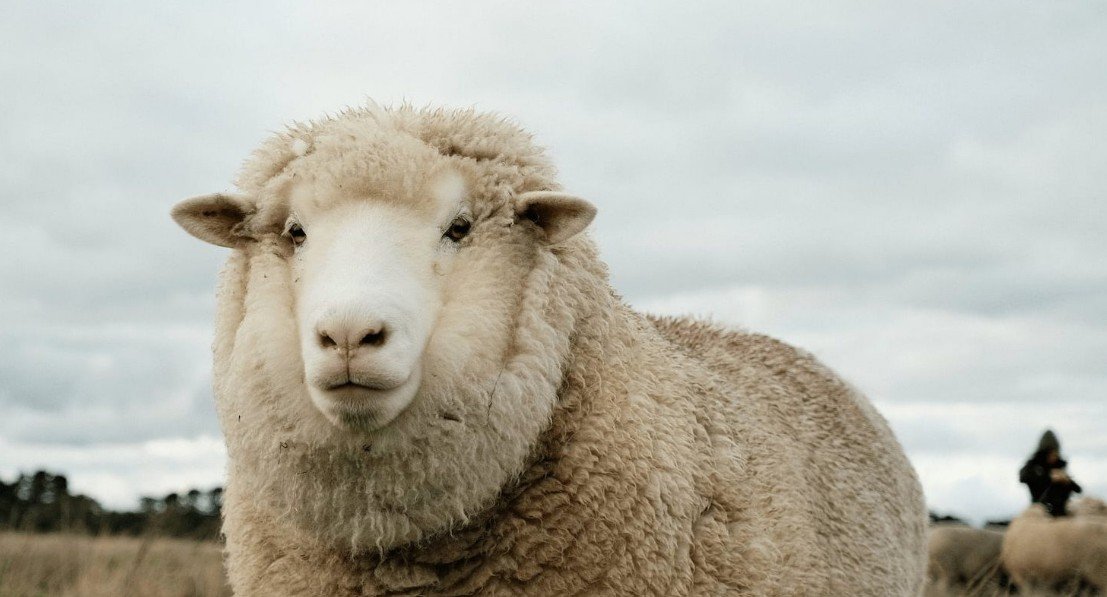
In many religious traditions, especially Christianity, the lamb is a symbol of innocence and purity. Numerous traditional customs and celebrations also include sheep, which are often connected to pastoral life and the natural cycles.
Sheep Welfare and Health: Best Practices for Livestock Management
Parasite Control and Sheep Grooming
Sheep are vulnerable to worms, lice, and other internal and external parasites. Their health is maintained by routine grooming and deworming procedures.
Foot Care and Hoof Health in Sheep
Hoof rot and other foot conditions may affect sheep. Proper hoof care, including cleaning and trimming, prevents lameness and other health problems.
Sheep Management Practices
Farmers use a variety of management strategies, including rotation grazing, flocking (keeping sheep in groups), and making sure they have access to clean water and wholesome feed. High-quality milk, meat, and wool are more likely to be produced by healthy sheep.
FAQ (Frequently Asked Questions) about Sheep
Q: What do sheep eat?
Ans: Sheep are herbivores and primarily eat grass, but they also graze on shrubs, herbs, and leaves. They are constantly grazing throughout the day.
Q: How long do sheep live?
Ans: Sheep typically live for 10–12 years, though some can live even longer under good care.
Q: Why do we shear sheep?
Ans: Sheep are sheared once a year to harvest their wool. Shearing helps prevent the sheep from becoming too hot and keeps them comfortable. The wool is also valuable for textile production.
Q: Are sheep dangerous to humans?
Ans: Sheep are generally gentle and non-aggressive. However, like any animal, they may defend themselves or their young if they feel threatened.
Q: How many types of sheep are there?
Ans: There are hundreds of sheep breeds worldwide, with variations in wool type, size, color, and behavior. Some are bred for wool production, others for meat, and some for both.
Q: Are wild sheep different from domesticated sheep?
Ans: Yes, wild sheep, such as the bighorn sheep or mouflon, are different in terms of behavior, physical traits, and habitat. They are generally more agile and adapted to living in the wild.
Q: Do sheep have good vision?
Ans: Yes, sheep have wide-set eyes that provide them with a panoramic view of their surroundings. They can see almost 360 degrees around them, which helps them detect predators.
Q: Can sheep recognize humans?
Ans: Yes, sheep have great facial recognition abilities and can recognize human faces and remember them for years.
Q: Are sheep important to the environment?
Ans: Yes, sheep play an important role in maintaining healthy grasslands through grazing. They help control vegetation growth, which in turn supports biodiversity and prevents the spread of invasive species.
Q: How much wool do sheep produce?
Ans: The amount of wool a sheep produces varies by breed. On average, a sheep can produce between 2–10 kilograms (4–22 pounds) of wool per year.
#Sheep #DomesticSheep #Wool #Farming #Agriculture #GrazingAnimals #SheepFacts #Lambs #Wildlife #AnimalBreeds
Our sources and references about Sheep
1: Wikipedia – Sheep
2: Britannica – Sheep
3: National Geographic – Sheep
4: PETA – Sheep and Wool