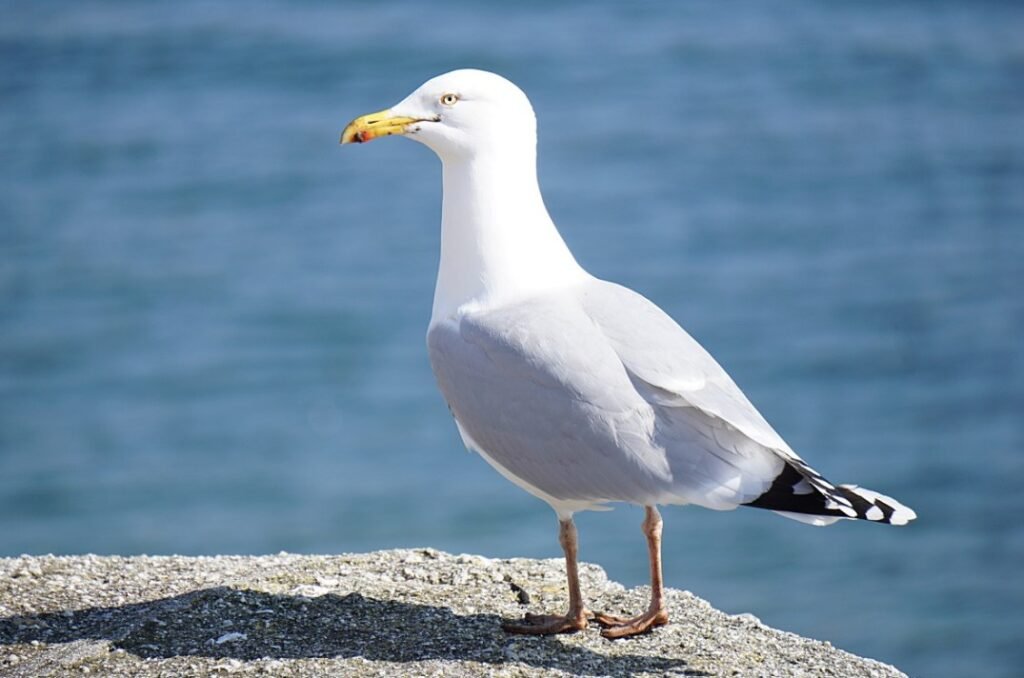
Seagulls, also known as gulls, are a widespread and adaptable group of seabirds found in coastal areas and inland habitats worldwide. Known for their white or gray feathers, seagulls are excellent fliers and can often be seen soaring in the sky over beaches, lakes, and even cities. These birds are opportunistic feeders, scavenging for food both on land and in the water. Seagulls have a variety of calls and are known for their intelligence and complex social behaviors. While commonly associated with coastal environments, some species have adapted to urban life, thriving in cities and towns.
Quick Top 10 Facts about Seagull
| SCIENTIFIC NAME | Larus (genus) |
| CLASSIFICATION | KINGDOM: Animalia PHYLUM: Chordata CLASS: Aves ORDER: Charadriiformes FAMILY: Laridae |
| SIZE | Length: 30–80 cm (12–31 inches) Wingspan: 60–150 cm (24–59 inches) |
| SPECIES | European Herring Gull (Larus argentatus), Ring-billed Gull (Larus delawarensis), California Gull (Larus californicus), and others |
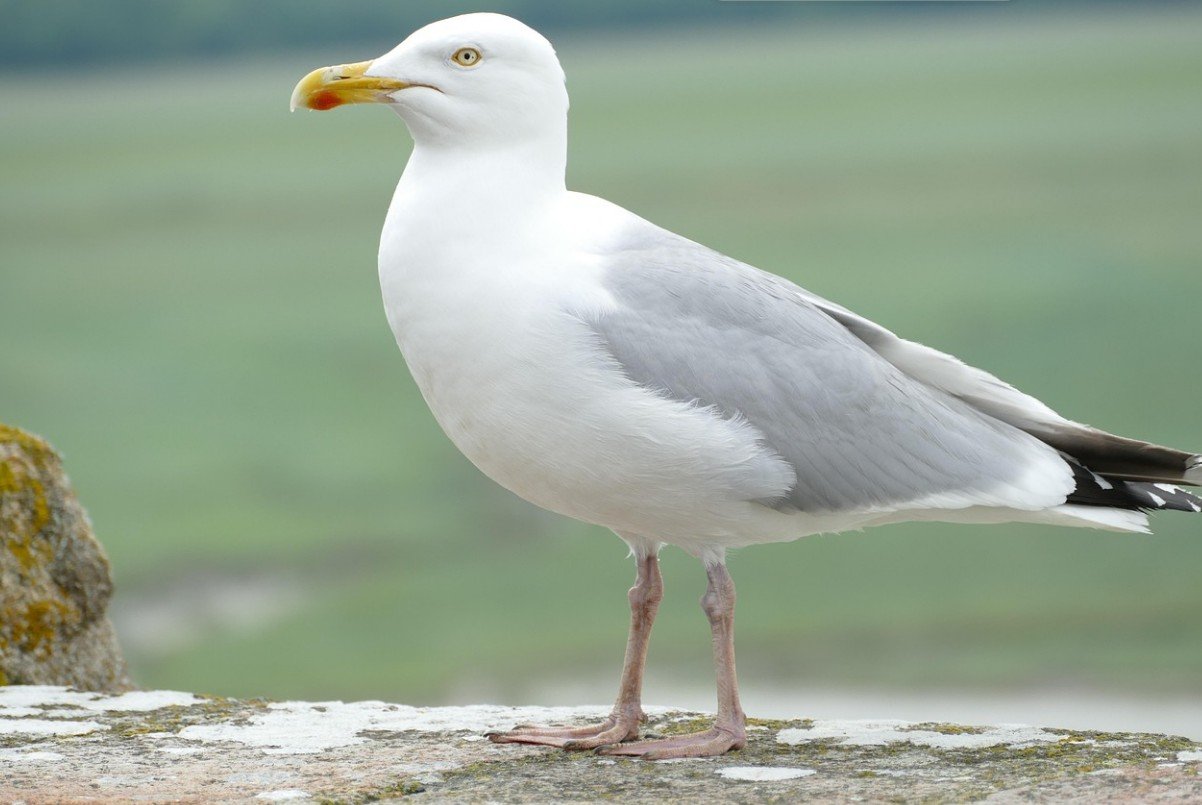
| APPEARANCE | Seagulls typically have white or gray feathers with darker wingtips. Their bills are yellow with a black spot near the tip, and they have long, slender legs suited for walking and swimming. |
| LIFE SPAN | Typically 10–15 years, but some can live up to 30 years in the wild |
| HABITAT | Coastal regions, beaches, lakes, rivers, and urban areas. They are commonly found in both natural and human-influenced environments. |
| DIET | Omnivorous; seagulls eat a wide range of foods including fish, insects, small animals, and human food scraps. |
| NATURAL PREDATORS | Seagulls have few natural predators, but they can fall prey to larger birds of prey like eagles and hawks. |
| COUNTRY | Seagulls are found worldwide, especially in coastal areas, with a few species residing inland in more urbanized regions. |
| GESTATION PERIOD | Seagulls lay eggs that hatch after approximately 3–4 weeks of incubation. Both parents typically share the responsibility of caring for the eggs. |
| CONSERVATION STATUS | Most seagull species are not threatened, although some populations are impacted by habitat destruction and human interference. |
Amazing Facts About Seagull
1. Skilled Fliers
Seagulls are exceptional fliers, capable of soaring high in the sky or gliding above the water for long periods. They can fly at speeds of up to 40 miles per hour.
2. Opportunistic Feeders
Seagulls are known for their opportunistic feeding behavior. They scavenge for food wherever they can find it—whether it’s on the shore, in garbage dumps, or even in urban areas.
3. Intelligent Birds
Seagulls are considered highly intelligent. They use tools, such as dropping hard-shelled prey onto rocks to crack them open, and have been observed to problem-solve and learn from experience.
4. Coastal Dwellers
While many seagulls are coastal birds, some species are also found in inland areas, including rivers and lakes, and are known to adapt to urban environments, foraging for food scraps in cities.
5. Long-Lived Birds
Seagulls are long-lived birds, with some species reaching ages of 30 years or more. They typically breed after reaching around 3-5 years of age.
6. Strong Family Ties
Seagull parents are very involved in raising their young. Both males and females share the duties of incubating eggs and feeding their chicks after they hatch.
7. Territorial Nature
Many seagull species are territorial during the breeding season. They are known to aggressively defend their nests and feeding territories from other birds.
8. Varied Vocalizations
Seagulls communicate using a wide variety of calls and sounds. These vocalizations are used to alert other gulls of danger, establish territory, or signal other behaviors like feeding.
9. Highly Adaptable
Seagulls are incredibly adaptable, thriving in a wide range of environments from remote islands to bustling urban centers, always finding ways to make the most of available food sources.
10. Important to Ecosystems
Seagulls play an important role in their ecosystems, particularly in coastal areas. As scavengers, they help clean up beaches and other areas by consuming waste and detritus, which helps maintain ecological balance.
The Versatile Coastal Bird: Seagulls
Seagull Birds are very adaptive birds that are often considered to be among the most common in coastal areas. They are among the most well-known and clearly identifiable birds, and they may be found in a broad range of environments, from beaches to cities. Seagulls have captured the attention of both birdwatchers and city people with their unique sounds, white and grey plumage, and capacity to flourish in a range of habitats. We shall examine the biology, behaviours, ecological function, and difficulties faced by seagulls in this extensive book.
1. Seagulls: What Are They?
The Laridae family, which contains more than 50 species of medium- to large-sized birds, includes seagulls, sometimes referred to as gulls. Although their name implies a particular love for the sea, gulls are quite adaptable and may be found in a wide range of habitats, including as urban settings, interior rivers, and coastal places.
Characteristics of Seagulls
Seagulls, which are distinguished by their long wings, sharp beaks, and white or grey plumage, have evolved to live both close to and far from the water. Seagulls are often seen flying along shorelines or perched atop city rooftops, and their versatility has allowed them to colonise a wide variety of environments, from isolated islands to busy metropolis.
2. The Physical Attributes of Seagulls
Seagulls have a variety of physical characteristics that help them survive in a variety of settings.
The Plumage of Seagulls
The wings of a normal seagull are either black or grey, while the body is white. Some species, meanwhile, exhibit a wider range of hues and patterns. For example, the Black-headed Gull has a dark brown head, while the Ring-billed Gull has a distinctive black ring around its beak.
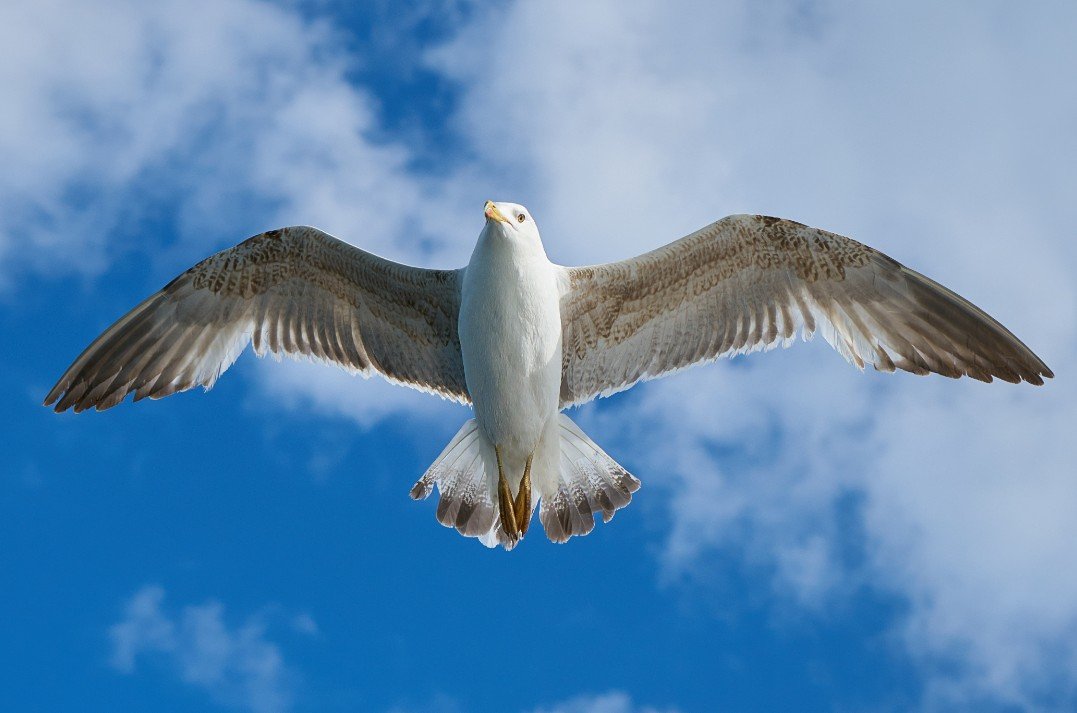
As they get older, juvenile gulls’ mottled brown feathers eventually give way to adult plumage.
Dimensions and Wingspan
Gulls range in size from medium to enormous; certain species, such the Western Gull, may reach a wingspan of up to 1.5 meters (5 feet).
The large, pointed wings that seagulls often have let them glide and fly through the air. They can travel great distances in pursuit of food because of their size and wing form.
The Beak
The sharp, hooked beak of seagulls is well-suited for a range of feeding techniques. The beak is used to crack open hard-shelled prey, such as shellfish, scavenge for food, and capture fish.
The Feet of Seagulls
Because of their webbed feet, seagulls can easily walk on rocky coasts and swim in the ocean. They can dive and float on the surface to find food since they are really good swimmers.
3. Seagull Behaviour and Diet
Seagulls have a very diverse diet and are quite opportunistic eaters. Because they are omnivores, they will eat almost everything that is in their path, including fish, marine invertebrates, and human food leftovers.
Feeding Patterns of Seagulls
- The main food sources for seagulls are fish, crustaceans, and molluscs, all of which they often seek close to the coast. In order to capture prey, they have evolved specialised behaviours including dive bombing and surface skimming.
- Scavenging is another characteristic of seagulls. They often exploit human activities by foraging for food scraps in coastal towns and cities. They are often seen pecking at food scraps in trash cans or public areas.
- It has been noted that some species, such as the Herring Gull, use tools to split apart shellfish and get to the edible interior, such as dumping shellfish upon rocks.
Social Conduct of Seagulls
In general, seagulls are gregarious birds that are often seen in big groups, particularly while they are eating. They often forage together in places with an abundance of food and are known to hunt cooperatively.
They may be quite talkative, using unique calls to communicate with one another. Seagulls may make a variety of noises, such as loud cries to mark territory, attract mates, or warn of danger.
Patterns of Migration
Numerous species of seagulls migrate, covering great distances between their feeding and nesting areas. The Ring-billed Gull, for example, breeds in North America before migrating south to spend the winter in the Gulf of Mexico.
Depending on environmental factors and food availability, certain species, like the Glaucous-winged Gull, may stay in the same area all year round.
4. Distribution and Habitat
From interior lakes and rivers to seacoasts and islands, seagulls may be found in a wide range of environments. They are widely distributed in part because of their capacity to adapt to both urban and coastal settings. Among the seagulls’ primary habitats are:
Coastal Regions
Since they may benefit from a variety of food sources, including fish and marine invertebrates, seagulls are most often seen around the shore. They often build their nests in open spaces on beaches or on cliffs where they may easily reach the water.
Urban Settings
Seagulls have become more used to living in cities in recent years, foraging for food in parking lots, trash dumps, and public places. Large colonies of seagulls are often seen in cities with easy access to water, such as those close to rivers or harbours.
Inland Waters
During the non-breeding season, certain seagull species, such as the Laughing Gull, move to freshwater lakes and rivers. Gulls that may not find adequate food in coastal locations have more options for feeding thanks to these inland habitats.
5. Nesting and Reproduction
The monogamous mating system of seagulls is well-known, and couples often develop enduring relationships. They construct nests in secure locations, such cliffs, rocks, or buildings like rooftops or piers, during the mating season. In wetlands, some gulls even build their nests atop floating plants.
Nesting Locations
During the mating season, seagulls are fiercely protective of their nests and will fight off intruders. They often choose locations with little disturbance and a plentiful supply of food close by.
While some gull species, like the Western Gull, may nest on cliffs or other high areas, others, like the Black-headed Gull, will make their nests on the ground.
Chicks and Eggs
During the mating season, female seagulls usually deposit two to three eggs. With speckled patterns that mix in with their surroundings, the eggs are often concealed, offering them further defence against predators.
The chicks are altricial, meaning they are born defenceless and need both parents’ care and nutrition, after both parents alternately incubate the eggs.
Seagull chicks may join the flock and start hunting for food on their own since they develop swiftly and can fly within a few weeks of hatching.
6. Seagulls’ Role in the Environment
Seagulls are crucial to marine and coastal environments. As scavengers, they aid in the removal of organic waste, including leftover food and dead fish. Seagulls contribute to the preservation of a healthy environment by preventing the buildup of garbage.
Controlling Marine Populations
As fish and invertebrate predators, seagulls contribute to the control of marine life numbers. Because of their eating patterns, species in coastal waters are naturally controlled, preventing any one group of creatures from controlling the ecosystem.
Seed Dispersal
Because they often transport seeds from plants that grow close to the water to other areas, seagulls also contribute to the spread of seeds. In certain places, this mechanism aids in the development of plants.
7. Threats and Conservation
Despite their extensive distribution and abundance, several species of seagulls have serious conservation issues. The dangers to seagull populations are caused by the following factors:
Loss of Habitat
Seagulls are losing vital habitats due to pollution, coastal development, and climate change. Gull reproduction is hampered by the destruction of nesting places on beaches, cliffs, and other natural areas.
Overfishing
Seagulls, particularly those species that depend significantly on fish, may have less food available due to overfishing in coastal regions. Seagull populations may suffer as a result of having to travel further in pursuit of food.
Pollution
Populations of seagulls are under risk due to pollution, particularly plastic garbage in the water. Seagulls might be hurt or killed if they consume plastic waste or get caught in it.
Changes in Climate
Seagull migratory and nesting habits may be disrupted by increasing sea levels and changing weather patterns. Seagull populations may suffer from altered nesting grounds and the lack of food supplies.
FAQ (Frequently Asked Questions) about Seagull
Q: What is a seagull?
Ans: A seagull is a type of seabird in the family Laridae, known for its white or gray feathers, long wings, and habit of scavenging for food along coastal and inland areas.
Q: What do seagulls eat?
Ans: Seagulls are omnivores, feeding on a variety of food including fish, insects, small animals, and human food scraps.
Q: Are seagulls aggressive?
Ans: Seagulls can be aggressive, especially during the breeding season. They often defend their nests and food sources from other birds and animals.
Q: How long do seagulls live?
Ans: Seagulls can live anywhere from 10 to 30 years depending on the species and environmental conditions.
Q: Can seagulls fly long distances?
Ans: Yes, seagulls are excellent fliers, able to fly long distances. Some species migrate seasonally, covering significant distances between their breeding and feeding grounds.
Q: Where do seagulls live?
Ans: Seagulls are found worldwide, particularly in coastal regions, but some species are also found inland near lakes, rivers, and even urban areas.
Q: Do seagulls mate for life?
Ans: While not all seagulls mate for life, many species form long-term monogamous pairs during the breeding season.
Q: Are seagulls endangered?
Ans: Most species of seagulls are not endangered. However, some populations are threatened by habitat destruction, pollution, and overfishing.
Q: How do seagulls communicate?
Ans: Seagulls communicate through a variety of vocalizations, such as squawks and calls, which help them defend territory, communicate with others, and signal alarm.
Q: Why are seagulls so common in cities?
Ans: Seagulls have adapted well to urban environments, where they scavenge food scraps from people and garbage, making cities an ideal place for them to thrive.
#Seagull #Seabirds #CoastalBirds #BirdsOfPrey #BirdFacts #SeagullLife #UrbanBirds #Wildlife #BirdWatching
Our sources and references about Seagull
1: Wikipedia – Seagull
2: National Geographic – Seagull
3: Britannica – Seagull
4: Audubon – Seagull