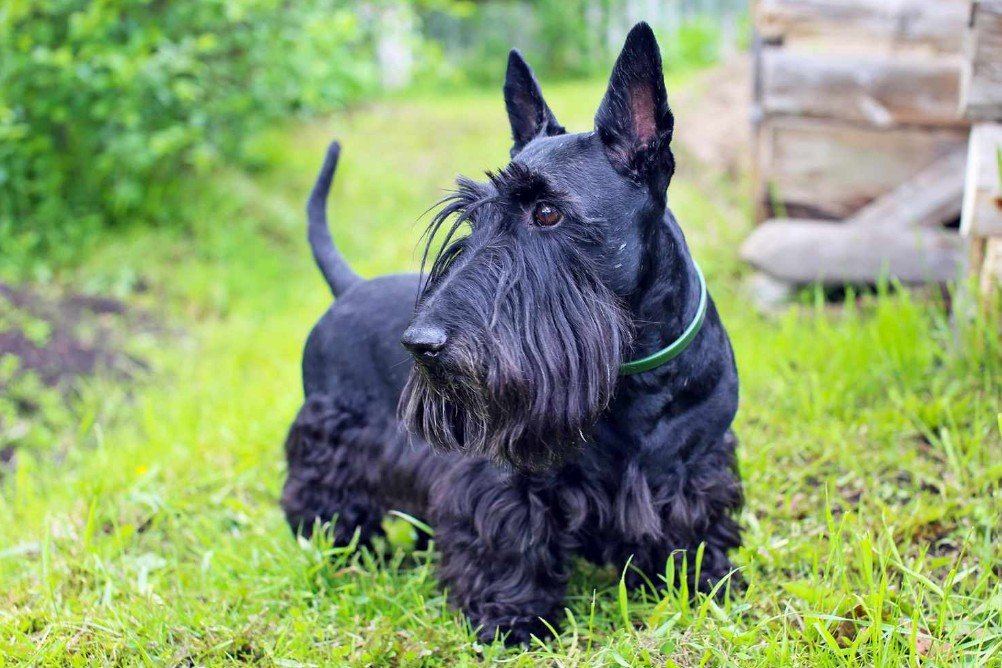
The Scottish Terrier, often affectionately called the “Scottie,” is a small, sturdy, and dignified breed of dog known for its distinctive appearance and confident personality. Originating from Scotland, these dogs were initially bred for hunting and vermin control. With their wiry coats, bushy eyebrows, and beards, Scottish Terriers have a bold look to match their brave and independent nature. Despite their compact size, they are alert watchdogs and loyal companions. Their loyalty and unique charm have made them beloved pets and even icons in popular culture.
Quick Top 10 Facts about Scottish Terrier
| SCIENTIFIC NAME | Canis lupus familiaris |
| CLASSIFICATION | KINGDOM: Animalia PHYLUM: Chordata CLASS: Mammalia ORDER: Carnivora FAMILY: Canidae BREED GROUP: Terrier |
| SIZE | Height: 25–28 cm (10–11 inches) Weight: 8.5–10 kg (18–22 lbs) |
| SPECIES | Domestic dog breed developed for hunting and vermin control in Scotland. |
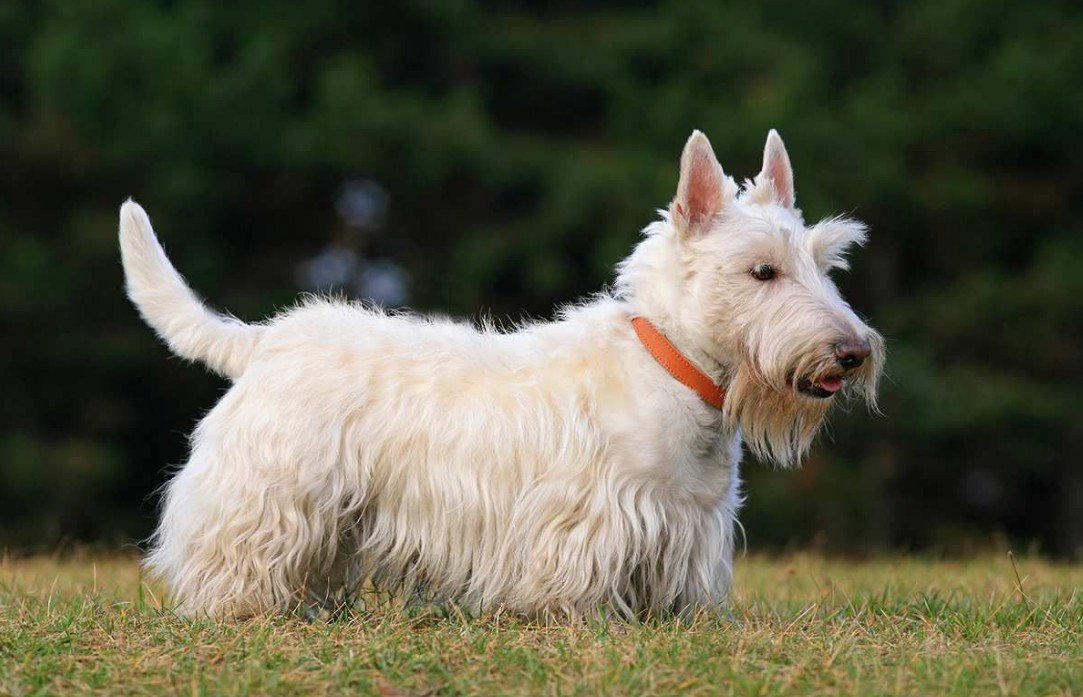
| APPEARANCE | Compact, short-legged body with a wiry double coat, erect ears, and a distinctive beard and eyebrows. Typically black, wheaten, or brindle in color. |
| LIFE SPAN | 11–13 years |
| HABITAT | Adaptable to various living environments, including urban apartments and rural homes with fenced yards. |
| DIET | Omnivorous; requires high-quality commercial or homemade dog food appropriate to its age and activity level. |
| NATURAL PREDATORS | As a domesticated breed, Scottish Terriers have no natural predators but may be at risk from larger aggressive animals if unsupervised. |
| COUNTRY | Scotland (United Kingdom) |
| GESTATION PERIOD | Approximately 63 days |
| CONSERVATION STATUS | Not endangered; maintained through responsible breeding practices |
Amazing Facts About Scottish Terrier
1. Famous Presidential Pet
Scottish Terriers have graced the White House — President Franklin D. Roosevelt’s dog, Fala, is one of the most famous Scotties in U.S. history.
2. Born to Hunt
Originally bred to hunt foxes, badgers, and other small game, Scottish Terriers have strong instincts and love to dig.
3. Independent Spirits
Scotties are known for being independent and self-assured, sometimes described as aloof with strangers but devoted to their families.
4. Small Dog, Big Attitude
Despite their size, Scotties are brave and determined, often acting as though they are much larger than they are.
5. Distinctive Coat
Their wiry, weather-resistant double coat helps them adapt to harsh climates and requires regular grooming.
6. Iconic Silhouette
Their unique profile and dignified posture have made them icons in advertising and pop culture, especially as Monopoly game tokens and Radley bags.
7. Loyal and Protective
They make excellent watchdogs, often barking to alert owners of any intruders or unusual activity.
8. Moderate Exercise Needs
Scottish Terriers enjoy daily walks and play but do not require excessive exercise, making them great for smaller living spaces.
9. Sensitive to Praise
Scotties respond best to firm yet kind training; they may be stubborn but thrive on positive reinforcement.
10. Longtime Companions
With proper care, Scottish Terriers are loyal companions that can provide years of devoted friendship and charm.
The Scottish Terrier: A Unique and Devoted Breed
The little yet robust Scottish Terrier, sometimes known as the Scottie, is renowned for its distinctive appearance, self-assured nature, and lengthy history. Dog lovers all throughout the globe have fallen in love with the Scottish Terrier because of its wiry hair, upright ears, and self-assured walk. With a centuries-long history, this breed has been a representation of power, devotion, and tenacity. The history, physical attributes, personality features, health issues, and care requirements of the Scottish Terrier will all be covered below.
1. The Scottish Terrier’s Origins and History
Origin and Ancestry of the Scottish Terrier
With origins dating back to the 15th century in the Scottish Highlands, the Scottish Terrier is an old breed. The original purpose of this breed was to hunt small game, especially rodents, foxes, and badgers. The Skye and Cairn Terriers were probably the forebears of the Scottish Terrier, which was a member of a broader breed of terriers developed for hunting.
Scottish Terrier’s Role as a Hunter
Scotties were prized for their capacity to burrow and dig in tight quarters, which made them perfect for hunting animals that resided in tunnels or dens. Despite their diminutive size, they were superb hunters because of their powerful jaws, brave temperament, and small size. The Scottish nobility grew to be identified with Scottish Terriers throughout time, and the breed started to become well-known outside of Scotland.
The Recognition of the Scottish Terrier
Major kennel groups, such as the American Kennel Club (AKC), formally recognised the Scottish Terrier in the late 19th century, establishing the breed standard. Because of its noble nature and unique look, the breed has remained popular and is still a favourite among dog enthusiasts today.
2. The Scottish Terrier’s Physical Attributes
Dimensions and Build of the Scottish Terrier
The canine breed known as the Scottish Terrier is tiny yet strong. Despite their small size, they stand out due to their sturdy construction and unique characteristics. Let’s examine the physical traits that make this breed unique in more detail.
Size: Height, Weight, and Body Structure
- Height: Scottish Terriers are a tiny breed, standing at the shoulder at about 10 inches (25 cm).
- Weight: Males tend to be somewhat bigger than females, with an average weight of 18 to 22 pounds (8 to 10 kg).
- Build: Scotties are petite in stature, yet they are powerful and robust. Their bodies are small, with strong legs and a wide chest. They seem more attentive and self-assured due to their unique, somewhat rectangular form.
Colour and Coat Characteristics
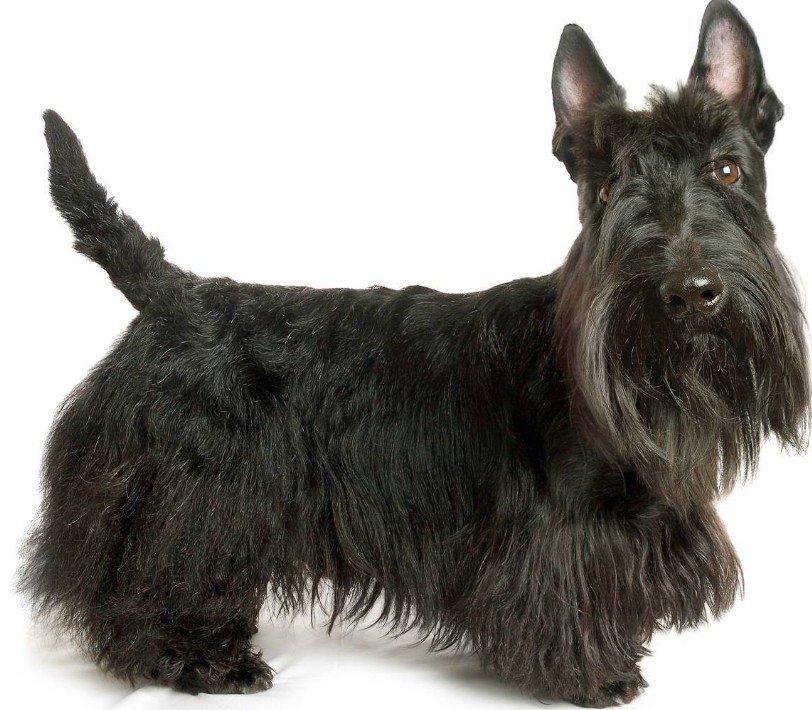
The wiry coat of the Scottish Terrier is one of its most distinguishing characteristics. The dog seems rather tough due to its thick and coarse hair. The coat is double-layered and has a unique texture, with a rougher outer coat that protects against the weather and a soft undercoat.
Common Scottish Terrier Coat Colours
A Scottish Terrier’s coat may have a range of colours. Three colours are often available for this breed: black, wheaten (light tan), and brindle (a combination of black and tan). The most popular and maybe most recognisable Scottish Terrier is the black one. Maintaining the coat’s distinctive texture and avoiding matting need regular care.
Facial Features and Head Structure
One of the most distinguishing characteristics of the Scottish Terrier is its head. Its large head has a short, pointed nose and a straight back. The dog’s alert and expressive manner is enhanced by its prominent ears.
The Scottish Terrier’s Eyes and Expression
The eyes of Scottish Terriers are dark, expressive, and deep set. Their gaze is often characterised as keen and piercing, and their eyes radiate intellect and curiosity. The Scottish Terrier’s distinctive look is further enhanced by the “beard” of longer hair that often covers its face. The dog seems elegant and aristocratic thanks to its beard and eyebrows.
Tail Structure and Posture
The Scottish Terrier’s dignified and self-assured posture is further enhanced by its erect tail. The tail has a small curvature, tapers towards the tip, and is thick at the base. The breed’s powerful and forceful nature is influenced by its distinctive tail stance.
3. The Scottish Terrier’s Temperament and Personality
General Personality Traits of the Scottish Terrier
A dog with a lot of personality crammed into a little body is the Scottish Terrier. Despite their quiet or distant appearance, Scotties are renowned for their fearlessness, independence, and devotion. Key characteristics of the Scottish Terrier’s temperament are listed below:
Self-Assured and Self-Sufficient Nature
Many people say that Scottish Terriers have a self-assured, almost terrier-like disposition. They are self-reliant canines that want to investigate their environment and exercise autonomous thought. Because of this breed’s notorious tenacity, training may sometimes be difficult. They may, however, pick up excellent behaviour and orders with time and effort.
Bravery and Fearlessness of Scottish Terriers
Scottish Terriers are quite bold and fearless for their little size. They were originally developed for hunting, and because of their intense prey drive, they are constantly prepared to defend themselves against bigger dogs or unfamiliar circumstances. Since they are likely to be vigilant and noisy when they see anything out of the ordinary, their audacity might make them great watchdogs.
Compassionate, Faithful, and Loyal Companions
Despite their obstinate nature, Scottish Terriers become loving and devoted friends. They like to spend time with their family members and often develop close bonds with their owners. Despite their lack of cuddliness, they like being close to their humans and may be loving in their own unique manner. Although they may get along with other family members, they usually have a strong attachment with one individual. While some Scotties are gregarious with other dogs, they could be a little cautious with strangers.
Light-Hearted but Not Overly Exuberant
Although they are not as energetic as some other breeds, Scottish Terriers love to play and especially adore activities like fetch. A brief, high-intensity activity burst followed by a time of rest is more likely to occur. As long as they get frequent walks and mental stimulation, their compact stature makes them ideal for apartment life. Though they might be a little obstinate when it comes to obeying orders, they are usually well-behaved inside.
4. The Scottish Terrier’s Lifespan and General Health
Common Health Issues in Scottish Terriers
Although they are typically healthy dogs, Scottish Terriers are susceptible to specific inherited health problems, much like many other purebred breeds. Owners may take a proactive approach to their care by being aware of these possible health issues.
Von Willebrand Disease (vWD) in Scottish Terriers
A hereditary bleeding illness that impairs a dog’s capacity to clot blood is called von Willebrand Disease (vWD). One breed known to possess the gene for this disease is the Scottish Terrier. With the right veterinarian treatment, it may be controlled.
Hip Dysplasia and Joint Issues
Hip Dysplasia: Although less frequent in Scotties than in other bigger breeds, hip dysplasia may nonetheless affect the breed and cause arthritis and joint problems. A healthy weight and regular veterinary examinations might help lessen the effects.
Craniomandibular Osteopathy (CMO) in Scottish Terriers
The disorder known as craniomandibular osteopathy (CMO) damages the skull’s bones and results in pain and discomfort. Younger Scottish Terriers are more likely to have it, and medical care may be necessary.
Life Expectancy of the Scottish Terrier
For a small dog, the average lifetime of a Scottish Terrier is 12 to 15 years, however some may live much longer with the right care. Maintaining the dog’s health and quality of life involves regular veterinarian checkups, a nutritious food, and enough exercise.
5. Taking Care of and Grooming Scottish Terriers
Maintaining the Scottish Terrier’s Coat
The unique wiry coat of Scottish Terriers has to be regularly brushed in order to keep it looking and feeling its best. To preserve their coat in excellent condition, they need brushing, hand-stripping, and even professional grooming.
Hand-Stripping and Grooming Techniques
The most popular technique for grooming Scottish Terriers is hand-stripping, which maintains the coat’s texture. To keep the coat from being soft and overgrown, dead hair must be manually removed. As an alternative, some owners decide to cut their pets for convenience, however this might eventually change the coat’s texture.
Regular Grooming Practices for Scottish Terriers
- Brushing: Brushing on a regular basis (about once or twice a week) keeps the coat tidy and gets rid of loose hairs.
- Dental Care: Regular dental care is an important part of grooming.
- Nail and Ear Maintenance: Nail trimming and ear cleaning are also necessary to maintain overall health.
General Health and Exercise Needs
To be fit and healthy, Scottish Terriers need frequent activity, such as daily walks and playtime. They are energetic and want to explore their surroundings despite their little stature. Important components of their grooming regimen include regular dental care, nail maintenance, and ear cleaning.
FAQ (Frequently Asked Questions) about Scottish Terrier
Q: What is a Scottish Terrier?
Ans: A Scottish Terrier, or “Scottie,” is a small, sturdy breed of dog originally bred in Scotland for hunting and vermin control.
Q: How big do Scottish Terriers get?
Ans: Scottish Terriers typically weigh 18–22 pounds and stand about 10–11 inches tall at the shoulder.
Q: Are Scottish Terriers good with kids?
Ans: They can be good with older children, but due to their independent nature, they may not tolerate rough play.
Q: Do Scottish Terriers shed?
Ans: They shed very little but require regular grooming and hand-stripping to maintain their coat.
Q: Are Scottish Terriers easy to train?
Ans: They are intelligent but can be stubborn. Consistent, positive training works best.
Q: How long do Scottish Terriers live?
Ans: On average, Scottish Terriers live between 11 and 13 years.
Q: Do Scottish Terriers bark a lot?
Ans: They are known to be alert and may bark frequently, especially when they detect something unusual.
Q: Are Scottish Terriers hypoallergenic?
Ans: No dog is truly hypoallergenic, but Scotties may be more tolerable for allergy sufferers due to minimal shedding.
Q: What are common health issues in Scottish Terriers?
Ans: They may be prone to Scottie cramp, jaw problems, and certain types of cancer.
Q: Are Scottish Terriers good apartment dogs?
Ans: Yes, they adapt well to apartment life as long as they receive regular exercise and mental stimulation.
#ScottishTerrier #ScottieDog #TerrierBreeds #DogFacts #SmallDogBigPersonality #PetLovers #DogBreeds #ScotlandDogs
Our sources and references about Scottish Terrier
1: Wikipedia – Scottish Terrier
2: AKC – Scottish Terrier
3: PetMD – Scottish Terrier
4: DogTime – Scottish Terrier