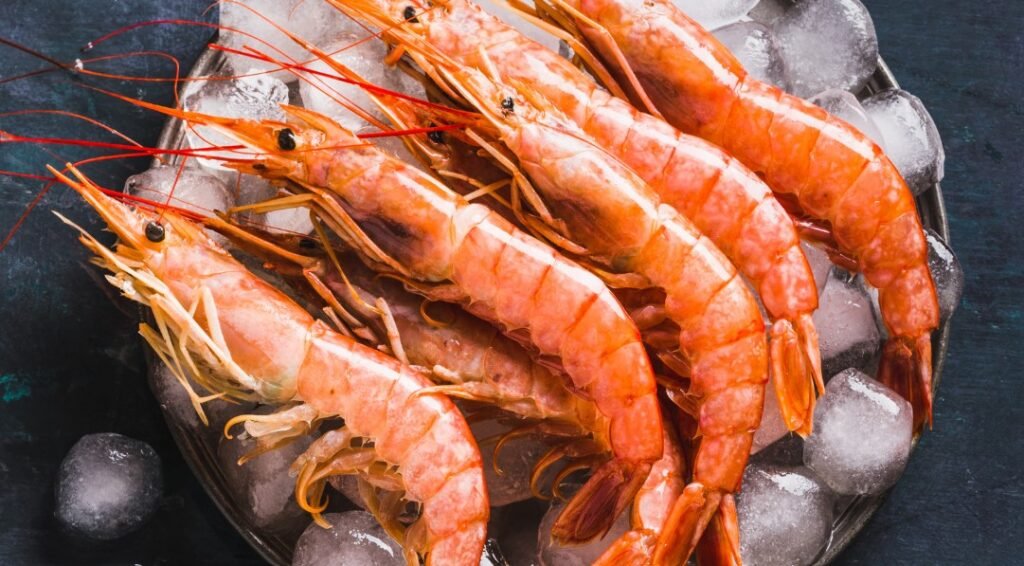
Shrimp are small, marine crustaceans found in oceans and freshwater habitats around the world. Known for their elongated bodies and long antennae, they are an important part of the aquatic food chain. Shrimp are often used in cooking due to their delicate taste and texture. They come in various species and sizes, from tiny varieties to much larger prawns. These creatures are also notable for their ability to swim backward quickly using their tails, a skill they use to escape predators.
Quick Top 10 Facts about Shrimp
| SCIENTIFIC NAME | Caridea (various species) |
| CLASSIFICATION | KINGDOM: Animalia PHYLUM: Arthropoda CLASS: Malacostraca ORDER: Decapoda FAMILY: Caridae |
| SIZE | Varies by species, ranging from 2–12 cm (0.8–4.7 inches) |
| SPECIES | Hundreds of species, including the Pink Shrimp, White Shrimp, and Tiger Shrimp |
| APPEARANCE | Small, elongated body with a hard exoskeleton, long antennae, and a tail with swimming fins |
| LIFE SPAN | 1–7 years, depending on the species |
| HABITAT | Oceans, rivers, and freshwater lakes worldwide |
| DIET | Omnivorous; feed on plankton, algae, small fish, and detritus |
| NATURAL PREDATORS | Fish, birds, and larger marine animals such as seals and whales |
| COUNTRY | Found in coastal and freshwater regions globally |
| GESTATION PERIOD | Varies by species, typically 2–3 weeks |
| CONSERVATION STATUS | Most species are not threatened, though some face pressure due to overfishing and habitat destruction |
Amazing Facts About Shrimp
1. Diverse Species
There are hundreds of species of shrimp, ranging in size from tiny varieties less than an inch long to large prawns that can grow up to a foot long.
2. Expert Swimmers
Shrimp are excellent swimmers, often using their tails to propel themselves backward quickly in order to escape predators.
3. Important for Ecosystems
Shrimp play a vital role in aquatic ecosystems by serving as a food source for many animals and helping to break down organic matter in the water.
4. Social Creatures
Many shrimp species are social and can be found in large groups called colonies, especially in coral reefs or other protected areas.
5. Shrimp in Cooking
Shrimp are one of the most widely consumed seafoods globally, enjoyed in a variety of dishes such as shrimp cocktails, stir-fries, and grilled shrimp.
6. Mating Rituals
Shrimp engage in fascinating mating behaviors, with some species exhibiting unique courtship displays or forming long-lasting bonds with mates.
7. Shells and Molting
As crustaceans, shrimp must molt their exoskeletons as they grow, a process that can make them vulnerable to predators during shedding.
8. Long Antennae
Shrimp have long, sensitive antennae that help them detect food, navigate their surroundings, and communicate with other shrimp.
9. Wide Habitat Range
Shrimp can be found in diverse habitats, from deep ocean floors to freshwater lakes and rivers, making them highly adaptable to various environments.
10. Incredible Vision
Shrimp have some of the most advanced eyes in the animal kingdom, capable of seeing polarized light, which helps them spot predators or prey in murky waters.
1. Shrimps: Decapod Crustaceans, Seafood Facts
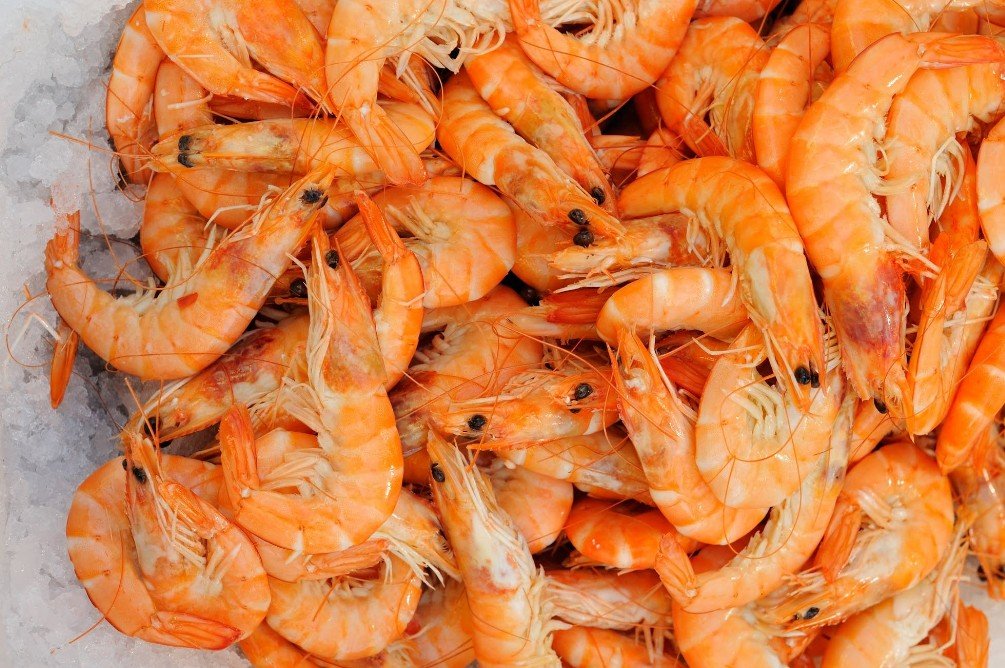
Shrimps are tiny crustaceans that resemble shrimp and may be found in fresh and saltwater habitats. Shrimp have enthralled scientists, seafood enthusiasts, and fishermen with their distinct anatomy, behaviour, and economic importance. Shrimp are essential to aquatic ecosystems, whether they are found in small streams or the deepest seas.
Scientific Classification of Shrimp
Animalia is the kingdom. Phylum: Arthropoda Malacostraca class Caridea is the order. Family: Species-specific Genus: Dependent on the species
2. Physical Attributes of Shrimp: Anatomy, Exoskeleton & Features
Shrimp may be distinguished from other crustaceans by their unique look. Their long, thin bodies, which are usually encased in a hard exoskeleton called a carapace, and their long, flexible antennae are what define them.
The Structure of the Body — Shrimp Exoskeleton & Body Parts
Exoskeleton: The hard exoskeleton that protects the shrimp’s body must be lost on a regular basis, a process called moulting. Shrimp bodies are segmented into three major parts: the abdomen, the tail (sometimes called the telson), and the cephalothorax (head and thorax). Typically, prawns have 10 limbs. Claws, also known as chelae, are often seen on the first set of limbs and are used for communication, defence, and food capture. You can walk, swim, and eat using the rest of your limbs. Tail Fan: When frightened, prawns may swiftly push themselves backwards thanks to the tail’s fan-like structure, also called the telson.
Shrimp Size & Growth
The size of prawns varies by species. While some species, like the tiger prawn, may reach lengths of over 12 inches (30 cm), others, like the small pistol shrimp, are less than 2 inches (5 cm).
3. Shrimp Habitat, Freshwater vs Saltwater, Global Range
From modest coastal waters to the deepest seas, prawns may be found in a wide range of aquatic habitats. Their capacity to adapt to various water conditions is a major factor in their extensive dispersion.
Saltwater Shrimp Habitat & Marine Species
Oceans & Seas: The majority of prawn species are found in saltwater habitats, especially coral reefs, estuaries, and coastal regions. They are also seen in the open ocean at different depths. Depth Range: While some species live in shallow water habitats like mangrove forests, lagoons, and tidal zones, others are found in the deep sea, where they may be found up to 8,000 feet (2,400 meters) below the ocean’s surface.
Freshwater Shrimp Species & Environments
Rivers and Streams: A number of prawn species have evolved to live in freshwater environments. Around the globe, lakes, rivers, and streams are home to these prawns, which are often smaller than their marine counterparts. Estuaries: For many prawn species, estuarine habitats—where freshwater and saltwater meet—are essential. These places provide abundant food supplies as well as secure nesting sites.
Shrimp Climate Range: Temperate and Tropical Areas
In temperate and tropical climates with warm water, prawns flourish. More temperate areas are home to species like the northern prawns that live in cooler seas.
4. What Shrimp Eat, Shrimp Diet & Feeding Behavior
Because they are opportunistic and omnivorous eaters, prawns will eat a broad range of organic materials based on what is available. They eat algae, plankton, plant materials, detritus, and small creatures including worms, molluscs, and microscopic fish.
Methods of Feeding — How Shrimp Eat & Feeding Strategies
Some prawn species are filter feeders, drawing organic matter and tiny plankton particles from the water using their legs. Scavenging: By consuming dead or decomposing organic debris, many prawn species contribute to the cleanliness of the environment. Some kinds of shrimp, such as the mantis shrimp, are carnivorous and may pursue tiny food like fish or molluscs, however the majority of shrimp eat plants and debris.
Sources of Food — Shrimp Food Sources & Natural Diet
- Plankton — primary shrimp diet
A variety of prawn species eat plankton, which are microscopic creatures that float in the water column and include phytoplankton and zooplankton.
- Detritus — organic matter consumed by shrimp
Detritus, or decaying plant and animal debris, is another food source for prawns.
- Algae — common food for shrimp species
It is well known that prawns graze on algae, especially those found in freshwater or estuaries.
5. Shrimp Behavior, Mating & Social Patterns
Although they may display some social behaviour in certain species or at particular times of the year, prawns are mostly solitary creatures. Certain species congregate in big groups, especially while they are eating or mating.
Shrimp Breeding Cycle & Life Stages
Shrimp use external fertilisation to breed. Male prawns release sperm into the water during the breeding season, and the female receives the sperm via a unique mating behaviour. Usually, hundreds to thousands of eggs are laid by female prawns and fertilised outside of their bodies. Until they develop into larvae, the female carries the eggs in a separate chamber. Since prawns go through many moults before becoming adults, the larval stage is a crucial time in their development. During this phase, they are very mobile and drift with the currents until locating themselves in appropriate habitats.
Shrimp Social Behavior & Grouping
Group Aggregation: In regions where food is plentiful, some shrimp species, such ghost shrimp and prawns, may congregate in big groups to forage. Hostile Behaviour: Some species, such as the mantis shrimp, are hostile against animals or other shrimp that invade their region because they are territorial. Communication: Mantis shrimp, in particular, communicate with one another using vibrational cues and colour patterns. Additionally, they attack prey and other enemies with high-impact blows using their strong claws.
6. Shrimp Role in Ecosystem & Food Chain
As both predators and prey in the food chain, prawns are essential to the ecology. They support the health of aquatic ecosystems, play a crucial role in the cycling of nutrients, and provide as food for a range of predators.
Shrimp as Prey for Marine Animals
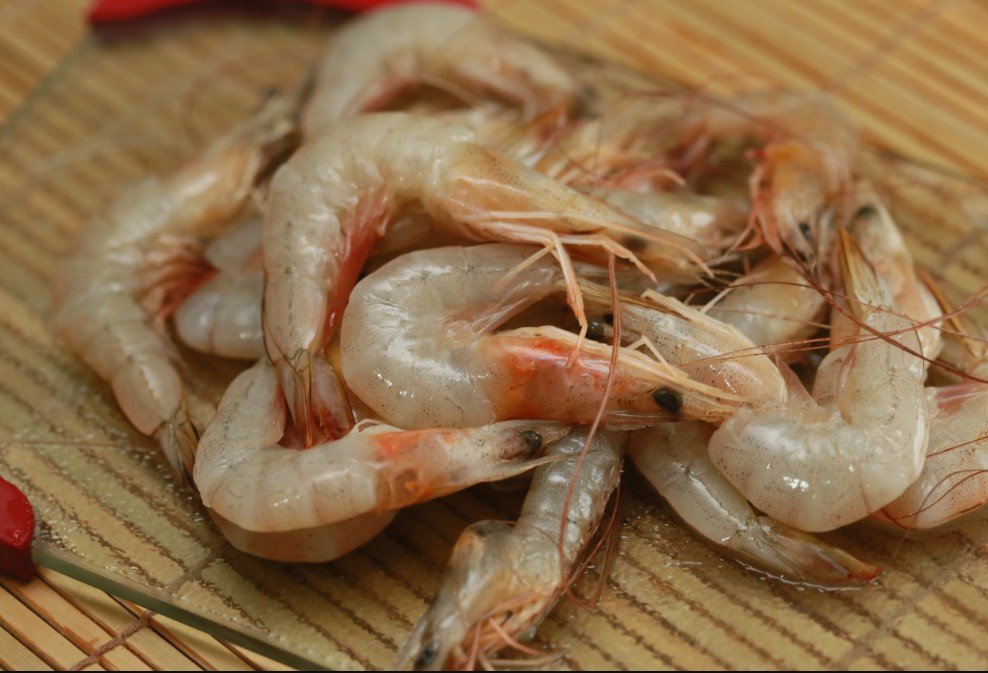
For many bigger marine creatures, such as fish, crabs, seabirds, and mammals, prawns represent a vital food source. They are essential to preserving the equilibrium of aquatic habitats because of their abundance in the food chain.
Shrimp Scavenging & Detritivore Role
Shrimp contribute to the breakdown of decomposing organic waste by acting as scavengers and detritivores, which replenishes the environment with important nutrients. Maintaining healthy ecosystems, particularly in coral reefs and estuarine habitats, depends on this mechanism.
Symbiotic Cleaner Shrimp & Mutualistic Relationships
Certain shrimp species, like the cleaner shrimp, have mutualistic interactions with other creatures. Cleaner prawns will profit from the meal while cleaning their hosts by removing parasites and dead skin from fish bodies.
7. Shrimp Recipes, Cooking Uses & Nutrition
Because of their delicate texture and adaptable flavour, prawns are among the most popular shellfish eaten globally. Shrimp may be prepared in a myriad of ways and come in a variety of formats, such as fresh, frozen, or dried.
Popular Shrimp Dishes & Cuisine Styles
Shrimp are often used in salads, grilled or fried foods, soups, stews and curries. Around the globe, shrimp tacos, shrimp skewers, shrimp scampi and shrimp cocktails are all well-liked foods. Additionally, shrimp are used to make several regional specialities, such as shrimp fried rice in Chinese cooking and shrimp gumbo in the southern United States.
Shrimp Health Benefits & Protein Content
Protein, omega-3 fatty acids, vitamins, and minerals including calcium, selenium, and iodine are all abundant in prawns. They are a good choice for many diets since they are also low in calories and fat.
8. Sustainable Shrimp Farming & Aquaculture
Around the globe, shrimp are raised in ponds or shrimp farms, making shrimp farming, sometimes referred to as aquaculture, a significant business. However, environmental issues including habitat degradation, water pollution, and overfishing of wild prawn populations have been brought on by unsustainable farming techniques.
Eco-Friendly Shrimp Production
Recirculating aquaculture systems (RAS), which decrease environmental effect, and responsible procurement of shrimp, which lessens damage to ecosystems, are two examples of more sustainable methods that the shrimp farming sector is progressively implementing. As consumer demand for prawns farmed ethically has increased, the industry has responded by enacting certifications such as the Aquaculture Stewardship Council (ASC) to encourage ethical farming methods.
FAQ (Frequently Asked Questions) about Shrimp
Q: How long do shrimp live?
Ans: The lifespan of shrimp varies by species, but most shrimp live between 1 to 7 years.
Q: What do shrimp eat?
Ans: Shrimp are omnivores and feed on plankton, algae, small fish, and detritus, helping to clean their environment.
Q: Where are shrimp found?
Ans: Shrimp can be found in oceans, rivers, and lakes worldwide, from shallow coastal waters to deeper oceanic regions.
Q: Are shrimp good swimmers?
Ans: Yes, shrimp are very good swimmers, using their tails to swim quickly backward when threatened by predators.
Q: Can shrimp be farmed?
Ans: Yes, shrimp are widely farmed for commercial purposes, particularly in countries with large seafood industries.
Q: Are all shrimp species edible?
Ans: While most species of shrimp are edible, some smaller or non-commercial species are not typically eaten.
Q: What are some popular dishes made with shrimp?
Ans: Shrimp are used in various dishes, such as shrimp cocktails, shrimp scampi, sushi, stir-fries, and gumbo.
Q: Do shrimp have predators?
Ans: Yes, shrimp are preyed upon by a variety of predators, including fish, birds, seals, and other marine animals.
#Shrimp #Seafood #AquaticLife #Crustaceans #MarineLife #ShrimpFarming #OceanEcosystem #ShrimpFacts
Our sources and references about Shrimp
1: Wikipedia – Shrimp
2: FAO – Sustainable Shrimp Farming
3: National Geographic – Shrimp
4: Seafood Watch – Shrimp Sustainability