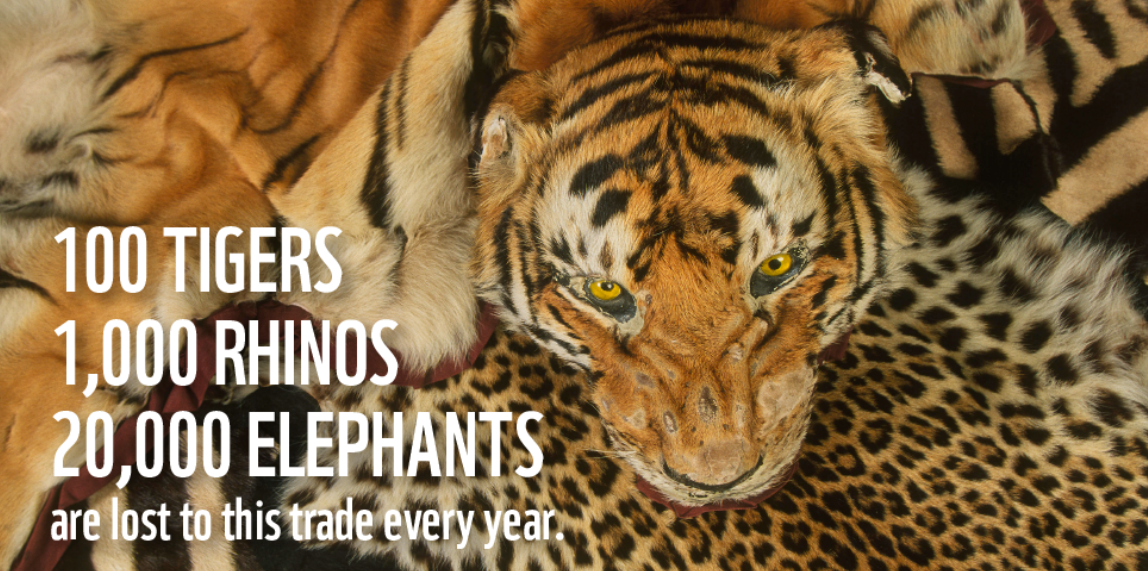
Illegal Wildlife Trade Impacts
The illicit wildlife trade harms countless animal species worldwide. It involves trafficking endangered animals, their body parts, and products made from them. Driven by demand for luxury items, traditional remedies, and fascinating pets, this trade has caused severe population declines and cruelty in captivity.
Consequences of Wildlife Trafficking
Beyond individual animal harm, illegal trade threatens ecosystems and biodiversity. Removing key species destabilises ecological balance, reduces ecosystem services, and increases vulnerability to environmental disruptions.
Threats to Species and Biodiversity
Wildlife trafficking also impacts human societies. It undermines livelihoods, fuels organised crime, and weakens law enforcement. A multi-pronged approach—law enforcement, public education, sustainable alternatives, and ethical consumer behaviour—can protect animals and ecosystems.
Examples of Trafficked Animals
Elephants are heavily targeted for ivory, causing population declines across Africa and Asia. Rhinoceroses face poaching for horns, sought in traditional medicine, threatening their survival. The fascinating pet trade removes reptiles, primates, and parrots from the wild, harming both the animals and ecosystems.
Scale and Criminal Networks
Illicit wildlife trade supports organised crime, corruption, and even terrorism. Its high profits attract criminal networks, while poaching and habitat destruction disrupt ecosystems and threaten other species.
Laws and International Agreements
Governments and NGOs collaborate to enforce wildlife protection laws and educate the public. International agreements, such as CITES, regulate endangered species trade and aim to curb illegal trafficking.
Persistent Demand for Animal Products
Despite laws, the lucrative demand for fascinating animal products keeps illegal trade alive. Public awareness and strict enforcement are critical to reducing this demand.
Ecological Effects of Wildlife Trade
Declining animal populations disrupt predator-prey dynamics and food chains. Reduced herbivores may cause overgrazing, loss of plant diversity, and cascading impacts on dependent species.
Biodiversity Loss
Loss of species affects ecosystems and human societies. Indigenous communities rely on wildlife for rituals, food, and cultural practices, which are jeopardised by population declines.
Economic Impacts
Tourism and local economies suffer when iconic species and habitats are depleted. Reduced wildlife populations lead to fewer visitors and loss of revenue for local communities.
Conservation Strategies
Combatting illegal trade requires strengthened law enforcement, public education, and sustainable livelihood alternatives. Addressing root causes reduces demand and protects ecosystems and vulnerable species.
Challenges in Wildlife Protection
Habitat Destruction
Poachers often destroy habitats to access target species, displacing native populations and disrupting ecosystems. Illegal logging further devastates forests, threatening countless animal homes.
Poaching Techniques
Poachers use traps, poison, and weapons, causing collateral damage to non-target species. Capturing animals for markets removes them from natural habitats, disturbing predator-prey dynamics.
Indirect Ecosystem Damage
Demand for animal products, like tiger bones and rhino horns, drives random killings. Keystone species decline leads to habitat degradation and long-term ecosystem collapse.
Animal Cruelty and Welfare
Inhumane Treatment
Animals suffer physically and psychologically in illegal trade, factory farming, entertainment, and research. Overcrowding, confinement, and forced feeding cause immense stress and disease.
Animal Testing
Millions of animals endure pain and death in laboratory tests. Exposure to toxic chemicals, invasive procedures, and forced feeding creates severe suffering.
Entertainment Abuse
Captive elephants, tigers, and dolphins face mistreatment for amusement. They experience abuse, confinement, and loss of natural behaviours and social bonds.
Legal Protection Importance
Strong laws and regulations, public awareness, and cruelty-free alternatives are essential to prevent unnecessary suffering and promote ethical treatment.
Health Risks and Zoonotic Diseases
Illegal wildlife trade increases zoonotic disease transmission. Interaction with fascinating pets and traditional remedies can spread pathogens across regions, contributing to epidemics and pandemics.
Epidemic Examples
The 2014 Ebola outbreak and the suspected wildlife origin of COVID-19 highlight the global risks posed by illegal wildlife trade and the urgent need for intervention.
Awareness and Prevention
International cooperation, trade restrictions, and public education are crucial to reduce zoonotic disease risks and protect biodiversity.
Collective Action Needed
Addressing poverty, providing alternative livelihoods, and enforcing stricter penalties are key to reducing wildlife trafficking and safeguarding human and animal health.
Economic Consequences
Wildlife tourism and sustainable businesses suffer when animal populations decline. Local communities lose revenue, jobs, and ecotourism opportunities, while illegal operators gain unfair advantages.
Tourism Impact
Declining wildlife reduces visitor numbers, harming lodges, guided tours, and local businesses dependent on tourism.
National Economy Effects
Wildlife tourism contributes significantly to GDP and foreign exchange. Illegal trade undermines potential gains from ethical, sustainable wildlife operations.
Long-Term Ecological and Economic Harm
Habitat destruction, deforestation, and resource exploitation associated with illegal trade cause lasting damage to ecosystems and economies. It also disrupts legitimate markets, creating inefficiencies and missed opportunities.
Combating Illegal Wildlife Trade
Governments, NGOs, and global communities must unite to enforce laws, promote sustainable wildlife management, and protect species, habitats, and economic resources from the devastating effects of illicit trade.