Quick Top 10 Facts about Ackie Monitor
| SCIENTIFIC NAME | Varanus acanthurus (Ackie Monitor) |
| CLASSIFICATION | KINGDOM: Animalia CLASS: Reptilia ORDER: Squamata FAMILY: Varanidae PHYLUM: Chordata GENUS: Varanus |
| SIZE | Length: 45-60 cm (17.7-23.6 inches) |
| HABITAT | Found in dry, rocky, and savannah-like environments of northern Australia |
| DIET | Carnivorous – Insects, small vertebrates, and some fruits |
| SPECIES | Only one species – the Ackie Monitor (Varanus acanthurus) |
| COUNTRY | Native to Australia, particularly in the northern regions of the country |
| GESTATION PERIOD | Egg incubation lasts approximately 2–3 months |
| LIFE SPAN | Up to 20 years in captivity |
| CONSERVATION STATUS | Least Concern – No significant threats to their population |
Amazing Facts About Ackie Monitors
1. Ackie Monitors are expert climbers
Ackie Monitors are very agile climbers, making use of rocky outcrops and tree branches in their natural habitat.
2. They have unique hunting techniques
Ackie Monitors rely on their fast reflexes to hunt insects and small vertebrates, often burrowing for prey.
3. They are solitary creatures
Ackie Monitors are not social lizards and tend to keep to themselves in the wild.
4. They have a long, prehensile tail
Their tail is strong and flexible, helping them balance while climbing and providing stability on rocky surfaces.
5. They are diurnal hunters
Ackie Monitors are most active during the day, hunting and foraging in the daylight hours.
6. They have excellent vision
Ackie Monitors are well-adapted to see clearly in their environment, helping them spot prey and avoid predators.
7. Ackie Monitors are good pets
They are popular among reptile enthusiasts due to their manageable size and interesting behavior.
8. They can tolerate some heat
They are native to hot environments and can tolerate a wide range of temperatures.
9. They communicate with body language
Ackie Monitors use head bobbing and other body movements to communicate with each other.
10. Ackie Monitors can live in captivity for decades
With proper care, Ackie Monitors can live for over 20 years in captivity, making them long-term pets.
Fascinating facts about Ackie Monitors
The interesting reptiles known as Ackie Monitors, or Varanus acanthurus in scientific parlance, are indigenous to Australia’s dry areas. Because of their distinctive look and fascinating behaviour, reptile aficionados are very interested in these tiny to medium-sized lizards. Because of their eye-catching colours, sturdy physique, and curious disposition, Ackie Monitors are fascinating pets.
Distinctive physical features of the Ackie Monitor
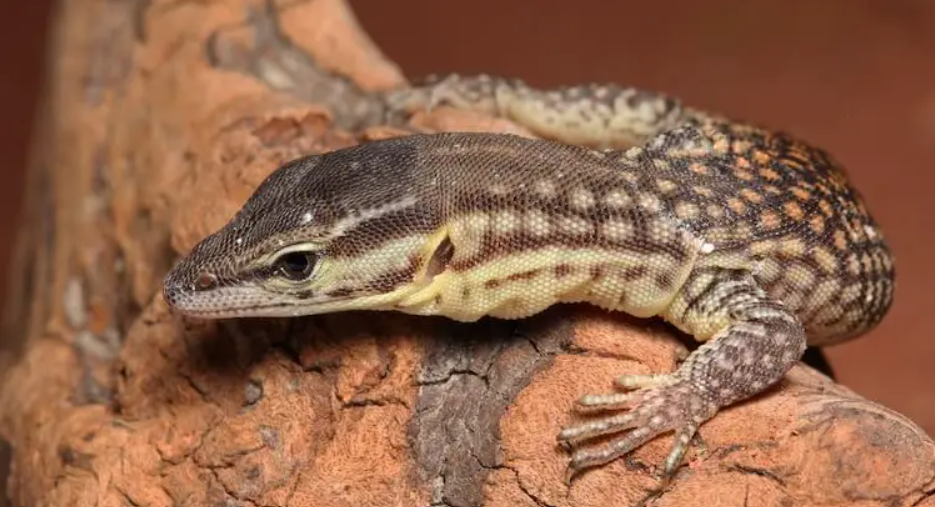
Ackie monitors may be distinguished from other reptiles by their unique look. With a stocky form and a tail that makes up almost two-thirds of their whole length, they normally reach a maximum length of two to three feet. Their remarkable patterns on their scales, which come in hues of red, orange, and yellow, help them blend in well with their surroundings. With its distinct look and small size, the Ackie Monitor is an intriguing reptile. Only seasoned reptile keepers should consider keeping them as pets since they need specialised care and attention.
Ackie Monitors are native to Australia and are also known as Spiny-tailed Monitors
Ackie monitors live in the dry areas of Western Australia in the wild. One prominent feature of their adaptation to the harsh desert habitat is their burrowing tendency. These lizards dig elaborate tunnels under the earth to protect themselves from harsh weather conditions and potential predators. They can regulate their body temperature by using their burrows as a thermoregulation mechanism.
Dietary preferences of Ackie Monitors
Being a diurnal species, ace monitors are active throughout the day. They often exhibit a variety of behaviours that enthral their owners, and they are renowned for being bright and inquisitive animals. These lizards are skilled climbers and are often seen soaking up the sun’s warmth by sunbathing on rocks or trees.
Diet and Feeding Habits facts about Ackie Monitors
Ackie monitors are opportunistic eaters when it comes to eating. They eat a variety of things, including birds, insects, small animals, and even other reptiles. For their health and welfare, captive animals need a well-balanced diet of gut-loaded insects like roaches and crickets, sometimes supplemented with small rodents.
Information on the ideal enclosure setup for keeping an Ackie Monitor as a pet
Ackie Monitors are fascinating reptiles that provide a unique experience when kept as pets. Reptile aficionados like them because of their remarkable beauty, intriguing behaviour, and manageable size. But it’s vital to remember that these lizards need certain maintenance and a good environment to survive, so doing your homework and being ready are essential before thinking about getting them as pets.
Interesting facts about the Ackie Monitor
Varanus acanthurus, the scientific name for the Ackie Monitor, is a small to medium-sized lizard that is indigenous to Australia’s desert areas. This intriguing lizard, also called the Spiny-tailed Monitor, has become more well-known among reptile aficionados because of its unusual look and small size. We’ll look at a few fascinating Ackie Monitor facts in this blog article.
1. Distinctive physical features of the Ackie Monitor, such as its spiky tail and rough scales
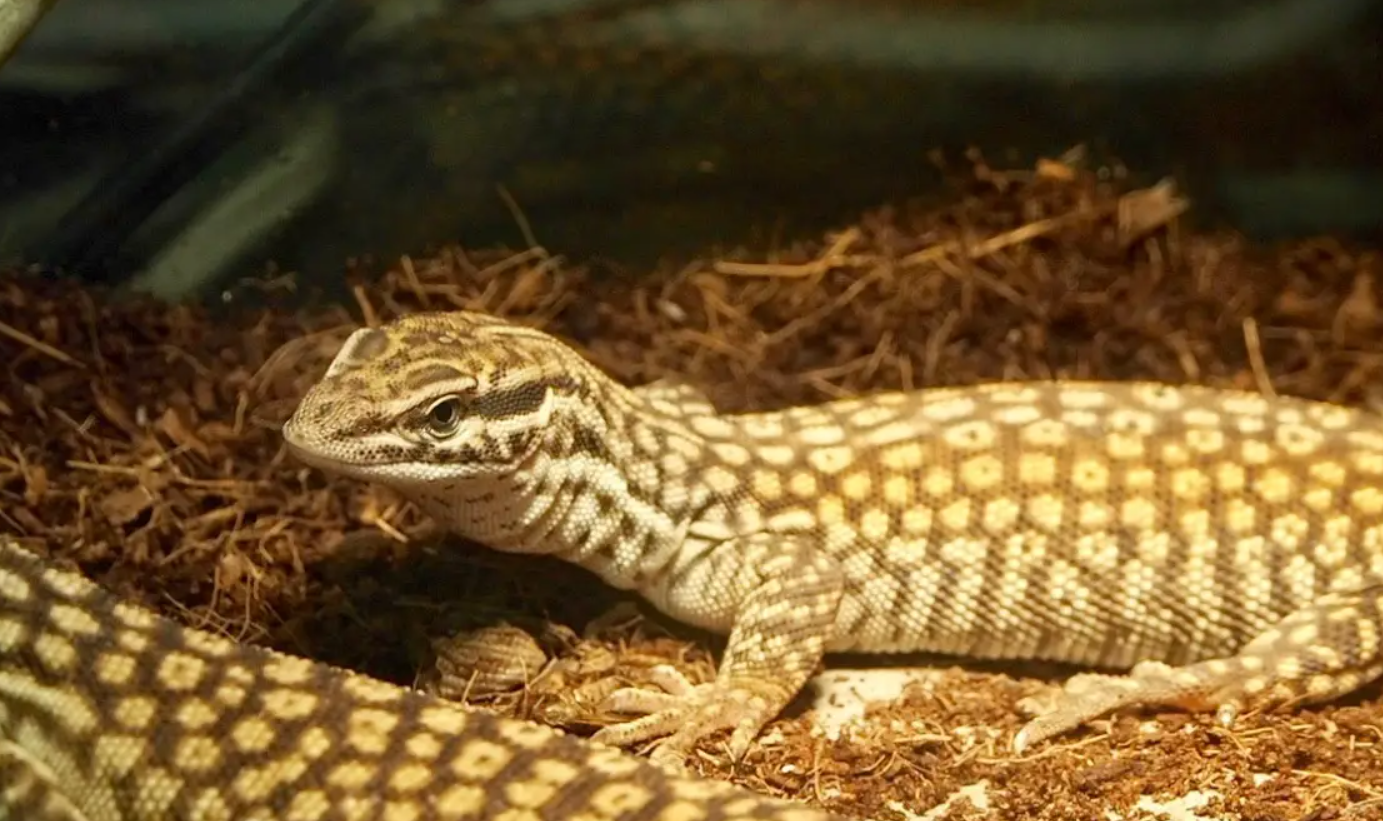
Male Ackie Monitors are somewhat bigger than females, and they often reach a length of two to three feet. Their popular name comes from their spiky tail, which gives them a stocky physique. They have black patterns on their scales, which vary in hue from reddish-brown to orange or yellow. Their markings aid with their environmental integration.
2. Ackie Monitor’s appearance, size, and natural habitat
Habitat parts of the Northern Territory and the dry areas of Western Australia are home to Ackie Monitors. Their preferred natural habitats are hollow logs, termite mounds, and rocky outcrops. Being skilled climbers, these lizards are often seen sunbathing on rocks or tree branches.
3. Nutrition consists of insects, small mammals, and occasionally fruits.
Acckie As carnivorous reptiles, monitors consume a wide range of animals. Their main sources of food include tiny rodents, insects, and other reptiles. They may be fed mealworms, roaches, crickets, and tiny mice while they are in captivity. To guarantee they get all the nutrients they need, it’s critical to provide a diversified diet.
4. Behaviour: Being diurnal, these lizards are active throughout the day.
They are renowned for being observant and inquisitive, often investigating their environment. Additionally, compared to other monitor species, ackie monitors are considered to be quite gentle, which makes them ideal pets for knowledgeable reptile keepers.
5. Information on the ideal enclosure setup for keeping an Ackie Monitor as a pet.
It’s crucial to give Ackie Monitors a roomy cage that closely resembles their natural environment while keeping them. The perfect terrarium has branches for climbing, plenty of hiding places, and a tight-fitting top. During the day, the temperature should be kept between 85 and 95°F, with a cooler space for them to retire to. UVB illumination is also necessary for their general well-being. We can guarantee the welfare of these wonderful animals in both captivity and the outdoors by comprehending their natural environment and behaviour.
6. Reproductive behaviour of Ackie Monitors
Ackie Monitors mature sexually between the ages of two and three. The female will deposit a clutch of six to twelve eggs, and breeding normally takes place in the warmer months. The incubation of the eggs lasts between 90 and 120 days, depending on the temperature. It is crucial to remember that raising Ackie Monitors may be difficult, and only knowledgeable breeders should attempt this.
7. Legal Considerations and Conservation Status
As of right now, the Ackie Monitor is not considered a threatened species. Their number in the wild, however, may be threatened by habitat degradation and collecting for the pet trade. Appropriate captive breeding initiatives support both the preservation of these reptiles and the decline in the market for specimens taken from the wild.
FAQ (frequently asked questions) about Ackie Monitor
Q: What is an Ackie Monitor?
Ans: The Ackie Monitor, also known as the spiny-tailed monitor (Varanus acanthurus), is a small species of monitor lizard native to Australia. It is known for its spiky tail and curious, active nature.
Q: Where do Ackie Monitors live?
Ans: Ackie Monitors are found in arid and semi-arid regions of northern and western Australia. They inhabit rocky outcrops, dry scrublands, and desert environments.
Q: What do Ackie Monitors eat?
Ans: Ackie Monitors are carnivores. In the wild, they eat insects, small mammals, reptiles, and eggs. In captivity, they are commonly fed crickets, roaches, and occasional pinkie mice.
Q: Are Ackie Monitors dangerous to humans?
Ans: No, Ackie Monitors are not dangerous to humans. They are relatively small, docile, and make popular reptile pets due to their manageable size and friendly behavior when properly handled.
Q: How do Ackie Monitors reproduce?
Ans: Ackie Monitors lay eggs. After mating, the female lays a clutch of 5–12 eggs in a burrow. The eggs incubate for around 90–120 days before hatching, depending on temperature and humidity.
Q: How do Ackie Monitors defend themselves?
Ans: When threatened, Ackie Monitors may use their spiny tails to lash out, or they may retreat into a burrow or crevice. Their coloration also provides camouflage in their natural habitat.
Q: How long do Ackie Monitors live?
Ans: Ackie Monitors can live up to 15–20 years in captivity with proper care. Their lifespan in the wild is likely shorter due to predation and environmental challenges.
Q: What are the physical characteristics of Ackie Monitors?
Ans: Ackie Monitors are typically 16–28 inches long, including their tails. They have rough, spiny tails, a strong build, and a yellow to reddish body color with dark spots or bands.
Q: Do Ackie Monitors need special care?
Ans: Yes, in captivity they require a spacious, well-heated enclosure with UVB lighting, proper humidity, and a varied diet. They also need opportunities to dig, climb, and bask.
Q: Are Ackie Monitors good pets?
Ans: Yes, Ackie Monitors are considered one of the best pet monitors due to their smaller size, hardy nature, and generally docile temperament when socialized properly.
#AckieMonitor, #AckieLovers, #MonitorLizard, #ReptileLovers, #ReptilesOfInstagram, #ExoticPets, #LizardLife, #ReptileKeeper, #PetAckie, #Herpetology, #AckieMonitorLove, #ReptileEnthusiast, #DesertLizard, #NatureLovers, #ReptileWorld
Our sources and references about Ackie Monitor
1: Wikipedia – Spiny-tailed Monitor (Ackie Monitor)
2: ReptiFiles – Ackie Monitor Care Guide
3: Monterey Bay Aquarium – Ackie Monitor
4: Everything Reptiles – Ackie Monitor Info