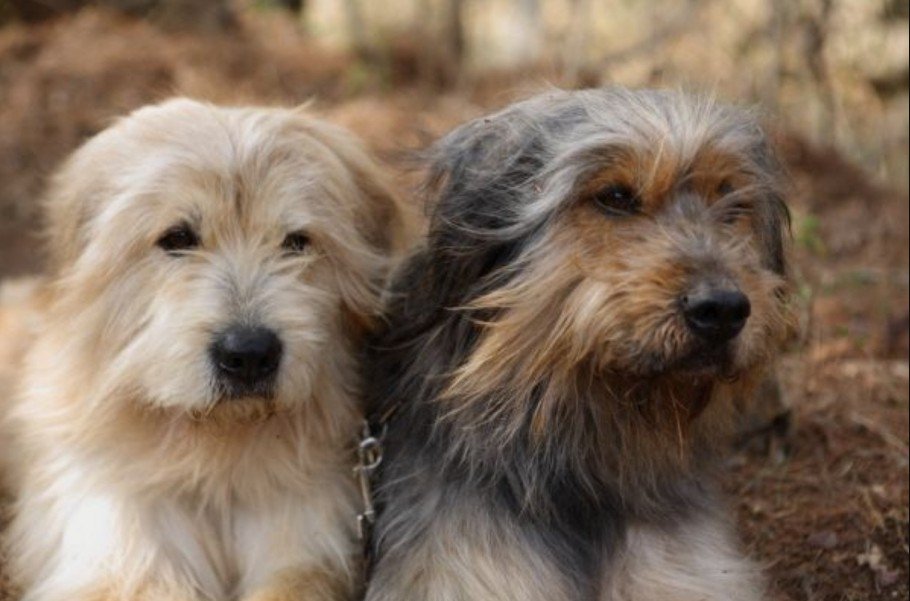
The Sapsali is a rare and ancient breed of dog that originated in Korea, known for its long, thick coat and its strong cultural significance. Historically believed to have the ability to ward off evil spirits, this dog is considered a symbol of good fortune and protection in Korean folklore. The Sapsali is a medium-sized dog with a calm, friendly, and loyal nature, making it a great companion. They are also known for their intelligence and trainability, excelling in obedience training. Despite being less known outside of Korea, the Sapsali remains a beloved pet in its homeland and is recognized for its unique role in Korean history.
Sapsali Dog Scientific Classification
| SCIENTIFIC NAME | Canis lupus |
| CLASSIFICATION | KINGDOM: Animalia PHYLUM: Chordata CLASS: Mammalia ORDER: Carnivora FAMILY: Canidae GENUS: Canis |
| SIZE | Height: 45–60 cm (18–24 inches) Weight: 15–25 kg (33–55 lbs) |
| SPECIES | Sapsali is a distinct dog breed, recognized for its unique appearance and heritage. |
| APPEARANCE | The Sapsali has a thick, fluffy coat that is typically long and slightly wavy. They have a sturdy, muscular build with a broad head, dark eyes, and erect ears, giving them a striking and attractive appearance. |
| LIFE SPAN | Typically 12–15 years, depending on health and care. |
| HABITAT | The Sapsali has been primarily a companion dog, living with families in homes across Korea and abroad. They thrive in warm, comfortable environments where they can be close to their human family members. |
| DIET | The Sapsali is an omnivorous dog and should be fed a balanced diet consisting of high-quality dog food, vegetables, and meats to ensure optimal health. |
| NATURAL PREDATORS | As domesticated pets, Sapsalis have no natural predators, relying on humans for protection and care. |
| COUNTRY | The Sapsali is native to South Korea, where it has been cherished for centuries as a cultural symbol. |
| CONSERVATION STATUS | The Sapsali was once on the brink of extinction but has been revived in recent years through dedicated breeding efforts. |
Sapsali Dog Facts
1. Ancient and Culturally Significant
The Sapsali has been revered in Korean culture for centuries, believed to have the power to ward off evil spirits and bring good luck to households.
2. Wards Off Evil Spirits
Historically, it was believed that the Sapsali could protect families from bad luck and evil spirits. Statues and paintings of Sapsalis were often placed around homes for protection.
3. Loyal and Protective
Sapsalis are known for their loyalty and protective instincts. They are devoted to their families and can act as excellent guard dogs despite their gentle nature.
4. Thick, Fluffy Coat
One of the most striking features of the Sapsali is its long, thick coat, which provides protection from cold weather. Their fur is soft and requires regular grooming to keep it healthy.
5. Intelligent and Easy to Train
The Sapsali is a highly intelligent breed, making them easy to train. They excel in obedience training and enjoy learning new tricks and commands.
6. Medium-Sized and Agile
With a height of 45–60 cm and a weight of 15–25 kg, the Sapsali is a medium-sized dog that is agile and energetic, enjoying outdoor activities and playtime.
7. Calm and Friendly Nature
Despite their protective tendencies, Sapsalis are known for their calm and friendly demeanor. They make great companions for families and get along well with other pets.
8. Great with Children
Sapsalis are gentle with children and are known for their affectionate nature. They are patient and enjoy being part of family activities.
9. A Rare Breed
The Sapsali is considered a rare breed, with only a small number of dogs remaining in existence. However, breeding efforts have helped to increase their numbers in recent years.
10. Symbol of Good Fortune
In Korean folklore, the Sapsali is considered a symbol of good fortune. It has a strong connection to Korea’s cultural traditions, often representing protection, good health, and prosperity.
Ancient Korean Breed
The Sapsali, also known as the Korean Sheepdog or Korean Sapsali dog, is a historic native dog breed from Korea. This ancient Korean dog breed is recognised for its unique appearance, loyalty, and deep cultural significance. For generations, the Sapsali has remained a vital part of Korean heritage and folklore. In recent years, the breed has begun gaining global recognition among rare dog breed enthusiasts.
Breed Origins
The Sapsali is one of the oldest traditional Korean dog breeds, with origins exceeding one thousand years. Historically, people used these dogs for guarding homes and providing protection. Over centuries, the breed served as both a loyal companion and a dependable working dog. Its history remains closely connected to the Korean Peninsula and national identity.
Cultural Role
Historically, Korean society regarded the Sapsali as a spiritually significant dog breed. Ancient beliefs suggested the Sapsali could ward off evil spirits and misfortune. During the Goryeo Dynasty (918–1392), aristocratic families highly valued these dogs. Noble households kept Sapsalis as trusted guardians and respected companions.
- Royal Ties: The Sapsali often symbolised status and maintained links with the Korean royal family.
- Protective Beliefs: Families believed the breed’s presence brought good fortune and protection.
Decline Revival
During the twentieth century, the Sapsali nearly became extinct due to major social changes. Urbanisation and the introduction of foreign dog breeds contributed to its decline. The Korean War and post-war era further reduced the breed’s population. Breed restoration efforts began in the late 1980s and slowly revived public interest.
In 1992, Korea officially recognised the Sapsali as a national treasure dog breed.
In 2005, the Korean Sapsali Association formed to support preservation and responsible breeding initiatives.
Physical Traits
The Sapsali is a visually striking dog breed with features that set it apart. Its coat, body structure, and size contribute to both functionality and appearance.
Size Build
The Sapsali is a medium-sized dog with a compact, sturdy build. Adult males typically weigh between 18 and 23 kilograms. Females usually weigh slightly less, ranging from 15 to 20 kilograms. The breed stands approximately 45 to 55 centimetres tall at the shoulder.
- Body Strength: A strong frame and muscular legs provide balance, speed, and agility.
- Coat Type: The long, thick, flowing coat appears in white, black, brown, grey, or mixed shades.
Facial Features
The Sapsali displays a friendly, expressive face with a soft, fluffy appearance. Large, round, dark eyes reflect intelligence, warmth, and devotion. A straight back and powerful jaw enhance the breed’s balanced proportions.
- Ear Shape: Medium-sized, triangular ears curve slightly and often stand upright.
- Tail Form: The tail curls or twists gently and carries thick fur held high.
Mane Coat
A mane-like coat surrounds the Sapsali’s neck and shoulders. This feature gives the dog a lion-like, dignified appearance. The mane appears especially prominent in male Sapsali dogs.
Temperament
The Sapsali is a calm, affectionate, and intelligent family dog breed. It remains gentle by nature while becoming protective when necessary.
Loyal Nature
Sapsalis form deep bonds with their owners and family members. They actively seek companionship and enjoy close human interaction. Their gentle temperament suits households with children. Early socialisation helps ensure confident behaviour around strangers and other animals.
Protective Instincts
The breed retains strong guarding instincts from its historical role. Sapsalis naturally remain alert and protective of their home environment. They may appear reserved with strangers but warm quickly when trust develops.
- Watchfulness: Sapsalis bark at unfamiliar sounds and visitors without excessive aggression.
Balanced Energy
The Sapsali generally displays a relaxed and composed temperament. Occasional bursts of energy appear during play and outdoor activities. Moderate daily exercise keeps the breed mentally and physically balanced.
Care Needs
Proper care ensures the Sapsali remains healthy and content. Although generally low-maintenance, its long coat requires consistent attention.
Grooming Care
Regular brushing prevents matting and tangles in the long coat. Owners should brush the coat two to three times weekly. Extra care may be needed around the neck mane during shedding periods.
- Bath Routine: Bathe only when necessary to preserve natural coat oils.
Diet Nutrition
A balanced diet supports the Sapsali’s overall health and longevity. High-quality dog food rich in protein, fibre, and essential vitamins is recommended. Owners should monitor weight to prevent obesity.
Exercise Needs
The Sapsali requires regular walks and moderate playtime. Outdoor activities support both mental stimulation and physical fitness. Games like fetch and exploration provide enrichment.
Health Issues
Sapsalis are generally healthy but may develop common canine conditions. Potential issues include skin allergies, eye problems, and hip dysplasia. Routine veterinary check-ups help detect concerns early.
Breed Preservation
Outside Korea, the Sapsali remains a rare dog breed. Global awareness has increased through conservation and education efforts. The Korean Sapsali Association continues protecting the breed’s future. These efforts ensure the Sapsali remains a living symbol of Korean cultural heritage.
Sapsali Dog FAQ (Frequently Asked Questions)
Q: What is a Sapsali?
Ans: The Sapsali is an ancient Korean dog breed known for its long, fluffy coat and its cultural significance as a protector and symbol of good fortune.
Q: How big is a Sapsali?
Ans: The Sapsali is a medium-sized dog, typically standing 45–60 cm tall and weighing 15–25 kg.
Q: What is the history of the Sapsali?
Ans: The Sapsali has been a part of Korean culture for centuries, believed to ward off evil spirits and bring good luck to households.
Q: Are Sapsalis good family pets?
Ans: Yes, Sapsalis are known for being loyal, protective, friendly, and calm, making them excellent companions for families, including those with children.
Q: How long do Sapsalis live?
Ans: The average life span of a Sapsali is around 12–15 years, depending on factors like health and care.
Q: Are Sapsalis easy to train?
Ans: Yes, Sapsalis are intelligent dogs and are easy to train. They excel in obedience training and enjoy learning new commands.
Q: What kind of coat do Sapsalis have?
Ans: Sapsalis have long, thick, and fluffy coats that require regular grooming to keep them healthy and free from mats.
Q: Where is the Sapsali breed from?
Ans: The Sapsali is native to South Korea and has strong cultural roots in the country.
Q: Are Sapsalis rare?
Ans: Yes, the Sapsali is considered a rare breed, although breeding efforts have been successful in increasing their population in recent years.
Q: What makes the Sapsali special?
Ans: The Sapsali is special due to its unique cultural significance in Korean folklore, its protective nature, and its beautiful coat.
#Sapsali #KoreanDogs #AncientBreeds #GoodLuckDogs #SapsaliProtection #CulturalHeritage #FamilyPets #DogTraining #RareBreeds
Our sources and references about Sapsali
1: Wikipedia – Sapsali
2: AKC – Sapsali
3: Dog Breed Info – Sapsali
4: Britannica – Sapsali