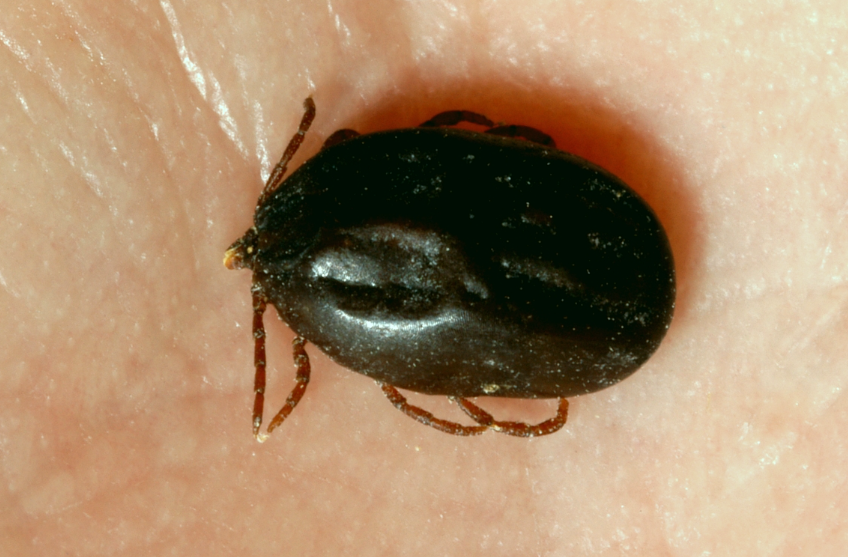
Quick Top 10 Facts about Brown Dog Tick
| SCIENTIFIC NAME | Rhipicephalus sanguineus |
| CLASSIFICATION | KINGDOM: Animalia PHYLUM: Arthropoda CLASS: Arachnida ORDER: Ixodida FAMILY: Ixodidae GENUS: Rhipicephalus SPECIES: R. sanguineus |
| SIZE | Adult size: 3–5 mm (0.1–0.2 inches) in length, but can expand significantly when engorged with blood |
| HABITAT | Commonly found in homes, kennels, and areas where dogs are present, as well as in warm, temperate climates |
| DIET | Parasitic; feeds on the blood of mammals, especially dogs |
| SPECIES | Also known as the “Kennel Tick,” it is one of the most common ticks that affect domesticated animals, especially dogs |
| COUNTRY | Found worldwide, particularly in warm and temperate climates, with a high presence in urban and suburban areas |
| LIFE CYCLE | 4-stage life cycle: egg, larva, nymph, and adult. The larvae typically infest dogs after hatching from eggs |
| LIFE SPAN | Several months to a year, depending on conditions and availability of a host |
| CONSERVATION STATUS | Not endangered, but a significant health risk due to the transmission of diseases like Lyme disease and Ehrlichiosis |
Amazing Facts About Brown Dog Ticks
1. Brown Dog Ticks are common household pests
Unlike most ticks, brown dog ticks can live indoors, making them a common nuisance in homes with dogs.
2. They can transmit serious diseases
Brown dog ticks are known vectors for various tick-borne diseases, including Ehrlichiosis, Anaplasmosis, and Rocky Mountain Spotted Fever.
3. Brown Dog Ticks are particularly attracted to dogs
Their primary host is the dog, but they can occasionally feed on other mammals, including humans.
4. They have a four-stage life cycle
The brown dog tick undergoes egg, larva, nymph, and adult stages, requiring a blood meal at each stage to develop.
5. The tick’s bite can cause anemia
Prolonged feeding can lead to blood loss in dogs, potentially causing anemia in severe cases.
6. They are capable of surviving indoors
Brown dog ticks are unique because they can complete their entire life cycle indoors, in areas like kennels or even on your pet’s bedding.
7. They are small, but they can expand when engorged
While small when unfed, brown dog ticks can grow up to 10 times their size after feeding on blood.
8. Brown Dog Ticks can reproduce quickly
A female brown dog tick can lay thousands of eggs, leading to rapid infestations if not controlled.
9. They can be hard to detect
Due to their small size and ability to hide in fur, brown dog ticks can be difficult to spot on dogs or in the home.
10. Preventing tick infestations is key
Regularly checking pets for ticks, using tick prevention treatments, and maintaining a clean living environment can help prevent brown dog tick infestations.
Intriguing facts about brown dog ticks
The brown dog tick, or Rhipicephalus sanguineus, is a common tick species that may be found anywhere in the world. Its name comes from its tendency to infest dogs, and it is thought to be rather widespread in warmer places. This specific form of tick is quite dangerous to pet owners because it may finish its life cycle inside.
Physical appearance of brown dog ticks
The brown dog tick is a small spider that feeds on its victim’s blood. Its reddish-brown colour and flattened form might make it seem like dog fur. Unlike other tick species, the brown dog tick may infect many dogs in a single residence. If this is neglected, infestations can spread quickly.
Diseases transmitted by brown dog ticks
One of the most concerning aspects of the brown dog tick is its ability to transmit disease to both humans and dogs. It is known to be a carrier of diseases, including canine ehrlichiosis and babesiosis, that may cause significant damage to dogs. Diseases like Rocky Mountain spotted fever and tick-borne encephalitis might be transmitted to humans by it. Pet owners must regularly check their dogs for ticks and take preventive measures in order to protect both themselves and their pets from these potential health risks.
Fascinating facts about brown dog ticks
Rhipicephalus sanguineus, popularly known as the brown dog tick, is a type of tick that is frequently found in warm, tropical climates worldwide. It is well recognised for its capacity to infect dogs and other animals, as well as its propensity to spread illness to people. The following are some crucial details about the brown dog tick:
Physical characteristics of brown dog ticks
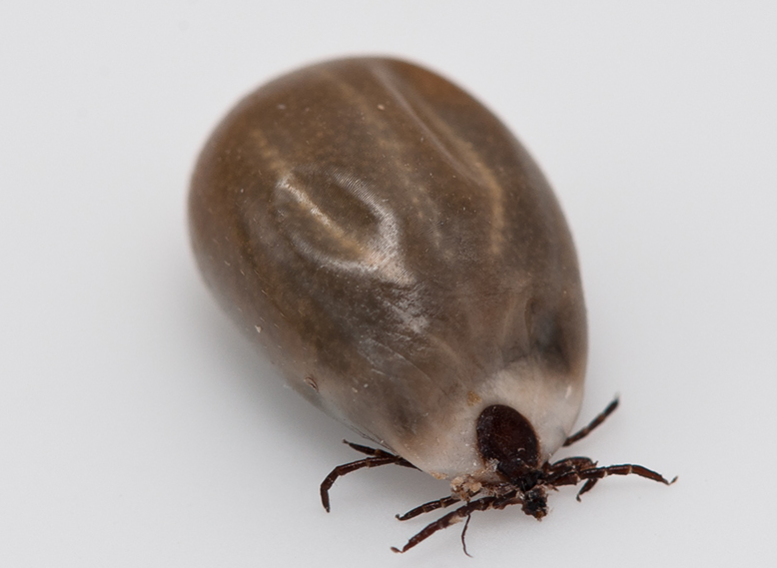
The adult female brown dog tick is around 3 to 5 mm in length, whereas the adult male tick measures approximately 2.5 to 3.5 mm. It derives its name from the reddish-brown colour of its body. The tick is an elongated, flat creature without any distinct body characteristics. It has eight legs.
Reproductive life cycle of brown dog ticks
The brown dog tick has four life stages: the egg, larva, nymph, and adult. Following mating, the female tick deposits her eggs in the surrounding environment, often in voids and fissures close to the host animal’s sleeping spots. The larvae that develop from the eggs eat their host, which is typically a dog. The larvae moult into nymphs after eating, and the nymphs feed on another host. The cycle is completed when the nymphs moult into adult ticks, who then mate and carry on.
The potential health risks posed by brown dog ticks, particularly to dogs and other pets
The brown dog tick, as its name implies, is thought to be the most prevalent tick species infesting dogs globally and has a strong affinity for dogs. But it may also infect cattle, wildlife, and other animals, like cats. The brown dog tick is a serious issue in homes and kennels because, unlike other tick species, it can live its whole life inside.
Bacterial illness carried by brown dog tick
There are many illnesses that the brown dog tick may carry, such as babesiosis and ehrlichiosis. A bacterial illness called ehlichiosis may induce fever, lethargic behaviour, anaemia, and other symptoms in both people and dogs. A parasitic illness called babesiosis damages red blood cells and may cause organ damage, fever, and anaemia. While not all brown dog ticks are carriers of these illnesses, it is crucial to remember that they may do so if they have previously eaten an afflicted host.
How brown dog tick infestations must be avoided and controlled
For the sake of human and pet health and welfare. Following actions may be helpful:
1: Effective prevention methods
2: Check your pets often for ticks, particularly after they have been outside.
3: Use the tick prevention products that your veterinarian has advised.
4: Maintain a tidy and debris-free yard and house to deter ticks.
5: Wash pet bedding routinely and hoover frequently.
6: If you believe there is a tick infestation, get advice from a reputable pest treatment company.
Health Risks Associated with Brown Dog Ticks
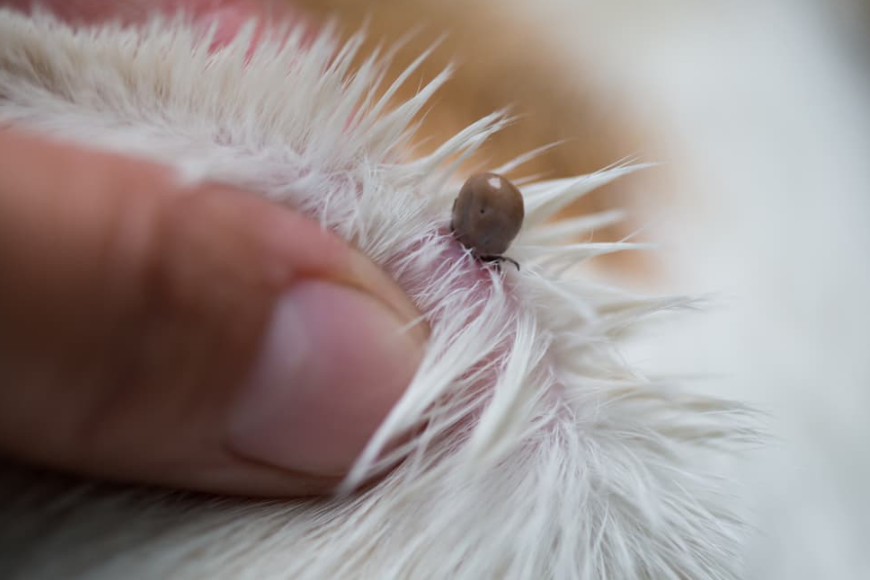
The brown dog tick is one of the most common tick species that infects dogs and other animals. Because it may spread illnesses to both people and animals, it’s critical to take preventative steps and get the right medical attention if infestations do arise. By learning the truth about brown dog ticks and implementing appropriate control measures, we can protect ourselves, as well as our dogs, from tick-borne illnesses.
FAQ (Frequently Asked Questions) about Brown Dog Tick
Q: What is a Brown Dog Tick?
Ans: The Brown Dog Tick (Rhipicephalus sanguineus) is a species of tick commonly found on dogs. Unlike most other ticks, the Brown Dog Tick can live and complete its life cycle indoors, making it a common pest in homes with pets. It is a vector for various diseases.
Q: Where do Brown Dog Ticks live?
Ans: Brown Dog Ticks are found worldwide, but they are most common in warm, dry environments. Unlike many other ticks, they can live indoors and infest homes, particularly in areas where pets are present.
Q: How do Brown Dog Ticks affect dogs?
Ans: Brown Dog Ticks are known to transmit diseases like Ehrlichiosis, Babesiosis, and Anaplasmosis to dogs. They attach to the dog’s skin to feed on blood and can cause irritation, itching, and in some cases, severe health issues due to disease transmission.
Q: How do you identify a Brown Dog Tick?
Ans: Brown Dog Ticks are reddish-brown with a flat, oval body. Adult ticks are about 1/8 inch long when unfed and can become larger when engorged with blood. Their legs are usually spread out to the sides, giving them a distinctive shape.
Q: How can you prevent Brown Dog Ticks?
Ans: Preventing Brown Dog Ticks involves regular tick control treatments for pets, such as topical medications, tick collars, and oral treatments. Keeping your home clean and vacuuming regularly can help eliminate ticks and their eggs. It is also essential to inspect pets regularly for ticks.
Q: Can Brown Dog Ticks be dangerous to humans?
Ans: While Brown Dog Ticks primarily infest dogs, they can bite humans as well. Their bites can cause irritation and discomfort, but they are not known to transmit diseases to humans. However, it is still important to be cautious and remove ticks promptly.
Q: How do you remove a Brown Dog Tick?
Ans: To safely remove a Brown Dog Tick, use fine-tipped tweezers to grasp the tick as close to the skin as possible and pull gently. Avoid squeezing the tick’s body. Clean the bite area thoroughly with antiseptic after removal, and wash your hands with soap and water.
Q: Are Brown Dog Ticks easy to eliminate?
Ans: Brown Dog Ticks can be difficult to eliminate due to their ability to live indoors and infest a wide range of environments. Effective tick control involves treating both pets and the living environment with acaricides (tick repellents) and maintaining a regular cleaning routine.
Q: How long do Brown Dog Ticks live?
Ans: Brown Dog Ticks can live for several months without feeding, and the female ticks can live for up to two years if they remain undisturbed and have a steady source of blood. They reproduce quickly, which is why timely tick control is essential.
#BrownDogTick, #TickControl, #DogTicks, #TickPrevention, #PetCare, #Ticks, #DogHealth, #PestControl, #InsectBites, #Parasites, #Ehrlichiosis, #Babesiosis, #Anaplasmosis, #InsectPrevention
Our sources and references about Brown Dog Tick
1: Wikipedia – Brown Dog Tick
2: CDC – Ticks
3: WSU – Brown Dog Tick
4: PetMD – Brown Dog Tick