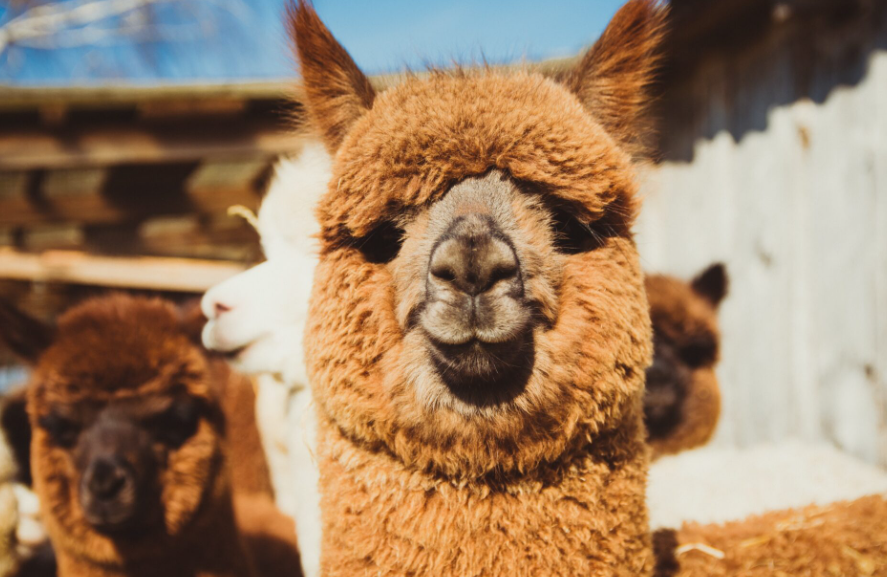
A domesticated South American mammal related to the llama. Alpacas are prized for their soft, luxurious fleece, used in textiles, and are known for their gentle, social nature.
Quick Top 10 Facts about Alpacas
| SCIENTIFIC NAME | Vicugna pacos |
| CLASSIFICATION | KINGDOM: Animalia PHYLUM: Chordata CLASS: Mammalia ORDER: Artiodactyla FAMILY: Camelidae GENUS: Vicugna |
| SIZE | Approximately 3 feet (90 cm) tall at the shoulders; weighs 120–145 pounds (55–66 kg) |
| HABITAT | Mountainous regions, grasslands, and plateaus of South America, particularly the Andes |
| DIET | Herbivorous – grazes on grasses, hay, and sometimes leaves |
| SPECIES | One domesticated species – Vicugna pacos |
| COUNTRY | Native to Peru, Bolivia, Ecuador, and Chile |
| GESTATION PERIOD | Approximately 11.5 months (around 345 days) |
| LIFE SPAN | 15–20 years |
| CONSERVATION STATUS | Domesticated – Not at risk; wild relatives such as the vicuña are protected |
Amazing Facts About Alpacas
1. Related to camels
Alpacas are members of the Camelidae family, making them close relatives of camels, llamas, and vicuñas.
2. Known for their soft fleece
Alpaca fleece is incredibly soft, warm, and hypoallergenic – often used in high-end textiles and garments.
3. Come in two types
There are two alpaca breeds: the Huacaya (fluffy fleece) and the Suri (silky fleece).
4. Communicate by humming
Alpacas often hum to express curiosity, contentment, or concern. They also make other vocalizations.
5. Social herd animals
They are extremely social and prefer to live in groups. Isolation can cause them stress.
6. Gentle and intelligent
Alpacas are calm, easy to train, and known for their intelligence and friendly nature.
7. Rarely spit
Although they can spit like llamas, alpacas usually only do so when threatened or annoyed.
8. Eco-friendly grazers
Their padded feet and efficient grazing habits make them gentle on the environment.
9. No top teeth
Alpacas have only bottom teeth at the front and a hard upper dental pad to help them chew grass.
10. Popular farm animals worldwide
Though native to South America, alpacas are now raised across the globe, including in the U.S., Australia, and the UK.
Alpacas as domesticated South American camelids
Domesticated camelids from South America are called alpacas. They are renowned for their velvety, plush fleece, which is available in an array of natural hues. Being herbivores, alpacas mostly eat grass and other plants. They can effectively take nutrients from their diet because of a special digestive mechanism.
Herding behaviour and social structure, emphasising their strong bond with other alpacas.
Alpacas are gregarious creatures that inhabit herds, usually made up of females and their young. They use a variety of vocalisations, body language, and even spitting to communicate. Alpacas are kind and inquisitive animals that often have a relaxed and amiable attitude.
Alpacas are prized for more than just their wool; they are important to sustainable agriculture. Their grazing practices lower the danger of wildfires and preserve healthy pastures. Their faeces also make fantastic natural fertiliser. Since they were first tamed thousands of years ago, alpacas have fascinated people and are now valued members of many communities due to their distinctive qualities.
Alpacas around the world
People all throughout the globe are fascinated with alpacas, which are fascinating animals. These kind and perceptive creatures are indigenous to South America, more specifically Peru, Bolivia, and Chile.
1. Alpacas belong to the family of camelids
Alpacas have close kinship with vicuñas, camels, and llamas. Their padded paws, cleft top lip, and lengthy necks are just a few of the morphological and behavioural traits they have in common with their camelid forebears. Alpacas, however, lack humps, in contrast to camels.
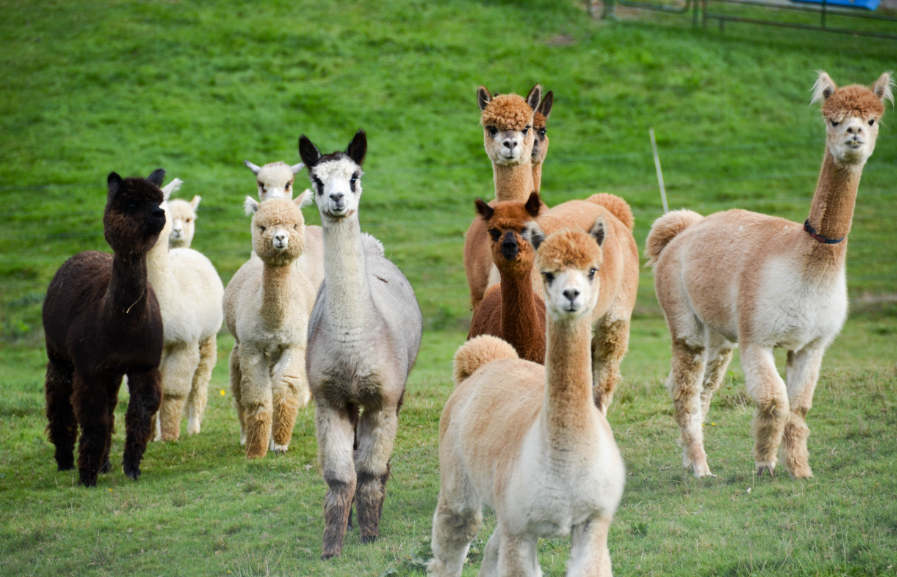
2. Two varieties of alpaca exist
Alpacas come in two primary breeds: Suri and Huacaya. The soft, crimped fleece of Huacaya alpacas gives them the look of a teddy bear. Conversely, Suri alpacas have long, silky hair that cascades down from their bodies, giving them a refined, majestic appearance.
3. Alpacas are valued for their soft fur
The very silky and warm fleece of alpacas is one of the primary factors driving their breeding. Alpaca fibre is ideal for crafting warm clothing and accessories since it is hypoallergenic, lightweight, and very insulating. Furthermore, alpaca fleece is available in a broad spectrum of natural hues, ranging from brown and black to white and beige.
4. Eco-friendly grazers, alpacas
Alpacas, in contrast to other livestock animals, have a special grazing method that protects the environment. Instead of uprooting plants to graze, they nibble the tops of the plants, which speeds up the rate at which the vegetation regrows. Because of this, alpacas are great for managing land sustainably and reducing soil erosion.
5. Alpacas are gregarious creatures
Alpacas are gregarious animals that live in herds. They form deep relationships with other herd members and possess a strong sense of community. They use body language and a range of noises, including clicking, orgling, and humming, to convey their intent and feelings.
Unique fleece of alpacas, and it is hypoallergenic
These are just a few of the many amazing facts about alpacas that exist. Alpacas are really amazing creatures that are well worth knowing more about, whether you are interested in their distinctive fleece, how they affect the environment, or their social nature.
Fascinating facts about Alpacas
A kind of camelid native to South America, alpacas live in the Andes mountain ranges of Ecuador, Bolivia, Peru, and Chile. They belong to the same family of camelids as guanacos, vicunas, and llamas. Because they were valued for their meat and fibre, alpacas were domesticated in the Andes for more than 5,000 years. The following are some alpaca facts:
1. Alpacas are related to llamas, guanacos, and vicunas, and they belong to the camelid family.
2. Alpacas typically weigh between 110 and 200 pounds, making them somewhat smaller than llamas.
3. Alpacas have opulent fleece that is available in a variety of hues, such as white, black, grey, and brown.
4. The Huacaya and the Suri are the two varieties of alpaca. Suris have long, sleek hair that dangles in ringlets, while Huacayas have a fluffy, crimped coat.
5. Alpacas consume hay, grass, and other plant-based diets since they are herbivores.
6. Alpacas are gregarious creatures who interact together in herds.
7. Alpacas are clever animals who have even been taught to pull carts and utilise a lead and halter.
8. Alpacas have a limited vocal range, with a few notes at each end that generate a quiet, hollow sound when they express themselves.
9. Alpacas have a 15–20-year lifespan on average.
10. Caps, sweaters, and other clothing items are made from alpaca wool. It is water-resistant, warm, and lightweight.
FAQ (Frequently Asked Questions) about Alpacas
Q: What is an Alpaca?
Ans: The Alpaca (Vicugna pacos) is a domesticated species of South American camelid, closely related to llamas, vicuñas, and guanacos. They are known for their soft and luxurious fleece, gentle nature, and unique appearance. Alpacas have been bred for thousands of years for their fiber and are primarily found in the Andes Mountains of Peru, Bolivia, Ecuador, and Chile.
Q: What is the difference between an Alpaca and a Llama?
Ans: While both are camelids, alpacas are smaller and have finer fleece compared to llamas. Llamas are typically used as pack animals due to their size and strength, while alpacas are bred mainly for their fiber. Alpacas also have more pointed ears, whereas llamas have longer, banana-shaped ears.
Q: What do Alpacas eat?
Ans: Alpacas are herbivores and primarily graze on grass. They also eat hay, especially in areas where pasture is limited. Some alpaca owners supplement their diet with grains and specially formulated pellets to ensure they receive enough nutrients.
Q: Are Alpacas friendly?
Ans: Yes, alpacas are generally gentle, curious, and social animals. They can be shy but are known to bond with humans, especially when raised in friendly environments. They are herd animals and do best in groups, which helps them feel safe and comfortable.
Q: What is Alpaca fleece used for?
Ans: Alpaca fleece is prized for its softness, warmth, and hypoallergenic properties. It is used to make clothing, blankets, scarves, and other textiles. Unlike sheep wool, alpaca fleece contains no lanolin, making it less itchy and more suitable for sensitive skin.
Q: How often do Alpacas need to be sheared?
Ans: Alpacas are typically sheared once a year, usually in the spring. Shearing helps keep them cool during warmer months and provides valuable fiber for textile production. Regular shearing is also important for their health and comfort.
Q: Do Alpacas spit?
Ans: Yes, alpacas can spit, but they usually do so at each other to establish hierarchy or express irritation. It is less common for alpacas to spit at humans unless they feel threatened or provoked. Their spit is often used as a form of communication among the herd.
Q: How long do Alpacas live?
Ans: Alpacas typically live between 15 to 20 years, though some can live longer with proper care. They require a safe environment, regular veterinary check-ups, and a healthy diet to thrive.
Q: Can Alpacas be kept as pets?
Ans: Yes, alpacas can be kept as pets and are increasingly popular on hobby farms and ranches. However, they are herd animals and should not be kept alone. They require adequate space, shelter, and companionship to live happy, healthy lives.
#Alpaca #AlpacaFarming #AlpacaFleece #SouthAmericanAnimals #FiberAnimals #GentleCreatures #AlpacaFacts #Camelids #SustainableFiber #EcoFriendlyTextiles #LivestockLovers
Our sources and references about Alpacas
1: Wikipedia – Alpaca
2: Alpaca Owners Association
3: National Geographic – Alpaca
4: Oregon State Extension – Alpacas


