Quick Top 10 Facts about Berger Picard Dog
| SCIENTIFIC NAME | Canis lupus familiaris |
| CLASSIFICATION |
KINGDOM: Animalia PHYLUM: Chordata CLASS: Mammalia ORDER: Carnivora FAMILY: Canidae GENUS: Canis |
| SIZE | Height: 21.5–25.5 inches (55–65 cm); Weight: 50–70 pounds (23–32 kg) |
| HABITAT | Domesticated – thrives in rural or suburban environments with space to exercise |
| DIET | Omnivorous – primarily fed commercial dog food, meats, grains, and vegetables |
| SPECIES | Berger Picard |
| COUNTRY | France |
| GESTATION PERIOD | Approximately 63 days |
| LIFE SPAN | 12–14 years |
| CONSERVATION STATUS | Not Evaluated – Domestic breed |
Amazing Facts About Berger Picard Dog
1. One of the oldest French herding breeds
The Berger Picard is believed to date back to the 9th century, making it one of the oldest shepherd breeds in France.
2. Known for its shaggy, rustic look
It has a tousled, waterproof double coat that gives it a rugged charm.
3. Extremely intelligent and trainable
These dogs excel in obedience, agility, and herding trials thanks to their smarts and eagerness to please.
4. Rare breed
After World Wars I and II, the Berger Picard nearly went extinct and remains a rare breed even today.
5. Needs plenty of exercise
Being a working breed, it thrives on physical activity and mental stimulation.
6. Has a goofy and expressive personality
Despite its serious work ethic, the Berger Picard is playful, funny, and full of expression.
7. Great with families
These dogs are loyal, gentle, and affectionate, making them great companions for children.
8. Low grooming requirements
Despite its rugged coat, the Berger Picard needs minimal grooming – just occasional brushing.
9. Naturally protective
They are alert and protective of their home, making them good watchdogs without being overly aggressive.
10. Starred in movies
The breed gained fame after starring in the film *Because of Winn-Dixie* as the title character’s dog.
Origin and history of Berger-Picard dog breed
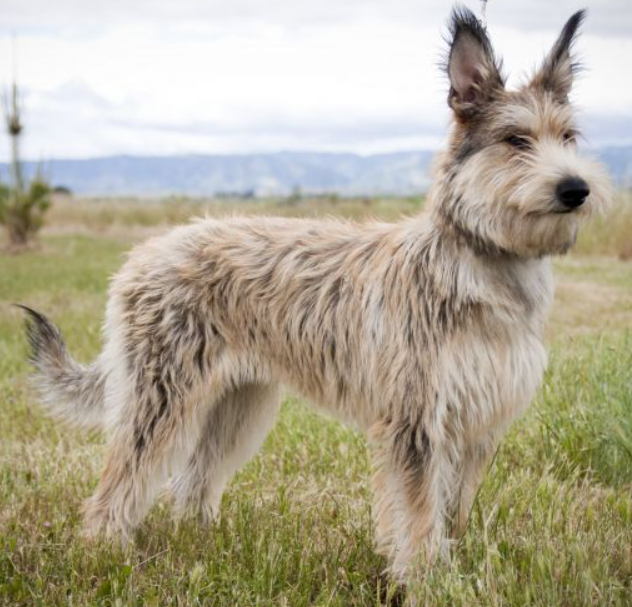
A dog breed developed in France is the Berger Picard. It is a medium-sized dog with a strong, muscular build. The breed is well-known for its peculiar look, which features a rough, country-feeling coat that is dishevelled and shaggy. The Berger Picard is distinguished by its square-shaped head, high-set ears that are often upright or semi-erect, and dark oval-shaped eyes.
Berger Picard’s temperament, intelligence, loyalty, and independence
The Berger Picard is known for being a self-reliant, loyal, and astute individual. While they may be reserved and silent with others, they are often compassionate and loving towards their family. Because of its high levels of energy, this breed also needs constant mental and physical stimulation to prevent boredom and destructive conduct. Their friendly nature, adaptable working skills, and ancient ancestry make them excellent companions for families and energetic people.
Tips for keeping the Berger Picard breed physically and mentally engaged
Sheep, in particular, have historically been herded by the versatile Berger Picard working dog. They have a strong herding drive and are well known for their independence and self-reliance. Despite their herding heritage, Berger Picards thrive in a wide range of canine sports and activities, including tracking, agility, and obedience. They may become fantastic family pets and companions if properly taught and socialised. If you’re thinking of bringing a Berger Picard into your home, be ready to provide them with plenty of mental and physical activities to keep them happy and content.
Fascinating facts about Berger Picard Dog Breed
The medium-sized Berger Picard, often called the Picardy Shepherd, is a French breed of herding dog. The Berger Picard has become more and more well-liked as a working dog and family companion due to its distinctive look and endearing nature. With a complex history and distinctive traits, the Berger Picard is a fascinating breed.
Introduce the Berger Picard dog breed
One of the oldest French herding breeds, the Berger Picard, dates from the ninth century. They were first developed in the French area of Picardy to labour alongside shepherds. They were great at leading and guarding animals because of their sharp intellect and strong herding instincts.
Unique characteristics and appearance of the breed
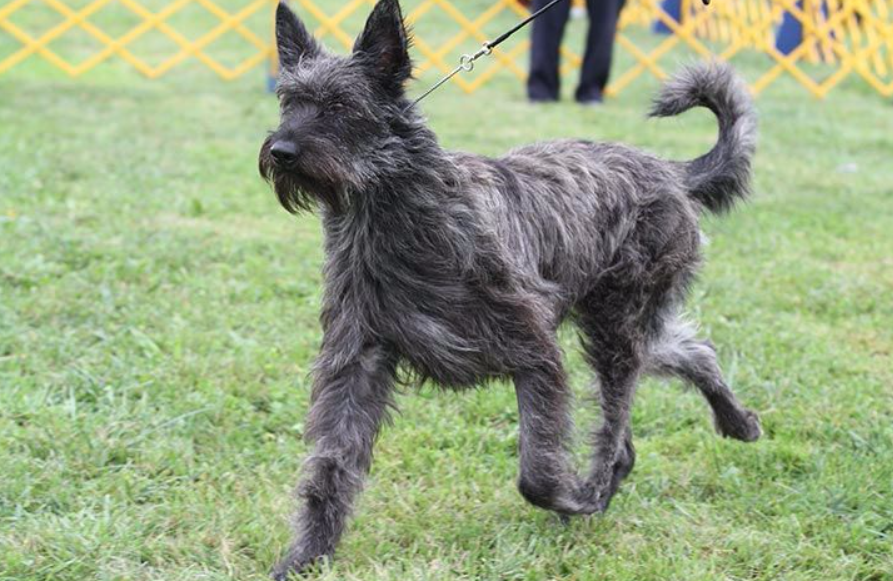
The shaggy, ruffled coat of the Berger Picard is one of its most defining characteristics. They have a tough double coat that is brindled or fawn in different colours. When they are working outside, their weather-resistant fur helps shield them from the elements. The breed’s body is square in form, its head is wedge-shaped, and it is very robust and muscular.
Energetic nature and need for regular exercise:
A very clever breed that enjoys both physical and mental stimulus is the Berger Picard. They pick things up quickly and are excellent in many canine sports and activities, including agility, obedience, and herding competitions. Because of their high energy levels, kids need mental and physical stimulation on a frequent basis to keep from becoming bored and engaging in disruptive activities.
Berger Picard’s socialisation needs and compatibility with other pets
Berger Picards were first developed as herding dogs, and their working prowess is still valued today. They may be taught to work with a variety of animals, including sheep, cattle, and poultry, and they have a natural tendency to herd. They are quite good at what they do because of their sharp senses and determination.
Intelligence, loyalty, and independent nature:
In spite of their formidable work ethic, Berger Picards are renowned for their kind and devoted nature. After being appropriately socialised, they develop close relationships with their family members and get along well with kids and other animals. They make great watchdogs because they are fiercely loyal to the people they love.
Suitable activities, such as long walks, jogging, or agility training
The Berger Picard’s coat may be shaggy, but it requires surprisingly little care. They don’t have readily matted fur, so frequent brushing is typically enough to keep it looking nice. All they really need is the odd wash and nail clipping. It’s crucial to remember that they do shed, particularly as the seasons change.
Common health issues and concerns associated with the breed
Berger Picards are generally a healthy breed with few serious health issues. They are susceptible, like other dog breeds, to a few hereditary diseases, such as progressive retinal atrophy and hip dysplasia. A balanced diet and regular veterinarian exams are crucial for preserving their general health and lifespan.
FAQ (Frequently Asked Questions) about Berger Picard Dog
Q: What is a Berger Picard Dog?
Ans: The Berger Picard, also known as the Picardy Shepherd, is a rare and rustic-looking herding breed from the Picardy region of France. Known for its lively personality and signature shaggy coat, the Berger Picard is intelligent, energetic, and loyal, making it a great companion for active families.
Q: What does a Berger Picard look like?
Ans: Berger Picards have a medium-sized, muscular build with erect ears and expressive eyes. Their weatherproof double coat is rough and tousled, giving them a charming, scruffy appearance. Coat colors range from fawn to brindle shades.
Q: How big do Berger Picard Dogs get?
Ans: Males typically stand between 23.5 to 25.5 inches (60 to 65 cm) at the shoulder and weigh around 50 to 70 pounds (23 to 32 kg). Females are slightly smaller but similarly built for endurance and agility.
Q: Are Berger Picards good family dogs?
Ans: Yes, Berger Picards can be excellent family pets. They are affectionate and form strong bonds with their people. They do well with children and other pets if properly socialized early. Their playful and alert nature makes them great companions for active households.
Q: How much exercise does a Berger Picard need?
Ans: Berger Picards are high-energy dogs and require plenty of physical activity and mental stimulation. Daily walks, playtime, and training sessions are essential. They also enjoy dog sports like agility, herding trials, and obedience work.
Q: Are Berger Picards easy to train?
Ans: Yes, but they need a firm, consistent, and positive training approach. Berger Picards are intelligent and eager to please, but they can also be independent and strong-willed. Early socialization and ongoing training are key to success.
Q: Do Berger Picards shed a lot?
Ans: Berger Picards shed moderately and require regular grooming. Their rough coat needs weekly brushing to prevent matting and remove loose hair. They don’t need frequent bathing, as their coats are naturally dirt-resistant.
Q: Are Berger Picards good watchdogs?
Ans: Yes, Berger Picards are naturally alert and protective of their families. While not aggressive, they will bark to alert you to anything unusual, making them effective watchdogs.
Q: Are Berger Picards rare?
Ans: Yes, the Berger Picard is still considered a rare breed, even in its native France. Efforts by breed enthusiasts and organizations have helped increase awareness, but it remains an uncommon sight outside dedicated circles.
Q: What is the lifespan of a Berger Picard?
Ans: Berger Picards typically live between 12 to 14 years. They are generally healthy dogs but can be prone to some genetic conditions, such as hip dysplasia and progressive retinal atrophy, so responsible breeding is important.
#BergerPicard #PicardyShepherd #HerdingDog #ScruffyDog #FrenchDogs #DogBreeds #ActiveDogBreed #RareDogs #LoyalCompanion #FamilyDog #DogLovers #BergerPicardPuppy
Our sources and references about Berger Picard Dog
1: Wikipedia – Berger Picard
2: American Kennel Club – Berger Picard
3: DogTime – Berger Picard
4: Vetstreet – Berger Picard