Shepweilers are a hybrid breed, a mix between the German Shepherd and the Rottweiler. Known for their loyalty, intelligence, and protective nature, Shepweilers make excellent working dogs and family companions. They inherit the best traits from both parent breeds, making them strong, courageous, and highly trainable. While they are often used as service dogs or in police work, they also thrive in loving homes where they can receive plenty of attention and exercise.
Quick Top 10 Facts about Shepweiler
| SCIENTIFIC NAME | Canis lupus familiaris |
| CLASSIFICATION | KINGDOM: Animalia PHYLUM: Chordata CLASS: Mammalia ORDER: Carnivora FAMILY: Canidae |
| SIZE | Height: 24–27 inches (61–69 cm) Weight: 70–115 lbs (32–52 kg) |
| SPECIES | German Shepherd, Rottweiler |
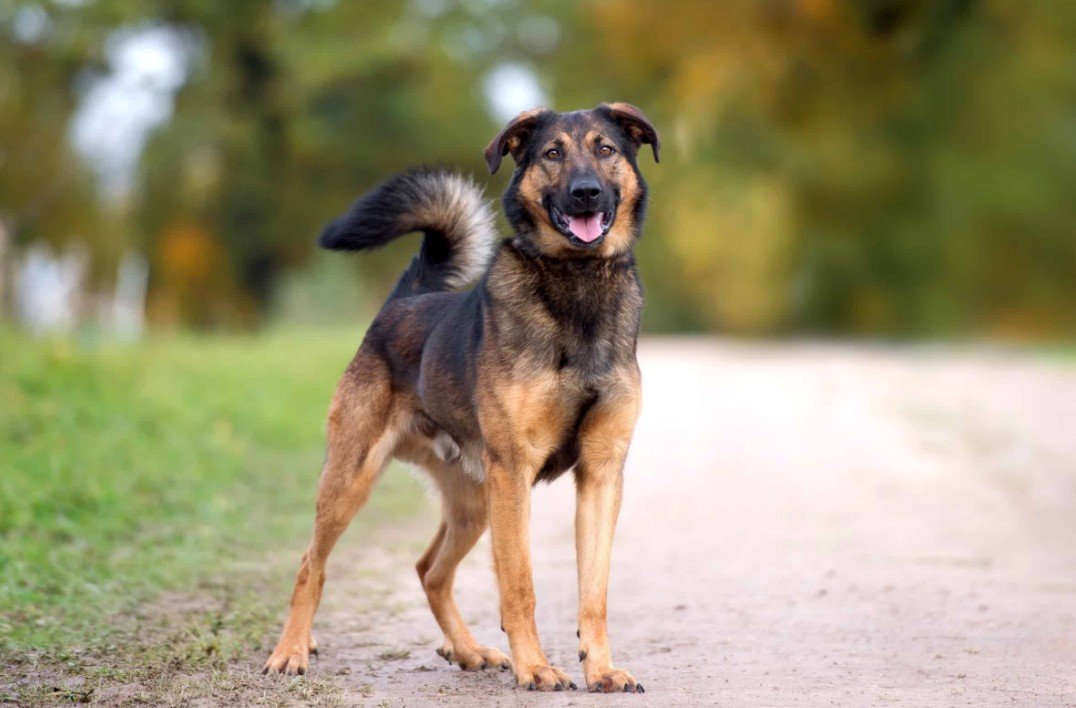
| APPEARANCE | Medium to large size with a strong, muscular build. Typically has a black and tan coat with a well-defined structure. |
| LIFE SPAN | 10–12 years |
| HABITAT | Domestic homes, working environments, police stations, and farms |
| DIET | High-quality commercial dog food with protein-rich ingredients |
| NATURAL PREDATORS | None, but they may face threats from wild animals or intruders depending on their environment. |
| COUNTRY | Widely spread across the world, particularly in North America, Europe, and parts of Asia |
| GESTATION PERIOD | Approximately 63 days |
| CONSERVATION STATUS | Not applicable, as they are a domesticated breed |
Amazing Facts About Shepweiler
1. Intelligent and Loyal
Shepweilers inherit the intelligence of both the German Shepherd and Rottweiler, making them highly trainable. They are also incredibly loyal to their families.
2. Natural Protectors
Thanks to their protective instincts, Shepweilers make excellent guard dogs. They are vigilant and watchful of their family members and surroundings.
3. Active and Energetic
Shepweilers need regular exercise to stay healthy and happy. They enjoy activities such as hiking, running, and playing fetch.
4. Strong Bond with Owners
This breed forms a strong bond with its owners and loves to be involved in family activities. They are known to be affectionate and friendly with their family members.
5. Excellent Working Dogs
Due to their intelligence and strong work ethic, Shepweilers excel as police, service, and therapy dogs. They are often seen in law enforcement and search-and-rescue missions.
6. Good with Children
Shepweilers are known to be patient and protective of children. With proper training and socialization, they are great family pets.
7. High Energy Levels
They need a lot of physical and mental stimulation to prevent boredom. Lack of exercise can lead to destructive behavior.
8. Friendly but Cautious Around Strangers
While Shepweilers are friendly and affectionate with their family, they can be reserved or cautious around unfamiliar people, making them great natural protectors.
9. Prone to Health Issues
Like many large dog breeds, Shepweilers can be prone to certain health issues, such as hip dysplasia and heart problems. Regular vet check-ups are essential for maintaining their health.
A Protective and Loyal Hybrid Dog, the Shepweiler
The German Shepherd and the Rottweiler are two popular and well-respected dog breeds that were crossed to create the Shepweiler. The Shepweiler is a strong, devoted, and very competent dog since both of these breeds are renowned for their intellect, strength, and protective instincts.
The history, physical attributes, temperament, and maintenance needs of the Shepweiler will all be covered below. The behaviour of this hybrid breed in a family environment, its usefulness as a working dog, and the general upkeep required to guarantee a happy and healthy Shepweiler will also be examined.
The Origins and History of the Shepweiler
Like many other designer dogs, the Shepweiler is a relatively new hybrid breed. It emerged as a result of the expanding practice of combining the finest qualities of existing breeds via crossbreeding. The Shepweiler combines the traits of the German Shepherd and the Rottweiler, two breeds with lengthy histories as working dogs.
German Shepherd Breed Facts
Max von Stephanitz, a German breeder who aimed to produce a multipurpose working dog, first created the German Shepherd in the late 1800s. Due to their intelligence, devotion, and adaptability, German Shepherds became well-known very fast. They were excellent in a variety of settings, including herding, law enforcement, search and rescue, the military, and as service dogs. They are among the most well-liked breeds in the world because of their strong protective instincts and great trainability.
Rottweiler Breed Characteristics
With roots dating back to the Roman era, the Rottweiler is among the oldest herding breeds. The breed was used for livestock protection, cart pulling, and cattle driving. Because of their bravery, strength, and protective attitude, Rottweilers were also used as police and guard dogs in the 19th and 20th centuries. Despite their peaceful nature, the breed is very protective of its family and their territory.
By combining the finest traits of both breeds, the Shepweiler gets the power, protection, and endurance of the Rottweiler plus the intellect, loyalty, and work ethic of the German Shepherd.
Shepweiler Size, Coat, and Appearance
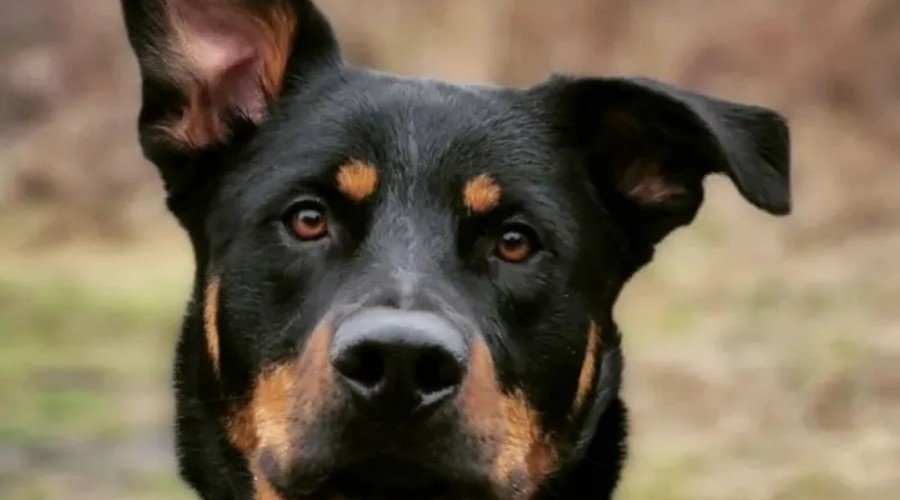
Given that the German Shepherd and Rottweiler are both renowned for their strength and physical ability, the Shepweiler is a huge, powerful dog. Although the appearance of individual Shepwielers might vary, the following traits are typical of this hybrid breed:
Dimensions: Height and Weight
Male Shepweilers weigh 90 to 115 pounds (41 to 52 kg), while females weigh 80 to 105 pounds (36 to 48 kg). Shepweilers are huge dogs. At the shoulder, they usually have a shoulder height of 24 to 27 inches (61 to 69 cm). They are appropriate for families seeking a bigger companion due to their size range, but they are also powerful enough to carry out chores that call for strength and agility.
Coat Colors and Shedding
Shepwielers’ parents give them a thick coat that is short to medium in length. The German Shepherd parent produces a coat that sheds lightly, while the Rottweiler parent contributes a thick double coat. Like the Rottweiler, the Shepweiler often has a coat colour that is a mix of black and tan, but they may also have the sable or black and silver colour variants that are common in German Shepherds.
Given that this breed is prone to seasonal shedding, regular brushing will assist maintain the condition of their hair and reduce shedding.
Expression and Facial Features and Temperament
The Shepweiler inherited the aristocratic qualities of its parent breeds, giving it an imposing and robust look. Usually black in colour, the eyes give the dog an intelligent and concentrated appearance. Their faces may combine the short nose and stocky body of the Rottweiler with the large head and alert ears of German Shepherds.
Muscular Body and Tail
Similar to both parent breeds, the Shepweiler often has a robust, straight tail. Its quickness is matched by its muscular frame, which gives it a robust and powerful look. The Shepweiler’s robust and well-balanced body allows it to move quickly while maintaining the strength and endurance to do a variety of tasks.
Shepweiler Behaviour and Traits
The most sought-after qualities of its parent breeds—bravery, loyalty, intelligence, and protective instincts—are passed down to the Shepweiler. The average Shepweiler personality is broken down as follows:
Protective and Devoted Instincts
The Shepweiler, a cross between two protective breeds, is fiercely devoted to its home and family. In order to safeguard its loved ones, family, and property, this hybrid dog will serve as a guard dog. Since an untrained Shepweiler may become excessively territorial or hostile towards outsiders, early socialisation and training are crucial to ensuring that this protective tendency is balanced with good behaviours.
Perceptive and Trainable Dog
Shepwielers, like German Shepherds, are very smart dogs who respond well to training. However, the Shepweiler could be a little more obstinate than a normal German Shepherd due to the Rottweiler’s independent temperament. Shepwielers may, however, do quite well in obedience training and even more difficult tasks if they are given the right tools, patience, and persistence. Because of their intelligence, they also do well in jobs that call on problem-solving skills, including as police work, agility training, and search and rescue.
Exercise and Energy Needs
The Shepweiler will need a lot of mental and physical activity since both German Shepherds and Rottweilers are energetic canines. This hybrid breed does best in homes with plenty of activity or with owners who can give them regular exercise. Long walks, runs, treks and yard play are all enjoyable to a Shepweiler. Insufficient exercise might cause a Shepweiler to vent pent-up energy via undesired behaviours like digging or gnawing.
Family-friendly Dog
Shepwielers are often excellent family companions, particularly if they have had the right socialisation from a young age. They are protective of youngsters and have a tendency to be tender and kind with them. However, it is advised to have supervision while near little children owing to their size and strength. To avoid any violent tendencies, smaller animals, such cats, must be introduced properly.
However, due of their strength, intelligence, and protective attitude, Shepwielers may not be the best choice for first-time dog owners. Potential owners should be ready to take care of their socialisation and training requirements.
Shepweilers Are Adaptable
Whether living in an apartment or a large home with a backyard, Shepweilers adapt well to different living situations, as long as they get sufficient exercise and attention.
Shepweiler Grooming, Diet, and Exercise
For the Shepweiler to have a healthy and happy life, its activity requirements, grooming, and diet must be attended to.
Shepweiler Exercise Routine
The Shepweiler, being an active hybrid, requires a minimum of one to two hours of daily activity. Playtime, jogging, trekking, and lengthy walks may all fall under this category. They perform best in homes where they may participate in outside activities. It’s also critical to keep them interested and avoid boredom by offering cerebral stimulation, like as puzzle toys or obedience training.
Shepweiler Grooming Tips
To minimise shedding, the Shepweiler’s short, thick coat has to be brushed at least twice or three times each week. They don’t need a lot of grooming, but regular attention to their teeth, ears, and nails can help them look better. Overbathing may cause their skin to become dry, therefore regular baths are only required when absolutely essential.
Nutrition and Feeding Guidelines
Given their size and strong level of activity, Shepweilers need a healthy, well-balanced diet. To promote muscular growth, look for premium dog food that has animal protein—like chicken or beef—as the main component. Make sure their diet also has the right proportions of fats, carbs, and vital vitamins and minerals. Shepwielers may acquire weight if they are overfed or don’t get enough exercise, therefore owners should carefully watch portion sizes to prevent obesity.
Common Health Problems
Shepwielers, like other big dogs, are susceptible to a number of health problems, such as:
- Hip Dysplasia | Shepweiler Hip Dysplasia Symptoms
- Dysplasia of the elbow | Shepweiler Elbow Dysplasia
- Gastric Torsion, or Bloat | Shepweiler Bloat Risk
- Increasing Retinal Atrophy | Shepweiler Eye Conditions
- Hypothyroidism | Shepweiler Thyroid Issues
A balanced diet, regular veterinary checkups, and keeping a healthy weight will all help lower the likelihood of these problems.
FAQ (Frequently Asked Questions) about Shepweiler
Q: What is a Shepweiler?
Ans: A Shepweiler is a crossbreed between a German Shepherd and a Rottweiler. This hybrid combines the best traits of both breeds, including intelligence, loyalty, and protective instincts.
Q: Are Shepweilers good family pets?
Ans: Yes, Shepweilers can make excellent family pets. They are typically good with children, loyal, and protective, though they require regular exercise and mental stimulation.
Q: How much exercise does a Shepweiler need?
Ans: Shepweilers are an active breed and need a lot of physical activity. At least an hour of exercise daily is recommended to keep them healthy and happy.
Q: Are Shepweilers easy to train?
Ans: Shepweilers are highly intelligent and eager to please, making them relatively easy to train. Consistent, positive reinforcement training works best for them.
Q: Do Shepweilers shed a lot?
Ans: Yes, Shepweilers tend to shed moderately year-round and may shed heavily during seasonal changes. Regular grooming can help manage shedding.
Q: Are Shepweilers aggressive?
Ans: Shepweilers are not inherently aggressive, but their protective instincts may make them cautious or reserved around strangers. Proper socialization and training are key to ensuring they are well-behaved.
Q: How long do Shepweilers live?
Ans: The average lifespan of a Shepweiler is 10–12 years, though this can vary depending on factors such as diet, exercise, and overall health care.
Q: What are common health problems in Shepweilers?
Ans: Some common health issues in Shepweilers include hip dysplasia, elbow dysplasia, and certain heart conditions. Regular vet visits are important for early detection.
Q: Are Shepweilers good guard dogs?
Ans: Yes, Shepweilers are excellent guard dogs due to their protective instincts and loyalty to their families. They are often used in law enforcement and military roles.
Q: Can Shepweilers live in apartments?
Ans: Shepweilers can live in apartments, but they require plenty of exercise and mental stimulation. If you live in an apartment, you’ll need to ensure they get enough outdoor time.
#Shepweiler #GermanShepherd #RottweilerMix #WorkingDogs #GuardDogs #FamilyPets #HybridDogs #DogFacts #DogLovers
Our sources and references about Shepweiler
1: Wikipedia – German Shepherd
2: AKC – Rottweiler
3: DogTime – Shepweiler
4: Petfinder – Shepweiler