Quick Top 10 Facts about Biscuit Beetle Bug
| SCIENTIFIC NAME | Stegobium paniceum |
| CLASSIFICATION |
KINGDOM: Animalia PHYLUM: Arthropoda CLASS: Insecta ORDER: Coleoptera FAMILY: Ptinidae GENUS: Stegobium SPECIES: S. paniceum |
| SIZE | 1.5 to 3.5 mm (very small, reddish-brown beetle) |
| HABITAT | Found in pantries, storage areas, libraries, and pharmaceutical spaces |
| DIET | Dried food, flour, biscuits, spices, books, and even pharmaceuticals |
| SPECIES | One of the most widespread pantry pest species globally |
| COUNTRY | Cosmopolitan – found worldwide, especially in homes and food storage areas |
| GESTATION PERIOD | Egg to adult takes 6–8 weeks depending on temperature and food supply |
| LIFE SPAN | Several months; adults live only a few weeks but larvae can survive longer |
| CONSERVATION STATUS | Not endangered; considered a household and food pest |
Amazing Facts About Biscuit Beetle Bug
1. Known as the “Drugstore Beetle”
It gets its name from its habit of infesting pharmaceuticals and dried herbal remedies.
2. Eats almost anything
Biscuit Beetles can chew through cardboard, paper, and even foil to reach food!
3. Infests food storage
They are common pests in pantries, especially in poorly sealed packages of flour, cereal, and spices.
4. Tiny but persistent
Despite their small size, large infestations can cause serious food waste.
5. Females lay up to 100 eggs
Eggs are laid directly on or near food sources, ensuring larvae have immediate access to nutrition.
6. Larvae do the damage
Adult beetles don’t feed much, but the larvae chew through stored goods, books, and even wooden shelves.
7. They prefer warm environments
Infestations grow rapidly in warm, humid conditions—perfect for larval development.
8. Easily mistaken for other beetles
They resemble Cigarette Beetles but can be distinguished by their antennae and fine body hairs.
9. Control involves cleaning and sealing
To eliminate them, deep cleaning and sealing all food in airtight containers is essential.
10. Not dangerous to humans
Though a nuisance, Biscuit Beetles don’t bite or spread disease.
Introduction to Biscuit Beetle bugs
One member of the insect family Anobiidae is the biscuit beetle, also known as the bread beetle or drugstore beetle. It is a little insect. It is often seen in both commercial and household environments, particularly in areas where food is stored.
Physical appearance of the Beetle bug
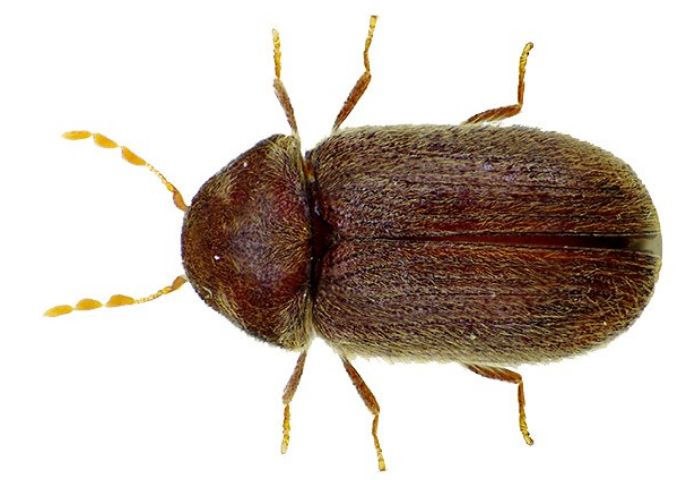
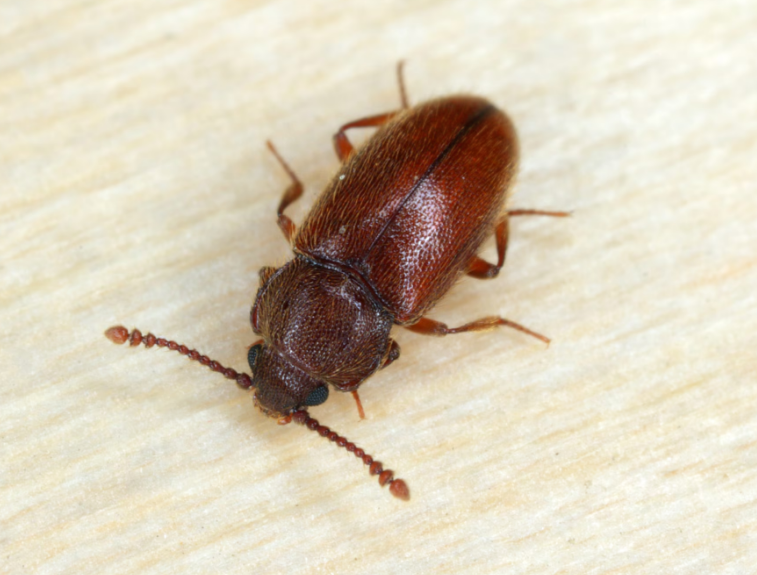
This beetle gets its name from its fondness for preserving goods such as bread, biscuits, cereals, and other items. Its two- to three-millimetre body is reddish-brown in colour. The biscuit beetle’s elongated shape and clubbed antennae give it a distinctive appearance.
Potential damage caused by Biscuit Beetle bugs
The biscuit beetle may cause significant damage to preserved food products, even with its small size. Its strong mandibles allow it to chew through packaging materials like cardboard and plastic to get at the food inside.
Biscuit beetle infestation on businesses, households, and the food industry
Financial losses for families and businesses may result from food contamination and deterioration due to biscuit beetle infestations. Establishing proper storage and hygiene practices is thus crucial to preventing and controlling biscuit beetle infestations.
Biscuit Beetle bugs can infest food products and cause damage to stored goods
The Ptinidae family of insects includes biscuit beetle bugs, which are often referred to as pharmacy beetles or bread beetles. These beetles eat a range of dry food items, such as biscuits, cereal, flour, spices, and pet food. They are often found in homes, warehouses, and food processing plants.
typical size and lifespan of the biscuit beetle bug
The oval-shaped, little insects known as biscuit beetle bugs have a length of two to three millimetres. Their body is sleek and smooth, and their colour is reddish-brown. These beetles can fly and have a characteristic humpback shape.
Background information on the biscuit beetle bug, including its physical characteristics and habits
The capacity of biscuit beetle bugs to release a strong, sweet scent when disturbed is one of their fascinating behaviours. Predators are thought to be discouraged by this odour as a defensive tactic. Not only that, but these beetles are nocturnal, meaning they are most active at night.
life cycle stages of the biscuit beetle bug include egg, larva, pupa, and adult
Four stages make up the life cycle of a biscuit beetle bug: the egg, larva, pupa, and adult. In less than a week, the eggs laid by the female beetles on or near the food source hatch. Before pupating, the tiny, white, grub-like larvae go through many moults while feeding on the food source. After around two weeks, the pupal stage ends and the adult beetles emerge.
Tips on how to identify and prevent from infection
Depending on the environment, including temperature and food availability, the life cycle of a biscuit beetle insect may take one to three months. When food items in residences or business buildings get infested by biscuit beetle pests, it may become a nuisance. Food that has come into contact with these beetles’ excrement and shed skins may become contaminated and unsafe to eat. They have the ability to gnaw through packing materials, which may further deteriorate food.
It is critical to follow proper hygiene and storage procedures in order to stop and manage infestations of biscuit beetle bugs. The following advice is provided:
We need to discard food items contaminated by Biscuit Beetle bugs
Examine and dispose of affected food. Observe food storage locations often for indicators of infestation, such as webbing, beetles, or larvae. Food that has been infected should be thrown away in a sealed plastic bag to stop it from spreading. Food should be stored correctly. Dry food items should be stored in sealed glass, metal, or sturdy plastic containers. By doing this, it will be harder for beetles to get to the food and lay eggs.
Control methods for getting rid of Biscuit Beetle bugs
places for the clean storage of food: Food storage rooms should be routinely vacuumed and cleaned to get rid of any spilt goods or food debris that might attract biscuit beetle bugs.
Protect from purchasing products that may be affected by Biscuit Beetle bugs
When buying food goods, keep an eye out for any indications of damage or infestation on the package. Products with compromised packaging or obvious damage should not be purchased.
Natural or chemical solutions that can be used
Professional pest control: Hiring a professional pest control firm may be essential if an infestation is severe or continues. They are able to locate the infestation’s origin and put in place efficient containment strategies. You may lower the chance of biscuit beetle insect infestations and safeguard your stored food goods by taking these precautionary steps.
Effective strategies for preventing Biscuit Beetle
A tiny insect known as a biscuit beetle bug may contaminate and deteriorate food items that are kept in storage. You can successfully avoid and manage infestations by being aware of their appearance, behaviour, life cycle, and management techniques.
importance of early detection and prompt action to minimise financial losses
You can keep these pests out of your house or place of business and guarantee the safety and quality of your food supply by maintaining appropriate hygiene, storing food properly, and conducting routine inspections.
FAQ (Frequently Asked Questions) about Biscuit Beetle Bug
Q: What is a Biscuit Beetle Bug?
Ans: The Biscuit Beetle, scientifically known as *Stegobium paniceum*, is a small, reddish-brown beetle that is commonly found infesting stored food products. It gets its name from its tendency to infest biscuits, crackers, and other dried food items. Biscuit beetles are part of the family Anobiidae and are known for damaging food supplies, particularly in pantries and warehouses.
Q: Where do Biscuit Beetle Bugs live?
Ans: Biscuit Beetles are typically found in areas where food products are stored, such as kitchens, pantries, warehouses, and grocery stores. They prefer dry, stored food products like biscuits, cookies, grains, and cereals, but they can also infest other dried items like dried fruit, pasta, and pet food.
Q: What do Biscuit Beetle Bugs eat?
Ans: Biscuit Beetles feed on dried foods such as biscuits, crackers, flour, grains, and cereals. They also infest processed food items such as pasta and dried fruits. The larvae of the beetle feed on the starches and other organic matter found in these food items.
Q: Are Biscuit Beetles harmful to humans?
Ans: While Biscuit Beetles are not harmful in the sense that they don’t bite or sting, they can pose a risk to food safety. Their presence in food products can cause contamination, and their larvae can damage stored food. Ingesting the larvae or beetles is generally considered a health risk due to contamination.
Q: How can I identify a Biscuit Beetle?
Ans: Biscuit Beetles are small, typically measuring about 2-4 mm in length. They are reddish-brown with a cylindrical shape and a noticeable humpbacked appearance. Adults have small, clubbed antennae and are often seen in or around infested food items. Their larvae are creamy white with dark heads and can be found within food packages.
Q: How do Biscuit Beetles reproduce?
Ans: Biscuit Beetles reproduce by laying eggs in food products. The eggs hatch into larvae that feed on the food until they mature into adult beetles. The life cycle from egg to adult can take several weeks to months, depending on temperature and food availability. Multiple generations can occur within a year.
Q: How can I prevent a Biscuit Beetle infestation?
Ans: To prevent Biscuit Beetle infestations, store dry foods in airtight containers, and regularly inspect food for signs of pests. Keep food storage areas clean and dispose of any infested products. Vacuum and wipe down shelves to remove any beetles or larvae. If an infestation occurs, dispose of contaminated food and clean the area thoroughly.
Q: How do I get rid of Biscuit Beetles?
Ans: To eliminate a Biscuit Beetle infestation, discard any contaminated food products. Clean the pantry or storage area thoroughly, including wiping down shelves and vacuuming corners. Use insect traps to monitor the infestation. In severe cases, professional pest control may be required to treat the infestation.
Q: Can Biscuit Beetles be harmful to pets?
Ans: Biscuit Beetles are not known to be harmful to pets. However, if they infest pet food, it could lead to contamination. Ensure pet food is stored properly and check for any signs of pest activity in the pet food storage area.
#BiscuitBeetle, #StoredFoodPests, #PantryPests, #InsectInfestation, #FoodContamination, #PestControl, #Beetles, #BugIdentification, #KitchenPests, #FoodSafety
Our sources and references about Biscuit Beetle Bug
1: Wikipedia – Biscuit Beetle (Stegobium paniceum)
2: Pest Control Specialists – Biscuit Beetle
3: Orkin – Biscuit Beetle
4: University of Minnesota Extension – Pantry Pests