Quick Top 10 Facts about Black Throat Monitor
| SCIENTIFIC NAME | Varanus albigularis ionidesi |
| CLASSIFICATION | KINGDOM: Animalia PHYLUM: Chordata CLASS: Reptilia ORDER: Squamata FAMILY: Varanidae GENUS: Varanus SPECIES: V. albigularis SUBSPECIES: V. a. ionidesi |
| SIZE | Length: 3.5–7 feet (1–2.1 meters); Weight: 30–60 pounds (13–27 kg) |
| HABITAT | Dry savannas, scrublands, and semi-deserts of Eastern Africa, especially Tanzania |
| DIET | Carnivorous; feeds on rodents, birds, eggs, insects, reptiles, and carrion |
| SPECIES | Black Throat Monitor, a large, powerful lizard known for its dark throat and impressive size |
| COUNTRY | Native to Tanzania and parts of Eastern Africa |
| GESTATION PERIOD | Egg-laying species; females lay up to 30 eggs per clutch, incubation lasts 6–9 months |
| LIFE SPAN | Up to 20 years in captivity; slightly less in the wild |
| CONSERVATION STATUS | Not currently evaluated by the IUCN; habitat destruction and collection for the pet trade are concerns |
Amazing Facts About Black Throat Monitors
1. They are among the largest monitor lizards
Black Throat Monitors can grow over 7 feet long, making them one of the largest subspecies of the White-Throated Monitor.
2. Known for their dark-colored throat
Their distinctive black throat gives them their name and helps distinguish them from related monitor species.
3. Highly intelligent reptiles
These monitors are considered one of the most intelligent lizard species, capable of problem-solving and recognizing their keepers.
4. Strong diggers and climbers
Despite their size, Black Throat Monitors are agile climbers and powerful diggers, behaviors they use for shelter and hunting.
5. They have sharp claws and strong tails
Their claws help with climbing and digging, while their muscular tails can be used defensively like a whip.
6. Carnivorous and opportunistic
They’ll eat almost anything they can overpower—this includes small mammals, reptiles, insects, and eggs.
7. They use their tongue like a snake
Their forked tongue is used to “taste” the air and locate prey through chemical signals, similar to snakes.
8. Not ideal for beginner reptile keepers
Due to their size, strength, and specialized care needs, Black Throat Monitors are best kept by experienced reptile enthusiasts.
9. Long lifespan in captivity
With proper care, these lizards can live 15–20 years or more, making them a long-term commitment.
10. Important in their ecosystem
As predators and scavengers, they help control rodent populations and clean up carrion in their native habitats.
Fascinating facts about Black Throat Monitor reptile
Originally assigned the scientific name Varanus albigularis ionidesi, the Black Throat Monitor is a fascinating reptile belonging to the Varanidae family. The native desert habitats of this species are found in the South African provinces of the Northern Cape and Western Cape. This monitor lizard is distinguished by the distinctive black colouring on its neck, which gives it its name.
The size and weight of the Black Throat Monitor
A mature Black Throat Monitor may reach a maximum length of five feet and a maximum weight of twenty to thirty pounds. These reptiles are enormous. Their long tail, robust limbs, and durable body composition provide them with strength and agility. Their skin is covered in tiny, overlapping scales that act as a barrier against dryness and as a moisture-retaining mechanism.
The natural habitat preferences of the Black Throat Monitor
These monitors are generally terrestrial, although they are also able to swim and climb. They inhabit a variety of habitats, including savannas, grasslands, and rocky areas. Their main food sources include tiny animals, birds, eggs, and insects. They are scavengers, yet sometimes they have also been seen to hunt. Black-throat monitors are solitary creatures that are well-known for their intelligence and curiosities. Their exceptional vision and keen sense of smell allow them to locate food and avoid predators.
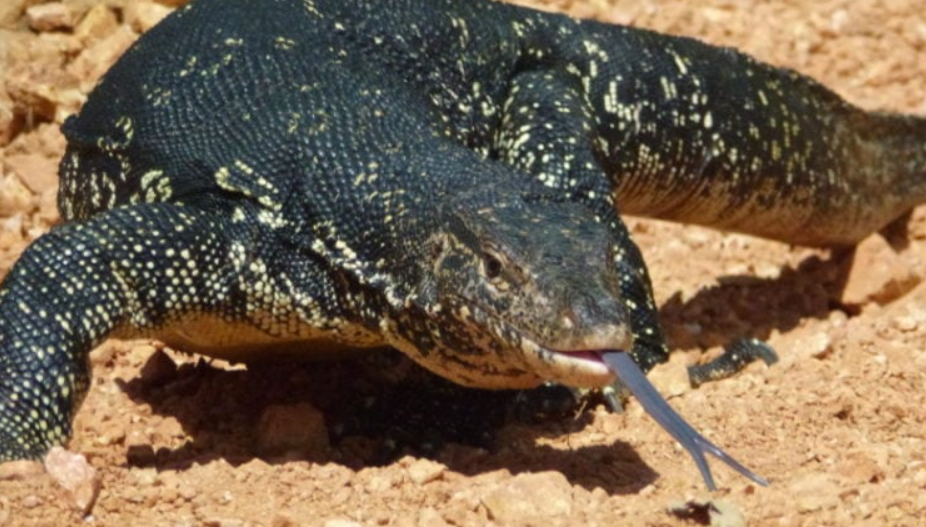
Its distinct features, such as the black throat patch and coloration
The black-neck monitor, with its remarkable physical attributes and unique black-neck colouring, is a remarkable reptile in every way. Because of its versatility and wide range of food sources, it is a formidable predator in its natural habitat. Our knowledge of this species’ characteristics contributes to our comprehension of the diversity of reptiles and the need to preserve their habitats.
Intriguing facts about the scientific classification of the Black Throat Monitor
The scientific name for these amazing reptiles is Varanus albigularis, and they are members of the monitor lizard family. They are indigenous to Africa’s grasslands and savannas, particularly those in Tanzania, Kenya, and Uganda. The following are some intriguing details about Black Throat Monitors:
Variations in appearance based on age or gender
Notable about Black Throat Monitors is their enormous size. Males tend to be bigger than females, and they may reach lengths of up to 4-6 feet. They have dark brown or black scales covering their bodies, and they get their name from the distinctive black coloration of their necks. In addition, they have powerful limbs and a long, muscular tail that they use for defence and balance.
Diet and Feeding Habits of Black Throat Monitors
Since they are carnivorous reptiles, Black Throat Monitors mostly consume meat. They eat a wide range of food in the wild, including eggs, small animals, birds, and even other reptiles. It is crucial to provide them with a healthy diet while they are in captivity, one that contains a range of protein sources such as insects, rodents, and even small birds.
Climbing and swimming abilities, as well as the powerful jaws and sharp teeth of Black Throat Monitors
Intelligent and inquisitive, Black Throat Monitors are well-known for these traits. They are great swimmers and climbers, and they keep busy throughout the day. In addition, these monitors are well-known for their fast running, which aids in both hunting and evading predators. It’s crucial to manage them carefully and respect their limits since they might turn hostile if they feel trapped or intimidated.
Factors that influence the choice of habitat of Black Throat Monitors
Reptiles with a broad range of habitat preferences, such as black throat monitors, are highly adaptive. Open forests, grasslands, and savannas are typical habitats for them. These monitors dig well and often dig burrows to find cover and control body temperature. It is crucial to provide them with a roomy area in captivity that resembles their native environment, complete with a suitable burrowing ground.
The various factors that can influence the life span of black-throat Throat Monitors
In comparison to other reptiles, black throat monitors have rather lengthy lives. They may survive up to 15 to 20 years in captivity with the right care. Their lifespan and general well-being depend on frequent veterinarian care, an appropriate environment, and a balanced diet.
Research and appreciation for Black Throat Monitors
The International Union for Conservation of Nature presently lists Black Throat Monitors as a species of least concern (IUCN). They do, however, suffer challenges, including habitat loss and the illicit pet trade, much like many other reptile species. In order to guarantee that these amazing animals survive and flourish in their native environments, it is crucial to support conservation initiatives.
The typical behavior and activity patterns of the Black Throat Monitor
Black throat monitors are really amazing reptiles because of their striking size, distinctive look, and intriguing habits. Regardless of whether you choose to keep them as pets or come across them in the wild, it’s important to recognise and honour these animals for the amazing roles they serve in our environment.
FAQ (Frequently Asked Questions) about Black Throat Monitor
Q: What is a Black Throat Monitor?
Ans: The Black Throat Monitor (Varanus albigularis ionidesi), also known as the Black-Throated Monitor, is a subspecies of the rock monitor lizard. Native to East Africa, it is one of the largest lizard species in the world and is known for its intelligence, strength, and striking dark coloration around the throat area.
Q: Where does the Black Throat Monitor live?
Ans: Black Throat Monitors are primarily found in Tanzania and parts of East Africa. They inhabit savannas, woodlands, and rocky areas where they can bask, hide, and hunt. They are terrestrial and prefer environments with ample hiding spots and access to warmth.
Q: What does the Black Throat Monitor eat?
Ans: These monitors are carnivorous and have a varied diet that includes rodents, birds, insects, eggs, and carrion. In captivity, they are typically fed a mix of whole prey items like mice, rats, chicks, and insects. They are powerful hunters with strong jaws and a keen sense of smell.
Q: How big does a Black Throat Monitor get?
Ans: Black Throat Monitors are among the largest monitor lizards, typically growing to 4 to 7 feet (1.2 to 2.1 meters) in length and weighing up to 60 pounds (27 kg) or more. Males tend to be larger and bulkier than females.
Q: Are Black Throat Monitors dangerous?
Ans: While not venomous, Black Throat Monitors can be dangerous due to their size, strength, sharp claws, and powerful bite. They require experienced handling and respect. When socialized and kept properly, many can become tolerant of human interaction, but they are not ideal pets for beginners.
Q: How does a Black Throat Monitor defend itself?
Ans: When threatened, Black Throat Monitors can hiss, puff up their bodies, lash with their powerful tails, and bite. They are strong and fast, and their primary defense is intimidation and escape. In the wild, they prefer to flee rather than fight unless cornered.
Q: What does a Black Throat Monitor look like?
Ans: Black Throat Monitors have a robust, muscular body with dark gray or black coloration, especially around the throat area. Their skin is rough and armored, and they have sharp claws and long, whip-like tails. Their appearance is both imposing and majestic.
Q: How long do Black Throat Monitors live?
Ans: In captivity, Black Throat Monitors can live for 15 to 20 years or more with proper care. In the wild, their lifespan may be shorter due to environmental threats and predation. Longevity depends on diet, habitat, and veterinary care.
Q: Can you keep a Black Throat Monitor as a pet?
Ans: Yes, but they are only recommended for experienced reptile keepers. They require very large enclosures, proper heating and humidity, and a diet of whole prey. Socialization and routine handling from a young age can help, but they still require caution and respect.
Q: Are Black Throat Monitors endangered?
Ans: Black Throat Monitors are not currently classified as endangered, but like many reptiles, they face threats from habitat loss, hunting, and the fascinating pet trade. Captive breeding programs are helping reduce pressure on wild populations.
#BlackThroatMonitor, #MonitorLizard, #ReptileCare, #LargeLizards, #ExoticPets, #ReptileEnthusiasts, #LizardFacts, #CarnivorousLizard, #AfricanWildlife, #ReptileLovers, #MonitorSpecies, #ExoticAnimalCare
Our sources and references about Black Throat Monitor
1: Wikipedia – Varanus albigularis
2: Reptiles Magazine – Black Throat Monitor Care Sheet
3: Animal Diversity Web – Varanus albigularis
4: The Spruce Pets – Monitor Lizards as Pets