Quick Top 10 Facts about Blue Tit Bird
| SCIENTIFIC NAME | Cyanistes caeruleus |
| CLASSIFICATION | KINGDOM: Animalia PHYLUM: Chordata CLASS: Aves ORDER: Passeriformes FAMILY: Paridae GENUS: Cyanistes SPECIES: C. caeruleus |
| SIZE | Length: 4.7–5.5 inches (12–14 cm), Weight: 0.25–0.35 ounces (7–10 grams) |
| HABITAT | Woodlands, gardens, parks, and suburban areas across Europe and parts of Asia |
| DIET | Omnivorous; primarily insects, seeds, berries, and occasionally small invertebrates |
| SPECIES | Blue Tit, a small and colorful bird known for its distinctive blue and yellow plumage |
| COUNTRY | Found across Europe and parts of Asia, from the UK to Western Siberia |
| GESTATION PERIOD | Egg incubation: 14–16 days |
| LIFE SPAN | 2–3 years on average, although some can live up to 10 years in the wild |
| CONSERVATION STATUS | Least Concern; common and widespread throughout its range |
Amazing Facts About Blue Tit Birds
1. Blue Tits are known for their vibrant blue and yellow plumage
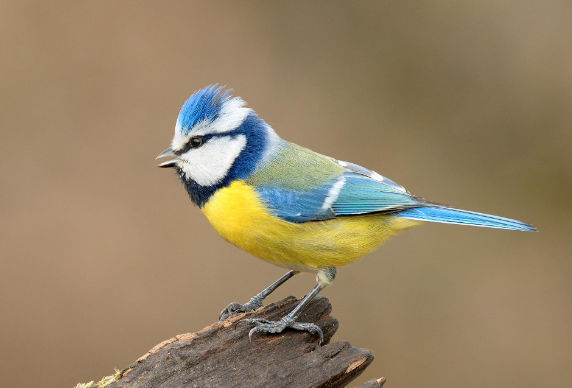
The striking colors of the Blue Tit, especially its blue crown and wings, make it a popular and easily recognizable bird.
2. They are highly acrobatic
Blue Tits are excellent at maneuvering through tree branches and are known for their ability to hang upside down while feeding.
3. Blue Tits are omnivorous
Their diet consists of insects, seeds, berries, and small invertebrates, making them highly adaptable to different food sources.
4. They are cavity nesters
Blue Tits prefer to nest in tree holes, birdhouses, or any cavity that provides shelter and safety for their young.
5. Blue Tits are social birds
While they are often solitary when feeding, they are known to form small flocks, especially in the winter, and communicate with a variety of calls.
6. They are intelligent and use tools
Blue Tits have been observed using tools to extract food from difficult places, showcasing their problem-solving abilities.
7. They have a distinctive call
Their call is a series of sharp, repetitive notes that are often heard in the spring and summer when they are breeding.
8. Blue Tits are territorial during breeding season
Male Blue Tits will defend their nesting territory and try to attract females with their vibrant colors and acrobatic displays.
9. They are important for pest control
Blue Tits play a role in controlling insect populations, as they feed on a wide variety of insects, including aphids and caterpillars.
10. Blue Tits can adapt to urban environments
They are commonly found in urban parks, gardens, and other human-made environments, adapting well to the presence of people and city life.
Overview of Blue Tit Bird: Description of physical appearance
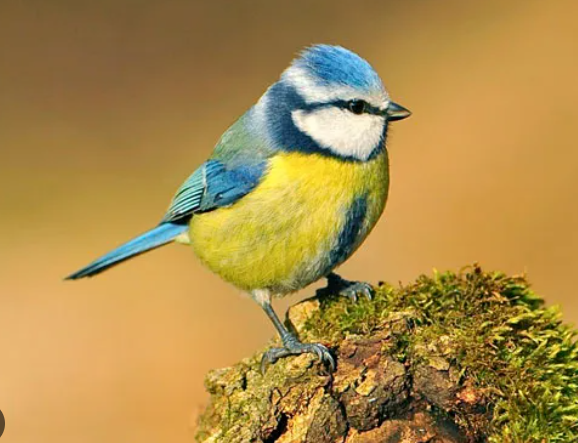
The little passerine birds of the Paridae family are known by their scientific name, Cyanistes caeruleus. They may be found in parks, gardens, and woodlands, among other places. They are native to Europe. The striking blue tail, wings, and back plumage of these adorable birds, together with their white belly and yellow breast, set them apart.
Diet and Feeding Habits: Types of food consumed: Feeding Behaviour
Blue tits can thrive in both urban and rural environments due to their remarkable versatility. Their diet consists of a variety of small fruits, seeds, berries, insects, and spiders. Their agility allows them to hunt for insects that are hidden by hanging upside down or jumping from branch to branch in search of food. They are also reported to store food in tree crevices or under loose bark throughout the winter.
Vocalizations and Communication: Types of calls and songs: Communication within the Species
These birds are identified by their peculiar calls, which consist of a high-pitched “tsee-tsee-tsee” and a beautiful song with a lot of trills and warbles. Blue Tilts are also expert nest builders, building their nests in cracks, tree holes, and nest boxes. A clutch of seven to thirteen eggs is laid by the female Blue Tit, who then spends about two weeks incubating them. Following hatching, the chicks get food from each parent in turn until they fledge, which occurs after about three weeks.
Interesting Facts, Unique characteristics and Fun Facts about Blue Tit Bird
Throughout Europe and some regions of Asia, you may see the beautiful and endearing Blue Tit bird. It is fascinating to see in the wild because of its vivid blue and yellow plumage, graceful flying, and playful nature. Through gaining more insight into the Blue Tit’s appearance, habitat, food, social behaviour, breeding patterns, and conservation status, we can safeguard and preserve these beautiful birds for future generations.
Fascinating facts about Blue Tit Bird
Blue titbits are fascinating birds that provide colour and energy to their surroundings. They are entertaining to observe in the garden or in the wild due to their beautiful plumage, melodious screams, and adaptability. A little, colourful bird in the Paridae family is the Blue Tit (Cyanistes caeruleus). Its vivid blue and yellow feathers are what make it unique. It is endemic to Europe and certain regions of Asia.
Physical Appearance and features
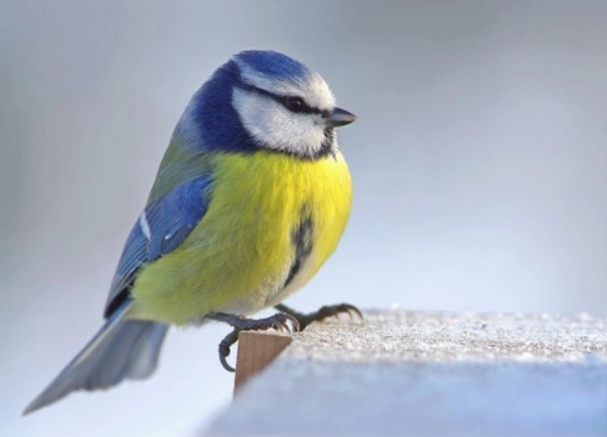
With a length of between 11.5 and 12.5 cm, the Blue Tit is a little bird. Its white face and yellow belly contrast with its blue tail, wings, and crown. Although the male and female Blue Tits have similar appearances, the male usually has brighter hues. These birds have an unusual look because of the noticeable black stripe that runs between their eyes.
Environment and Habitat
There are several environments where Blue Tits may be found, such as gardens, parks, hedgerows, and forests. They often appear in suburban areas and are well-known for their ability to adapt to human settlements. Nesting in tree holes, cracks, or nest boxes, these birds are renowned for their aptitude for locating ideal places to construct their nests.
Food plan and role in the food chain
The Blue Tit eats a variety of insects, spiders, and caterpillars as its primary food source. In addition, they have been seen to consume seeds, berries, and tiny fruits, particularly in the winter when insects are less common. When searching for food, these very nimble birds may be observed hanging upside-down from trees.
Behavior and Social Structure
Especially in the winter, blue tits are gregarious birds that often form flocks. They employ a range of sounds and songs to interact with one another, serving as a means of courting, territorial defence, and preserving group cohesiveness. The lively and acrobatic nature of these birds is well known.
Male and female Nesting preferences
In blue Normally, tits reproduce from April to July. In order to construct the nest, the female uses soft materials like moss and feathers, while the male assists by bringing food. The female produces one clutch of seven to twelve eggs, which she takes thirteen to sixteen days to hatch. Until the chicks fledge, which typically occurs after 17 to 21 days, both parents alternately feed the young.
The Importance of conserving blue-tailed titbird species
It is thought that the population of the common and widely distributed blue tit is constant. These birds may be found in a range of environments and have adapted well to landscapes changed by humans. Pesticide usage and habitat degradation, however, may still be a danger to their numbers. The Blue Tit population may be supported by conservation initiatives, including installing nest boxes and designing gardens that are conducive to wildlife.
FAQ (Frequently Asked Questions) about Blue Tit Bird
Q: What is a Blue Tit?
Ans: The Blue Tit (Cyanistes caeruleus) is a small, colorful passerine bird found across Europe and parts of Asia. Recognizable by its blue and yellow plumage, this bird is known for its agile movements and acrobatic behavior, often seen hanging upside down while feeding on insects and seeds.
Q: Where does the Blue Tit live?
Ans: The Blue Tit is widely distributed across Europe, from the UK to parts of Russia. It is commonly found in woodlands, gardens, parks, and orchards. Blue Tits are also known to adapt well to urban environments, where they can be seen in residential areas and gardens.
Q: What does the Blue Tit eat?
Ans: Blue Tits primarily feed on insects, such as caterpillars, spiders, and aphids, but they will also consume seeds, berries, and nuts. In the winter, they may rely more on seeds and fat-rich foods, including those provided in bird feeders.
Q: How do Blue Tits find food?
Ans: Blue Tits are highly agile and can forage in a variety of ways. They often cling to tree branches, leaves, and even feeders, turning their heads to inspect small crevices for insects or seeds. Their small size and acrobatic abilities make them excellent foragers in a variety of habitats.
Q: Are Blue Tits migratory?
Ans: Blue Tits are generally not migratory, although some populations in the northern parts of their range may move southward during the winter to find more abundant food sources. In warmer climates, Blue Tits are year-round residents.
Q: How long do Blue Tits live?
Ans: The average lifespan of a Blue Tit is around 2 to 3 years, though some can live much longer, especially if they avoid predators and have access to plenty of food. The life expectancy can be shorter in areas with harsh winters or heavy predation.
Q: How do Blue Tits reproduce?
Ans: During the breeding season, Blue Tits build nests in tree cavities, bird boxes, or dense shrubbery. The female typically lays between 6 to 12 eggs, which are incubated for about 14 days. Both parents take turns feeding the chicks until they fledge, usually around 18 to 21 days after hatching.
Q: What is the behavior of Blue Tits like?
Ans: Blue Tits are social birds, often seen in small flocks, especially during the winter months. They are very active and curious, with a distinctive, high-pitched call. They are known for their acrobatic feeding behavior, often hanging upside down to forage for food, and their ability to communicate with each other using various vocalizations.
Q: Are Blue Tits endangered?
Ans: No, Blue Tits are not considered endangered. They are widespread and abundant across Europe, although their populations may fluctuate based on factors such as climate, food availability, and predation. The species is classified as of “Least Concern” by the International Union for Conservation of Nature (IUCN).
Q: How can I attract Blue Tits to my garden?
Ans: To attract Blue Tits to your garden, provide a variety of food sources, including suet, sunflower seeds, and peanuts. Installing a bird feeder or a nesting box can also encourage them to visit and even breed in your garden. Having trees, shrubs, and plants that provide natural cover for nesting and foraging is also beneficial.
#BlueTit, #BirdWatching, #BirdLovers, #Wildlife, #EuropeanBirds, #GardenBirds, #AcrobaticBird, #NatureLovers, #BirdFeeding, #AvianLife, #WildlifeConservation, #BirdPhotography, #Nature
Our sources and references about Blue Tit Bird
1: Wikipedia – Blue Tit
2: RSPB – Blue Tit
3: Encyclopaedia Britannica – Blue Tit
4: Bird Watching Daily – Blue Tit