Quick Top 10 Facts about Boer Goat
| SCIENTIFIC NAME | Capra aegagrus hircus |
| CLASSIFICATION | KINGDOM: Animalia CLASS: Mammalia ORDER: Artiodactyla FAMILY: Bovidae PHYLUM: Chordata GENUS: Capra |
| SIZE | Weighs 200–300 pounds (90–136 kg), with males being larger than females |
| HABITAT | Grasslands, farms, and semi-arid regions |
| DIET | Herbivorous – primarily grass, shrubs, and browse, though they may also eat some weeds |
| SPECIES | Boer Goat (Capra aegagrus hircus) |
| COUNTRY | Originally from South Africa, now found worldwide in farms and ranches |
| GESTATION PERIOD | Approximately 5 months (150 days) |
| LIFE SPAN | 10–12 years, though most are raised for meat and are harvested earlier |
| CONSERVATION STATUS | Domesticated breed, no major conservation concerns |
Amazing Facts About Boer Goat
1. Originated in South Africa
Boer Goats were first developed in South Africa in the early 1900s and are now widely raised for their meat.
2. Highly prized for meat
The Boer Goat is considered one of the best meat goats due to its rapid growth and excellent meat quality.
3. They have a calm temperament
Boer Goats are known for their calm and docile nature, making them easy to manage on farms.
4. Males have larger body sizes
Male Boer Goats can weigh up to 300 pounds, much larger than the females.
5. They are highly adaptable
These goats can thrive in a variety of climates, from hot, arid regions to temperate climates.
6. They are excellent browsers
Boer Goats are known for their ability to browse on shrubs, bushes, and trees, as well as grazing on grasses.
7. Popular worldwide
Although they originate from South Africa, Boer Goats are now found in countries around the world, including the United States, Australia, and New Zealand.
8. They produce multiple kids per litter
Boer Goats typically give birth to twins or triplets, which helps increase production on farms.
9. Known for their muscular build
The Boer Goat has a strong, muscular body, making it perfect for meat production.
10. Fast-growing
These goats grow rapidly, reaching market weight in about 5–6 months, making them highly efficient for meat production.
Understanding Boer Goat facts for successful farming
The Boer breed of goats originated in South Africa. In the cattle industry, they are highly sought after as they were created specifically to generate meat. The Dutch word meaning farmer is where the name “Boer” originates, signifying their close ties to the agricultural industry. Boer goats are a unique breed that stands out for their ability to produce meat, their adaptability, and their kind nature. Whether you’re a goat farmer or simply interested in learning about different breeds of goats, boer goats are very fascinating to read about.
Maximum growth and development in all climates
The strong, muscular physique of Boer goats is one of their defining characteristics. Their robust legs and broad chest indicate a well-developed body structure. They are a resilient breed that can flourish in a variety of environments because of their physical strength, which enables them to adapt well to different climates and terrains.
Market demand for Boer Goat products
One of the main factors contributing to the popularity of boer goats is their exceptional meat quality. This meat is delicious, tender, and low in fat, so it should be chosen by customers. Boer goats also develop quickly, which enables farmers to raise them effectively for meat production.
Genetic traits for desirable characteristics
The ability of Boer goats to reproduce is another incredible trait. Goats are very prolific animals; dos, or female goats, may give birth to twins or even triplets. Farmers benefit from this reproductive efficiency since it increases the number of offspring and, therefore, the profitability of their herds.
Boer Goat’s unique characteristics and adaptability
Boer goats are renowned for their tenacity and ability to adapt. Their resistance to illnesses and parasites is largely due to their robust immune system. This suggests that they are generally hardy creatures that need less medical attention than other kinds of cattle, making them relatively low-maintenance.
Environmental benefits of raising Boer Goats
Boer goats are prized for their capacity to clear land in addition to their meat output. They have exceptional grazing skills, so they can effectively eat a variety of vegetation, including weeds and brush. For landowners who have to maintain pastures or manage overgrown areas, this makes them an invaluable asset.
Further research and appreciation for this unique breed
Due to their increasing appeal, boer goats are being raised and bred in several nations across the world. Their adaptability and endearing qualities have contributed to their growing popularity. Whether they are bred for meat, removed to make way for planting, or just maintained as pets, boer goats have proven to be a productive and adaptable breed in the agricultural industry.
Fascinating facts about boer goats
A well-known breed of goat that originated in South Africa is the boer goat. They’re known as the “gentle giants” of the goat kingdom. They are recognised for producing meat and have gained increasing recognition on a global scale.
History and Origin of Boer Goats
At the start of the 20th century, South African Dutch farmers gave rise to the boer goat breed. Because producing meat goats is the breed’s main purpose, “Boer” is derived from the Dutch term for “farmer.” Boer goats were introduced to many countries, most notably the US, in the 1990s.
Appearance and physical characteristics
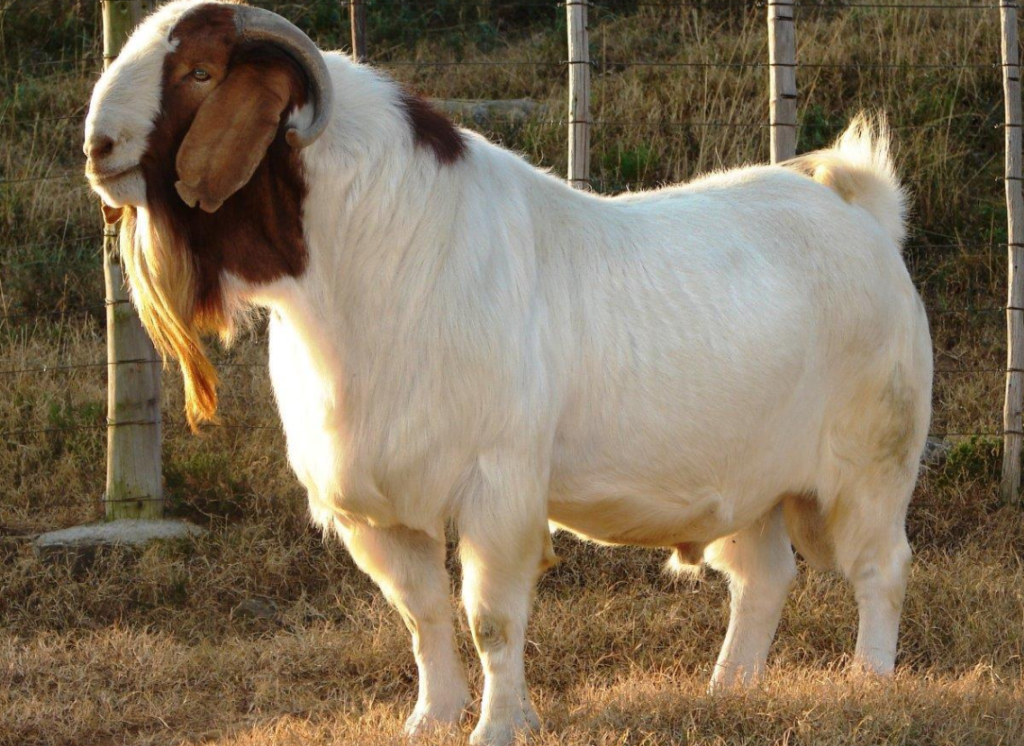
Boer goats have a distinctive reddish-brown head and white body. They are large, powerful animals. They are well known for having sleek coats and strong, muscular bodies. Both males and females have horns; however, some breeders decide to dehorn them for safety reasons.
Popularity in the farming industry
One of the main reasons Boer goats are so popular is their exceptional meat output. They have a high meat-to-bone ratio, meaning they generate a lot of meat relative to their size. Boer goat meat is well known for its softness, succulence, and mild flavour.
Adaptability to various climates
Boer goats are well known for their capacity to adapt to a wide range of climates and environments. They are able to endure in both hot, dry climates and freezing conditions. They are preferred by many goat farmers because of their resilience to disease and hardiness.
Breeding season, Gestation period and kidding process
Boer goats are known for their high fertility rate and tendency to give birth to several youngsters in a single pregnancy. Due in part to their propensity to give birth to twins and triplets, boer goats are renowned for being very prolific meat producers.
Grazing habits and land management
Boer goats like nibbling on trees, bushes, and shrubs. They graze rather well. Their reputation for being able to get rid of overgrown vegetation makes them helpful for property and weed management.
Boer Goat’s temperament and general behaviour
Despite their size, boer goats are often peaceful and easy to manage. As such, they are suitable for both novice and expert goat breeders. Their well-known peaceful and kind demeanour makes them simple to handle and control.
Boer Goat’s economic importance
The commercial meat sector has a high need for boer goats. Their remarkable meat quality and rapid pace of growth make them a profitable choice for farmers. Because of its great demand, boer goat meat is a valuable resource for people in the goat farming business.
Boer Goat’s breeding and Interbreeding
Boer goats are often used in efforts to improve the meat quality of other goat breeds. Their bloodlines are highly sought-after because they enhance the traits of other breeds that produce meat, making them more profitable and marketable.
Traditions and rituals involving Boer Goats
Boer goats are especially popular in the show ring, where judges assess their overall appearance, muscular development, and conformation. In show events, breeders may showcase their best creations, thus developing and improving the Boer goat breed.
FAQ (frequently asked questions) about Boer Goat
Q: What is a Boer Goat?
Ans: The Boer Goat is a domesticated breed of goat known for its meat production. Originating in South Africa, it is recognized for its large size, strong build, and ability to thrive in various climates, making it one of the most popular meat goats in the world.
Q: Where do Boer Goats live?
Ans: Boer Goats are originally from South Africa but are now raised in many parts of the world, including North America, Australia, and Europe. They adapt well to various environments, from warm climates to cooler regions.
Q: What do Boer Goats eat?
Ans: Boer Goats are herbivores and primarily graze on grass, leaves, shrubs, and other vegetation. They are known for being efficient browsers, meaning they are adept at eating a wide variety of plants.
Q: Are Boer Goats good for farming?
Ans: Yes, Boer Goats are excellent for farming, especially for meat production. They are highly valued for their fast growth rates, high-quality meat, and ability to thrive in a range of farming conditions.
Q: How do Boer Goats reproduce?
Ans: Boer Goats reproduce sexually, with a typical breeding season occurring in the fall. After a gestation period of about five months, female goats (does) give birth to one or two kids, although triplets are not uncommon.
Q: How do Boer Goats defend themselves?
Ans: Boer Goats rely on their strong legs and quick reflexes to evade predators. They are not aggressive, but if threatened, they may attempt to escape or use their size to fend off smaller threats. They are also social animals and often stay in groups for protection.
Q: How long do Boer Goats live?
Ans: Boer Goats typically live for around 10 to 12 years, though their lifespan may be shorter in farming environments due to intensive breeding and production schedules.
Q: What are the physical characteristics of Boer Goats?
Ans: Boer Goats are large, muscular animals with a white body and distinctive brown or red markings on their heads and necks. They have short coats, long ears, and a broad, strong build that is ideal for meat production.
Q: Are Boer Goats easy to care for?
Ans: Yes, Boer Goats are relatively easy to care for. They require proper nutrition, good pasture, and a safe, secure environment. Regular vaccinations and parasite control are important for maintaining their health.
Q: Are Boer Goats endangered?
Ans: No, Boer Goats are not endangered. In fact, they are a popular and widely raised breed for meat production worldwide, and their population continues to grow due to their adaptability and meat quality.
#BoerGoat, #GoatLovers, #FarmAnimals, #GoatLife, #LivestockFarming, #BoerGoatsOfInstagram, #FarmLife, #GoatFarm, #GoatBreeding, #AgricultureLife, #GoatMilk, #FarmFresh, #RaisingGoats, #GoatFamily, #GoatLove
Our sources and references about Boer Goat
1: Wikipedia – Boer Goat
2: BoerGoat.com – Boer Goat Information
3: The Goat Spot – Boer Goat Care Guide
4: National Geographic – Goats