Quick Top 10 Facts about Brussels Griffon
| SCIENTIFIC NAME | Canis lupus familiaris |
| CLASSIFICATION | KINGDOM: Animalia PHYLUM: Chordata CLASS: Mammalia ORDER: Carnivora FAMILY: Canidae GENUS: Canis SPECIES: C. lupus |
| SIZE | Height: 7–10 inches (18–25 cm); Weight: 7–12 pounds (3–5 kg) |
| HABITAT | Primarily found as a companion dog in homes, particularly in urban environments; adapted to various climates |
| DIET | Omnivorous; typically fed a balanced diet of high-quality commercial dog food, including proteins, vegetables, and grains |
| SPECIES | Brussels Griffon, a small, compact dog known for its expressive face and feisty personality |
| COUNTRY | Originally from Belgium, now popular worldwide, particularly in the United States |
| GESTATION PERIOD | Approximately 58–68 days, typical for dogs |
| LIFE SPAN | 12–15 years, though some can live longer with good care |
| CONSERVATION STATUS | Not endangered; the breed is well-established and recognized by major kennel clubs, though it remains relatively rare |
Amazing Facts About Brussels Griffon Dog
1. They have a distinctive “griffon” look
Brussels Griffons are known for their distinctive facial expressions, with a short, pushed-in snout and large, expressive eyes that give them a unique, “human-like” appearance.
2. They are excellent companion dogs
Brussels Griffons are highly affectionate and bond closely with their owners, making them great companion animals. They thrive in human company and often prefer to be with their family members.
3. They are small but feisty
Despite their small size, Brussels Griffons have big personalities. They are alert, energetic, and confident, often acting like larger dogs.
4. They have a long history
The breed dates back to the 19th century in Belgium, where they were originally bred to be ratters and companion animals for the working class.
5. Brussels Griffons are great for apartment living
Due to their small size and low exercise needs, they are well-suited for apartment living, making them ideal for city dwellers.
6. They are intelligent and eager to please
Brussels Griffons are highly intelligent dogs that enjoy learning new tricks and commands. They are often eager to please their owners, making them relatively easy to train.
7. They come in two coat types
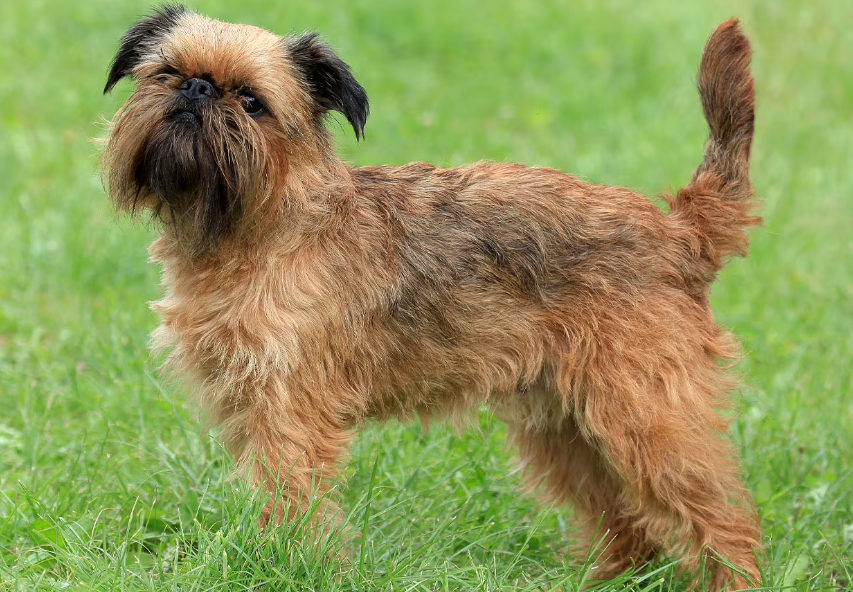
The Brussels Griffon can have a smooth or rough coat. The rough-coated variety has a wiry, textured coat, while the smooth-coated variety has a short, fine coat.
8. They can be a bit stubborn
While they are intelligent, Brussels Griffons can also be a bit stubborn, which can make training a challenge at times. Patience and consistency are key.
9. They are great with children and other pets
Brussels Griffons tend to be good with children and other pets, although they may become possessive of their owners if they feel jealous.
10. They are known for their loyalty
Brussels Griffons are deeply loyal to their families and can form strong bonds with their owners. They are often described as “velcro dogs” because they love to be close to their humans.
Intriguing facts about Brussels Griffon Dog
The little dog breed known as the Brussels Griffon originated in Belgium. It has an unusual appearance, with a wiry coat, expressive eyes, and a tiny, pushed-in face. Some dogs go by the names “Griffs” or “Brussels Griffons” and are highly sought after as companion animals. Brussels Griffons, dogs with great adaptability, can live well in a variety of environments. Although they like spending time with their family, they can also cope with a few periods of isolation. As long as they get the activity and mental stimulation they need, they may adjust to a flat life rather well.
Physical appearance and characteristics of the Brussels Griffon dog
The diversity in coat types among Brussels Griffons is an intriguing feature. Rough-coated and smooth-coated are the two main varieties. The rough-coated Griffon’s thick, wiry coat requires constant cleaning to prevent matting. In contrast, the smooth-coated Griffon’s short, glossy coat is easier to maintain. Both types of jackets come in a variety of colours, including red, black, and brown. They may not be the best option, however, for homes with bigger, more active dogs or those with very young children.
Social nature of Brussels Griffon Dog: Strong bonds with their human companions
Another fascinating aspect of Brussels Griffons is their personality. Despite their small size, these puppies have huge personalities. They are known to be observant, considerate, and affectionate with their owners. Brussels Griffons thrive in human contact and like being the centre of attention. They are often described as outgoing, vivacious, and fun-loving. Early socialisation and consistent training are necessary for a well-mannered Griffon since they may be stubborn at times. When everything is said and done, Brussels Griffons are wonderful companions for singles or families looking for a loyal and compassionate buddy.
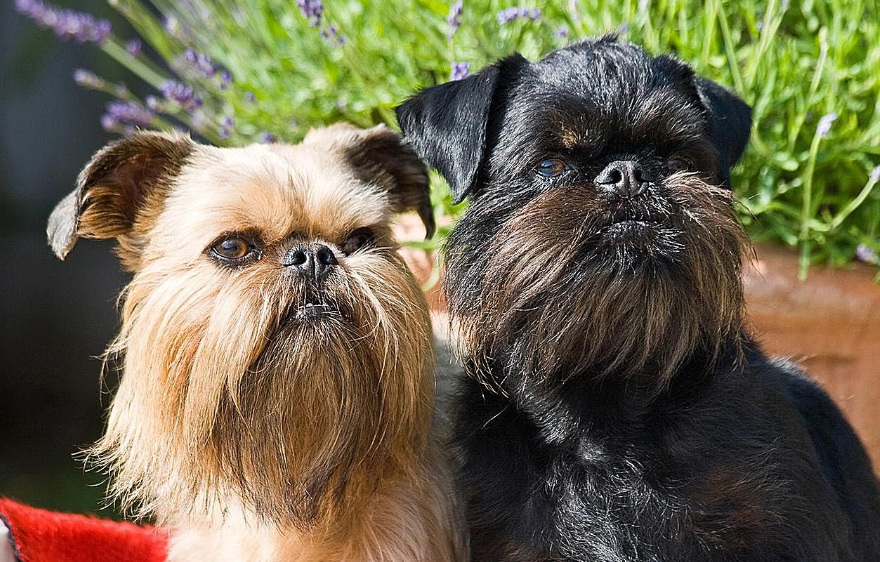
The friendly and affectionate nature of Brussels Griffon dog breed makes them great companions
A unique and endearing breed, Brussels Griffons are renowned for their striking looks and endearing dispositions. Their versatility and friendly disposition make them excellent companions for both people and families. But it’s crucial to keep in mind that having a dog has obligations, such as providing appropriate care, socialisation, and training. If you’re thinking about bringing a Brussels Griffon into your home, make sure you do your homework and choose a reliable breeder or rescue.
Fascinating facts about Brussels Griffon dog Breed
Small and robust, the Brussels Griffon is a breed of dog distinguished by its unique look and endearing nature. These dogs, which originated in Belgium, are now a popular pet worldwide. We’ll look at some fascinating information about Brussels Griffon dogs below:
Physical characteristics and personality traits of Brussels Griffon dog
Small in stature, the Brussels Griffon usually weighs 8 to 12 pounds (3.6 to 5.4 kilogrammes). Their physique is square-shaped and compact, and their coat is thick and wiry. They have a distinct and charming appearance due to their expressive eyes, which are often big and round. The breed is available in a variety of hues, such as red, black, or both together.
Adaptability of environment in Brussels Griffons
Brussels Griffons are little dogs with a strong personality. They have a reputation for being playful, wise, and kind. These dogs enjoy human company and build close relationships with their owners. They are often characterised as energetic, inquisitive, and always ready to investigate their environment. Even though they sometimes exhibit stubbornness, they are usually easy to teach when given consistent attention and encouragement.

The importance of early socialization for Brussels Griffon dog
In order to guarantee that Brussels Griffons develop into confident, well-rounded adult canines, proper socialisation is essential. Their early exposure to a variety of people, animals, and surroundings may help shield children from developing excessive shyness or anxiety. Establishing limits and teaching fundamental instructions should also begin early in the training process. Treats and praise are effective forms of positive reinforcement for this breed.
Exercise and Training for Brussels Griffon dog
Despite their tiny size, Brussels Griffons still need daily exercise to be happy and healthy. Playtime, daily walks, and mental stimulation are critical for their well-being. It’s crucial to remember that they are not hyperactive dogs and that, with enough exercise, they can easily adjust to a flat life.
Common health issues that Brussels Griffon dogs may be prone to
Brussels Griffons are susceptible to specific health problems, just like any other breed of dog. Dental difficulties, vision disorders, and respiratory issues are a few prevalent concerns. A balanced diet and regular veterinarian exams may reduce these hazards. To ensure the breed’s general health, it’s critical to choose a respectable breeder who screens the dogs they use for breeding.

The grooming requirements of Brussels Griffon dog
To maintain its finest appearance, the wiry coat of the Brussels Griffon has to be groomed often. Matting may be avoided, and the coat can be kept clean by brushing a few times each week. Occasionally, hand-stripping them could be necessary to preserve the coat’s texture. They should also include basic dental care, nail trims, and ear cleaning in their grooming regimen.
FAQ (Frequently Asked Questions) about Brussels Griffon
Q: What is a Brussels Griffon?
Ans: The Brussels Griffon is a small toy breed dog known for its charming personality and distinctive appearance. They have a compact, sturdy build, a short snout, and a signature “griffon” face with a slightly wrinkled expression. Brussels Griffons are affectionate, playful, and known for forming strong bonds with their families.
Q: Where does the Brussels Griffon come from?
Ans: The Brussels Griffon originated in Belgium, where it was initially bred as a ratting dog. It was originally used to hunt vermin in stables, but over time, the breed became a companion dog and was appreciated for its intelligence and playful nature. The Brussels Griffon was named after the Belgian city of Brussels.
Q: What does a Brussels Griffon look like?
Ans: The Brussels Griffon is a small, sturdy dog with a distinctive face. It has a short, flat, or slightly upturned nose, large dark eyes, and a rough or smooth coat. The rough-coated variety has a wiry, dense coat, while the smooth-coated variety has a soft, short coat. Their expression is often described as “human-like” due to their wide-set eyes and distinctive face. They come in several colors, including red, black, and tan, and are known for their elegant posture and confident demeanor.
Q: How big does a Brussels Griffon get?
Ans: Brussels Griffons are a small breed, typically weighing between 8 to 12 pounds (3.5 to 5.5 kg). They are about 7 to 10 inches (18 to 25 cm) tall at the shoulder. Despite their small size, they are sturdy and robust, often having a larger-than-life personality.
Q: Are Brussels Griffons good pets?
Ans: Yes, Brussels Griffons are excellent pets, particularly for people who live in smaller spaces like apartments. They are loyal, affectionate, and enjoy being around their family members. Their small size makes them a good choice for people who want a dog with a big personality but without the space requirements of a larger breed. They can be good with children and other pets, though early socialization is important.
Q: How much exercise does a Brussels Griffon need?
Ans: Brussels Griffons are relatively low-energy dogs and don’t require excessive exercise. They enjoy daily walks and playtime, but their activity needs are not as demanding as larger breeds. Regular short walks and indoor play sessions are usually enough to keep them happy and healthy. However, they are intelligent dogs and enjoy engaging in mental stimulation, so puzzle toys and training can help keep their minds active.
Q: Do Brussels Griffons shed a lot?
Ans: Brussels Griffons are moderate shedders, though the smooth-coated variety tends to shed less than the rough-coated one. Regular brushing can help keep their coats healthy and reduce shedding, especially in the rough-coated variety. Their grooming needs are relatively manageable, but they should be brushed weekly to keep their coats neat and free from tangles.
Q: Are Brussels Griffons easy to train?
Ans: Brussels Griffons are intelligent dogs, but they can be a bit stubborn at times. They respond well to positive reinforcement techniques, such as treats and praise, but may require a bit more patience compared to some other breeds. Early socialization and obedience training are important to ensure they grow up to be well-behaved companions. They tend to be eager to please their owners but may also have an independent streak.
Q: How long do Brussels Griffons live?
Ans: Brussels Griffons have a relatively long lifespan for a small dog. On average, they live between 12 to 15 years, though some can live even longer with proper care. Regular veterinary check-ups, a healthy diet, and regular exercise can help extend their lifespan and ensure they remain happy and healthy throughout their lives.
Q: Are Brussels Griffons prone to health problems?
Ans: Like many small breeds, Brussels Griffons can be prone to certain health issues, such as respiratory problems due to their short snouts (brachycephalic), dental issues, and eye problems. They may also suffer from hip dysplasia, heart disease, or patellar luxation. Regular check-ups with a vet are important to monitor for these conditions and ensure early intervention if needed.
Q: Can a Brussels Griffon live with other pets?
Ans: Yes, Brussels Griffons can live harmoniously with other pets, including other dogs and cats. Early socialization and training are key to ensuring they get along well with other animals. While they can be a bit territorial, they typically get along well with pets they grow up with. Their small size and playful nature make them an excellent companion for other pets in the household.
#BrusselsGriffon, #ToyBreed, #SmallDogs, #AffectionateDogs, #FamilyPets, #DogLovers, #GriffonDog, #DogTraining, #PetCare, #BrusselsGriffonCare, #SmallDogBreeds, #PetCompanions, #DogHealth
Our sources and references about Brussels Griffon
1: Wikipedia – Brussels Griffon
2: American Kennel Club – Brussels Griffon
3: Petfinder – Brussels Griffon
4: The Spruce Pets – Brussels Griffon Profile