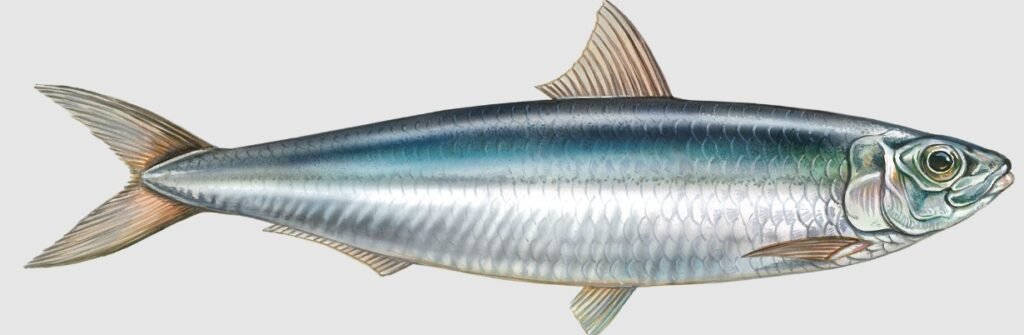
Sardines are small, oily fish that belong to the herring family, found in both the Atlantic and Pacific Oceans. Known for their high nutritional value, sardines are rich in omega-3 fatty acids, calcium, and vitamin D. They are often consumed fresh, canned, or preserved, making them a versatile and popular food around the world. Sardines are also crucial for marine ecosystems as they serve as a primary food source for larger predators, including birds, fish, and marine mammals.
Sardines Fish Scientific Classification
| SCIENTIFIC NAME | Sardina pilchardus (European Sardine) Sardinops sagax (Pacific Sardine) |
| CLASSIFICATION | KINGDOM: Animalia PHYLUM: Chordata CLASS: Actinopterygii ORDER: Clupeiformes FAMILY: Clupeidae GENERA: Sardina, Sardinops, and others |
| SIZE | Length: 15–30 cm (6–12 inches) Weight: 100–200 grams (3.5–7 oz) |
| SPECIES | There are several species of sardines, including the European sardine (Sardina pilchardus) and Pacific sardine (Sardinops sagax). |
| APPEARANCE | Sardines are small, slender fish with silver scales and a blueish-green hue. They have a forked tail and a streamlined body that helps them swim quickly in schools. |
| LIFE SPAN | Typically 3–5 years, although some can live longer under favorable conditions. |
| HABITAT | Sardines are found in both warm and temperate oceans, primarily in the Atlantic and Pacific Oceans. They prefer coastal waters and are often found in large schools. |
| DIET | Sardines are filter feeders, consuming plankton, small crustaceans, and microscopic algae found in the water. |
| NATURAL PREDATORS | They are preyed upon by a variety of predators, including larger fish, marine mammals, sea birds, and even humans. |
| COUNTRY | Sardines are found in oceans worldwide, with major fishing industries in Spain, Portugal, Morocco, and Japan, as well as the United States. |
| CONSERVATION STATUS | While sardines are abundant in many regions, overfishing has led to population declines in some areas, and they are subject to fishing regulations to protect stocks. |
Amazing Facts About Sardines
1. Rich in Omega-3 Fatty Acids
Sardines are a great source of omega-3 fatty acids, which are essential for heart health, brain function, and reducing inflammation.
2. High in Calcium and Vitamin D
These small fish are packed with calcium and vitamin D, making them an excellent choice for promoting bone health.
3. Low in Mercury
Sardines are low in mercury compared to larger fish, making them a safer option for regular consumption.
4. Important for Marine Food Chains
Sardines play a key role in marine ecosystems, serving as a primary food source for a variety of predators, including fish, birds, and marine mammals.
5. Known for Their Schooling Behavior
Sardines are famous for their schooling behavior, where they gather in large, tight-knit groups for protection against predators.
6. A Staple in Mediterranean and Asian Cuisines
Sardines have been a dietary staple for centuries, particularly in Mediterranean and Asian cuisines, where they are often grilled, canned, or eaten fresh.
7. Can Be Canned or Fresh
Sardines are widely available both fresh and canned, with canned sardines being a convenient, long-lasting option for consumers worldwide.
8. Short Life Span
Sardines typically live for 3 to 5 years, though some can live longer in protected environments, depending on the species and location.
9. Contribute to Sustainable Fisheries
Sardines are considered a more sustainable choice for fishing compared to larger fish species, as they reproduce quickly and have shorter life cycles.
10. Found in Oceans Worldwide
Sardines are found in oceans around the world, from the Atlantic and Pacific Oceans to the Mediterranean and beyond, making them a globally consumed fish.
Sardine Overview
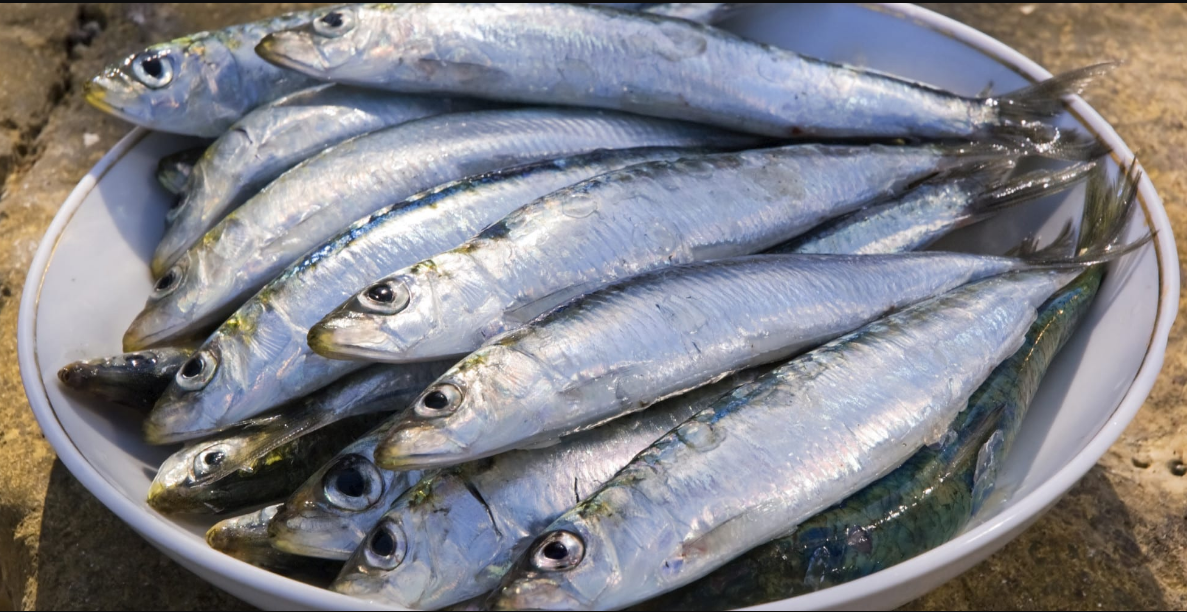
Sardines are small, oily fish that attract attention due to their nutritional value and abundance in the seas. They also play an important role in worldwide fisheries. People in some regions of the globe also call them pilchards. For millennia, humans have relied on them as a mainstay in meals. Sardines remain one of the world’s most well-liked fish species due to their habitat, life cycle, health benefits, and culinary usage. People value sardines because they are sustainable and versatile in the kitchen.
What Are Sardines
Sardines are small, pelagic fish that belong to the Clupeidae family, which also includes anchovies and herring. They thrive in temperate seas across the globe and usually live in big schools. Their slim bodies and silvery scales distinguish sardines from many other small fish.
The word “sardine” most often refers to the European sardine (Sardina pilchardus) and the Pacific sardine (Sardinops sagax). However, people may also use it for several other small fish species in the Clupeidae family.
Habitat Range
Sardines live in seas and oceans across the globe, especially in temperate and subtropical regions. These fish often travel in large schools in pursuit of food since they migrate widely. Depending on the species and season, sardines may live in both offshore and coastal waters.
Fishing Regions
- Mediterranean Sea: The European sardine thrives here, and people have harvested it for thousands of years.
- Pacific Ocean: From California to Mexico, the western coast of North America supports large populations of Pacific sardines.
- Indian Ocean: Sardines are also common in the Indian Ocean, especially in countries like Indonesia, Sri Lanka, and India.
Because they are highly social fish, sardines may form schools of thousands or even millions. These schools protect sardines from predators and help them move effectively through the water while searching for plankton and other food sources.
Life Cycle
Most sardines live only three to five years, which is a rather short lifespan. They maintain their huge population by releasing vast numbers of eggs during spawning episodes. Their reproductive cycle characterises them as highly prolific.
Spawning Process
Sardines lay eggs in warm seas, often in the spring and summer. During spawning, sardines release large quantities of eggs and sperm into the water, where external fertilisation occurs. A female may release up to 2 million eggs in one spawning season. Most of these eggs will never mature into adults.
Growth Stages
The fertilised eggs turn into tiny, almost invisible, translucent larvae. These larvae go through several developmental stages as they grow larger. Eventually, they reach a size where they can form schools and begin their oceanic journey. Sardines grow quickly in their first year of life. By their second or third year, they are usually ready to spawn.
Nutritional Value
Many people consider sardines among the healthiest seafood available. These small fish are nutrient-dense and rich in vitamins, minerals, and omega-3 fatty acids. Sardines provide several important health benefits.
Omega-3 Fats
One of sardines’ most notable features is their high omega-3 fatty acid content. This includes EPA (eicosapentaenoic acid) and DHA (docosahexaenoic acid). Omega-3 fats are essential for brain and heart health. They also help reduce inflammation in the body. Research shows that omega-3s:
- Lower blood pressure
- Reduce triglyceride levels
- Decrease cholesterol
- Reduce the risk of heart disease
Protein Content
Sardines provide an excellent source of high-quality protein. A 100-gram (3.5-ounce) serving contains about 25 grams of protein. This protein supports tissue repair, muscle development, and the production of hormones and enzymes.
Key Nutrients
- Vitamin D: Sardines are one of the best natural dietary sources of vitamin D, essential for strong bones and immunity.
- Vitamin B12: Packed with vitamin B12, sardines support red blood cell production and proper nervous system function.
- Calcium: Sardines supply calcium, which keeps bones and teeth healthy, especially when eaten with their edible bones.
- Iron: Iron in sardines helps prevent iron deficiency anaemia and supports haemoglobin production.
- Selenium: This trace mineral strengthens immunity and acts as an antioxidant defence.
Low Mercury
Because sardines are small and sit low in the food chain, they contain little mercury. Larger fish species usually contain higher mercury levels. For people worried about mercury exposure in their diet, sardines make a safe choice.
Fishing Sustainability
Sardines represent one of the most sustainable seafood options on today’s market. Properly managed sardine stocks are renewable due to their abundance and rapid reproduction. Fishers usually catch them using methods that have less environmental impact than those for larger fish species.
Fishing Methods
Fishers often use purse seine nets to catch sardines. These nets surround large schools and lift them to the surface. When used under sustainable fishing rules, this method is considered environmentally responsible.
Fisheries must manage sardine stocks carefully and enforce limits. Without such measures, overfishing remains a concern in some regions.
Ecosystem Role
Sardines play a vital role in marine ecosystems. They act as a food source for larger predators such as seals, whales, and seabirds. By eating zooplankton, they also help balance plankton populations and support the ocean’s nutrient cycle.
Culinary Uses
In cooking, sardines are highly versatile. They add a savoury depth to many dishes and can be eaten fresh, tinned, or smoked. Their umami-rich flavour makes them popular in Mediterranean, Asian, and global cuisines.
Fresh Cooking
People often bake, broil, or grill fresh sardines. They pair well with garlic, lemon, herbs, and olive oil. Their delicate flesh requires little seasoning. Grilled sardines are a common dish in Greece, Spain, and Portugal.
Canned Sardines
Canned sardines are convenient and widely available. People may eat them directly from the tin or add them to dishes such as sardine pasta, sardine salads, or sardine sandwiches. They often come packed in olive oil, tomato sauce, or mustard sauce. With their long shelf life and high nutritional value, canned sardines offer an economical choice.
Smoked Sardines
Smoked sardines provide a unique flavour that enhances recipes like smoked sardine pasta, smoked sardine dips, and salads. Smoking gives them a rich taste that pairs well with mustard, pickles, and onions.
FAQ (Frequently Asked Questions) about Sardines
Q: What are Sardines?
Ans: Sardines are small, oily fish that belong to the herring family, commonly found in oceans worldwide. They are highly nutritious and are often consumed canned, grilled, or fresh.
Q: Are Sardines good for you?
Ans: Yes! Sardines are rich in omega-3 fatty acids, calcium, vitamin D, and protein, making them a highly nutritious choice for a balanced diet.
Q: Where are Sardines found?
Ans: Sardines are found in oceans worldwide, with significant populations in the Atlantic and Pacific Oceans, particularly around Europe, North America, and Asia.
Q: How long do Sardines live?
Ans: Sardines typically live for 3 to 5 years, though some can live longer under favorable conditions.
Q: Are Sardines sustainable?
Ans: Sardines are generally considered a sustainable fish option because they reproduce quickly and have short life cycles, although overfishing can still be a concern in some areas.
Q: How are Sardines usually consumed?
Ans: Sardines are commonly consumed fresh, grilled, or canned. They are popular in Mediterranean and Asian cuisines.
Q: Are Sardines high in mercury?
Ans: No, sardines are low in mercury compared to larger fish species, making them a safer option for regular consumption.
Q: What do Sardines eat?
Ans: Sardines are filter feeders, consuming plankton, small crustaceans, and microscopic algae found in the water.
Q: Can you eat canned Sardines directly?
Ans: Yes, canned sardines are fully cooked and can be eaten directly out of the can, making them a convenient and healthy snack or meal option.
Q: Do Sardines have a lot of bones?
Ans: Yes, sardines have small bones, but they are usually soft and edible, especially in canned varieties.
#Sardines #Omega3 #HealthyEating #SustainableFishing #MarineLife #FishFacts #CannedSardines #MediterraneanDiet #SeafoodLovers
Our sources and references about Sardines
1: Wikipedia – Sardine
2: National Geographic – Sardines
3: Food Network – Sardines
4: Healthline – Sardines Nutrition