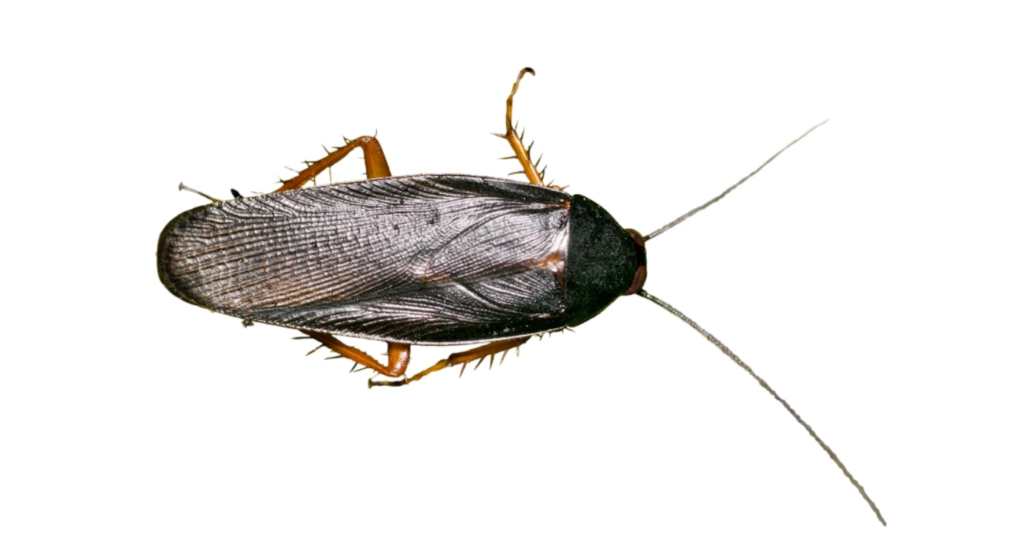
The Smokybrown Cockroach is a large, reddish-brown cockroach species known for its nocturnal habits. It is commonly found in warm, moist environments, such as attics, basements, and trees. Smokybrown cockroaches are omnivores and are considered pests in many areas.
Quick Top 10 Facts about Smokybrown Cockroach
| SCIENTIFIC NAME | Periplaneta fuliginosa |
| CLASSIFICATION | KINGDOM: Animalia PHYLUM: Arthropoda CLASS: Insecta ORDER: Blattodea FAMILY: Blattidae GENUS: Periplaneta SPECIES: P. fuliginosa |
| SIZE | Length: About 1.25 to 1.5 inches (32–38 mm) |
| HABITAT | Warm, humid environments; commonly found in attics, basements, greenhouses, and outdoors in southern regions |
| DIET | Omnivorous scavenger; eats decaying organic matter, food scraps, and plant materials |
| SPECIES | Smokybrown Cockroach, known for its uniform dark brown coloration and strong flying ability |
| COUNTRY | Native to Southeast Asia; now widespread in the southern United States and other warm regions globally |
| LIFE SPAN | Approximately 200–300 days under optimal conditions |
| CONSERVATION STATUS | Not endangered; considered a common household pest |
Amazing Facts About Smokybrown Cockroaches
1. They are strong fliers
Smokybrown Cockroaches are capable of flying and often use their wings to travel short distances, especially in warm climates.
2. Their dark brown color gives them their name
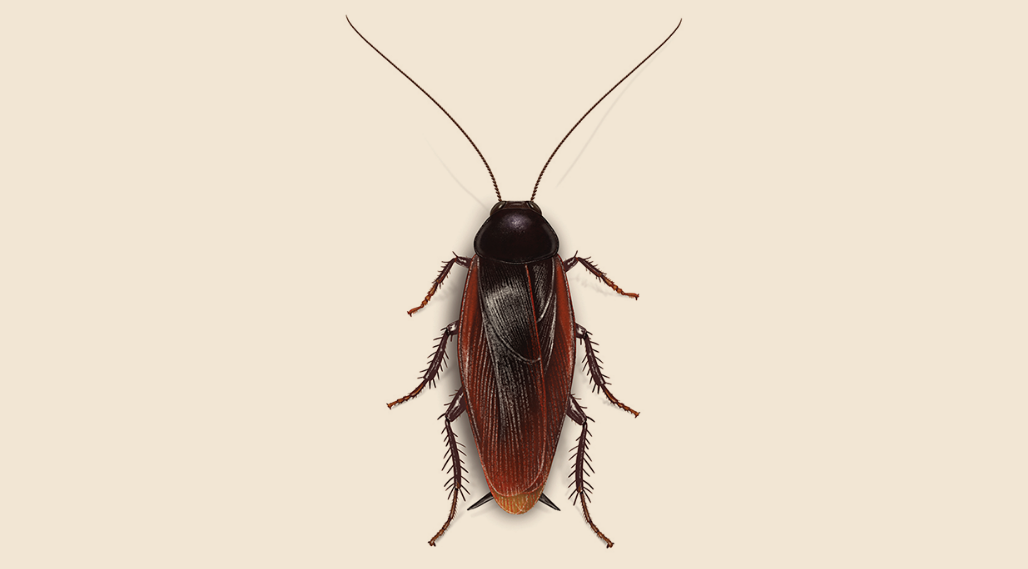
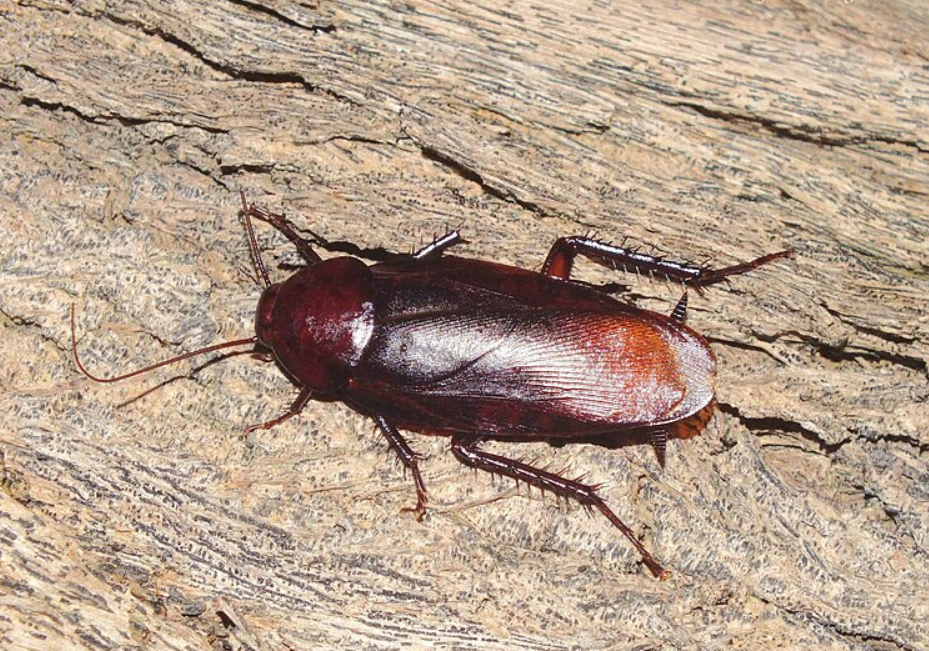
These cockroaches have a shiny, uniform dark brown or mahogany coloration, which distinguishes them from other roaches.
3. They are nocturnal
Smokybrown Cockroaches are active at night and typically hide during the day in moist, dark areas.
4. They need high humidity to thrive
These cockroaches are especially attracted to environments with high moisture, making bathrooms, basements, and greenhouses common habitats.
5. They can contaminate food and surfaces
Like many cockroach species, they can spread bacteria and allergens, contaminating areas where food is prepared or stored.
6. They reproduce quickly
Females lay egg cases (oothecae) that can contain up to 24 eggs, and under warm conditions, their populations can grow rapidly.
7. They are attracted to light
Unlike many roaches, Smokybrown Cockroaches are drawn to light sources, which can lead them into homes and buildings through windows or vents.
8. They can live both indoors and outdoors
While often found outside in mulch, woodpiles, or leaf litter, they also readily invade indoor spaces in search of food and shelter.
9. They are larger than German cockroaches
Smokybrown Cockroaches are noticeably larger than many household roaches like the German cockroach, making them more noticeable and alarming.
10. Pest control is often needed
Due to their size, flying ability, and rapid reproduction, infestations may require professional pest management to fully eliminate.
Introduction to Smokybrown Cockroach
The Blattidae family includes the Smokybrown cockroach (Periplaneta fuliginosa), an urban pest recognised for its unusual appearance and noteworthy behaviours. This species of cockroach, native to Southeast Asia, has spread to many countries around the world, including the US. The Smokybrown cockroach is a common nuisance in both residential and commercial settings because, like other cockroaches, it is very tenacious, adaptive, and capable of surviving in a variety of situations. It has earned a reputation as one of the most troublesome cockroach species due to its ability to infest homes, workplaces, and storage facilities.
1. The Smokybrown Cockroach: An Overview
Habitat Preferences of the Smokybrown Cockroach
The Smokybrown cockroach is an omnivorous insect that prefers warm, humid climates. While it is usually found outside in protected areas such as leaf litter, tree bark, or along gutters, it has become a serious indoor pest in areas like kitchens, basements, attics, and garages. Smokybrown cockroaches are prevalent in subtropical and tropical environments because they are particularly drawn to high-humidity conditions.
2. Features of the Smokybrown Cockroach’s Body
Distinctive Characteristics of the Smokybrown Cockroach
The Smokybrown cockroach’s unique appearance and colouration make it easy to identify. Here are some of its key characteristics:
Dimensions and Form
- Length: Measuring 1.5 to 2 inches (3.8 to 5 cm), the Smokybrown cockroach is fairly large.
- Shape: The Smokybrown cockroach has an oval, flattened body, similar to most other cockroaches. It can fly short distances and has wings measuring about 2 to 3 inches (5 to 7.5 cm).
The Colouration of the Smokybrown Cockroach
- Colour: The cockroach is called “smokybrown” because of its dark brown to black colour, which gives it an ashy or smoky appearance. Its dark hue helps it blend in with its surroundings, especially in the dim, moist environments it often inhabits.
- Shiny Surface: The smooth and glossy look of the Smokybrown cockroach is a result of its shiny body.
Flight and Wings of the Smokybrown Cockroach
The well-developed wings of the Smokybrown cockroach are one of its most distinguishing features. Unlike some cockroach species that cannot fly, the Smokybrown cockroach can fly for short distances when disturbed or seeking a new home. It can travel through the air with the help of its long, membrane-covered wings, which extend beyond its body.
Legs and Antennas of the Smokybrown Cockroach
Smokybrown cockroaches have long, robust legs with spines that allow them to move quickly across a variety of surfaces. They can run swiftly while avoiding predators or searching for food. Smokybrown cockroaches also have long, thin antennae that help them detect changes in their environment. These antennas are essential for navigation and sensing their surroundings.
3. Preferences for Habitat
Outdoor Environment of the Smokybrown Cockroach
Generally, Smokybrown cockroaches thrive in environments that provide warmth, moisture, and food. Although they can adapt to different habitats, they are most commonly found in tropical and subtropical climates. However, they can also be found in both urban and rural areas.
Outdoor Habitat of Smokybrown Cockroaches
- Smokybrown cockroaches typically inhabit wooded environments, undergrowth, and areas with decomposing organic materials.
- They are attracted to places with high humidity, such as decaying leaves and fallen tree bark.
- In the wild, they often hide behind leaves or logs, where they can easily find food and shelter.
Indoor Habitat of the Smokybrown Cockroach
While they prefer outdoor environments, Smokybrown cockroaches frequently invade homes and buildings, especially during the summer months. Inside, they are commonly found in:
- Basements
- Attics
- Kitchens
- Bathrooms
- Garages
- Plumbing systems nearby
- Around waste or rubbish areas
Smokybrown cockroaches thrive in humid environments such as kitchens and bathrooms. They are also attracted to areas that have flooded or suffered water leaks, like damp basements or sewers.
4. Nutrition and Feeding Practices
Diet of the Smokybrown Cockroach
As omnivores, Smokybrown cockroaches consume a wide range of organic materials, similar to most other cockroaches. Their diet typically consists of:
- Decaying plant matter, including wood and leaves
- Fungi, which often thrive in moist conditions
- Organic waste, including crumbs, food scraps, and other debris
Food Preferences of the Smokybrown Cockroach
Although their primary food source is plant-based, Smokybrown cockroaches occasionally feed on food scraps found in homes, particularly in kitchens. As opportunistic eaters, they will scavenge anything edible they can find, such as:
- Grease
- Sugary foods
- Bread
- Meat scraps
- Pet food
Due to their scavenging habits, they often invade homes, restaurants, and food storage facilities in search of food.
5. Lifecycle and Behaviour
Nocturnal Activity of Smokybrown Cockroaches
Smokybrown cockroaches are primarily nocturnal and are most active at night. During the day, they hide in dark, damp places and emerge at night to forage for food and potential mates.
Breeding and Lifespan of Smokybrown Cockroaches
Ootheca (egg cases): Like other cockroaches, Smokybrown cockroaches lay oothecae, which are egg casings that contain multiple eggs. Each ootheca may contain up to 30–40 eggs. While they may live longer under ideal conditions, Smokybrown cockroaches typically have a lifespan of one year. After hatching, the baby cockroaches, called nymphs, undergo several moults before maturing into adults.
Communication via Pheromones
Smokybrown cockroaches communicate using pheromones, which are chemical signals that help them locate food, potential mates, and suitable habitats. These signals also help attract mates and define territorial boundaries.
6. Health Hazards and Issues
Health Risks Associated with Smokybrown Cockroaches
Smokybrown cockroaches pose a health risk due to their tendency to carry diseases and infections on their bodies. They can transmit illnesses such as:
- Foodborne infections, including E. coli and Salmonella
- Allergic reactions in sensitive individuals due to cockroach saliva, excrement, or body parts
- Triggers for asthma in people with respiratory conditions, particularly children
Cockroaches are a significant issue for households, especially in kitchens and food storage areas, as the germs they carry can contaminate food and surfaces.
7. Prevention and Control
Methods to Prevent and Control Smokybrown Cockroach Infestations
Eliminating Food and Water Sources
Removing food and water sources that attract Smokybrown cockroaches is the first step in managing an infestation. This includes:
- Cleaning up spills and crumbs, and sealing food containers
- Fixing leaks in basements, kitchens, and bathrooms
- Regularly disposing of rubbish and ensuring trash cans are tightly closed
Cleaning and Maintenance to Keep Cockroaches Out
To keep cockroaches out of your home, it is important to maintain the house and follow good sanitation practices:
- Seal any gaps and cracks in floors, walls, and windows
- Use caulk or weather stripping to seal gaps around windows and doors
- Reduce humidity by eliminating standing water and ensuring adequate ventilation
Chemical and Non-Chemical Control Methods
Pesticides: While commercial pesticides can be effective in controlling cockroach infestations, they should be used with care, especially in food preparation areas.
Baits and Traps: Smokybrown cockroaches can be monitored, and their numbers reduced using cockroach baits and sticky traps.
Professional Extermination: In the case of a serious infestation, it may be necessary to contact a pest control professional to safely and effectively eliminate the problem.
FAQ (Frequently Asked Questions) about Smokybrown Cockroach
Q: What is a Smokybrown Cockroach?
Ans: The Smokybrown Cockroach (Periplaneta fuliginosa) is a large, flying cockroach species with a dark brown color, commonly found in warm and humid environments.
Q: Where are Smokybrown Cockroaches found?
Ans: They are native to Asia but are now common in the southern U.S. and other warm climates, often found both indoors and outdoors.
Q: Are Smokybrown Cockroaches dangerous?
Ans: While not directly harmful, they can contaminate food and surfaces with bacteria and are known allergens, potentially triggering asthma or allergic reactions.
Q: Do Smokybrown Cockroaches fly?
Ans: Yes, unlike many cockroach species, the Smokybrown Cockroach is capable of flight and often uses its wings at night.
Q: How do you prevent Smokybrown Cockroach infestations?
Ans: Keep areas dry and well-sealed, store food properly, and eliminate outdoor breeding grounds like woodpiles and leaf litter near the home.
Q: What do Smokybrown Cockroaches eat?
Ans: They are omnivores and scavengers, feeding on decaying organic matter, food scraps, and even paper or glue.
Q: How long do Smokybrown Cockroaches live?
Ans: On average, they live around 200–300 days, depending on environmental conditions and food availability.
Q: Can Smokybrown Cockroaches infest homes?
Ans: Yes, they commonly enter homes in search of moisture and food and can become a nuisance without proper control.
Q: Are Smokybrown Cockroaches the same as American Cockroaches?
Ans: No, while similar in size, they are different species; Smokybrown Cockroaches are darker and more uniformly colored than the reddish American Cockroach.
Q: Do Smokybrown Cockroaches bite?
Ans: Bites are extremely rare and usually only occur if food residues are present on the skin; they are not aggressive toward humans.
#SmokybrownCockroach, #PeriplanetaFuliginosa, #FlyingRoach, #HouseholdPests, #PestControl, #Insects, #UrbanWildlife, #CockroachSpecies, #InfestationPrevention, #PublicHealth
Our sources and references about Smokybrown Cockroach
1: Wikipedia – Smokybrown Cockroach
2: Orkin – Smokybrown Cockroach Facts
3: University of Florida – Featured Creatures
4: PestWorld – Smokybrown Cockroach