Quick Top 10 Facts about Brown Water Snake
| SCIENTIFIC NAME | Nerodia taxispilota |
| CLASSIFICATION | KINGDOM: Animalia PHYLUM: Chordata CLASS: Reptilia ORDER: Squamata FAMILY: Colubridae GENUS: Nerodia SPECIES: N. taxispilota |
| SIZE | Length: 24–42 inches (61–107 cm) |
| HABITAT | Found in slow-moving rivers, streams, ponds, and marshes, primarily in the southeastern United States |
| DIET | Carnivorous; primarily feeds on fish, amphibians, and small invertebrates |
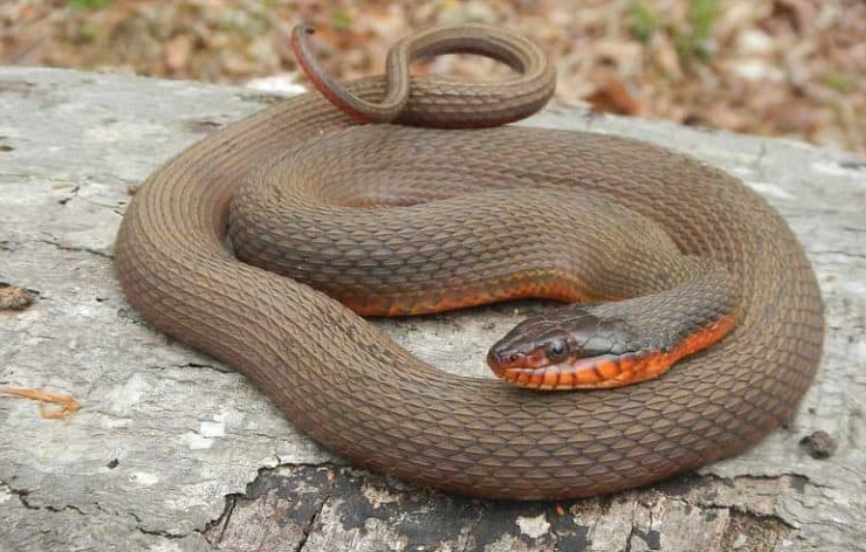
| SPECIES | The Brown Water Snake is a non-venomous snake that is often mistaken for a water moccasin (cottonmouth) due to its similar appearance |
| COUNTRY | Native to the southeastern United States, including Alabama, Florida, Georgia, Louisiana, and South Carolina |
| GESTATION PERIOD | Oviparous; eggs are laid in the summer, with hatchlings emerging in late summer or early fall |
| LIFE SPAN | 10–15 years in the wild |
| CONSERVATION STATUS | Least Concern; the Brown Water Snake is not currently considered endangered, though its populations may be affected by habitat destruction |
Amazing Facts About Brown Water Snakes
1. Non-venomous species
Brown Water Snakes are non-venomous and pose no direct threat to humans. However, they may bite if provoked.
2. Often mistaken for water moccasins
Due to their similar appearance, Brown Water Snakes are frequently mistaken for the venomous water moccasin (Cottonmouth), though they are not related.
3. Excellent swimmers
These snakes are adept swimmers and spend a lot of time in or near water, using their flattened tails to help propel them through the water.
4. Primarily fish eaters
Brown Water Snakes feed mainly on fish, amphibians, and small invertebrates, using their strong constricting abilities to capture and subdue prey.
5. Active during the day
While some snake species are nocturnal, Brown Water Snakes are primarily diurnal, meaning they are most active during the daytime.
6. Good camouflage in water
With their brownish-gray coloration and dark patterns, Brown Water Snakes blend well with the murky waters of their aquatic habitats, making them effective ambush predators.
7. Territorial behavior
Brown Water Snakes can be territorial and may defend their space aggressively when threatened, often by striking or retreating to the water.
8. Egg-laying species
Brown Water Snakes are oviparous, laying up to 20 eggs at a time. Hatchlings typically emerge in late summer or early fall.
9. Can live in a variety of water habitats
They are highly adaptable and can thrive in a range of freshwater environments, from slow-moving rivers to swamps and ponds.
10. Important role in controlling aquatic populations
As effective predators of small fish and amphibians, Brown Water Snakes help regulate the populations of aquatic creatures, contributing to the balance of their ecosystem.
Origin and scientific classification of brown water snakes
In scientific terms, Nerodia taxispilota, often known as the non-venomous Brown Water Snake, is a common snake species in the Southeast of the United States. This medium-sized snake may reach an adult length of two to four feet. The snake’s name originates from its brown colouring, which may vary from light brown to dark brown and can seem reddish or greyish.
Habitats and distribution of Brown water snakes
Brown water snakes are mostly aquatic and may be found in a variety of freshwater habitats, such as lakes, ponds, marshes, swamps, and meandering streams. They are fairly good swimmers, and you may often see them relaxing on logs or rocks along the river. These snakes are well adapted to their aquatic lifestyle because of their flattened tails, which make swimming easier, and their keeled scales, which enhance grip in the water.
Understanding these brown water snakes and their role in the ecosystem
Brown water snakes are amazing animals that are essential to their environments. They are a fascinating species to examine because of their adaptability to a variety of aquatic environments and their lack of aggression. We can appreciate the richness of animals on our planet by learning more about these snakes.
Feeding habits and preferred prey of Brown water snakes
Brown water snakes are opportunistic feeders with a varied diet. Fish, frogs, tadpoles, and aquatic invertebrates are their primary food sources. They are well known for being skilled hunters, using their keen sense of smell and eyesight to find prey. These snakes are not dangerous, but if they feel confined or threatened, they may bite. They do, however, have a tendency to be docile and would rather run away than engage with humans. It is critical to keep in mind that brown water snakes benefit the environment by helping to control aquatic pest populations.
Intriguing facts about brown water snakes
Nerodia taxispilota, often known as brown water snakes, is a widespread nonvenomous snake species found in the Southeast of the United States. They are distinguished by their brown colouring and capacity to adapt to a wide range of aquatic environments. We’ll look at some fascinating information on brown water snakes below:
The appearance and size of brown water snakes
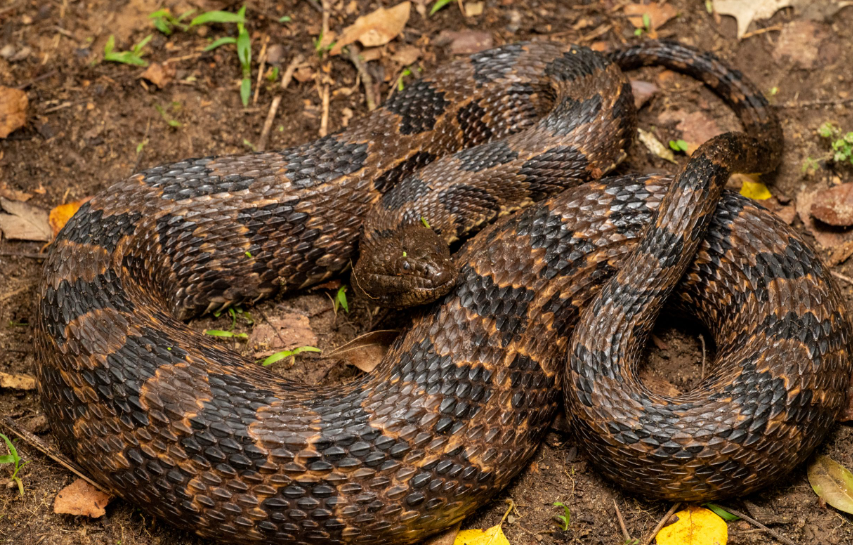
Brown water snakes are large to medium-sized reptiles that can reach four to five feet in length. They have a rough feel because of their hefty bodies and keeled scales. They are mostly brown in colour, as their name implies, with dark brown or black lines running down their sides and back. Their belly is usually lighter in colour, ranging from cream to yellowish.
Preferred habitats and adaptability of brown water snakes
Because of their remarkable adaptability, these snakes may be found in a wide range of aquatic environments, such as lakes, ponds, rivers, and marshes. They can swim quite well, and you may often see them lounging on logs or rocks near the river. It is also known that brown water snakes may scale trees and plants, particularly in the spring when mating occurs.
Solitary nature and behavior patterns of brown water snakes
While they may be active at night, brown water snakes are mostly active during the day. They would rather live by themselves as solitary beings. These snakes may vibrate their tails, release a musky smell, or flatten their bodies to make themselves look bigger in response to threats. They will, however, often choose to flee rather than face potential danger because they are not aggressive.
Snakes are superb swimmers and can move easily on land
These snakes can move easily on land and in the water, and they are superb swimmers. They use their powerful bodies and flattened tails to move across the water. They have the ability to dive and immerse themselves for prolonged periods of time, which enables them to capture fish and other aquatic prey.
Preferred prey and hunting pattern of brown water snakes
Brown water snakes, as carnivores, primarily eat fish, frogs, birds, small animals, and other reptiles. Because they are opportunistic predators, they will eat any food available in their natural environment. These snakes have an excellent sense of smell, and they can use their tongues to pick up scent particles from the air in order to find their food.
The reproductive behavior and life cycle of brown water snakes
Because brown water snakes are ovoviviparous, their mothers give birth to live offspring. The fertilised eggs are held within the female’s body until they are ready to hatch after mating. After that, she gives birth to a litter of 10 to 30 fully developed young snakes that can survive on their own. The young brown water snakes resemble adult snakes in appearance and are around 8 to 10 inches long.
Threats and conservation status of brown water snakes
It is not thought that brown water snakes are vulnerable or endangered. In their natural habitat, they are quite widespread and mostly unaffected by human activity. However, because of land development and urbanisation, they experience habitat loss and fragmentation similar to many other snake species. To guarantee their continued existence, it is essential to safeguard and maintain their natural habitats.
FAQ (Frequently Asked Questions) about Brown Water Snake
Q: What is a Brown Water Snake?
Ans: The Brown Water Snake (Nerodia taxispilota) is a non-venomous snake native to the southeastern United States. This species is often found near freshwater habitats, such as rivers, lakes, swamps, and marshes. Brown Water Snakes are known for their excellent swimming ability and typically hunt in the water for prey.
Q: Where does the Brown Water Snake live?
Ans: Brown Water Snakes are commonly found in the southeastern United States, including states like Florida, Georgia, Alabama, Mississippi, and Louisiana. They prefer freshwater environments such as lakes, rivers, and wetlands, where they can hunt and find shelter. They are often seen basking on rocks or logs near water.
Q: What does the Brown Water Snake eat?
Ans: Brown Water Snakes are carnivorous and primarily feed on fish, amphibians, and small aquatic creatures. They are skilled hunters and use their strong swimming abilities to capture prey in the water. They will also feed on frogs, tadpoles, and small invertebrates found in their aquatic habitats.
Q: How big does a Brown Water Snake get?
Ans: Brown Water Snakes are relatively large snakes, typically growing to lengths of 3 to 5 feet (0.9 to 1.5 meters). Some individuals can grow even longer, reaching up to 6 feet (1.8 meters) in length. Their size, along with their dark coloration, makes them a formidable presence in their freshwater habitats.
Q: Are Brown Water Snakes dangerous?
Ans: No, Brown Water Snakes are not dangerous to humans. They are non-venomous and rely on constriction to subdue their prey. However, when threatened, Brown Water Snakes may become defensive and may strike or hiss. Their bites are not venomous and are rarely harmful, although they can cause minor wounds or discomfort.
Q: How does the Brown Water Snake defend itself?
Ans: When threatened, Brown Water Snakes may exhibit defensive behaviors such as hissing, flattening their bodies, or striking. They may also try to escape into the water to avoid danger. While they are not aggressive, they will defend themselves if necessary.
Q: What does the Brown Water Snake look like?
Ans: Brown Water Snakes have a distinctive appearance, with a dark brown or grayish-brown body and lighter underbelly. Their bodies are covered with small, smooth scales, and they often have irregular dark markings or bands along their backs. They have a slightly flattened head and a long, tapering body, which helps them excel in swimming.
Q: How long do Brown Water Snakes live?
Ans: Brown Water Snakes can live for up to 10 years in the wild, although their lifespan can vary depending on environmental factors and predation. In captivity, they may live longer with proper care, including a suitable enclosure and diet.
Q: Can you keep a Brown Water Snake as a pet?
Ans: Yes, Brown Water Snakes can be kept as pets, but they require a suitable environment. They need a spacious aquarium or terrarium with access to water for swimming, as well as land areas for basking. It is important to maintain the correct water temperature and humidity for their health. Like all snakes, they require specialized care and should be kept by experienced reptile owners.
Q: Are Brown Water Snakes endangered?
Ans: Brown Water Snakes are not considered endangered and are classified as a species of least concern by the International Union for Conservation of Nature (IUCN). However, habitat loss, pollution, and human interference in freshwater habitats can impact their populations. Conservation efforts focus on maintaining healthy ecosystems and protecting their natural habitats.
#BrownWaterSnake, #WaterSnakes, #NonVenomousSnake, #SnakeLovers, #AquaticSnakes, #ReptileCare, #WildlifeConservation, #Herpetology, #SnakeFacts, #WildlifeProtection, #ReptileEnthusiasts
Our sources and references about Brown Water Snake
1: Wikipedia – Brown Water Snake
2: Florida Museum – Brown Water Snake
3: IUCN Red List – Brown Water Snake
4: Reptiles Magazine – Brown Water Snake