Quick Top 10 Facts about Belgian Sheepdog
| SCIENTIFIC NAME | Canis lupus familiaris |
| CLASSIFICATION |
KINGDOM: Animalia CLASS: Mammalia ORDER: Carnivora FAMILY: Canidae PHYLUM: Chordata GENUS: Canis |
| SIZE | Height: 22–26 inches (56–66 cm); Weight: 45–75 lbs (20–34 kg) |
| HABITAT | Domesticated – often found in rural, suburban, and urban homes, especially with active families |
| DIET | Omnivorous – eats commercial dog food, meats, vegetables, and grains |
| SPECIES | Belgian Sheepdog (Groenendael) – one of four Belgian herding breeds |
| COUNTRY | Originated in Belgium |
| GESTATION PERIOD | Approximately 63 days |
| LIFE SPAN | 12–14 years |
| CONSERVATION STATUS | Not applicable – domesticated breed with healthy global population |
Amazing Facts About Belgian Sheepdogs
1. Known for their luxurious black coats
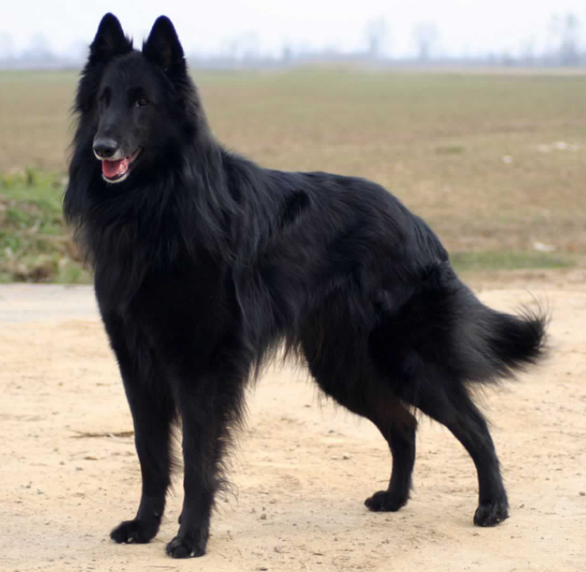
The Belgian Sheepdog is instantly recognizable for its long, sleek, black fur.
2. Exceptionally intelligent
They are quick learners and excel in obedience, agility, and herding tasks.
3. One of four Belgian herding breeds
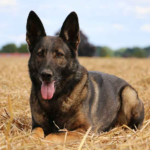
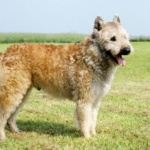
They belong to a group that includes the Malinois, Tervuren, and Laekenois.
4. Originally bred for herding
They were used to herd sheep and cattle in the Belgian countryside.
5. Versatile working dogs
Belgian Sheepdogs are also used in police work, search-and-rescue, and as service dogs.
6. High energy levels
These dogs require lots of exercise and mental stimulation to stay happy and healthy.
7. Loyal and protective
They are deeply bonded to their families and make excellent watchdogs.
8. Sensitive and intuitive
Belgian Sheepdogs are very aware of their environment and their handler’s emotions.
9. Best for experienced owners
They thrive with people who understand canine behavior and can offer structured training.
10. Need regular grooming
Their thick coats need frequent brushing to prevent matting and to keep them looking their best.
Description of the Belgian Sheepdog’s personality
Belgian Sheepdogs, also known as Groenendaels, are a breed of dog with origins in Belgium. It is a medium- to giant-sized dog with a strong, muscular build. The breed has an aristocratic appearance due to its long, flowing coat, which is often black in colour. A popular breed for dog shows and competitions, Belgian sheepdogs have an imposing and aristocratic look. The Belgian Sheepdog is an amazing breed with a long history and remarkable characteristics. They have a special set of qualities that set them apart, from their devotion and protective demeanour to their intellect and flexibility. The Belgian Sheepdog never fails to win over the hearts of dog lovers everywhere, whether they are used as a devoted working companion or as a cherished family pet.
Behavioural tendencies of Belgian sheepdogs
The temperament of Belgian sheepdogs is very intelligent and trainable. Their well-known devotion and loyalty to their owners make them fantastic family dogs. However, they may also be reticent and wary of strangers, which makes them great escorts. Belgian sheepdogs need regular exercise to keep their brains and bodies stimulated, much like other active dogs. Among other canine sports, they excel in obedience, agility, and herding.
Characteristics and appearance of Belgian sheepdogs
Because of their adaptability, Belgian sheepdogs can live in a range of environments and lifestyles. They are well known for having a strong work ethic and often serve in the police and military. Their keen sense of smell and remarkable trainability make them excellent search and rescue canines. Belgian sheepdogs make excellent buddies in addition to being loyal and considerate workers. They like being a part of the family and get great enjoyment from being around people. With appropriate training, socialisation, and maintenance, the Belgian Sheepdog may become a devoted companion for life.
Origin and History of Belgian sheepdogs
The rich history and tradition of the Belgian sheepdog are intriguing features. The origins of this breed may be attributed to a group of Belgian shepherds who wanted to standardise the several varieties of shepherd dogs that could be found in Belgium in the late 1800s. The Belgian Sheepdog is one of the four unique breeds that emerged as a consequence.
Physical Characteristics of Belgian sheepdogs
The medium- to large-sized Belgian sheepdog has a powerful, muscular physique. Because of their thick, weather-resistant coat, they are excellent workers in challenging environments. Although black is its most prevalent colour, this breed may also be found in fawn or grey tones. Typically dark brown in colour, the expressive almond-shaped eyes of the Belgian sheepdog are one of its most remarkable characteristics.
Belgian Sheepdog in popular culture
The remarkable intelligence of the Belgian sheepdog breed contributes to its popularity. They are extremely trainable because of their reputation for rapid learning and problem-solving abilities. This breed does very well in tracking, agility, and obedience dog sports. Their intelligence also makes them fantastic working dogs for a variety of jobs, including therapy dogs, police work, and search and rescue.
Fascinating facts about Belgian Sheepdog
Belgian sheepdogs are smart dogs, but they’re not for first-time dog owners. From a young age, they need to be trained and socialised by someone who is tough and persistent. Without the right direction, kids may develop stubbornness and independence, which might result in behavioural problems. Nonetheless, they may flourish and develop into well-rounded companions if they have the correct owner who can offer them structure, limits, and cerebral stimulation.
Belgian Sheepdogs as family pets
The intense loyalty and protective character of Belgian sheepdogs is another fascinating truth about them. They have a reputation for being very protective of their family and passionately dedicated to it. Because of this, they make great watchdogs since they are always aware and cautious. Early socialisation is essential to ensuring that they behave appropriately among people and other animals, since their protective instincts may sometimes be too vigilant.
Belgian Sheepdogs as working dogs
A very adaptable working dog with a great desire to please its master is the Belgian Sheepdog. They thrive in a variety of canine sports and activities, including obedience, agility, tracking, and search and rescue, despite having originally been developed for herding sheep. They pick things up quickly thanks to their intellect and agility, and they do best in situations where they are assigned duties to do. In addition to their exceptional scenting skills, Belgian sheepdogs are useful tools for finding missing people, narcotics, and explosives.
Unique characteristics of Belgian Sheepdogs
Belgian sheepdogs are high-energy dogs with working tendencies; thus, mental and physical activity is necessary to keep them balanced and happy. They need to play, run, and walk every day to get the activity they need. To avoid boredom and disruptive behaviour, mental stimulation via training and interactive activities is essential in addition to physical activity. Belgian sheepdogs are eager to please their owners and are good learners who learn best via positive reinforcement.
Health issues that Belgian Sheepdogs may face
With a life expectancy of around 10 to 12 years, the Belgian Sheepdog is an all-around healthy breed. But just like any dog, they might have specific medical issues. Hip dysplasia, epilepsy, progressive retinal atrophy, and bloating are a few frequent health conditions that Belgian sheepdogs may have. A balanced diet, regular exercise, and regular veterinarian examinations may all reduce the likelihood of these health issues. In order to guarantee the birth of healthy pups, conscientious breeders routinely examine the dogs they use for breeding.
Training tips and methods for this intelligent breed
A strict and constant training regimen is necessary for Belgian sheepdogs. They are perceptive and bright, yet they may also be obstinate and independent at times. It’s essential to start obedience training and socialisation early on to make sure they develop into well-mannered, self-assured canines. Introducing children to a variety of situations, people, and animals at an early age will aid in the development of polite behaviour and the development of well-adjusted social skills.
Grooming and caring for a Belgian Sheepdog
The thick double coat of the Belgian sheepdog has to be regularly groomed in order to maintain its best appearance. Brushing once a week is required to get rid of any stray hair and avoid matting. Two times a year, during shedding seasons, more frequent brushing could be necessary. Their nails should be clipped to avoid overgrowth and irritation, and their ears should be examined often for indications of infection.
To explore Belgian Sheepdogs as family pets
Finding a reliable breeder that puts their dogs’ health and wellbeing first is crucial if you’re thinking about bringing a Belgian sheepdog into your home. A conscientious breeder would evaluate the health of their breeding dogs and ensure that the pups got the necessary attention and socialisation. Throughout the dog’s life, they will also be available to respond to any queries you may have and provide continuing assistance.
FAQ (frequently asked questions) about Belgian Sheepdog
Q: What is a Belgian Sheepdog?
Ans: The Belgian Sheepdog, also known as the Belgian Groenendael, is a herding breed from Belgium known for its intelligence, loyalty, and elegant black coat. It is one of four related Belgian herding breeds and is commonly used as a working dog.
Q: What does a Belgian Sheepdog look like?
Ans: Belgian Sheepdogs are medium-to-large dogs with a sleek, long black double coat. They have a well-proportioned, athletic build, erect ears, and expressive dark eyes, giving them a regal and alert appearance.
Q: Are Belgian Sheepdogs good family pets?
Ans: Yes, Belgian Sheepdogs can make excellent family pets. They are loyal, protective, and affectionate with their family members, including children. However, they require an active household and early socialization to thrive.
Q: How much exercise does a Belgian Sheepdog need?
Ans: Belgian Sheepdogs are very energetic and require at least 1 to 2 hours of physical and mental exercise daily. They excel in activities like obedience, agility, herding, and protection work, and enjoy being given tasks to perform.
Q: What are Belgian Sheepdogs used for?
Ans: Originally bred for herding, Belgian Sheepdogs are also used in police and military work, search and rescue, and as service or therapy dogs. Their intelligence and trainability make them suitable for many working roles.
Q: Are Belgian Sheepdogs easy to train?
Ans: Yes, Belgian Sheepdogs are highly trainable and eager to learn. They respond well to positive reinforcement and consistent training. Early socialization and obedience training are important to help them develop into well-behaved companions.
Q: How long do Belgian Sheepdogs live?
Ans: Belgian Sheepdogs have an average lifespan of 12 to 14 years. With proper care, a healthy diet, regular exercise, and routine veterinary checkups, they can live long, active lives.
Q: Do Belgian Sheepdogs shed?
Ans: Yes, Belgian Sheepdogs have a thick double coat that sheds year-round, with heavier shedding occurring seasonally. Regular brushing helps manage shedding and keeps their coat looking healthy and clean.
Q: What health issues affect Belgian Sheepdogs?
Ans: Belgian Sheepdogs are generally healthy but may be prone to issues like hip dysplasia, epilepsy, progressive retinal atrophy (PRA), and certain skin conditions. Responsible breeding and regular veterinary care help reduce these risks.
Q: Are Belgian Sheepdogs good with other pets?
Ans: Belgian Sheepdogs can get along well with other pets if properly socialized from a young age. Their herding instincts may lead them to try to “herd” other animals, but they are usually friendly and respectful when trained appropriately.
#BelgianSheepdog, #Groenendael, #SheepdogLife, #DogLovers, #WorkingDogs, #HerdingDogs, #BelgianShepherd, #DogsOfInstagram, #DogTraining, #AgilityDog, #SmartDogs, #ProtectiveDogs, #PetCompanion, #DogObedience, #LoyalDogs
Our sources and references about Belgian Sheepdog
1: Wikipedia – Belgian Shepherd (Groenendael)
2: American Kennel Club – Belgian Sheepdog
3: Hill’s Pet – Belgian Sheepdog Breed Info
4: DogTime – Belgian Sheepdog