Quick Top 10 Facts about Birman Cat
| SCIENTIFIC NAME | Felis catus (Domestic Cat) |
| CLASSIFICATION | KINGDOM: Animalia PHYLUM: Chordata CLASS: Mammalia ORDER: Carnivora FAMILY: Felidae GENUS: Felis SPECIES: F. catus |
| SIZE | Medium to large; weight typically ranges from 6 to 12 pounds |
| HABITAT | Domesticated; typically lives in homes with owners who provide care and attention |
| DIET | Carnivorous, typically fed high-protein cat food |
| SPECIES | Birman (or Sacred Cat of Burma) is a breed of domestic cat |
| COUNTRY | Originally from Burma (now Myanmar), but widely found in homes around the world |
| GESTATION PERIOD | Approximately 63–65 days |
| LIFE SPAN | 12 to 16 years, with some living into their 20s with proper care |
| CONSERVATION STATUS | Not endangered; the breed is widely recognized and popular as a companion cat |
Amazing Facts About Birman Cat
1. Known for its striking appearance
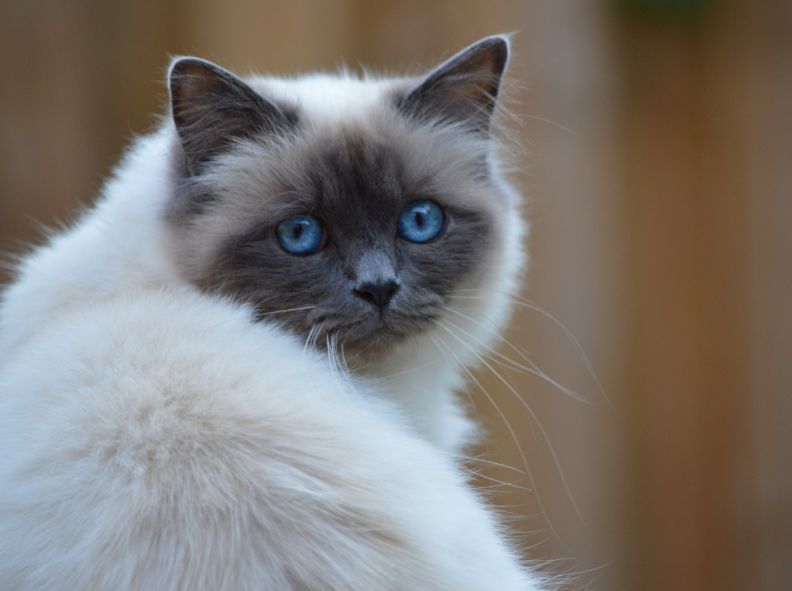
The Birman has a beautiful coat of cream or fawn with darker points on the ears, face, paws, and tail.
2. Affectionate and social
Birmans are known for their loving, affectionate nature and enjoy being around people and other pets.
3. Originated in Burma
The breed is said to have originated in Burma, where it was believed to be the sacred companion of priests.
4. Luxurious coat
Their silky coat does not mat easily, making grooming easier than most long-haired breeds.
5. Blue eyes
Birmans have striking deep blue eyes, which add to their fascinating and charming look.
6. Active and playful
Though calm, Birman cats are also very playful and enjoy interactive toys and games with their owners.
7. Lap cats
Birman cats love to cuddle and are known to be “lap cats,” enjoying sitting on their owners’ laps.
8. Intelligent and trainable
Birmans are highly intelligent and can be taught simple tricks or commands.
9. Great with children and other pets
Birmans are gentle and patient, making them ideal companions for children and other pets in the household.
10. A relatively low-maintenance breed
Despite their long fur, Birmans require minimal grooming, unlike other long-haired breeds that tend to mat more easily.
History and Origin of Birman Cat
The Birman cat breed, domesticated since ancient times and known as the “Sacred Cats of Burma,” originated in Burma (now Myanmar). Their amazing appearance and kind nature make them popular pets around the world.
Physical Features like Coat and Texture of Birman Cat
One feature that sets the Birman cat apart is its beautiful coat. Their coats are fluffy and silky to the touch, and they come in both medium and long lengths. The coat is mostly white, with patches of colour on the ears, cheeks, paws, and tail. These colour patches come in various shades, including lilac, chocolate, seal, blue, and more.
Behaviour and Interaction with Humans of the Birman Cat
Birmans are well known for both their charming appearance and their gentle dispositions. People often describe them as calm, kind, and compassionate cats. Birmans get along well with children and other animals, and they enjoy spending time with their human companions. Although they are not particularly vocal or demanding, they appreciate being involved in family activities and receiving attention. Overall, Birmans make wonderful companions for anyone looking for a loyal and affectionate feline friend.
Fascinating Facts about Birman Cat
Birman cats are renowned for their exquisite looks and kind dispositions. Their distinct qualities have captivated feline enthusiasts worldwide. Below, we will explore some fascinating facts about Birman cats:
Rich History of Birman Cats
The enigmatic origins and rich history of Birman cats, commonly referred to as the “Sacred Cats of Burma,” are well known. According to legend, these cats accompanied monks in Burma (now Myanmar) temples hundreds of years ago. People revered them and believed they brought prosperity and good fortune.
Legends and Myths Surrounding the Breed’s Origins
The introduction of Birman cats to the West did not occur until the early 1900s. A couple, Auguste and Marcelle Gérard, imported two Birman cats to France. They named them “Maldapour” and “Sita.” The European Birman breed was founded on these two cats.
Body Structure and Physical Appearance of the Birman Cat
Birman cats are renowned for their remarkable looks. Their semi-long hair is smooth and pleasant to the touch. Typically, their fur is fawn or cream in colour, with darker patches on their face, paws, tail, and ears. A Birman cat is best known for its intense blue eyes, which people sometimes refer to as “sapphire-like.”
Medium to Large Size and Muscular Build Body
These cats have a muscular frame and a medium-to-large body size. Their face is round, their chin is firm, and their head is large. They also have medium-sized, widely spaced ears.
Intelligence and Trainability of the Birman Cat
Birman cats are known for being kind and loving. Because of their devoted nature, they often follow their owners everywhere. People sometimes describe them as “dog-like” because of this. Birmans build close relationships with their family members and enjoy the company of others. 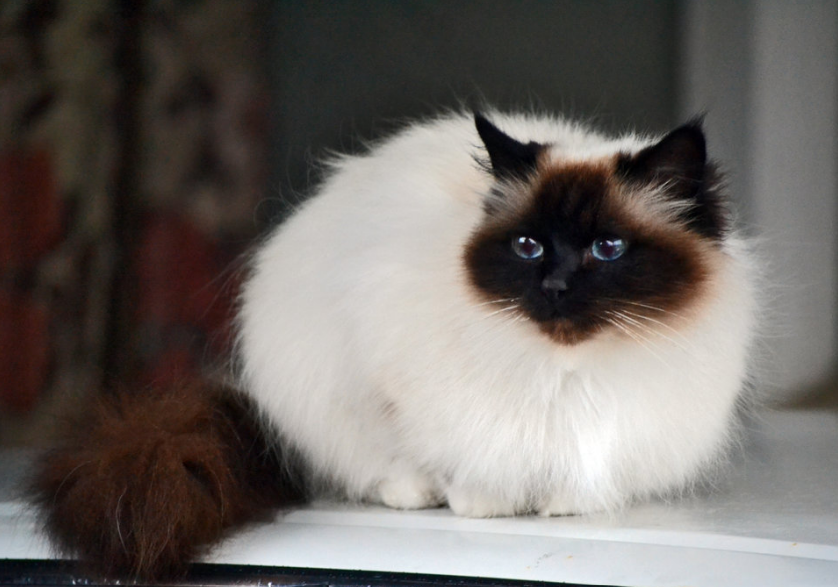
Personality Traits of the Birman Cat
In general, these cats are laid-back and serene. Although they are not as energetic as some other breeds, they still enjoy toys and engaging playtime. In addition to their intelligence, Birmans are easy to teach. They can follow instructions and perform tricks.
Grooming and Caring for a Birman Cat
Birman cats have long lives and are typically in good health. However, like any other cat breed, they can be susceptible to certain health issues. Some of the common health problems that Birmans face include:
Common Health Issues in Birman Cats
Birmans are not exempt from the common cardiac condition known as hypertrophic cardiomyopathy (HCM). A balanced diet and regular veterinary check-ups can help manage this illness. Birmans are also prone to polycystic kidney disease (PKD), much like many other cat breeds. Early detection and routine screening are essential for managing this condition. Obesity is another concern. If Birmans are overfed or do not get enough exercise, they may gain weight.
Health Considerations for Birman Cats
Regular playtime and a well-balanced diet can help prevent obesity. To maintain their best appearance and prevent matting, Birman cats need regular brushing of their semi-long coats. Despite this, they are generally clean cats and take excellent care of themselves.
Potential Owners Can Better Appreciate and Care for These Birman Cats
The Birman cat breed is exceptional. Their exquisite appearance, kind disposition, and intriguing history make them a popular choice among cat enthusiasts. For those seeking a devoted companion or an elegant addition to their home, a Birman cat could be the perfect choice.
FAQ (Frequently Asked Questions) about Birman Cat
Q: What is a Birman Cat?
Ans: The Birman Cat, often referred to as the “Sacred Cat of Burma,” is a striking breed known for its beautiful coat, blue almond-shaped eyes, and affectionate personality. They are medium to large-sized cats with a silky, semi-long coat that comes in a variety of colors, typically with darker points on the ears, face, paws, and tail.
Q: Where did the Birman Cat originate?
Ans: The Birman Cat is believed to have originated in Burma (now Myanmar), where they were revered by temple priests. According to legend, these cats were the companions of priests and were considered sacred. They were eventually brought to France in the 1920s, where the breed was developed further.
Q: What is the temperament of a Birman Cat?
Ans: Birman Cats are known for their friendly, social, and affectionate nature. They are often described as “dog-like” in their loyalty to their human companions. They enjoy being around people and can be quite vocal. Birmans tend to be playful, but they are not overly demanding, making them a great choice for families and individuals alike.
Q: How big does a Birman Cat get?
Ans: Birman Cats are medium to large-sized cats, with males typically weighing between 12 and 16 pounds (5.4 to 7.2 kg), and females weighing slightly less, around 8 to 12 pounds (3.6 to 5.4 kg). They are muscular but elegant cats with a sturdy build.
Q: What kind of coat does a Birman Cat have?
Ans: The Birman has a semi-long, silky coat that is soft to the touch and doesn’t mat easily. Their coat is color-pointed, with darker hues on the ears, face, paws, and tail, while the rest of the body remains lighter in color. Their fur requires regular grooming to keep it looking healthy and shiny.
Q: Are Birman Cats hypoallergenic?
Ans: While Birman Cats are not fully hypoallergenic, they are considered to be a good option for people with mild allergies. They produce fewer allergenic proteins than some other breeds, and their coat sheds less. However, individuals with severe cat allergies should still approach with caution.
Q: How much exercise does a Birman Cat need?
Ans: Birman Cats are moderately active. They enjoy interactive play and will often entertain themselves with toys or games. While they are not overly energetic, they benefit from regular exercise to maintain a healthy weight and muscle tone. They enjoy climbing and exploring, so providing vertical spaces like cat trees can be beneficial.
Q: How long do Birman Cats live?
Ans: Birman Cats typically live between 12 and 16 years, with some living into their 20s. Like all cats, their lifespan can be influenced by genetics, diet, and overall health care. Regular vet check-ups and a healthy lifestyle can help ensure a long, happy life.
Q: Do Birman Cats get along with other pets?
Ans: Yes, Birman Cats are generally sociable and can get along well with other pets, including other cats and dogs, especially if introduced at an early age. They are typically non-aggressive and enjoy the company of other animals as long as they are properly socialized.
Q: How do I care for a Birman Cat’s coat?
Ans: The Birman Cat’s coat requires regular grooming, at least once a week, to prevent tangles and mats. Use a soft brush to comb through their silky fur, paying extra attention to the undercoat and areas that may mat. Regular brushing will help keep their coat shiny and healthy, and it can also reduce shedding.
#BirmanCat, #SacredCatoBurma, #CatBreeds, #FluffyCats, #AffectionateCats, #BlueEyes, #CatLovers, #CatCare, #PetCare, #FelineFriends, #PurringCats
Our sources and references about Birman Cat
1: Wikipedia – Birman
2: Cat Fanciers’ Association – Birman
3: Petfinder – Birman Cat
4: The Cat Site – Birman Cat Breed