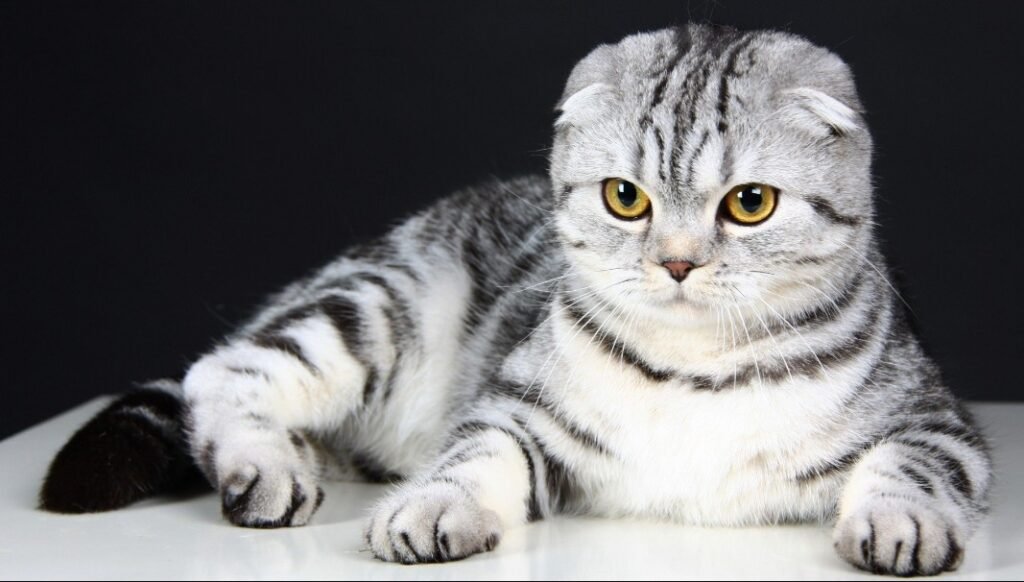
The Scottish Fold Cat is a charming and affectionate breed known for its uniquely folded ears that give it an owl-like appearance. Originating from Scotland, this breed is loved for its sweet demeanor, rounded features, and sociable nature. Scottish Folds adapt well to family life and enjoy human companionship. Whether short-haired or long-haired (known as Highland Fold), these cats make gentle, loyal pets with an easygoing personality that suits various households.
Quick Top 10 Facts about Scottish Fold Cat
| SCIENTIFIC NAME | Felis catus |
| CLASSIFICATION | KINGDOM: Animalia PHYLUM: Chordata CLASS: Mammalia ORDER: Carnivora FAMILY: Felidae BREED: Scottish Fold |
| SIZE | Height: 20–25 cm (8–10 inches) Weight: 2.7–6 kg (6–13 lbs) |
| SPECIES | Domestic cat breed characterized by folded ears due to a genetic mutation. |
| APPEARANCE | Round face, large round eyes, and distinctive forward-folding ears. Coat may be short or long, in various colors and patterns. |
| LIFE SPAN | 11–15 years |
| HABITAT | Domestic environments—adaptable to apartments and houses with calm, consistent routines. |
| DIET | High-quality commercial cat food or veterinarian-approved homemade diets. Requires balanced nutrition with protein and essential nutrients. |
| NATURAL PREDATORS | No natural predators in domestic environments. Vulnerable to large aggressive animals when outdoors. |
| COUNTRY | Scotland (Origin) |
| GESTATION PERIOD | Approximately 63–67 days |
| CONSERVATION STATUS | Not endangered; maintained by controlled breeding programs |
Amazing Facts About Scottish Fold Cat
1. Folded Ears from a Natural Mutation
The distinctive folded ears of Scottish Folds result from a natural genetic mutation that affects cartilage throughout the body.
2. Owl-Like Appearance
Their unique ears combined with a round face and wide eyes give the Scottish Fold an adorable, owl-like look.
3. Highly Social Cats
Scottish Folds love being around people and are known for forming strong bonds with their human companions.
4. Short or Long Hair Options
Scottish Folds can have short or long coats, with the long-haired variety sometimes referred to as the Highland Fold.
5. Prefer Calm Environments
They enjoy peace and routine and may be startled by loud or unpredictable surroundings.
6. Enjoy Sitting Like Humans
Scottish Folds are often seen sitting in upright “Buddha-like” positions, adding to their quirky charm.
7. Not All Have Folded Ears
Some kittens from the same litter may have straight ears if they do not inherit the fold gene.
8. Susceptible to Genetic Conditions
Scottish Folds may develop osteochondrodysplasia, a condition affecting cartilage and bone development, especially in poorly managed breeding.
9. Vocal and Soft-Spoken
They are known for their quiet, gentle voices and expressive meows, often used sparingly.
10. Recognized by Major Cat Associations
Scottish Folds are recognized by cat associations worldwide, including CFA and TICA, although some countries restrict breeding due to health concerns.
Scottish Fold Cats Are a Special and Cute Breed
One of the most unique and endearing cat breeds in the world is the Scottish Fold. These cats have won over many cat lovers worldwide with their distinctive curled ears, round cheeks, and endearing dispositions. They are distinct from other cat breeds due to their unique look and kind nature. The history, physical attributes, personality features, health issues, and maintenance requirements of the Scottish Fold cat will all be covered below:
1. The Origins and History of the Fold Cat in Scotland
Scottish Fold Beginnings: From Susie the Farm Cat
Compared to some of the other cat breeds, the Scottish Fold cat is relatively new, having originated in Scotland in the 1960s. A white farm cat called Susie, who was born with a congenital mutation that caused her ears to fold forward and downward, is credited with laying the groundwork for the breed. Scottish farmer William Ross was drawn to this mutation, and after adopting Susie, he started mating her with other cats to create a new breed that had this special trait.
Breed Development and Recognition
To develop the unique look and characteristics of the breed, the original Scottish Fold cats were crossed with other domestic cats, such as Persians and British Shorthairs. The folded ears became the breed’s defining characteristic after Susie’s discovery, and the breed became well-known in Scotland and elsewhere. Concerns about the health effects of the ear-folding gene caused some controversy in the breed’s early years, but major cat registries like the TICA (The International Cat Association) and the CFA (Cat Fanciers’ Association) have now recognised it.
Popularity and Modern Appeal
These days, the Scottish Fold cat is adored for both its peaceful and loving disposition and its cute, eccentric look. Even though the breed has changed throughout time, cat lovers all around the world still like it because of its distinctive folded ears and kind attitude.
2. Physical Features of the Fold Cat from Scotland
Build and Body Structure
- Size: Scottish Folds have a stocky, well-rounded body and range in size from medium to big.
- Weight: Females typically weigh 6–9 pounds (2.7–4 kg), and males weigh 9–13 pounds (4–6 kg).
- Frame: Their strong bodies are compact and sturdy, yet gentle in appearance due to their rounded shape.
Facial Characteristics and Eye Color
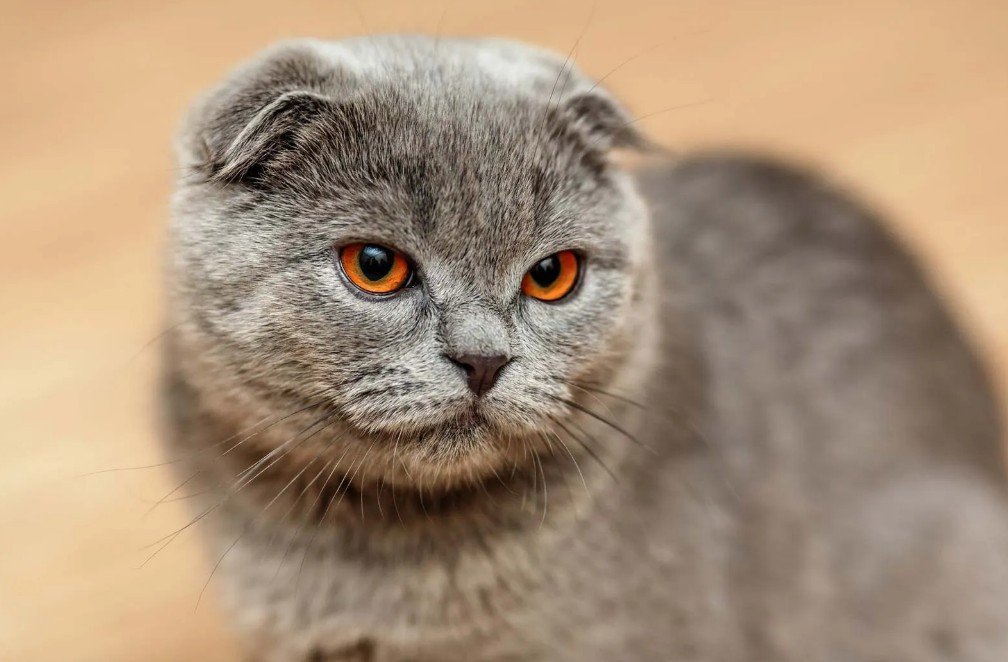
The circular face of the Scottish Fold is one of its most distinguishing characteristics. They have a wide-eyed, expressive appearance that goes well with their mild dispositions because of their big, round eyes. The eyes are usually big and widely apart, and they may vary in colour from golden to green, giving the cat a delicate, kitten-like look. Their rounded image is further enhanced by their somewhat prominent cheekbones and typically wide short nose.
Unique Ear Fold Structure
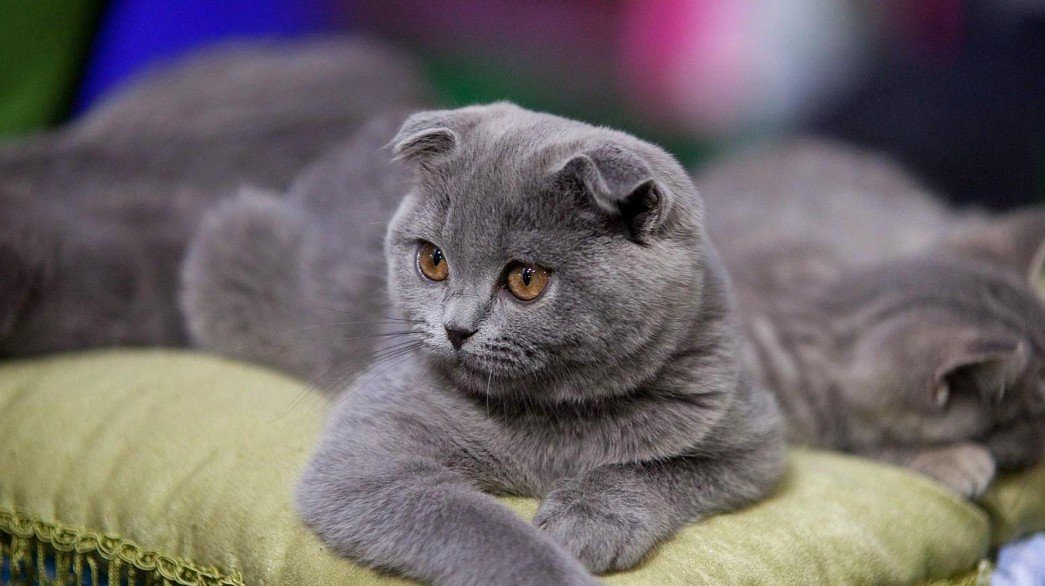
- Folded Ears: The folded ears of the Scottish Fold are its most distinctive feature, giving a rounded and soft appearance.
- Variations: The degree of ear folding varies from cat to cat, ranging from a single fold to multiple folds.
- Genetics: Caused by a genetic mutation that alters cartilage development; some kittens retain straight ears.
Coat Types and Colors
Depending on their genetic heritage, Scottish Folds may have either long or short coats. The short-haired breed has a thick, plush coat, while the long-haired version, known as the Highland Fold, features a medium-length, silky coat that requires more grooming.
- Common Patterns: Solid, tabby, tortoiseshell, and bicolour.
- Typical Colors: Red, blue, cream, white, black, and more.
- Grooming Needs: Short-haired types need minimal grooming; long-haired versions benefit from frequent brushing.
3. Temperament and Personality
Affectionate and Loving Companions
Scottish Folds are known for having gentle, kind, and peaceful dispositions. These cats are especially well-known for being amiable, which makes them great companions for both people and families. They love being around their family members and thrive on social connection. They like spending time with their humans and will often seek out affection and attention, although they are not very demanding.
Lap Cats Who Love to Cuddle
Because of their propensity to snuggle with their favourite persons, they are sometimes referred to as lap cats and have a tendency to develop close relationships with their owners. In search of warmth and company, Scottish Folds will often snuggle up next to their owners and accompany them throughout the home.
Playful Yet Calm Nature
Despite their playful nature, Scottish Folds are not as hyperactive as some other breeds. They like participatory play and are typically more relaxed, although they are also content to merely relax. They have a soft playful attitude and like activities that include toys, puzzles, and light fetching.
Quiet and Expressive Communicators
Although they don’t say much, Scottish Folds like interacting with their owners. Their purring and body language are more likely to convey information than vocalisations, and their meows are gentle and pleasant.
Friendly with Children and Other Pets
Children, pets, and other cats usually get along well with Scottish Folds. They usually get along well with other animals in the home and are gregarious. They are often tolerant of other animals and are less prone to act aggressively because of their placid disposition.
Adaptability in Various Living Environments
They may flourish in a range of settings due to their versatility, including homes with yards and apartments. Despite initially being a little timid, they get along well with strangers and thrive in both crowded and quiet households.
4. Scottish Fold Cat Health and Lifespan
Ear-Related Health Concerns
Although the gene responsible for the ear fold is dominant, it may potentially create health problems. Joint issues and cartilage abnormalities may sometimes result from the ear fold mutation, which is connected to cartilage development. These problems might impact not just the ears but also other body parts.
- Osteochondrodysplasia: The most prevalent disorder linked to folded ears, it may cause joint discomfort, stiffness, and arthritis.
- Variable Risk: Not all Scottish Folds develop this condition, but potential owners should be vigilant and consult with vets.
Overall Health and Longevity
Scottish Folds are generally healthy cats, with the exception of ear-related problems. With the right care, they may live long, healthy lives; some of them live even longer. Their life expectancy is about 12 to 15 years.
- Routine Vet Visits: Essential for early detection and prevention of disease.
- Nutrition: Balanced diet and weight management help reduce health risks.
5. Cleaning and Maintenance
Grooming Needs Based on Coat Type
Short-Haired Scottish Folds
Brushing Scottish Folds with short hair once or twice a week is typically enough to maintain a healthy coat. Regular brushing helps get rid of loose hairs and avoid matting since they have a modest shedding tendency.
Long-Haired Scottish Folds (Highland Fold)
More regular grooming is necessary for the long-haired species, usually every other day or as required. Brushing keeps the coat smooth and clear of mats and tangles, especially behind the ears and under the arms.
General Hygiene and Preventive Care
- Nail Trimming: Regular clipping is recommended to prevent overgrowth.
- Dental Care: Teeth should be cleaned regularly to prevent tartar and gum issues.
- Ear Cleaning: Especially important for folded ears to prevent wax build-up and infection.
Veterinary Monitoring for Joint and Cartilage Health
Frequent veterinary examinations are essential, particularly to keep an eye out for any joint or cartilage problems. Early diagnosis ensures better quality of life and pain management if any symptoms arise.
FAQ (Frequently Asked Questions) about Scottish Fold Cat
Q: What is a Scottish Fold Cat?
Ans: The Scottish Fold is a breed of domestic cat known for its uniquely folded ears, giving it a distinctive appearance.
Q: Are Scottish Fold Cats friendly?
Ans: Yes, they are very affectionate and tend to form strong bonds with their human families.
Q: Do all Scottish Folds have folded ears?
Ans: No, only those that inherit the fold gene express the trait. Others may have straight ears.
Q: Are Scottish Fold Cats healthy?
Ans: While generally healthy, they are prone to joint issues due to the gene that causes ear folding.
Q: How long do Scottish Folds live?
Ans: They typically live between 11 and 15 years with proper care.
Q: What do Scottish Fold Cats eat?
Ans: They eat high-quality cat food, either commercial or homemade with veterinary guidance.
Q: Are Scottish Fold Cats good with other pets?
Ans: Yes, they are usually friendly with other pets if properly introduced.
Q: Do Scottish Fold Cats require special grooming?
Ans: Short-haired Folds need minimal grooming, while long-haired types require more regular brushing.
Q: Why do some breeders avoid Scottish Folds?
Ans: Ethical concerns about breeding-related health issues have led to restrictions in some countries.
Q: Can I keep a Scottish Fold in an apartment?
Ans: Yes, Scottish Folds adapt very well to apartment living and are relatively quiet and clean pets.
#ScottishFold #CatBreed #FoldedEars #CuteCats #CatLovers #PetCare #HighlandFold #OwlCat #CatFacts
Our sources and references about Scottish Fold Cat
1: Wikipedia – Scottish Fold
2: The Spruce Pets – Scottish Fold
3: PetMD – Scottish Fold
4: CFA – Scottish Fold Breed Profile