Seals are a group of marine mammals found along coastlines and in oceans worldwide. These aquatic animals are well-known for their sleek, streamlined bodies, which are perfect for swimming. Seals belong to the family Phocidae and are closely related to sea lions and walruses. They are highly adapted for life in the water, with flippers that help them move swiftly through the ocean. Seals can be found in a variety of environments, from icy polar waters to temperate seas. There are several species of seals, each with unique characteristics and behavior patterns.
| SCIENTIFIC NAME | Phocidae |
| CLASSIFICATION | KINGDOM: Animalia PHYLUM: Chordata CLASS: Mammalia ORDER: Carnivora FAMILY: Phocidae |
| SIZE | Varies by species: Length: 1.2–3 meters (4–10 feet); Weight: 50–1,000 kg (110–2,200 lbs) |
| SPECIES | Common Seal (Phoca vitulina), Elephant Seal (Mirounga spp.), Weddell Seal (Leptonychotes weddellii), and many others |
| APPEARANCE | Seals have a cylindrical body covered with smooth fur. They have flippers that allow them to swim gracefully through the water, and some species have distinctive markings or large size differences, like the Elephant Seal. |
| LIFE SPAN | Varies by species: Typically 20–30 years |
| HABITAT | Seals are found in both cold and temperate seas. Some species live on ice floes, while others live in more temperate coastal regions. |
| DIET | Seals primarily eat fish, squid, and other marine animals. Some species, like the Leopard Seal, are known to prey on penguins and other seals. |
| NATURAL PREDATORS | Seals are preyed upon by killer whales, sharks, and polar bears (in the Arctic). They must be cautious in both the water and on land. |
| COUNTRY | Found in oceans and along coasts worldwide, including the Arctic, Antarctic, and temperate waters. |
| GESTATION PERIOD | Varies by species: Typically 9–12 months |
| CONSERVATION STATUS | Varies by species: Some species, like the Monk Seal, are endangered, while others have stable populations. |
Amazing Facts About Seal
1. Excellent Swimmers
Seals are highly adapted for swimming and can move at speeds of up to 25 miles per hour (40 km/h) in the water. Their flippers and streamlined bodies make them agile and efficient hunters.
2. Great Divers
Seals can dive to impressive depths in search of food. Some species, like the Elephant Seal, can dive to depths of over 5,000 feet (1,500 meters) to find food.
3. Playful Nature
Seals are known for their playful behavior. They often engage in “porpoising” (leaping out of the water) and will play with each other and with objects in the water, such as kelp or seaweed.
4. Breathing Experts
Although seals are mammals and need to breathe air, they are capable of holding their breath for several minutes at a time while hunting or diving underwater.
5. Social Animals
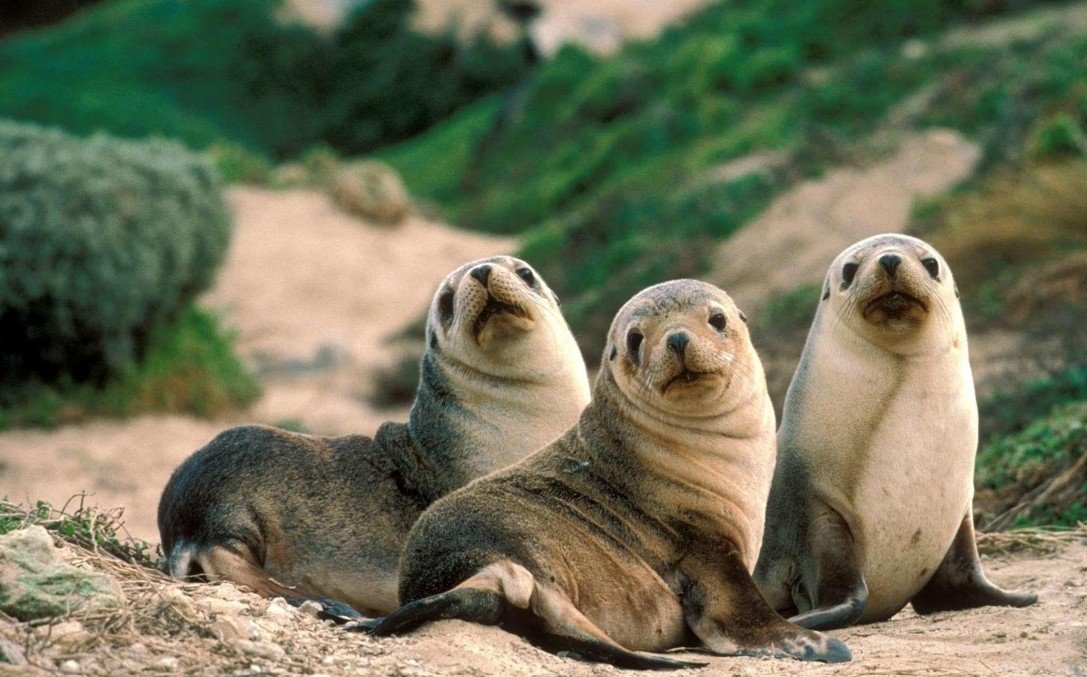
Many species of seals are social animals and live in large colonies. These colonies can be made up of hundreds or thousands of individuals, depending on the species.
6. Harsh Habitat Survivors
Seals are resilient animals that can survive in some of the harshest environments on Earth, from the icy waters of the Arctic to the warm shores of tropical regions.
7. Seal Pups
Seal pups are born on land or ice floes and are cared for by their mothers. They are often nursed for several weeks before learning to swim and hunt on their own.
8. Their Ears are Adapted for Water
Unlike land mammals, seals have external ear flaps that are small or absent, helping to streamline their bodies for efficient swimming.
9. Highly Sensitive Whiskers
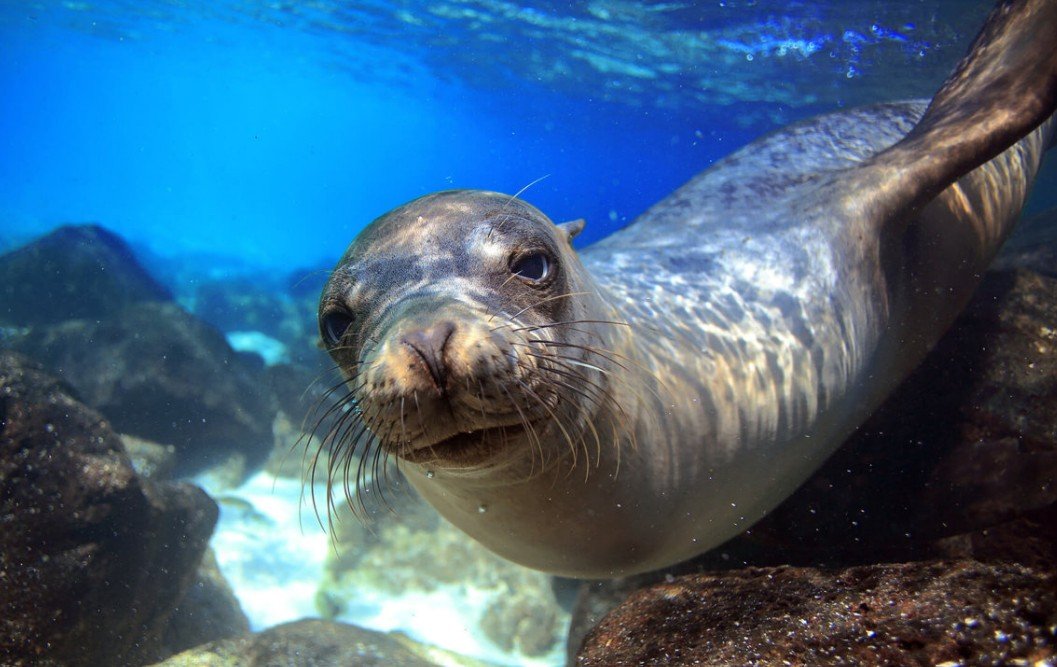
Seals have long, sensitive whiskers (vibrissae) that help them navigate in dark or murky waters. These whiskers are used to detect vibrations and locate prey.
10. Unique Communication
Seals communicate through a variety of vocalizations and body language. They can make barking sounds, growls, and other noises, especially when in large groups.
Seals: Intriguing Oceanic Marine Mammals
A species of aquatic animals, seals are distinguished by their sleek body, playful nature, and extraordinary swimming prowess. They belong to the pinniped family, which also contains real seals, walruses, and sea lions. Seals are extremely adaptable to living in and out of water since they have evolved to thrive in aquatic habitats. Below we will explain why seals are among the most fascinating animals in the marine environment by examining their biology, behaviour, ecology, and conservation situation.
1. The Physical Attributes of Seals
Seals are renowned for having unique body shapes that are ideal for their underwater way of existence. They can flourish both on land and in the water thanks to a number of adaptations.
Body Composition of Seals
Seals can travel across the ocean more effectively because of their streamlined bodies, which lower water resistance. They can better control their body temperature in chilly waters because to the insulation provided by their large fur coats and fat layer.
- Flippers: Seals have flippers in place of legs, unlike terrestrial animals. While their rear flippers are smaller and serve as rudders to aid in steering, their large, wing-like front flippers provide them with strong swimming propulsion.
- Ear Structure: One feature that sets seals apart from sea lions is the absence of external ear flaps. Rather, they have tiny ear holes that shut when they’re immersed.
Dimensions and Mass of Seals
Larger species like the elephant seal may grow up to 6 meters (20 feet) and weigh more than 2,200 kilogrammes (4,850 pounds), while smaller species like the harbour seal can reach lengths of up to 1.8 meters (6 feet) and weights of up to 130 kilogrammes (290 pounds). Seals’ weight and size are intimately correlated with their lifestyle and environment. In colder areas, where their size aids in insulation and energy storage, larger seals are more likely to reside.
Colours and Camouflage
Some types of seals have patches or patterns on their fur, and seals come in a variety of colours, usually ranging from light grey and brown to deeper hues. Whether they are integrating into frigid seas or rocky coasts, these variances aid in their ability to blend in with their natural surroundings.
2. Seal Habitat and Distribution
Both cold and temperate seas, as well as certain warmer regions, are home to seals. Depending on the species, they live in seas, rivers, and oceans.
Worldwide Distribution of Seals
The Arctic, Antarctic, and temperate parts of the Northern and Southern Hemispheres are among the cooler seas where true seals are often found. Although some species travel great distances for eating or reproducing, they are usually non-migratory.
- Warm Region Habitats: Warmer regions, including the coastlines of California, New Zealand, and the Galápagos Islands, are home to more sea lions and walruses. It is also known that these pinnipeds travel and establish sizable colonies on rocky coastal regions or beaches.
- Global Presence: Because of their versatility, seals may be found on every continent, from the warm coastal areas of the equator to the frigid seas of the poles.
Coastal Environments and Haul-Out Sites
Seals may haul out on land to rest, breed, and give birth, which is why they are usually found around coastal places. They often like beaches, sandbars, rocky shorelines, and ice floes.
- Resting and Moulting: After spending a lot of time hunting underwater, several species utilise the haul-out sites of seals as places to rest. Because seals need time to moult their fur, warm themselves, and tend to their young, these locations are essential to their survival.
3. Seal Diet and Feeding
Carnivorous in nature, seals mostly consume fish, squid, and other marine life. Depending on the species and the habitat they inhabit, they have different hunting and eating strategies.
Nutritional Preferences of Seals
It is well known that true seals, such as harbour seals and ringed seals, hunt in shallow waters and consume tiny fish, crustaceans, and invertebrates. They use their whiskers to sense vibrations in the water and find prey.
- Apex Predators: As apex predators, larger species like the leopard seal consume fish, krill, penguins, and other seals.
- Opportunistic Feeding: As opportunistic feeders, certain seals, such as the grey seal, may hunt a range of species based on the food supply.
Hunting Methods of Seals
Seals are expert hunters that use their keen sense of hearing and swimming prowess to find prey. When looking for food, they can hold their breath for many minutes and dive to vast depths.
- Predation Strategy: To capture their food, seals usually use stalking or ambush strategies. Using their strong flippers to move through the water, they outmanoeuvre fish and other prey by being quick and nimble.
4. Life Cycle and Reproduction of Seals
Depending on the species, seals have different life cycles and an interesting reproductive system.
Seasons for Breeding
Since food is plentiful and the temperature is more conducive to giving birth, the majority of seals reproduce during the summer. On land or ice floes, females breed and give birth to a single pup following a gestation period of around nine to twelve months. In several species, implantation is delayed in order to align the birth with resource availability.
Pups and Growth
In order to remain warm in the chilly waters, seal pups are born with a beautiful coat of lanugo, which is soft, thick fur. Rich, fatty milk is fed to the pups by their moms, promoting rapid growth.
- Weaning and Independence: Although the growth of pups varies by species, most pups are weaned and start exploring the waters independently within a few weeks. The majority of seals do not start hunting on their own until they are a few months old.
Duration of Life
The species of seal determines its longevity. Although some bigger species, like the elephant seal, may live up to 40 years, most seals only survive 20 to 30 years. Seals’ longevity in the wild may be shortened by a variety of dangers, including sickness, human activity, and predators.
5. Social Structure and Behaviour of Seals
Despite being solitary creatures, seals are well-known for their playful and gregarious behaviours. The species and environment have an impact on their social systems.
Social Conduct
Since they are more solitary, true seals are often seen relaxing by themselves on beaches or rocks. Nonetheless, during the mating season, several species, such as the harbour seal and grey seal, establish tiny colonies where they congregate to rest and give birth.
- Colonial Life: Sea lions, on the other hand, are more gregarious and may establish large colonies with thousands of members. Males create territories, engage in dominance struggles, and defend their females in these colonies, which are often located in rookery locations along the coast.
- Playfulness: Seals are often seen playing in the water, swimming quickly and doing acrobatic feats with their agility.
Interaction and Communication
Seals use a variety of vocalisations to communicate, such as high-pitched whistles, growls, grunts, and barking. These noises are used for group coordination, mating calls, and distress signals.
- Visual Cues: Additionally, some species interact with other seals by visual cues such body position or tail motions.
6. Threats and the Status of Conservation
Seal populations throughout the world are being impacted by a number of challenges. Some species are declining as a result of pollution, climate change, habitat loss, and human meddling.
Principal Dangers Facing Seals
- Climate Change: Seals that depend on frozen habitats for mating and resting are under risk due to decreasing sea ice and rising ocean temperatures. Particularly at risk from these changes are species like the harp seal and the polar bear.
- Ocean Pollution: Ocean pollution, which includes chemical pollutants, oil spills, and plastic waste, has an impact on seals. These contaminants have the potential to impair reproductive systems, reduce food availability, and create health issues.
- Overfishing and Hunting: Historically, seals have been hunted for their flesh, fat, and fur. Despite a decrease in hunting, accidental capture in fishing nets continues to endanger some species.
Conservation Initiatives for Seals
- Legal Protection: International agreements such as the Marine Mammal Protection Act and CITES (Convention on International Trade in Endangered Species) provide protection for a large number of seal species.
- Marine Protected Areas: The establishment of marine protected areas (MPAs) aims to conserve crucial seal habitats, including haul-out and nesting grounds.
- Research and Monitoring: Researchers and organisations are attempting to address the effects of climate change on seal habitats, minimise bycatch, and monitor seal numbers.
FAQ (Frequently Asked Questions) about Seal
Q: What is a seal?
Ans: A seal is a marine mammal known for its streamlined body, flippers, and ability to swim efficiently in water. They are found in oceans and coastal regions worldwide.
Q: What do seals eat?
Ans: Seals primarily feed on fish, squid, and other marine creatures. Some species, such as the Leopard Seal, will hunt penguins and even other seals.
Q: How long do seals live?
Ans: The average lifespan of a seal is between 20–30 years, though it varies by species.
Q: Are seals endangered?
Ans: While some species of seals, such as the Mediterranean Monk Seal, are endangered, many others have stable populations. Conservation efforts are essential for those at risk.
Q: Can seals live in both cold and warm waters?
Ans: Yes, seals are found in both cold Arctic waters and warmer temperate seas. Some species are adapted to life in icy environments, while others thrive in milder waters.
Q: How deep can seals dive?
Ans: Seals are excellent divers, with some species capable of diving to depths of over 5,000 feet (1,500 meters) in search of food.
Q: How do seals communicate?
Ans: Seals communicate through a variety of vocalizations, including barking, growling, and whistling sounds. They also use body language to express themselves.
Q: Do seals live in colonies?
Ans: Many species of seals live in large colonies, which can consist of hundreds or even thousands of seals, depending on the species.
Q: How do seals stay warm in cold water?
Ans: Seals have a thick layer of blubber beneath their skin that helps insulate them from the cold and provides buoyancy in the water.
Q: Can seals be kept as pets?
Ans: No, seals are wild animals and should not be kept as pets. They are adapted to life in the wild and require a specific habitat to thrive.
#Seals #MarineMammals #AquaticLife #SealPups #SealFacts #Conservation #Wildlife #SealDiving #OceanLife #MarineEcosystems
Our sources and references about Seal
1: Wikipedia – Seal
2: National Geographic – Seal
3: Britannica – Seal
4: WWF – Seal