Quick Top 10 Facts about Bloodhound Dog
| SCIENTIFIC NAME | Canis lupus familiaris (Domestic Dog) |
| CLASSIFICATION | KINGDOM: Animalia PHYLUM: Chordata CLASS: Mammalia ORDER: Carnivora FAMILY: Canidae GENUS: Canis SPECIES: Canis lupus BREED: Bloodhound |
| SIZE | Large-sized dog, typically weighing between 80-110 pounds (36-50 kg) |
| HABITAT | Primarily kept as a working dog in various environments, including forests, fields, and homes |
| DIET | Omnivorous, typically eating high-quality dog food formulated for large breeds |
| SPECIES | Bloodhound is a specific breed of dog, well-known for its exceptional sense of smell |
| COUNTRY | Originated in Belgium and France, now found globally |
| GESTATION PERIOD | Approximately 63 days (about 2 months) |
| LIFE SPAN | 10-12 years on average |
| CONSERVATION STATUS | Not endangered; Bloodhounds are commonly kept as working dogs and pets |
Amazing Facts About Bloodhound Dog
1. Bloodhounds have an exceptional sense of smell
Bloodhounds are renowned for their powerful noses, capable of tracking scents over long distances and identifying specific scents that are days old.
2. They are often used in search and rescue missions
Due to their incredible scent detection abilities, Bloodhounds are frequently employed by law enforcement agencies to track missing persons and criminals.
3. Bloodhounds were originally bred for hunting
Bloodhounds were initially bred to track and hunt large game like deer and wild boar, thanks to their strong sense of smell and stamina.
4. They have droopy ears and wrinkled skin
Their large, drooping ears and wrinkled skin help direct scents toward their noses, enhancing their tracking abilities.
5. Bloodhounds have been used in forensic science
Their ability to track scents has led to their involvement in criminal investigations, with their scent-tracking testimony sometimes being used in court.
6. They have a strong work ethic
Bloodhounds are known for their determination and drive when tracking scents, and they often won’t stop until they’ve found the source.
7. They are excellent family pets
Despite their working dog background, Bloodhounds are gentle and affectionate with family members, making them loyal companions.
8. Bloodhounds are one of the oldest dog breeds
The breed has been around for over 1,000 years and has been prized for its tracking abilities since medieval times.
9. They are very intelligent
Although they are highly skilled trackers, Bloodhounds can also be independent thinkers, which sometimes leads to stubbornness.
10. Bloodhounds are great with children and other animals
They are generally very social dogs that get along well with children and other pets, especially when properly socialized from an early age.
Unique characteristics and abilities of Bloodhounds
One canine breed that is well-known for its remarkable tracking skills is the bloodhound. They are said to possess one of the greatest senses of smell of any dog breed. Because of this, they make fantastic search and rescue dogs and important tools for police enforcement. Because bloodhounds can follow scent trails over great distances, they have been employed for generations to find missing people and criminals.
Appearance of Bloodhound dogs and specific physical traits
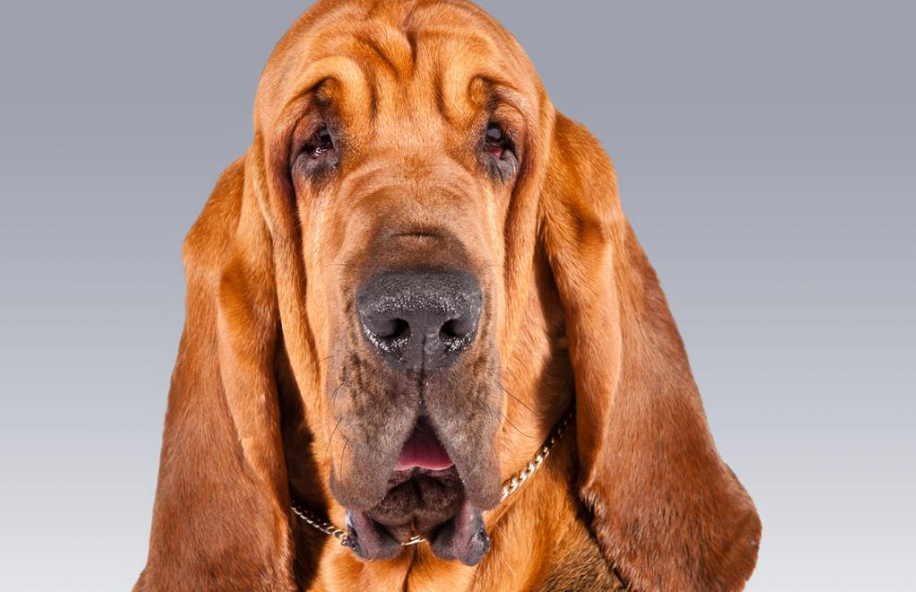
The drooping, wrinkled skin and large, floppy ears of bloodhounds are two of their most characteristic characteristics. These physical attributes have a function rather than being just decorative. The bloodhound can more easily identify and follow a trail because of the loose skin’s ability to catch smell particles. The dog’s long ears aid in directing odours towards its nose, which contributes to its tracking ability. Because of their distinctive physical characteristics, bloodhounds are very good at following smells and differentiating between odours.
Bloodhound dogs interact with people and other pets
Because of their mild and amiable disposition, bloodhounds make excellent family pets. They get along well with kids and other animals, despite their size. It’s crucial to remember, however, that bloodhounds are scent-driven animals and are often sidetracked by novel scents. They thus need a safe, fenced-in space to keep them from straying off their scent route. Furthermore, prospective owners should be aware that bloodhounds sometimes snore and drool, so they should be prepared for these traits. All things considered, bloodhounds are keen, devoted, and intelligent canines that are excellent trackers and wonderful companions.
Fascinating facts about Bloodhounds
The Bloodhound is a magnificent breed of dog distinguished by its superb tracking skills and kind disposition. This breed’s history is lengthy and illustrious, having roots in antiquity.
History and Origins:
It is said that the bloodhound first appeared in ancient Egypt, where they were highly valued for their remarkable sense of smell. Later, monks carried them to Europe, where they continued to flourish as a breed in France and England. It is believed that the French phrase “Chien de Saint-Hubert,” which honours the patron saint of hunters, is where the name “Bloodhound” first appeared.
Bloodhounds have been used for many different tasks throughout history, such as search and rescue missions, game tracking, and hunting. They are a great help with these chores because of their strong sense of smell and perseverance.
Characteristics and appearance:
Large, strong canines with a unique look are called bloodhounds. They feature a long, drooping tail, droopy ears, and a wrinkled face. Their expressive, deep-set eyes convey their kind and perceptive personality. The strongest characteristic of the breed is its nose, which has a large range of smell detection abilities.
Size, coat colour, and distinctive features:
These dogs have a short, thick coat that comes in a variety of colours, such as red, liver and tan, and black and tan. Bloodhounds are renowned for having a kind and amiable temperament, despite their large stature. They get along nicely with kids and other pets, and they are devoted and loving.
Monitoring Skills:
The tracking prowess of the Bloodhound is renowned. They can detect even the smallest scent trails since their sense of smell is said to be up to 1,000 times stronger than a human’s. Because of this, they are very successful in finding missing people, runaways, and misplaced animals.
Smelling Power of Bloodhound:
Bloodhounds are very focused and determined when they are following a scent. Using their keen sense of smell, they track the scent all the way to the ground, deciphering and interpreting the scents they encounter. Their tracking skills have been crucial in finding missing people and solving many criminal cases.
Instruction and guidance:
Bloodhound training calls for perseverance and constancy. They may sometimes get easily sidetracked during training sessions by intriguing odours because of their acute scent drive. Treats and other forms of positive reinforcement are most effective when used with this breed. It is crucial to begin training and socialisation at an early age in order to guarantee that your dog will grow up to be obedient and well-behaved.

Socialisation and Interaction:
Exercise is essential for keeping bloodhounds intellectually and physically active. Their general health depends on regular walks, plays, and activities that use their sense of smell. To keep them healthy, it’s also essential to provide them with a balanced diet and give them regular veterinarian treatment.
Loyalty and intelligence:
The Bloodhound is an amazing breed with a long history and superb tracking skills. They are wonderful family pets and the perfect search and rescue partner because of their gentle disposition and keen sense of smell. For those seeking a canine companion with a regal lineage and a reputation for loyalty and intelligence, the bloodhound may be the ideal breed.
FAQ (Frequently Asked Questions) about Bloodhound Dog
Q: What is a Bloodhound?
Ans: The Bloodhound is a large breed of dog known for its incredible sense of smell and tracking abilities. Originally bred for hunting and tracking, the Bloodhound is used in search-and-rescue operations, as well as for law enforcement purposes due to its unmatched ability to track scents over long distances.
Q: What does a Bloodhound look like?
Ans: Bloodhounds are large dogs with a distinctive appearance. They have a wrinkled face, droopy ears, and a long, muscular body. Their coat is short, and they come in a variety of colors including black and tan, liver and tan, or red. They are known for their expressive, droopy eyes and their loose, wrinkled skin, particularly around the face and neck.
Q: What is the Bloodhound’s sense of smell like?
Ans: The Bloodhound is famous for its remarkable sense of smell, which is considered one of the most powerful in the dog world. It is believed that a Bloodhound can follow a scent trail that is several days old, and they can track over many miles, making them invaluable in search-and-rescue operations and criminal investigations.
Q: How do Bloodhounds track scents?
Ans: Bloodhounds track scents by following the unique chemical composition of an individual’s scent trail. They have highly developed scent receptors in their noses, and their large, droopy ears and wrinkles help keep the scent closer to their face while they work. Their long legs allow them to cover large distances while tracking scents.
Q: Are Bloodhounds good family pets?
Ans: Bloodhounds can make excellent family pets if given enough exercise and mental stimulation. They are affectionate, loyal, and friendly dogs, but they do have strong tracking instincts, which may lead them to follow scents if not properly trained. Bloodhounds require a lot of space, daily exercise, and plenty of training to be well-behaved in a home environment.
Q: How much exercise does a Bloodhound need?
Ans: Bloodhounds are an active and energetic breed, so they require regular exercise to stay healthy and happy. Daily walks, runs, or playtime in a securely fenced yard are important. They have a lot of stamina and can go for long periods of time when working, so they need to be mentally and physically engaged to avoid boredom and destructive behavior.
Q: Are Bloodhounds easy to train?
Ans: While Bloodhounds are intelligent and eager to please, they can be somewhat independent and stubborn, which can make training a challenge. Their natural instincts, especially their strong scent-tracking drive, may sometimes distract them. Positive reinforcement training techniques, along with consistency and patience, are key to successful training.
Q: Do Bloodhounds shed a lot?
Ans: Bloodhounds shed a moderate amount of hair. They have a short coat, but regular brushing will help manage shedding and keep their coat healthy. They also tend to drool, which is a characteristic of the breed, so it’s important to keep a towel handy to wipe their face after eating or drinking.
Q: What is the lifespan of a Bloodhound?
Ans: The average lifespan of a Bloodhound is about 10 to 12 years. With proper care, a healthy diet, and regular veterinary checkups, Bloodhounds can live a long, happy life. Like many larger breeds, they can be prone to certain health conditions such as hip dysplasia, so regular exercise and maintaining a healthy weight are important.
Q: Are Bloodhounds good with other pets?
Ans: Bloodhounds can be good with other pets, especially if raised together. However, due to their strong hunting instincts, they may not get along well with smaller animals such as rabbits or rodents. Socialization and training from an early age are important for ensuring that Bloodhounds are well-behaved around other pets and animals.
Q: How do Bloodhounds contribute to law enforcement?
Ans: Bloodhounds have been used in law enforcement for centuries due to their exceptional tracking abilities. They are often called in to assist in locating missing persons or to track down criminals based on scent. Their ability to follow a scent trail for miles, even over difficult terrain, makes them a valuable resource in criminal investigations and search-and-rescue operations.
#Bloodhound, #TrackingDog, #Hound, #SearchAndRescue, #DogLovers, #FamilyPets, #DogTraining, #ScentTracking, #PoliceDog, #LoyalDog, #DroolyDog, #BloodhoundBreed
Our sources and references about Bloodhound Dog
1: Wikipedia – Bloodhound
2: American Kennel Club – Bloodhound
3: DogTime – Bloodhound Breed Information
4: PetFinder – Bloodhound