The Yakutian Laika is a dog breed from Siberia, Russia. It is known for its stamina and resilience in harsh cold climates. This breed was originally used for herding reindeer and hunting large game, such as bears and moose. The Yakutian Laika is an intelligent and active dog, suited for working in extreme temperature.
Quick Top 10 Facts about Yakutian Laika
| SCIENTIFIC NAME | Canis lupus familiaris |
| CLASSIFICATION | KINGDOM: Animalia PHYLUM: Chordata CLASS: Mammalia ORDER: Carnivora FAMILY: Canidae GENUS: Canis SPECIES: C. lupus SUBSPECIES: C. l. familiaris |
| SIZE | Height: 21–23 inches (53–58 cm); Weight: 40–55 lbs (18–25 kg) |
| HABITAT | Originally from the Yakutia region of Siberia; adapted to cold, snowy climates |
| DIET | Omnivorous; typically fed high-protein diets including meat, fish, and commercial dog food |
| BREED | Yakutian Laika, a working and sled dog breed known for endurance and loyalty |
| COUNTRY | Russia (Siberia – Yakutia region) |
| GESTATION PERIOD | About 63 days |
| LIFE SPAN | 10–14 years |
| CONSERVATION STATUS | Not endangered; considered a rare breed outside of Russia |
Amazing Facts About Yakutian Laika
1. Bred for Arctic conditions
The Yakutian Laika was developed by the Yakut people to work in extremely cold environments.
2. Versatile working dog
They are used for herding, sled pulling, hunting, and as family companions.
3. Thick double coat
Their dense fur provides insulation against freezing temperatures and harsh climates.
4. Excellent sled dogs
They have a strong build and high stamina, making them ideal for pulling sleds over long distances.
5. Ancient breed
The Yakutian Laika has been around for centuries, with archaeological evidence suggesting their use over 800 years ago.
6. Strong bond with humans
They are loyal and affectionate, forming close bonds with their families and handlers.
7. Highly intelligent
Yakutian Laikas are smart, trainable, and responsive to commands, especially in working environments.
8. Vocal communicators
They are known for being expressive and often “talk” or howl to communicate.
9. Rare outside Russia
Although gaining attention internationally, they remain a rare breed in most parts of the world.
10. Great with children
With proper socialization, they are gentle and patient with kids, making them excellent family dogs.
Introduction to the Laika Yakutian: The Hardy Siberian Working Dog
The Yakutian Laika originates from the Sakha Republic (also called Yakutia), a region in Siberia, Russia, known for its extremely cold winters. This extraordinary breed of dog has historically been used for various tasks, including herding, sledding, and hunting. Known for its strength, resilience, and ability to thrive in freezing climates, the Yakutian Laika represents the survival and adaptation of the Siberian people. In this article, we will explore why the Yakutian Laika is regarded as one of the hardiest and most adaptable dog breeds in the world by examining its history, physical characteristics, temperament, uses, and maintenance.
The History and Origins of the Yakutian Laika
The Yakutian Laika has a long and rich history in the isolated, harsh environments of Siberia. The breed’s ancestors are believed to be the Sakha people, who have lived on the Siberian tundra for thousands of years. The survival of the Sakha people in this frigid environment, where they relied on these dogs for essential tasks, is closely connected to the breed’s history.
Connection to the Laika Family of Dogs
The Laika family, which includes the Yakutian Laika, consists of working breeds native to the Russian Federation. Laika breeds, such as the Russian-European Laika and the Siberian Husky, are primarily used for hunting, herding, and sledding. However, the Yakutian Laika stands out among other Laika breeds due to its ability to endure severe cold.
Historical Roles in Siberian Culture
Historically, the native people of Siberia used Yakutian Laikas for hunting large game such as bears, deer, and elk. These dogs also played a vital role in herding reindeer and were essential for sledging people and goods across the freezing tundra. The breed is considered one of the toughest dog breeds in the world because of its perseverance and ability to work in extreme environments.
Modern-Day Rebirth of the Yakutian Laika
In the early 20th century, the breed faced the threat of extinction due to the rise of agriculture, urbanisation, and the decline of traditional lifestyles in the region. However, since the 1990s, conservation efforts have led to a resurgence of the Yakutian Laika, both in its native Siberia and beyond.
Physical Attributes of the Yakutian Laika
The medium-sized Yakutian Laika has been developed to endure extremely cold weather. Its thick double coat provides excellent protection against the cold, making it ideally suited to the icy Siberian winters. The undercoat is thick, woolly, and velvety, while the outer coat is long, straight, and dense. Thanks to this double coat, the Yakutian Laika can withstand temperatures as low as -50°C (-58°F), helping it regulate its body temperature in harsh conditions.
Yakutian Laika Size and Physical Build
The breed has a compact and muscular build, with a strong, robust frame that supports endurance and agility. Females are typically smaller, weighing between 15 and 18 kilograms (33 to 40 pounds), while adult males usually weigh between 18 and 22 kilograms (40 to 50 pounds). The Yakutian Laika has an athletic, balanced body that enables it to perform a wide variety of tasks. Its shoulder height ranges from 48 to 60 centimetres (19 to 24 inches).
Distinctive Features of the Yakutian Laika
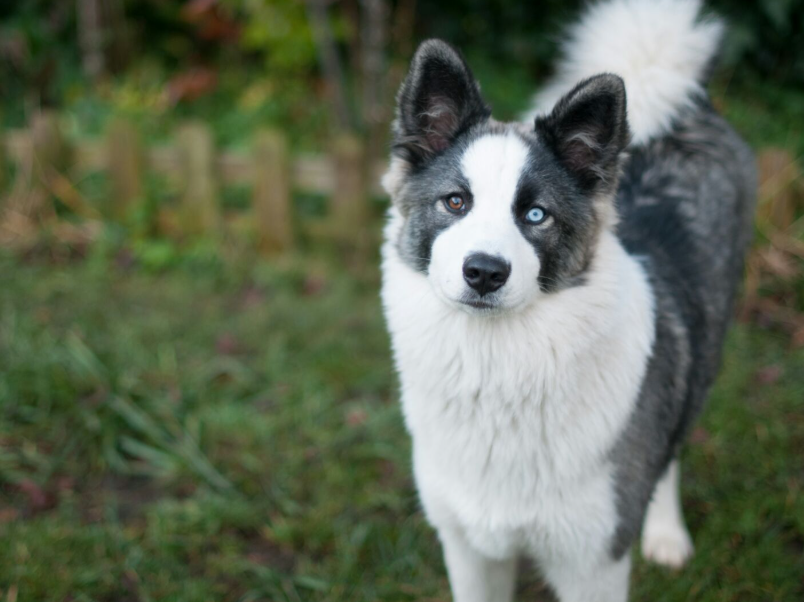
One of the Yakutian Laika’s most distinctive features is its fox-like appearance, which includes almond-shaped eyes, pointed ears, and a wedge-shaped skull. The breed’s alertness and intelligence are reflected in its eyes, which are usually amber or brown with a sharp, watchful expression. Another distinctive feature is its broad, fur-covered tail, which often curves elegantly over its back.
Coat Colour and Camouflage Capabilities
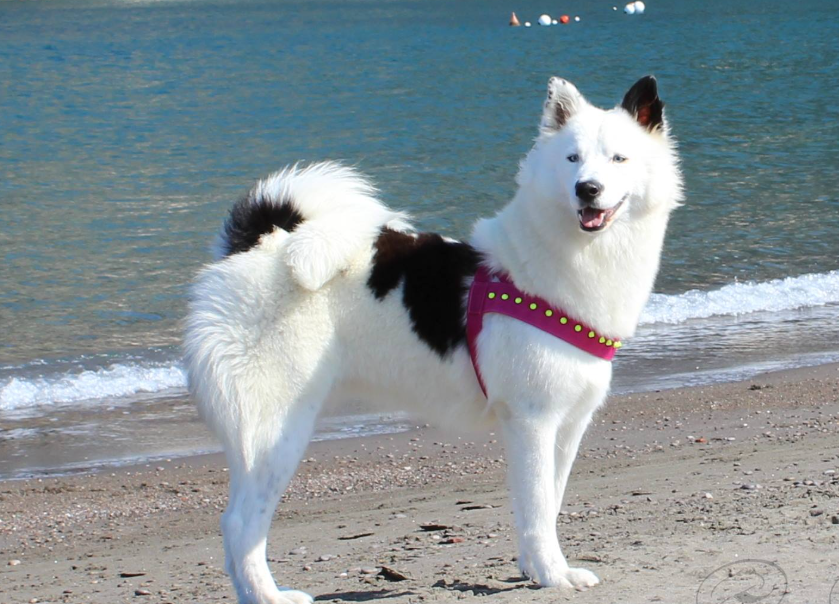
The coat colour of the Yakutian Laika can vary, but it is typically white with markings ranging from black to grey to brown to tan. This coat colour allows the breed to blend into its snowy surroundings, offering both warmth and camouflage.
Behavior and Temperament of the Yakutian Laika
The Yakutian Laika is known for being energetic, independent, and strong-willed. This breed is an excellent choice for people with active lifestyles, as it is a working dog that is intelligent and responsive to commands. Despite its independent nature, the Yakutian Laika is devoted, loving, and protective of its family and territory.
Training and Obedience Challenges
Although the Yakutian Laika is highly trainable, it requires an experienced owner who understands the needs of working dogs. Due to its independent tendencies, it may not always respond to commands immediately. With consistent training and encouragement, however, it can become a well-behaved and obedient companion.
Hunting and Prey Drive in the Yakutian Laika
The Yakutian Laika is an excellent hunter, with a strong prey drive. Its natural instincts for tracking and retrieving make it ideal for hunting and pursuing wildlife. Due to this innate hunting tendency, it might view smaller pets as prey, which can make it challenging to keep with other small animals in the home.
Socialising the Yakutian Laika with Family and Children
The Yakutian Laika is a sociable dog that enjoys being part of a family. It generally gets along well with children and can be a loving and fun companion. Early socialisation and training are crucial to ensure that the dog develops into a well-rounded companion, as its independent nature may make it less eager to please than some other breeds.
Applications of the Yakutian Laika
The Yakutian Laika has been used for various purposes throughout history, thanks to its strength, endurance, and versatility. Traditionally, the breed served as a sled dog, transporting people and goods across the frozen Siberian tundra. Its exceptional stamina, agility, and ability to work in freezing conditions made it ideal for this task.
Yakutian Laikas in Hunting
In addition to their work as sled dogs, Yakutian Laikas have been used for hunting and herding. They are commonly employed by native hunters in Siberia for hunting large animals, such as elk, deer, and wild boar. Their powerful tracking instincts and acute sense of smell make them excellent at finding and pursuing prey.
Herder and Shepherd Capabilities of the Yakutian Laika
The breed has also been used to herd reindeer, which is a key part of the Sakha people’s nomadic lifestyle. Yakutian Laikas make excellent shepherd dogs because they are naturally inclined to herd and are fiercely protective of their flock.
Modern Use of Yakutian Laikas as Pets
In some areas, particularly in Siberia, Yakutian Laikas are still used for their traditional purposes. However, they are increasingly kept as family pets and companion animals. Their intelligence, loyalty, and adaptability make them great pets for active individuals and families who are willing to provide plenty of exercise and mental stimulation.
Maintenance and Upkeep of the Yakutian Laika
Caring for a Yakutian Laika involves meeting its physical and mental needs. Due to its high energy levels, the breed requires regular exercise to remain happy and healthy. Daily walks, runs, and playtime are essential for maintaining the dog’s physical health. Additionally, the Yakutian Laika enjoys activities like running, hiking, and pulling sleds, which help channel its natural energy and instincts.
Grooming Needs of the Yakutian Laika
The Yakutian Laika’s thick double coat requires regular grooming to prevent matting and tangling. Brushing once or twice a week is typically enough to keep the coat healthy, although more frequent grooming may be necessary during the twice-yearly shedding periods. Regular grooming not only keeps the dog’s coat in top condition but also helps minimise shedding and ensures its functionality in cold weather.
Health Considerations for the Yakutian Laika
While the Yakutian Laika is generally a healthy breed, it is prone to some health issues, as with any dog. These can include skin allergies, vision problems, and hip dysplasia. Providing nutritious food and regular veterinary check-ups is essential to maintaining the dog’s overall health.
FAQ (Frequently Asked Questions) about Yakutian Laika
Q: What is a Yakutian Laika?
Ans: The Yakutian Laika is a rare and ancient dog breed that originated in the Sakha (Yakutia) Republic in Siberia, Russia. Bred for sled pulling, hunting, and herding, this versatile and hardworking breed is known for its strength, endurance, and friendly temperament.
Q: Where does the Yakutian Laika come from?
Ans: The Yakutian Laika hails from the frigid region of Yakutia in Siberia. This breed was developed by the indigenous people of the area to assist with transportation, hunting, and daily survival in the harsh Arctic climate.
Q: What does the Yakutian Laika eat?
Ans: Yakutian Laikas thrive on a high-quality, protein-rich diet suited for active and working breeds. In traditional settings, they were often fed fish, meat, and fat to sustain energy in cold climates. Modern owners typically provide commercial dog food or a raw/home-cooked diet based on the dog’s activity level and health.
Q: How big does a Yakutian Laika get?
Ans: Yakutian Laikas are medium-sized dogs. Males typically stand 22–24 inches (55–61 cm) tall at the shoulder and weigh between 40–55 pounds (18–25 kg). Females are slightly smaller in both height and weight.
Q: Are Yakutian Laikas dangerous?
Ans: No, Yakutian Laikas are generally not dangerous. They are loyal, friendly, and social with people and other animals when properly trained and socialized. However, like any working breed, they require structure, exercise, and guidance to ensure balanced behavior.
Q: How does a Yakutian Laika behave?
Ans: Yakutian Laikas are known for their intelligence, energy, and affectionate nature. They are highly trainable, devoted to their families, and enjoy tasks or physical activities. Their working background makes them excellent sled dogs and hunters, and they do best with active owners.
Q: What does the Yakutian Laika look like?
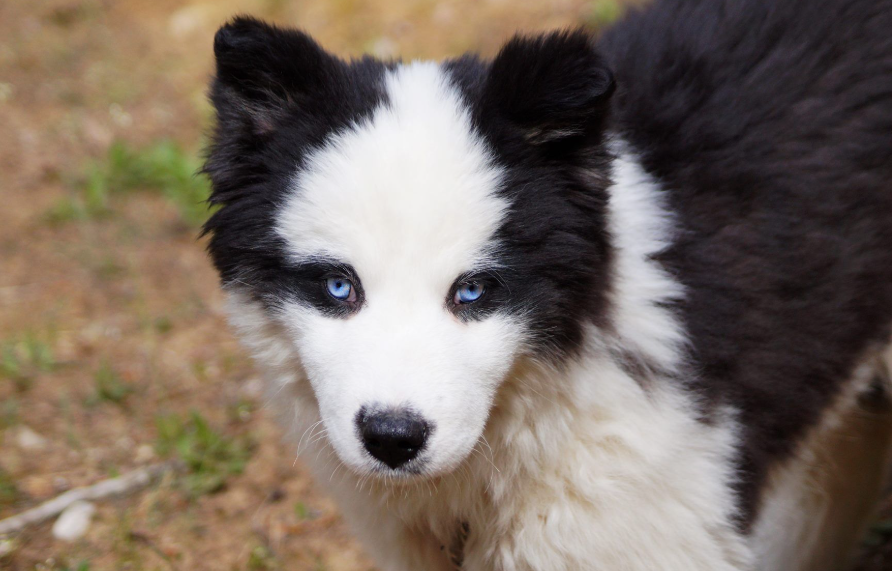
Ans: The Yakutian Laika has a strong and muscular body with a thick double coat that helps it endure extremely cold temperatures. They typically have erect ears, a bushy tail, and come in a variety of coat colors including white, black-and-white, and piebald patterns. Their eyes can be brown, blue, or heterochromatic (one of each color).
Q: How long do Yakutian Laikas live?
Ans: The average lifespan of a Yakutian Laika is around 10 to 14 years, although with proper care and regular veterinary checkups, some can live even longer. Their hardy nature contributes to a relatively healthy life.
Q: Can you keep a Yakutian Laika as a pet?
Ans: Yes, Yakutian Laikas make excellent pets for experienced and active owners. They thrive in environments where they can get plenty of physical activity and mental stimulation. Due to their working instincts, they may not be ideal for first-time dog owners or those living in small apartments.
Q: Is the Yakutian Laika an endangered breed?
Ans: While not officially listed as endangered, the Yakutian Laika is considered a rare breed outside of Russia. Breed preservation efforts are ongoing to protect and promote the breed through dedicated breeders and enthusiasts around the world.
#YakutianLaika, #WorkingDog, #SledDog, #RussianDogBreeds, #DogLovers, #ActiveDog, #ColdClimateDog, #NorthernBreed, #RareDogs, #LaikaBreed
Our sources and references about Yakutian Laika
1: Wikipedia – Yakutian Laika
2: FCI – Yakutian Laika
3: DogTime – Yakutian Laika
4: AKC – Yakutian Laika