Quick Top 10 Facts about Andalusian Hen
| SCIENTIFIC NAME | Gallus gallus domesticus |
| CLASSIFICATION | KINGDOM: Animalia CLASS: Aves ORDER: Galliformes FAMILY: Phasianidae PHYLUM: Chordata GENUS: Gallus |
| SIZE | Medium-sized chicken; males weigh about 7 lbs (3.2 kg), females weigh about 5.5 lbs (2.5 kg) |
| HABITAT | Domesticated; found on farms and poultry yards worldwide |
| DIET | Omnivorous – grains, seeds, insects, and small plants |
| SPECIES | Andalusian Hen |
| COUNTRY | Spain |
| GESTATION PERIOD | Incubation period for eggs is around 21 days |
| LIFE SPAN | Average life span of 6-10 years |
| CONSERVATION STATUS | Not endangered, but breed numbers are relatively low outside Spain |
Amazing Facts About Andalusian Hen
1. Originated in Andalusia, Spain
The Andalusian Hen is native to the Andalusia region of Spain and is known for its striking appearance.
2. Beautiful plumage
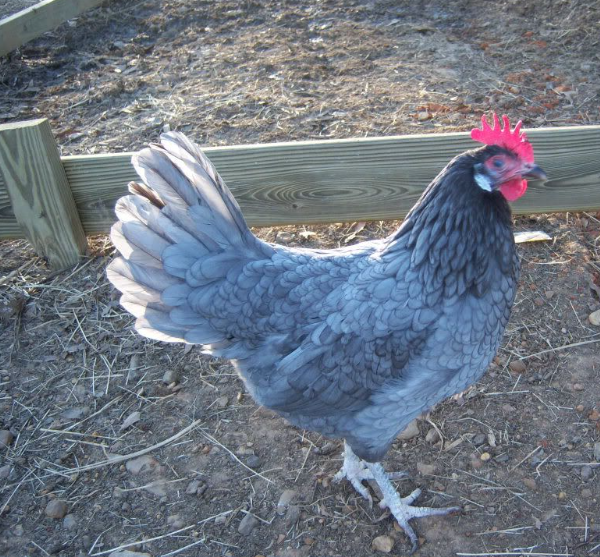
They are most famous for their slate-blue feathers, which are unique to this breed.
3. Hardy birds
Andalusian hens are known for their resilience and ability to adapt to various environments, making them a popular choice among poultry farmers.
4. Excellent egg layers
These hens are great producers of white eggs, averaging around 200 eggs per year.
5. Calm and friendly temperament
While Andalusian hens are independent and can be reserved, they tend to be docile and easy to handle.
6. Early maturing breed
Andalusian hens are known to start laying eggs at a young age, typically around 5–6 months old.
7. Active and curious
They are quite active and enjoy exploring their environment, which is characteristic of many Mediterranean breeds.
8. Tolerant of heat
This breed is particularly well-suited for warmer climates, thanks to its origins in the hot Andalusian region.
9. Beautiful roosters
Andalusian roosters are equally stunning, with long, elegant tail feathers and a majestic stature.
10. Great for small farms
They do well in small farm settings or backyard flocks due to their size and gentle nature.
Distinguishing features, such as their upright posture or elegant carriage
The blue Andalusian chicken breed is distinguished by its striking blue feathers. Their particular genetic makeup is the cause of their striking coloration. Their feathers, beaks, and even internal organs are all covered in blue, as is their skin. They are thus very fascinating and aesthetically beautiful birds.
The Blue Andalusian chicken breed is fascinating due to its remarkable blue feathers and distinct features. The Blue Andalusian is unquestionably a breed worth appreciating, regardless of whether you are an enthusiast for poultry or just find these birds to be beautiful.
female’s egg-laying process and the incubation period for the eggs
In addition to their amazing appearance, blue Andalusians are also known for their extraordinary egg-producing abilities. Their hens are among the most productive breeds of egglayers, laying between 200 and 280 large white eggs annually. For this reason, they are a popular choice among chicken owners looking for a breed that can reliably provide fresh eggs.
Significance of Blue Andalusian breed in the poultry world
Blue Andalusians are medium-sized birds with a lovely, elegant build. Their body is proportional, with a long neck, strong legs, and a little tail. Their feathers are tightly affixed to their bodies, giving them a sleek appearance. Despite their delicate appearance, these birds are hardy and adapt well to many environments and climates. Their reputation for alertness and energy aids in their ability to elude predators and develop into excellent foragers. All things considered, blue Andalusians are not only beautiful to look at, but they are also practical birds for those who want to raise poultry.
Fascinating facts about Blue Andalusians
A distinctive and eye-catching breed of chicken, the Blue Andalusian is distinguished by its exquisite blue feathers.
Breed’s origins in Andalusia, Spain
The term “blue Andalusian chicken” comes from the region of Andalusia in Spain. The blue hue is believed to be the consequence of crossbreeding between white and black chickens. When the breed was initially brought to England in the 1850s, its gorgeous look helped it become well-known very soon.
Unique characteristics and appearance of Blue Andalusians
The remarkable blue plumage of the Blue Andalusian is a consequence of a rare genetic characteristic known as “blue dilution.” The feathers have a glossy shine and come in a range of blue tones, from slate to a paler tint that almost seems lavender. They have a white face, red wattles, and a medium-sized single comb.
Breed’s distinct blue plumage and its variations
It is well known that blue Andalusians are alert and lively birds. They want to explore their environment and are naturally interested. Given that these hens have a reputation for being flighty and having high activity levels, it’s critical to offer them safe and secure confinement. They are apprehensive in general, yet they may also be amiable and like company.
Information on the breed’s egg-laying capabilities
Blue Andalusians may lay a reasonable amount of big white eggs and are excellent layers. They may lay between 150 and 200 eggs annually on average. However, a number of variables, including nutrition, age, and environmental circumstances, might impact their egg output.
Breed’s popularity in poultry shows and exhibitions
The Blue Andalusian’s distinct and exquisite look makes it a highly sought-after show bird. It often makes an appearance in poultry contests and exhibits. The breed is prized by breeders and fans for its beautiful blue plumage and graceful gait.
Breeding methods used to maintain and improve the breed
Blue Andalusians need to be properly cared for and fed, just like any other breed of chicken. A well-rounded diet consisting of a variety of grains, vegetables, and protein should be given to them. There should always be access to fresh water. In order to keep them safe from predators and inclement weather, it’s also essential to provide them with a cosy and secure coop or enclosure.
Adaptability to different climates and living conditions
Blue Andalusian roosters are distinguished by their eye-catching looks and self-assured personalities. They may be very protective of their flock and have a noble aura. But it’s crucial to remember that roosters, particularly in the mating season, may be violent and possessive. It’s crucial to handle and socialise them properly to keep their conduct under control.
Conservation status of the Blue Andalusian breed
Compared to other chicken varieties, the Blue Andalusian breed is still somewhat rare, even though it is not listed as endangered. Breeders and fans are working hard to protect and advance this rare breed. Supporting conscientious breeding and conservation initiatives can help guarantee this lovely chicken breed’s survival.
FAQ (frequently asked questions) about Andalusian Hen
Q: What is an Andalusian Hen?
Ans: The Andalusian Hen is a breed of chicken originating from the Andalusia region of southern Spain. Known for its hardiness and excellent egg-laying abilities, it is also admired for its striking blue or slate-colored feathers.
Q: What do Andalusian Hens look like?
Ans: Andalusian Hens are medium-sized birds with smooth, slate-blue feathers. They have a long, graceful neck, and their comb is single, medium in size, and stands upright. Their legs are clean and free of feathers, and they have yellow skin and white earlobes.
Q: Are Andalusian Hens good egg layers?
Ans: Yes, Andalusian Hens are known for being excellent egg layers. They typically lay white eggs, and although their egg production is not as prolific as some commercial breeds, they are still reliable layers and do well in a free-range environment.
Q: Are Andalusian Hens friendly?
Ans: Andalusian Hens are generally calm, friendly, and sociable. They tend to be less aggressive than other breeds and can get along well with other chickens. However, they are sometimes independent and may not seek out constant human interaction.
Q: How do Andalusian Hens handle the weather?
Ans: Andalusian Hens are quite hardy and can adapt to various climates, but they prefer moderate to warm temperatures. Their short, tight feathers help them stay comfortable in warmer climates, but they should be protected from extreme cold.
Q: What is the temperament of an Andalusian Hen?
Ans: Andalusian Hens are generally calm and non-aggressive. They are not known to be flighty and can be relatively docile around people, though some individuals may be more independent than others.
Q: Are Andalusian Hens easy to take care of?
Ans: Yes, Andalusian Hens are relatively easy to care for. They are hardy birds and do well in free-range environments. They are adaptable to different types of coops and require basic care, including a balanced diet, clean water, and protection from predators.
Q: Do Andalusian Hens make good pets?
Ans: While Andalusian Hens are not typically kept as pets, they can be friendly and enjoy being around people. Their docile nature makes them suitable for families who are looking for a chicken breed that is calm and easy to handle.
Q: Are Andalusian Hens rare?
Ans: The Andalusian Hen is not as common as other chicken breeds, particularly outside of Spain, but it is still available in many areas. The breed has a smaller population compared to more popular breeds like the Rhode Island Red or Leghorn.
Q: How long do Andalusian Hens live?
Ans: Andalusian Hens typically live for 5 to 8 years, depending on their environment and care. With proper attention, they can live a long and productive life, especially in free-range or small backyard flocks.
#AndalusianHen, #ChickenLovers, #FreeRangeChickens, #FarmLife, #BackyardChickens, #EggLovers, #PoultryFarming, #FarmAnimals, #ChickenOfInstagram, #HenLife, #AndalusianChickens, #OrganicFarming, #FreshEggs, #RuralLife, #FarmFreshEggs
Our sources and references about Andalusian Hen
1: Wikipedia – Andalusian Chicken
2: Feathersite – Andalusian Chickens
3: Backyard Chickens – Andalusian Hen Forum
4: Cackle Hatchery – Andalusian Chicken