Quick Top 10 Facts about Blue German Shepherd Dog
| SCIENTIFIC NAME | Canis lupus familiaris |
| CLASSIFICATION |
KINGDOM: Animalia CLASS: Mammalia ORDER: Carnivora FAMILY: Canidae PHYLUM: Chordata GENUS: Canis |
| SIZE | Medium to large-sized breed; males weigh 65-90 lbs (29-41 kg), females weigh 50-70 lbs (23-32 kg) |
| HABITAT | Domesticated; commonly kept as working dogs, pets, and service animals |
| DIET | Omnivorous – includes high-quality dog food with protein, vegetables, and grains |
| SPECIES | German Shepherd Dog |
| COUNTRY | Germany (originally bred there, but now worldwide) |
| GESTATION PERIOD | Approximately 63 days (like most dogs) |
| LIFE SPAN | 10–14 years |
| CONSERVATION STATUS | Not endangered; one of the most popular dog breeds worldwide |
Amazing Facts About Blue German Shepherd Dogs
1. Unique coat color
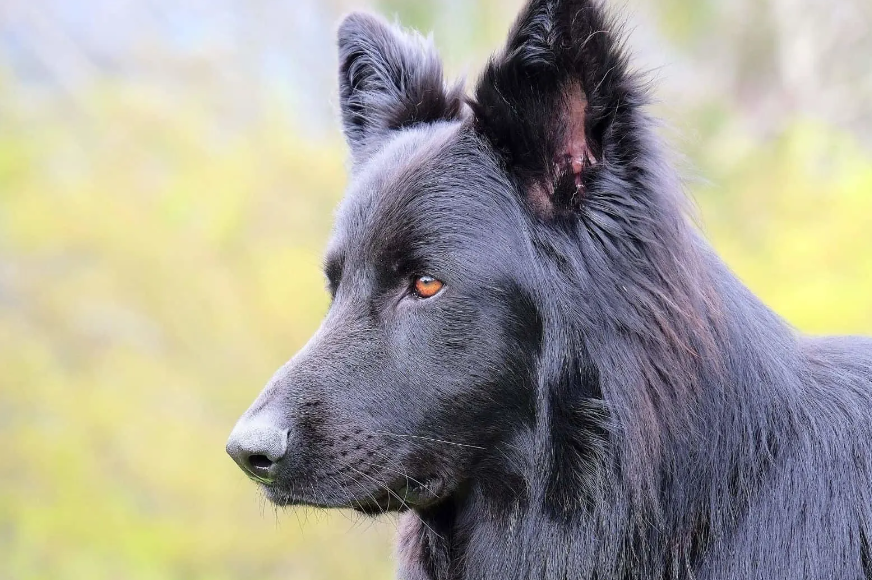
Blue German Shepherds have a rare coat variation, often described as a silvery-blue or steel-blue color, making them visually striking.
2. Highly intelligent
German Shepherds, including the blue variation, are known for their intelligence and are often used in police work, military, and service dogs.
3. Loyal and protective
They are incredibly loyal to their families and are naturally protective, making them great guard dogs.
4. Great for active families
Blue German Shepherds are highly energetic and need regular exercise, making them perfect for active households and owners who enjoy outdoor activities.
5. Early socialization is important
Like all German Shepherds, the blue variety benefits from early socialization to prevent aggression towards unfamiliar people or animals.
6. Fantastic working dogs
Blue German Shepherds excel in a variety of working roles, from search and rescue to therapy work, due to their drive and trainability.
7. Excellent sense of smell
Their incredible sense of smell makes them valuable in roles such as detection of drugs, explosives, and even locating missing persons.
8. Versatile coat maintenance
Their coat requires regular grooming, particularly during shedding seasons, to maintain their sleek and beautiful fur.
9. High energy levels
These dogs thrive on regular exercise, such as running or hiking, and need mental stimulation to keep them happy.
10. Good with families
Despite their guarding nature, Blue German Shepherds are often very good with children and make excellent family pets when properly trained.
Coat colour, which ranges from silver to blue-gray
The colour of their stunning blue coat makes blue German Shepherds stand out as a unique and alluring breed. Unlike other German Shepherds, these dogs have a beautiful blue coat that contrasts with their typical black and tan coat. Fur pigmentation is influenced by a recessive gene, which accounts for their distinct fur colour.
Unique appearance and popularity among dog enthusiasts
Blue Not only do German Shepherds have amazing looks, but they also possess all the qualities that make this breed so popular. Their intelligence, love, and flexibility make them excellent family companions and working dogs. These canines are highly trainable and excel in a range of roles, such as search and rescue, police work, and therapeutic assistance.
Ideal living conditions for Blue German Shepherds
It’s important to keep in mind that the majority of kennel associations do not recognise the blue colour of German Shepherds as the official breed colour. Notwithstanding this, blue German shepherds continue to appeal to those who appreciate their unique appearance. It is noteworthy that ethical breeders prioritise the temperament and overall health of their pups above the colour of their coats, ensuring that these gorgeous canines are not created just for their blue coats.
Fascinating facts about Blue German Shepherds
A distinctive and intriguing subset of the classic German Shepherd breed are blue German Shepherds. Their eye-catching blue coats draw the attention of dog enthusiasts worldwide. We’ll look at some fascinating information on blue German shepherds below:
Origins of the German Shepherd breed
The German Shepherd breed’s blue variety is a colour variation rather than a distinct breed. A recessive gene affecting the coat’s pigmentation is the cause of the blue tint. The blue coat is rather uncommon, although classic German Shepherds come in a variety of coat hues, such as black and tan, sable, and pure black.
Striking blue eyes and black nose
The distinctive blue coat of blue German shepherds is their most distinguishing characteristic. The blue may range in tone from a rich steel blue to a light grey. Many people describe the look of their coats as “smoky” or “charcoal.” Blue German Shepherds have the same physical traits as classic German Shepherds in addition to their eye-catching coat hue. They have a powerful, muscular physique and range in size from medium to giant.
Typical temperament of Blue German Shepherds
Blue German Shepherds and their historic counterparts have similar temperaments. They are renowned for their wisdom, devotion, and guardian instincts. These dogs are very trainable and perform well in a variety of capacities, such as support dogs, police work, and search and rescue. They are well-suited as family companions and are renowned for being kind and loving towards their owners.
Specific health issues associated with Blue German Shepherds
Blue German Shepherds are prone to specific health problems, just like any other breed of dog. This breed is susceptible to a number of common health issues, including degenerative myelopathy, elbow dysplasia, and hip dysplasia. In order to reduce the possibility of passing on these hereditary disorders to their progeny, ethical breeders will assess the health of the dogs they use for breeding. It is crucial that prospective owners be informed about these health issues and make sure their Blue German Shepherds get the right care and routine veterinarian exams.
Exercise and importance of early socialization and obedience training
Blue Due to their high level of energy and activity, German Shepherds need constant mental and physical stimulation. They do best in settings with plenty of room for them to go around and play. For them to remain cognitively and physically occupied, engaging in interactive play sessions, obedience training, and daily walks are essential. These canines are very smart and eager to pick up new skills and instructions. To bring out the most in them, their training should be constructive, reliable, and incentive-based.
Specific grooming techniques or products that may be beneficial
The Blue The coat of a German Shepherd has to be groomed often to maintain its finest appearance. They have a thick double coat that sheds sporadically all year. Frequent brushing will assist in preventing matting and removing loose hair. They will also sometimes need to take a bath to maintain a clean, dirt-free coat. It’s also critical to maintain proper dental hygiene, periodically check and clean their ears, and clip their nails.
Provide training tips and activities to keep them mentally stimulated
A fascinating subset of the German Shepherd breed are blue German Shepherds. They are excellent companions and working dogs due to their remarkable temperament and distinctive blue coats. But it’s crucial to keep in mind that providing these gorgeous dogs with appropriate care and responsible ownership is crucial to their health and wellbeing.
FAQ (frequently asked questions) about Blue German Shepherd Dog
Q: What is a Blue German Shepherd Dog?
Ans: A Blue German Shepherd is a rare variation of the traditional German Shepherd breed, distinguished by its striking blue-gray coat. This unique coat color is due to a recessive gene and is not recognized by the official breed standards but is loved by many for its distinct appearance.
Q: Are Blue German Shepherd Dogs different from regular German Shepherds?
Ans: In terms of personality and physical traits, Blue German Shepherds are similar to the standard German Shepherds. However, the main difference is their coat color, which can range from a silvery blue to a slate-like shade. Their temperament, intelligence, and working abilities are unchanged.
Q: What is the temperament of a Blue German Shepherd Dog?
Ans: Blue German Shepherds share the same loyal, courageous, and intelligent temperament as standard German Shepherds. They are highly trainable, protective of their families, and excel in various roles such as service, working, and companion dogs.
Q: Are Blue German Shepherd Dogs good family pets?
Ans: Yes, Blue German Shepherds make excellent family pets. They are known for being affectionate, loyal, and protective. They get along well with children and other pets if properly socialized from a young age.
Q: How much exercise do Blue German Shepherd Dogs need?
Ans: Like all German Shepherds, Blue German Shepherds are high-energy dogs that require regular physical and mental exercise. They benefit from daily walks, runs, and interactive activities like fetch or agility training to keep them happy and healthy.
Q: How long do Blue German Shepherd Dogs live?
Ans: Blue German Shepherds typically have a lifespan of 9 to 13 years, similar to standard German Shepherds. Their health depends on factors like genetics, diet, and exercise. Regular vet checkups and a balanced lifestyle help extend their life expectancy.
Q: Are Blue German Shepherd Dogs healthy dogs?
Ans: Blue German Shepherds are generally healthy dogs, but they can be prone to some of the same health issues as regular German Shepherds, such as hip dysplasia, elbow dysplasia, and certain genetic disorders. Regular vet checkups and a proper diet are essential to keeping them healthy.
Q: How do you train a Blue German Shepherd Dog?
Ans: Blue German Shepherds are highly intelligent and eager to please, making them easy to train. Consistent positive reinforcement techniques, such as praise and treats, work best. They respond well to structured training and thrive in environments where they have tasks or jobs to do.
Q: Are Blue German Shepherd Dogs hypoallergenic?
Ans: No, Blue German Shepherds are not hypoallergenic. They shed moderately throughout the year, and during shedding seasons, they may require more frequent grooming to manage the shedding of their dense double coat.
Q: What is the grooming requirement for a Blue German Shepherd Dog?
Ans: Blue German Shepherds have a double coat that requires regular grooming to keep it in good condition. Brushing their coat at least once or twice a week will help reduce shedding and keep their fur clean. They also need occasional baths, nail trimming, and ear cleaning.
#BlueGermanShepherd, #GermanShepherd, #GSD, #ShepherdLovers, #DogLovers, #WorkingDogs, #DogsOfInstagram, #SmartDogs, #GermanShepherdOfInstagram, #DogTraining, #ProtectiveDog, #ActiveDog, #DogLife, #K9, #BlueShepherd
Our sources and references about Blue German Shepherd Dog
1: Wikipedia – German Shepherd
2: American Kennel Club – German Shepherd
3: Petfinder – German Shepherd Dog
4: DogTime – German Shepherd