Quick Top 10 Facts about Bombardier Beetle
| SCIENTIFIC NAME | Stenaptinus insignis |
| CLASSIFICATION |
KINGDOM: Animalia PHYLUM: Arthropoda CLASS: Insecta ORDER: Coleoptera FAMILY: Carabidae GENUS: Stenaptinus SPECIES: S. insignis |
| SIZE | About 1 to 2 centimeters long |
| HABITAT | Forests, grasslands, and gardens, commonly found in tropical and subtropical regions |
| DIET | Carnivorous, feeding on other insects |
| SPECIES | There are several species of Bombardier beetles, but the most well-known is Stenaptinus insignis |
| COUNTRY | Found worldwide, especially in tropical and temperate regions |
| GESTATION PERIOD | Eggs hatch in about 1–2 weeks, larvae develop into adults within a few months |
| LIFE SPAN | 1 to 2 years depending on environmental conditions |
| CONSERVATION STATUS | Not endangered, but their populations are affected by habitat loss and pesticide use |
Amazing Facts About Bombardier Beetles
1. They can shoot boiling liquid
Bombardier beetles have a unique defense mechanism where they shoot a boiling chemical spray at predators from their rear end.
2. The chemical spray is explosive
When the beetle mixes chemicals inside its abdomen, the resulting explosion produces a loud popping sound and a hot, toxic spray.
3. They have a highly specialized anatomy
Bombardier beetles have a special chamber that stores the chemicals, which are then mixed when threatened.
4. They can control the direction of the spray
The beetles can direct their explosive chemical spray with remarkable precision to ward off predators.
5. They have excellent vision
The beetles have large compound eyes that help them spot predators and threats quickly.
6. Bombardier beetles are fast movers
When threatened, they are known to move quickly to find cover or to spray their attackers.
7. They are carnivores
Despite their explosive defense mechanism, Bombardier beetles are primarily carnivores, eating other small insects.
8. Their spray is both toxic and hot
The chemicals sprayed by Bombardier beetles are not only hot (up to 100°C or 212°F) but also toxic, deterring most predators.
9. Bombardier beetles are masters of self-defense
Their ability to produce and accurately target an explosive spray makes them one of nature’s most efficient self-defense insects.
10. They can survive in a variety of habitats
From tropical forests to temperate regions, Bombardier beetles are adaptable and can survive in many different environments.
Intriguing facts about Bombardier Beetle
The fascinating Bombardier Beetle is renowned for having a unique protection mechanism. This beetle belongs to the Carabidae family and is distributed around the globe, including North and South America, Asia, Europe, and Asia. Its name comes from its capacity to overwhelm enemies with a powerful chemical spray.
Bombardier Beetle’s chemical defence mechanism
One of the most astounding features of the Bombardier Beetle is its defensive system, which consists of shooting a hot and poisonous chemical spray from its belly. The hydrogen peroxide and hydroquinone in this spray are stored separately in certain glands inside the beetle’s body. These compounds are combined by the beetle in a strong response to threats, which produces a boiling hot spray and a violent exothermic reaction.
Effectiveness of the defence strategy of Bombardier Beetle
The Bombardier Beetle releases a hot spray that is very poisonous. At up to 100 degrees Celsius (212 degrees Fahrenheit), its tremendous warmth may cause serious burns or even death to prospective predators. With its strong and precise spray discharge, the beetle can target its assailants exactly. This defence system is very effective when employed to ward off predators such as spiders, ants, and other insects.
When everything is said and done, the Bombardier Beetle’s ability to produce and direct a poisonous, searing spray is an incredible adaptation for its survival. Its unique protection mechanism sets it apart from other insects and highlights the astounding variety and inventiveness seen in the natural world.
Distinct protection system of Bombardier Beetle
The intriguing Bombardier Beetle is well-known for its distinct protection system. When attacked, this tiny beetle from the Carabidae family can create and release a heated, poisonous chemical combination from its abdomen. We will look at some fascinating information on the Bombardier Beetle and its amazing adaptation.
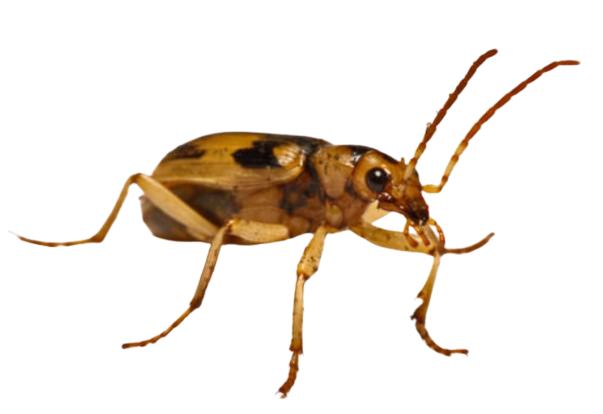
Spray of chemicals used in defence by Bombardier beetles
The most remarkable characteristic of the Bombardier Beetle is its capacity to generate and discharge a scorching, hot chemical spray in response to perceived danger. The beetle’s abdomen has distinct chambers that hold a mixture of hydrogen peroxide and hydroquinone, which is used in this spray. These two substances combine, react forcefully, and produce a boiling hot spray that may reach temperatures of up to 100 degrees Celsius when the beetle is in danger.
Unique defence mechanism of Bombardier Beetles
The precision of the Bombardier Beetle’s defensive system is what sets it apart from the competition. The beetle has exceptional aim and spraying precision, allowing it to strike its target precisely. Because of this, the beetle can successfully repel predators even when in midair.
Process of how they produce and release this defensive spray
The Bombardier Beetle has the ability to quickly and repeatedly spray its toxic concoction. It may spray in many spurts, each lasting only a few seconds. Predators find it difficult to approach or catch the beetle because of its frequent spraying.
Distinctive features that protect them while spraying
Not only does the Bombardier Beetle release a scorching, poisonous spray, but it does not hurt itself in the process. Its cuticle covering and specific muscles shield it from the toxins so that it cannot hurt itself. Because of this, the beetle may use its defensive mechanism without running the danger of hurting itself.
Warning colours in nature and their significance
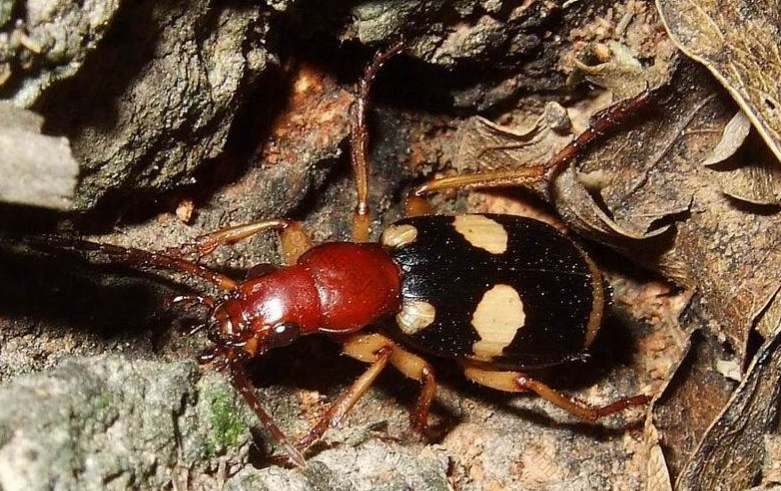
To ward off possible predators, the Bombardier Beetle has evolved vivid and distinctive warning colours. Its vivid colour patterns act as a visual alert, showing that the beetle has a strong protection system in place. Because they link these hues with danger, predators are less inclined to assault the beetle.
Advantages of Evolution in Bombardier Beetles
The Bombardier Beetle has a considerable evolutionary advantage due to its special protection system. The beetle has a better chance of surviving and procreating if it can defend itself against predators. This adaptability has let the Bombardier Beetle flourish throughout time in a variety of environments all around the globe.
Species Variations of Bombardier Beetles
Bombardier beetles come in more than 500 species, each having distinctive traits and adaptations of its own. Although all species are capable of producing and releasing chemicals, the makeup and potency of their defence sprays differ. Certain species could release sprays that are hotter or more poisonous than others.
Inspiration and Research of Bombardier Beetles
For years, scientists and academics have been captivated by the defensive mechanism of the Bombardier Beetle. Studies on chemical reactions, combustion, and bioengineering have been sparked by its capacity to initiate and regulate chemical events inside its own body. Technology for medicine administration and fire suppression may progress as a result of our growing understanding of the beetle’s defensive mechanisms.
Amazing adaptations and facts about bombardier beetle
The Bombardier Beetle is an amazing insect with an intriguing protection system. Its capacity to create and defend itself with a boiling chemical combination is a marvel of natural adaptation. The amazing variety and inventiveness of the insect kingdom are brought to light by the Bombardier Beetle.
FAQ (Frequently Asked Questions) about Bombardier Beetle
Q: What is a Bombardier Beetle?
Ans: The Bombardier Beetle is a small insect known for its unique and powerful defense mechanism. It belongs to the genus Brachinus and is famous for ejecting a hot, toxic chemical spray from its abdomen when threatened. This spray is produced by a chemical reaction inside its body, making it one of nature’s most fascinating examples of self-defense.
Q: How does the Bombardier Beetle defend itself?
Ans: The Bombardier Beetle has specialized glands that produce a mixture of hydrogen peroxide and hydroquinones. These chemicals are stored separately in the beetle’s abdomen. When threatened, the beetle combines these chemicals, causing a violent chemical reaction that produces heat and gases, which are expelled in a small, directed burst. The reaction reaches temperatures up to 100°C (212°F), and the beetle can aim this spray at predators with incredible accuracy.
Q: What does the Bombardier Beetle eat?
Ans: Bombardier Beetles are carnivorous and typically feed on smaller insects, including ants, termites, and other invertebrates. They use their powerful jaws to capture and consume their prey, and their diet helps support their high metabolism for producing their defensive chemicals.
Q: Where are Bombardier Beetles found?
Ans: Bombardier Beetles are found in various parts of the world, especially in temperate and tropical regions. They inhabit forests, grasslands, and areas with abundant insect populations. They are most commonly found under logs, in leaf litter, and in other sheltered environments where they can hide from predators.
Q: Are Bombardier Beetles dangerous to humans?
Ans: While Bombardier Beetles’ defensive spray can cause irritation to the skin or eyes, they are not typically harmful to humans. The spray is not lethal but can be unpleasant, especially if directed into the eyes. It is best to observe these beetles from a safe distance.
Q: How do Bombardier Beetles produce the explosive chemical reaction?
Ans: Bombardier Beetles have specialized glands that contain two chemicals: hydrogen peroxide and hydroquinones. When threatened, the beetle releases these chemicals into a reaction chamber in its abdomen, where an enzyme catalyzes the reaction. This produces oxygen and heat, which results in the explosive ejection of the toxic spray. The beetle can control the direction of the spray and even “reload” by drawing in more chemicals for subsequent bursts.
Q: How big do Bombardier Beetles get?
Ans: Bombardier Beetles are typically small, measuring around 0.5 to 1 inch (1.2 to 2.5 cm) in length. Despite their small size, they are highly effective at defending themselves and their territory.
Q: Do Bombardier Beetles have any predators?
Ans: While Bombardier Beetles’ explosive defense mechanism makes them difficult for many predators to capture, they still face threats from birds, amphibians, and larger insects. However, most predators tend to avoid them due to the potential danger of their chemical spray.
Q: Are Bombardier Beetles rare?
Ans: Bombardier Beetles are not considered rare, but their unique defense mechanism and elusive nature make them somewhat difficult to observe in the wild. They are widespread and can be found in a variety of environments, particularly where insects are abundant.
#BombardierBeetle, #InsectDefenses, #NatureScience, #ChemicalDefenses, #InsectLife, #BeetleFacts, #AmazingInsects, #WildlifePhotography, #Entomology, #NatureLovers, #ExplosiveDefense
Our sources and references about Bombardier Beetle
1: Wikipedia – Bombardier Beetle
2: National Geographic – Bombardier Beetle
3: Britannica – Bombardier Beetle
4: ScienceDirect – Bombardier Beetle